Narrative Overview and Production Genesis
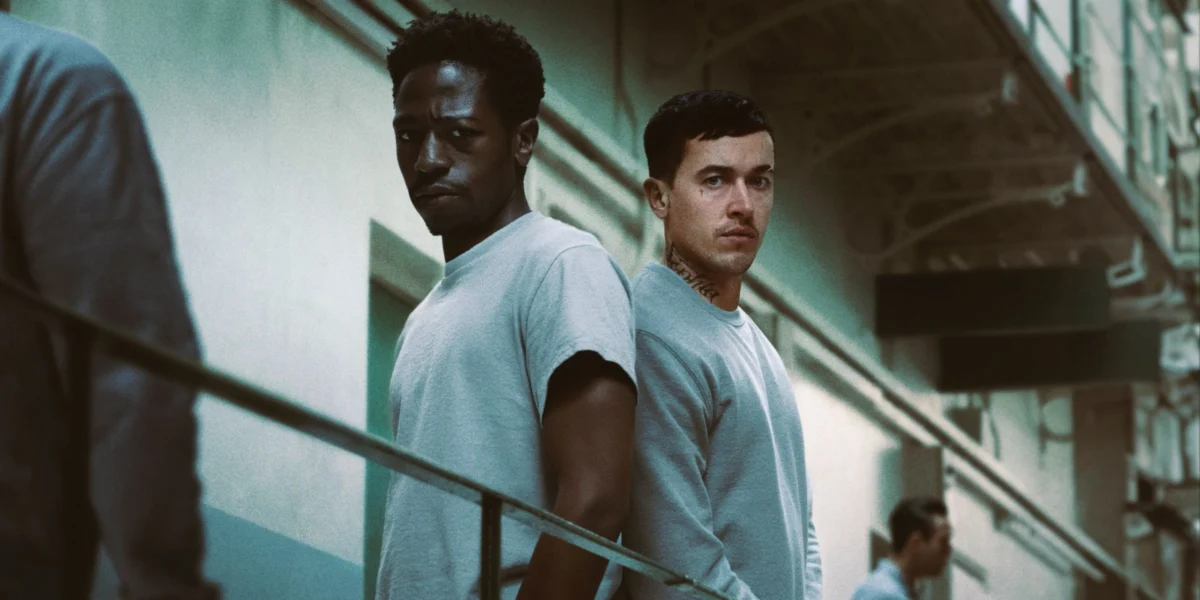
The core of the film’s narrative focuses on the claustrophobic relationship between two men forced into close quarters within a high-security facility. David Jonsson and Tom Blyth deliver performances that have been described by critics as transformative, moving beyond the tropes of the prison genre to explore the psychological toll of long-term confinement. The screenplay, penned by Hunter Andrews and Eoin Doran, reportedly drew inspiration from extensive research into the UK’s correctional facilities, aiming to capture the specific linguistic and social nuances of the modern British "wasteman" culture—a term often used pejoratively to describe individuals perceived as having no merit or future, which the film seeks to deconstruct.
Director Cal McMau, known for a visual style that emphasizes raw texture and tight framing, utilized the limited space of the prison cell to heighten the sense of entrapment. Production reports indicate that the filming took place in decommissioned wings of historical UK prisons, providing an authentic backdrop that contributed to the film’s "gritty and intense" atmosphere. This commitment to realism extended to the casting of secondary characters and extras, many of whom were selected to reflect the diverse and often marginalized demographics overrepresented in the carceral system.
The Toronto International Film Festival Premiere and Critical Reception
The trajectory of the film was significantly altered following its debut at the 2025 Toronto International Film Festival. As a Tier-1 festival, TIFF serves as a critical barometer for the commercial and awards potential of independent cinema. The screening of the film was met with a sustained standing ovation, with early reviews highlighting McMau’s direction as a standout element. Critics noted that while the prison drama is a well-worn genre, the film distinguishes itself through its focus on the interior lives of its protagonists rather than relying solely on external violence.
Initial critical data from the festival circuit indicated a high approval rating, with particular praise directed at the chemistry between Jonsson and Blyth. Industry analysts suggested that the film’s success at TIFF was instrumental in securing its distribution deal with Sunrise Films. The "positive reviews" mentioned in early press releases emphasized the film’s ability to balance "brutal conditions" with moments of profound human vulnerability, a duality that has become a hallmark of McMau’s emerging directorial voice.
Profiles of Rising Stars: David Jonsson and Tom Blyth
The casting of David Jonsson and Tom Blyth represents a strategic pairing of two of the most prominent young actors in the industry today. David Jonsson, who gained international recognition for his role in the series Industry and his lead performance in Alien: Romulus, continues to build a reputation for selecting complex, character-driven projects. In the film, Jonsson’s portrayal is described as a masterclass in understated intensity, capturing the weariness of a man attempting to maintain his dignity under systemic pressure.
Tom Blyth, coming off the global success of The Hunger Games: The Ballad of Songbirds and Snakes, offers a contrasting energy. His role in the film requires a physical and emotional volatility that complements Jonsson’s more reserved performance. During promotional interviews, both actors have spoken about the rigorous preparation required for the roles, which included studying the physical effects of confinement and the specific hierarchies that govern prison life. Their collaboration is viewed by industry insiders as a significant milestone in their respective careers, potentially positioning both for future accolades during the awards season.
Chronology of Development and Release
The development of the film followed a timeline that reflects the increasing interest in high-quality British independent drama.
- Late 2023: Screenplay development by Hunter Andrews and Eoin Doran is finalized; Cal McMau is attached to direct.
- Early 2024: Casting of David Jonsson and Tom Blyth is announced, generating significant buzz in trade publications.
- Mid-2024: Principal photography commences on location in the United Kingdom, utilizing authentic prison environments.
- Late 2024: Post-production is completed, with a focus on a soundscape that emphasizes the industrial and isolating noises of the prison.
- September 2025: World premiere at the Toronto International Film Festival.
- Late 2025: Theatrical release via Sunrise Films, accompanied by a robust promotional campaign including podcast appearances and media tours.
This timeline illustrates a streamlined production process that prioritized artistic integrity and timely release to capitalize on the rising profiles of its lead actors.

Supporting Data and Industry Context
The release of the film occurs during a period of transition for the British film industry. According to data from the British Film Institute (BFI), there has been a 15% increase in the international demand for UK-produced dramas over the last three years. The film fits into a broader trend of "prestige grit"—films that utilize high production values and top-tier acting talent to explore social issues.
Furthermore, the choice of Sunrise Films as a distributor highlights a shift toward independent distributors who specialize in "middle-market" films—those that sit between low-budget indie projects and massive studio blockbusters. Market analysis suggests that films like this one benefit from targeted theatrical windows followed by strong performance on premium streaming platforms, where character-driven dramas often find a second, larger audience.
Broader Implications and Socio-Political Themes
Beyond its merits as a piece of entertainment, the film engages with significant socio-political themes relevant to contemporary Britain. The title itself serves as a provocative entry point into a discussion about how society labels and discards individuals within the justice system. By focusing on the "survival" of the protagonists, the film critiques the lack of rehabilitative infrastructure within the prison system, suggesting that the "brutal conditions" described in reviews are a systemic failure rather than an incidental one.
The film also contributes to the ongoing dialogue regarding representation in British cinema. By placing two young men of different backgrounds in a shared struggle, the narrative touches upon themes of class, race, and masculinity. Analysts have noted that the film avoids the "white savior" or "unredeemable criminal" tropes that have historically plagued the genre, opting instead for a more nuanced exploration of how environment shapes identity.
Official Responses and Collaborative Insights
While official statements from the production team have been focused on the film’s artistic goals, the collaborative nature of the project has been a recurring theme in media coverage. In discussions regarding the making of the film, the cast and crew have emphasized the importance of the "Next Best Picture" platform and similar outlets in providing a space for deep-dive conversations about the craft of acting and directing.
The interaction between Jonsson and Blyth, as documented in various press junkets, reveals a mutual respect for the "intense and gritty" direction provided by McMau. They have described the set as a challenging but rewarding environment where the screenplay served as a rigorous roadmap for their performances. These insights provide a layer of context that enriches the audience’s understanding of the film, moving beyond the onscreen action to the creative labor involved in its realization.
Conclusion and Future Outlook
As the film continues its theatrical run, its impact on the careers of its creators and the broader landscape of British film remains a subject of interest for industry observers. The success of the film at TIFF and its subsequent positive critical reception suggest that there remains a strong appetite for serious, well-crafted drama that tackles difficult subject matter with honesty and technical skill.
With the backing of Sunrise Films and the continued momentum from its lead actors’ rising stars, the film is expected to be a mainstay in discussions regarding the best of 2025 cinema. Its contribution to the prison drama genre is marked not just by its intensity, but by its commitment to finding the human element within a system designed to strip it away. As audiences continue to engage with the story of these two cellmates, the film stands as a testament to the power of collaborative storytelling and the enduring relevance of social realist cinema in the 21st century.