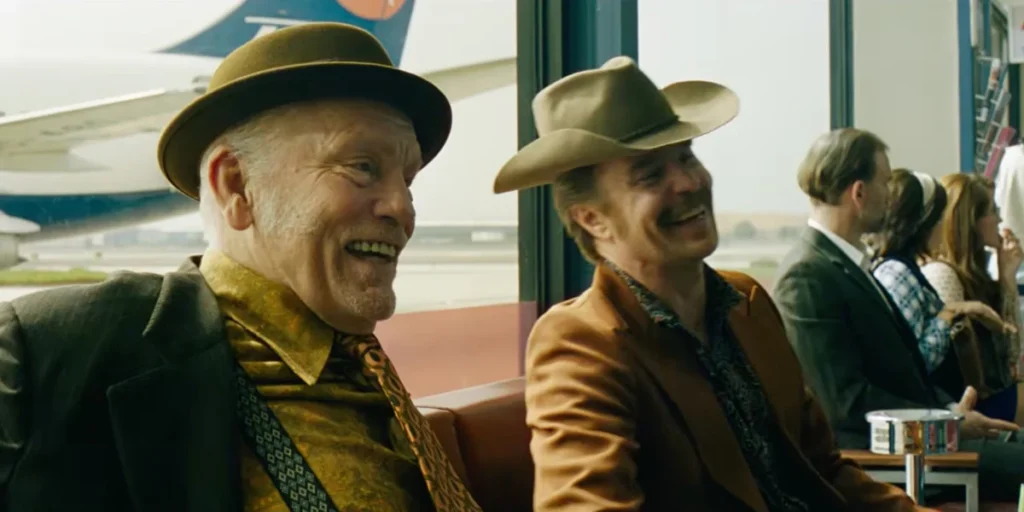
The release of the hybrid documentary film Modern Whore marks a significant pivot in the cinematic representation of sex work, moving away from traditional tropes toward a narrative centered on lived experience and creative agency. Directed by Nicole Bazuin and written by Bazuin alongside performer Andrea Werhun, the 80-minute feature serves as an expansion of Werhun’s 2018 memoir of the same name. By blending traditional documentary techniques with highly stylized dramatizations, the film explores the complexities of the sex industry through the eyes of a woman who transitioned from a University of Toronto student to a professional escort and exotic dancer, eventually becoming a prominent voice in the global conversation regarding sex workers’ rights and artistic representation.
The Evolution of the Narrative: From Memoir to Feature Film
The trajectory of Modern Whore began in 2018 with the publication of Modern Whore: A Memoir. The book was noted for its frankness, humor, and rejection of the "victim" archetype often assigned to sex workers in contemporary literature. Following the book’s success, Bazuin and Werhun collaborated on a short film adaptation in 2020, which served as a stylistic blueprint for the feature-length iteration. This six-year development cycle allowed the creators to refine their visual language and incorporate a broader range of perspectives from within the sex worker community.
The timing of the feature film’s release coincides with a period of heightened visibility for sex work in mainstream cinema. Andrea Werhun’s involvement as the lead sex work consultant on Sean Baker’s Anora, which won the Palme d’Or at the 2024 Cannes Film Festival, underscores her growing influence in the industry. While Anora provides a fictionalized look at the life of a sex worker, Modern Whore functions as a factual and personal counterpoint, allowing Werhun to speak directly to the audience without the filter of a third-party screenwriter.
Chronology of the Subject’s Experience
The film is structured into distinct chapters that mirror the phases of Werhun’s career and personal growth. The first segment, titled "A Whore Is Born," details her entry into the industry under the pseudonym Mary Ann. At the time, Werhun was a student of English Literature at the University of Toronto, balancing the demands of academia with minimum-wage employment. The film illustrates the economic reality faced by many students, where escorting is viewed as a pragmatic solution to financial instability.
In the second chapter, "Learning Curves," the narrative shifts to the logistical and safety challenges inherent in agency-based sex work. Werhun describes her initial research into various agencies, highlighting the lack of formal vetting processes and the reliance on rudimentary safety measures such as "blacklists." This period was marked by a conflict between her professional success and the internal shame fueled by societal stigma, eventually leading to her transition into exotic dancing, chronicled in "The Birth of Sophia."
The final chapter, "A New Archetype," focuses on Werhun’s transition into the arts. It explores her desire to leverage her experiences into a sustainable career as a writer and performer, effectively reclaiming her identity from the labels imposed by both the industry and the public.
Artistic Methodology and Visual Language
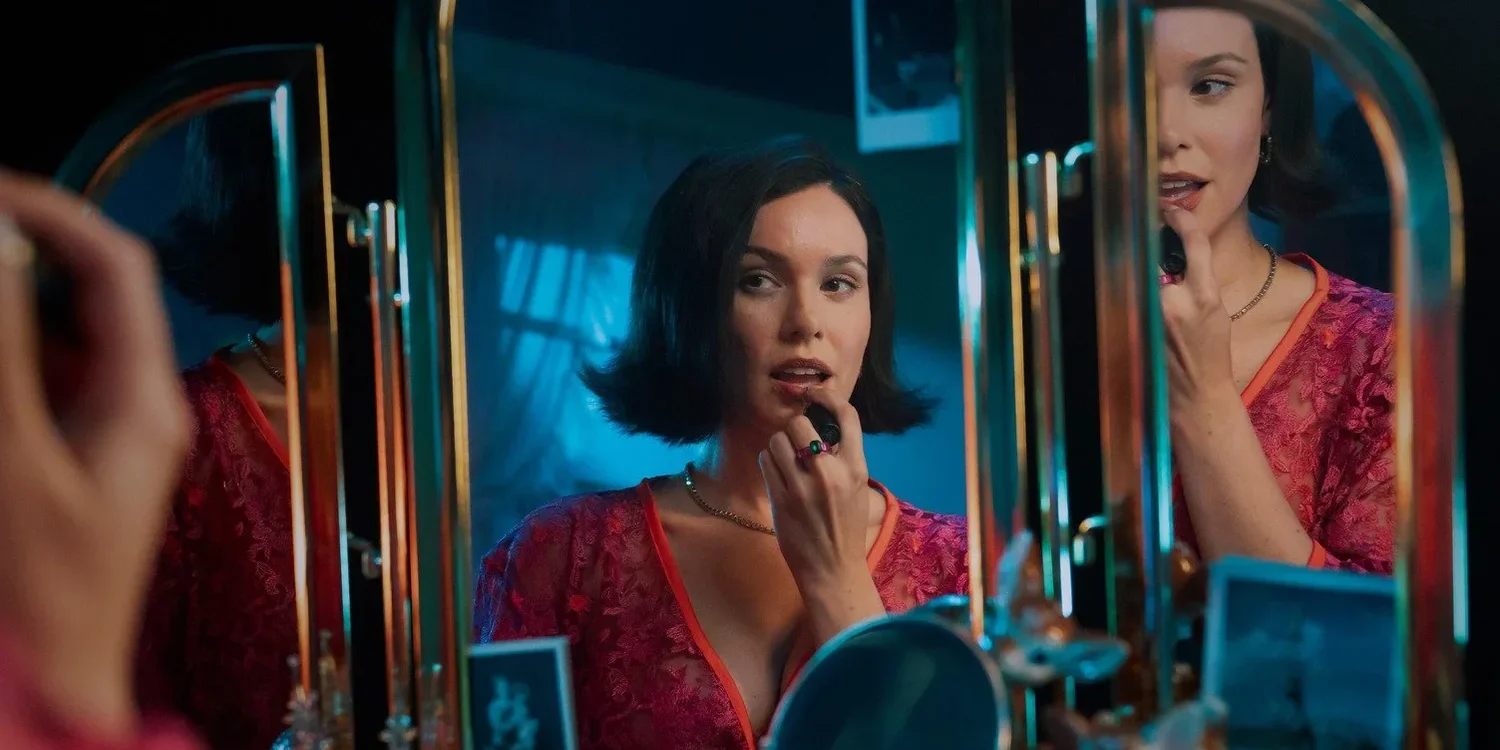
Modern Whore distinguishes itself through a "hybrid" format that eschews the gritty, handheld aesthetic common in many documentaries about marginalized communities. Instead, Bazuin employs a highly stylized, neo-noir aesthetic that reflects Werhun’s background in theater. The production design by Chareese McLaughlin and costumes by Cameron Lee utilize a vivid color palette and theatrical sets to create a "pop-up book" effect.
A key feature of the film’s visual strategy is the use of animation. These sequences are utilized to convey internal emotional states that are difficult to capture through traditional interviews or reenactments. By using animation to illustrate trauma, joy, and the "otherworldly" nature of certain encounters, the filmmakers provide a psychological depth that transcends literal storytelling. This creative choice serves to humanize the subject, presenting her not as a static object of study, but as a dynamic individual with a rich internal life.
Socio-Political Context and Industry Safety
The film provides a critical look at the lack of labor protections within the sex industry. Through interviews with Werhun’s peers, the documentary highlights the systemic failures of agencies to protect workers from workplace hazards, including sexual assault. In the Canadian context, this discussion is particularly relevant given the ongoing debate over the Protection of Communities and Exploited Persons Act (PCEPA), which was enacted in 2014.
The PCEPA, often referred to as the "Nordic Model," criminalizes the purchase of sexual services while technically decriminalizing the sale. However, advocacy groups and legal experts have argued that this framework forces sex workers to operate in more dangerous, isolated environments to protect their clients from police detection. The "Learning Curves" described in Modern Whore reflect these broader structural issues, where the burden of safety falls entirely on the individual worker rather than the state or the employer.
Data from organizations such as the Canadian Alliance for Sex Work Law Reform indicates that criminalization remains a primary barrier to safety and health for workers. By centering these issues in a personal narrative, the film bridges the gap between abstract legal policy and the day-to-day reality of those working in the trade.
Community Support and Official Responses
A significant portion of the documentary is dedicated to the role of support systems. Unlike many depictions of sex work that focus on isolation, Modern Whore emphasizes the importance of community. The film features candid interviews between Werhun and her inner circle, including her mother, her romantic partner, and her colleagues.
The involvement of Werhun’s mother provides an emotional anchor for the film. Her unconditional support challenges the trope of the "estranged family" and highlights the role that familial acceptance plays in mitigating the psychological impact of social stigma. The "hard-launch" reveal of Werhun’s boyfriend further serves to normalize her life, demonstrating that professional sex work and healthy personal relationships are not mutually exclusive.
While formal reactions from government bodies regarding the film are not yet documented, the documentary has been received by the film community as a vital piece of advocacy. It joins a small but growing body of work created by sex workers themselves, aimed at dismantling the "victim or villain" dichotomy that has dominated cinema for decades.
Implications for Documentary Filmmaking and Labor Advocacy
Modern Whore represents a shift in documentary ethics, moving toward a model of "participatory" or "collaborative" filmmaking. By having the subject serve as a co-writer and lead performer, the film ensures that the narrative remains under her control. This approach addresses long-standing criticisms of the documentary genre, where filmmakers from outside a community often "extract" stories from marginalized subjects without providing them with creative or financial agency.
The film’s success in different iterations—memoir, short film, and feature—suggests a growing public appetite for nuanced stories about labor and identity. It also highlights the potential for creative partnerships, such as that between Bazuin and Werhun, to challenge entrenched social narratives through high-production-value art.
As a piece of cultural commentary, Modern Whore suggests that the path to de-stigmatization lies in the humanization of the worker and the recognition of sex work as a form of labor that requires the same protections and respect as any other industry. By combining the educational aspects of a documentary with the aesthetic appeal of a stylized feature, Bazuin and Werhun have created a work that is both a personal catharsis and a professional manifesto.
The broader impact of the film may be felt in how future productions approach the topic of sex work. As Werhun continues her career in the arts, her work stands as a testament to the possibility of reclaiming one’s story from the margins of society and placing it firmly at the center of the cultural conversation. The film concludes not with a sense of finality, but as an introduction to a "new archetype" of the sex worker as a self-actualized artist and advocate.