Netflix Inc. delivered a robust financial performance for the first quarter of 2026, surpassing both internal forecasts and Wall Street expectations through a combination of strategic price adjustments, a burgeoning advertising business, and a massive windfall from a failed acquisition attempt. Despite reporting revenue of $12.250 billion—a 16 percent increase from the previous year—and a significant beat on the bottom line, the company’s stock experienced a 10 percent after-hours decline. This market volatility appears driven by conservative guidance regarding second-quarter operating margins and the announcement that co-founder Reed Hastings will depart the company’s board of directors.
Financial Performance and the Warner Bros. Windfall
The March quarter results highlight a company in a state of financial transition, moving away from its historical focus on subscriber volume toward a model prioritized by revenue and operating income. Netflix posted diluted earnings of $1.23 per share, significantly outperforming the company’s earlier forecast of 76 cents per share. Net income reached $5.283 billion, while operating income climbed to nearly $4 billion, marking an 18 percent year-over-year increase.
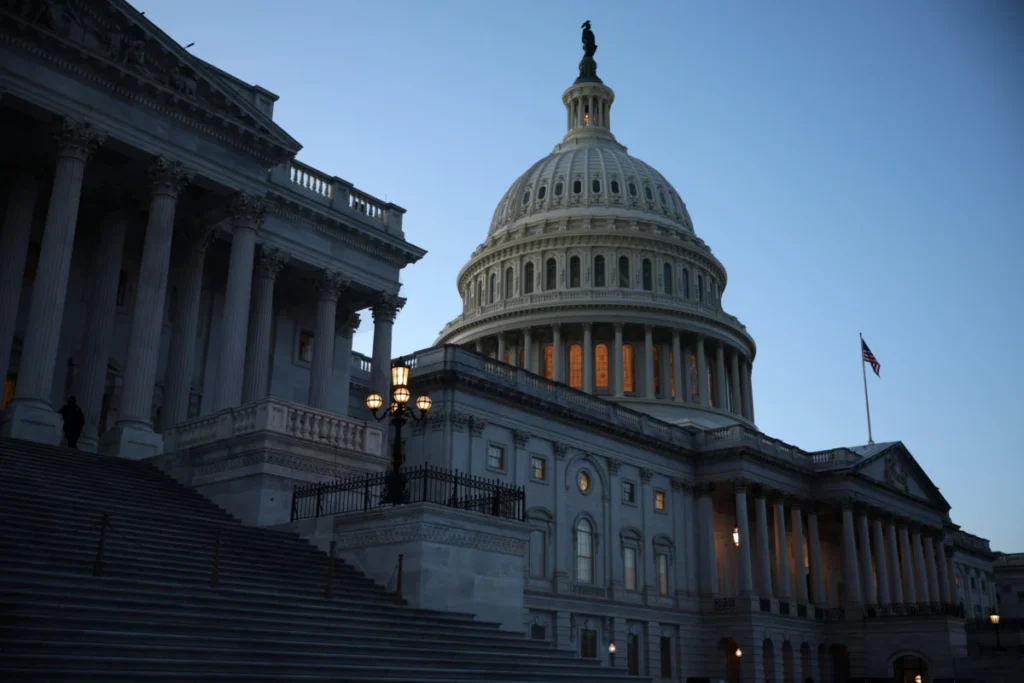
A primary driver of this bottom-line success was an unconventional source of income: a $2.8 billion termination fee. This payment resulted from the collapse of Netflix’s bid to acquire Warner Bros. Discovery. While Netflix had previously moved to acquire the media giant for $83 billion, the deal was ultimately usurped by Paramount Global and Skydance Media. Under the terms of the breakup agreement, Paramount was required to pay Netflix the multi-billion dollar fee to clear the path for its own $111 billion acquisition of the Warner Bros. assets.
In a letter to shareholders, the company addressed the failed merger with pragmatic optimism, stating that while Warner Bros. would have served as an "accelerant" for their long-term strategy, the acquisition was only desirable "at the right price." The resulting cash influx has bolstered Netflix’s balance sheet, providing a liquidity cushion as the company navigates an increasingly consolidated entertainment industry.
Content Drivers and the Impact of Live Sports
The first quarter of 2026 saw Netflix lean heavily into global event programming and the culmination of its most successful franchises. Revenue growth was particularly bolstered by "surprisingly strong" member growth in the Asia-Pacific region, with Japan serving as a standout market. The primary catalyst for this regional surge was the World Baseball Classic (WBC), which Netflix streamed to record-breaking audiences. The success of the WBC underscores Netflix’s evolving strategy to incorporate live sports and high-profile events to drive engagement and reduce churn.
On the scripted side, the quarter was defined by several major releases. The company debuted the long-awaited Peaky Blinders feature film and Alan Ritchson’s War Machine, both of which performed well according to internal metrics. Television offerings remained the backbone of the platform’s engagement, featuring the fourth season of the Regency-era drama Bridgerton and the series finale of Stranger Things. The latter represented a cultural milestone for the service, closing out the flagship series that defined Netflix’s original programming era. Additionally, the second season of the live-action One Piece adaptation and the new series His & Hers contributed to the quarter’s momentum.
The Departure of an Icon: Reed Hastings Exits the Board
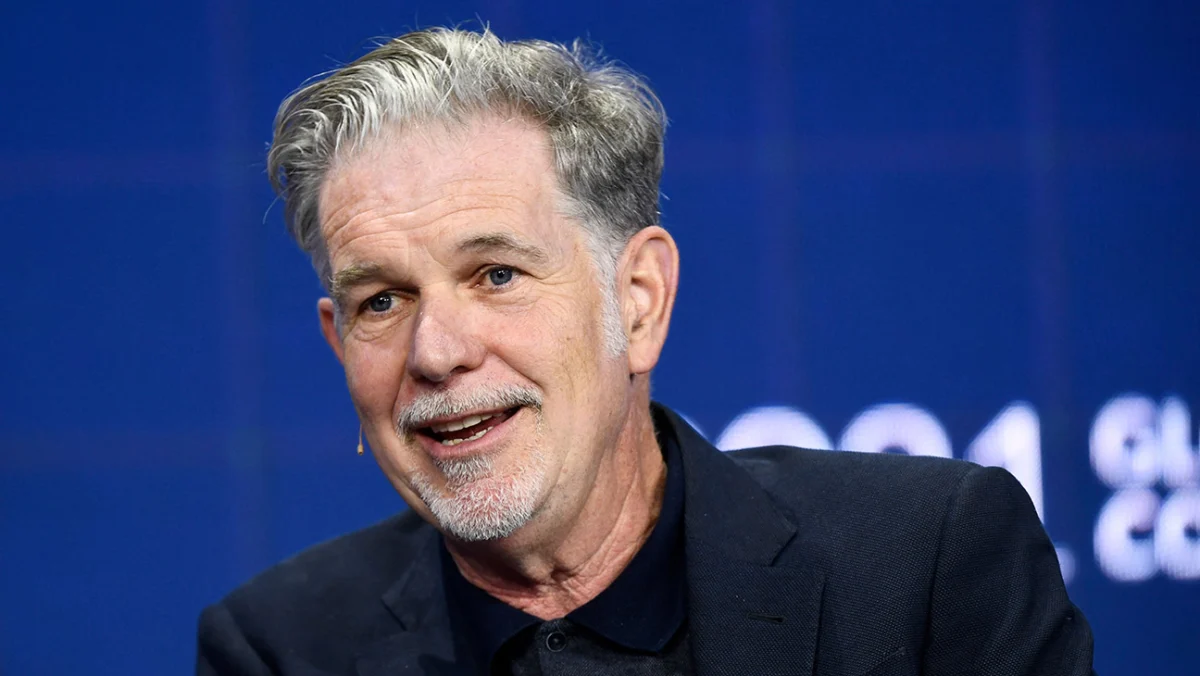
In a move that marks the end of an era for the Silicon Valley giant, co-founder Reed Hastings announced he will be stepping down from the Netflix board of directors. Hastings, who served as CEO for over two decades before transitioning to Executive Chairman in 2023, stated he plans to dedicate his time to philanthropic efforts, particularly in the realm of education and climate change.
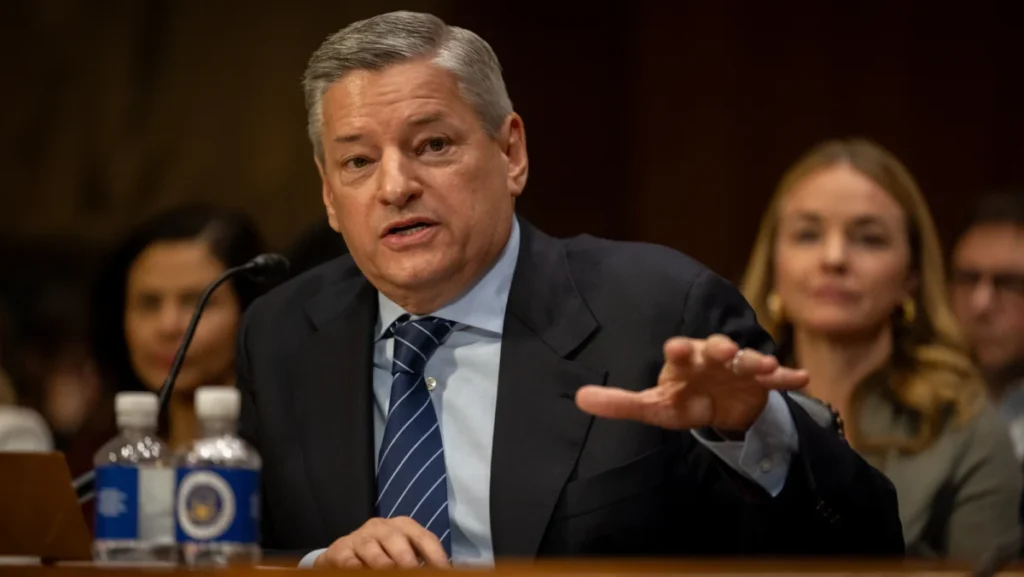
Hastings’ departure signifies the final stage of a multi-year leadership transition to co-CEOs Greg Peters and Ted Sarandos. In his farewell statement, Hastings reflected on the company’s trajectory since its inception as a DVD-by-mail service. "Netflix changed my life in so many ways," Hastings wrote. "My real contribution at Netflix wasn’t a single decision; it was a focus on member joy, building a culture that others could inherit and improve, and building a company that could be both beloved by members and wildly successful for generations to come."
Industry analysts view Hastings’ exit as a sign of confidence in the current leadership team. Under Peters and Sarandos, Netflix has successfully navigated the introduction of an advertising-supported tier and a crackdown on password sharing—two initiatives that were once considered antithetical to the company’s original ethos but have since become essential revenue drivers.

Market Reaction and Future Margin Guidance
Despite the positive earnings report, Netflix shares (NFLX) fell roughly 10 percent in after-hours trading. Investors appeared focused on the company’s forward-looking guidance rather than its past-quarter success. For the second quarter of 2026, Netflix projected that its operating margin would decline to 32.6 percent, down from 34.1 percent in the same period the previous year.
This contraction in margin is attributed to several factors, including increased content spend as the company replenishes its pipeline following previous industry strikes, and the continued scaling of its advertising infrastructure. While the advertising tier is growing, it remains a lower-margin business in its nascent stages compared to the pure-play subscription model.
Furthermore, the lack of specific subscriber updates contributed to market unease. At the end of 2025, Netflix reported surpassing 325 million global paid subscribers. However, the company has since pivoted away from providing quarterly subscriber counts, choosing instead to focus on revenue and operating income as its primary Key Performance Indicators (KPIs). Executives reiterated that they would only provide subscriber updates at "meaningful benchmarks," a move intended to shift investor focus toward long-term profitability rather than short-term fluctuations in user growth.
Chronology of Strategic Shifts: 2025–2026
To understand the context of the Q1 2026 results, it is necessary to examine the timeline of the previous year:
- Q4 2025: Netflix finishes the year with 325 million subscribers and enters a bidding war for Warner Bros. Discovery, offering $83 billion.
- January 2026: Paramount and Skydance enter the fray with a superior $111 billion bid for Warner Bros. Discovery, leading to the eventual termination of the Netflix-Warner agreement.
- February 2026: Netflix adjusts its pricing tiers in several major markets, including the U.S. and Western Europe, to offset rising production costs.
- March 2026: The World Baseball Classic airs on Netflix, driving record engagement in Japan and Latin America.
- April 2026: Netflix reports Q1 earnings, exceeding revenue targets but providing cautious guidance for Q2, leading to a temporary stock dip.
Broader Industry Implications and Analysis
The collapse of the Warner Bros. acquisition and the subsequent payout from Paramount highlights a broader trend of consolidation within the streaming industry. As competitors like Disney+, Max (now under Paramount/Skydance ownership), and Amazon Prime Video vie for market share, Netflix has opted for a strategy of "disciplined growth." By accepting the $2.8 billion termination fee rather than overleveraging to outbid Paramount, Netflix has signaled to the market that it will not sacrifice its balance sheet for the sake of scale.
The success of the World Baseball Classic also suggests that the "Streaming Wars" have entered a new phase centered on live rights. For years, Netflix resisted live programming, but the Q1 results prove that sports can provide the kind of appointment viewing that traditional scripted content often lacks in the binge-watching era. Analysts expect Netflix to continue pursuing mid-tier sports rights and "spectacle" events to supplement its library.
However, the 10 percent drop in stock price serves as a reminder that the market remains sensitive to the transition from a "growth stock" to a "value stock." As Netflix matures, it faces the challenge of maintaining high margins while investing in diverse revenue streams like gaming and live events. The decline in projected Q2 margins suggests that the cost of maintaining its lead in the streaming space is rising, even as it reaches a saturation point in major markets.
Conclusion
Netflix’s first quarter of 2026 was a period of high-stakes financial maneuvering and significant transition. While the company lost out on a major acquisition, it gained a massive cash infusion that contributed to a record-breaking bottom line. The departure of Reed Hastings marks a symbolic shift into a new era of corporate governance, while the success of live sports in Japan points toward a new frontier for content.
As the company moves into the second quarter, its focus will remain on optimizing its ad-supported tier and managing the costs of its global content slate. While the market’s immediate reaction was one of caution, the fundamental metrics—revenue growth of 16 percent and a net income of over $5 billion—suggest that Netflix remains the dominant force in the digital entertainment landscape, even as it navigates the complexities of a maturing industry.