The burgeoning digital phenomenon known as "The Backrooms," initially conceived as a series of found-footage style short films by creator Kane Parsons, is now at the center of intense fan speculation regarding a potential breach into our physical reality. As a feature film adaptation, also titled Backrooms, prepares for its theatrical release on May 29th, a compelling theory has emerged suggesting that the fictional narrative may have transcended its digital confines, with evidence pointing to an entity’s escape from the liminal dimensions into our own. This theory, widely discussed within the online community and purportedly supported by director Kane Parsons himself at recent industry events like CCXP, posits that the events depicted in the short films are not merely fictional but represent a canon narrative that foreshadows a real-world incursion.
Genesis and Evolution of The Backrooms Phenomenon
The Backrooms saga began in 2022 when Kane Parsons, then a teenager, uploaded "The Backrooms (Found Footage)" to the internet. This initial short depicted a lone individual disoriented and trapped within an eerily familiar yet profoundly unsettling environment. Characterized by endless, monotonous yellow-hued office spaces, flickering fluorescent lights, and a pervasive sense of dread, the dimension quickly resonated with a global audience. This initial success paved the way for a series of follow-up shorts, often designated as "Found Footage #2," "Found Footage #3," and so forth, which expanded the lore and introduced new unsettling elements.
Beyond the raw found-footage style, Parsons also developed a more narrative-driven component with the "Async Research Institute" series. This storyline introduced a fictional organization engaged in clandestine research into dimensional travel, providing a framework for how individuals might inadvertently stumble into or intentionally explore these alternate realities. The recurring motifs of specific locations, the nature of the entities inhabiting these spaces, and the overarching Async narrative have successfully woven together a cohesive and increasingly intricate shared universe, fostering a dedicated and engaged fanbase. The culmination of this creative endeavor was the announcement of a feature film adaptation, aiming to bring the expansive Backrooms universe to a mainstream cinematic audience.
The "Found Footage 3" Hypothesis: A Dimensional Breach
The current wave of speculation is largely fueled by a detailed analysis of "Found Footage 3," one of the most pivotal entries in the short film series. Proponents of the breach theory argue that this particular installment contains subtle yet significant clues indicating that a malevolent entity from the Backrooms has successfully transitioned into our tangible reality. The interpretation suggests that the narrative is not merely a fictional account of dimensional exploration gone awry but a direct warning of an impending, or perhaps even ongoing, interdimensional infiltration.
The visual and auditory cues within "Found Footage 3," when viewed through the lens of the breach theory, become far more alarming. Fans have meticulously dissected scenes, identifying anomalies and moments that deviate from a purely fictional representation. These interpretations, while inherently subjective, are often presented with a degree of logical progression that appeals to the series’ dedicated following. The idea that the film is not just canon with the shorts but also directly reflects this alleged real-world escape is a significant point of discussion.
Director’s Alleged Confirmation and Fan Reaction
Crucially, the theory gains considerable weight from claims that director Kane Parsons has alluded to, or even confirmed, the breach narrative as canon and directly relevant to the upcoming feature film. Reports from the Comic-Con Experience (CCXP), a prominent pop culture convention, suggest that Parsons, when discussing the film’s plot, indicated that the concept of something escaping into our reality is an integral part of the cinematic storyline. This alleged confirmation, if accurate, elevates the fan theory from speculative discussion to an officially endorsed narrative element.
The reaction from the Backrooms fanbase has been a mixture of excitement and trepidation. The prospect of a horror narrative bleeding into reality, even in a fictional context, adds a layer of meta-fear that resonates deeply with the genre’s core appeal. For many, the genius of the Backrooms lies in its ability to tap into primal anxieties about the unknown, the mundane becoming terrifying, and the thin veil between perceived safety and existential threat. The idea that this fictional threat might be presented as a genuine possibility within the film’s universe amplifies these anxieties and fuels further engagement with the lore.
The Async Research Institute: A Catalyst for Incursion
The fictional Async Research Institute plays a pivotal role in the Backrooms narrative, acting as the scientific and technological engine behind the exploration of these extra-dimensional spaces. Within the lore, Async’s experiments with dimensional travel, often depicted as high-risk and ethically questionable, are presented as the primary catalyst for the initial incursions into the Backrooms. The organization’s pursuit of understanding and potentially exploiting these alternate realities inadvertently opens pathways that entities from these dimensions can exploit.
The timeline of Async’s involvement, as pieced together from the various short films and narrative entries, suggests a gradual escalation of events. Early experiments, perhaps initially confined to controlled environments, would have led to accidental exposures and the first documented instances of individuals becoming lost in the Backrooms. As Async’s research progressed, the potential for unintended consequences, including the possibility of entities breaching into our dimension, would have become increasingly apparent. The "Found Footage" series often chronicles the desperate attempts of individuals caught in these situations, while the Async series explores the organizational perspective, hinting at the broader implications of their research.
Supporting Data and Visual Evidence
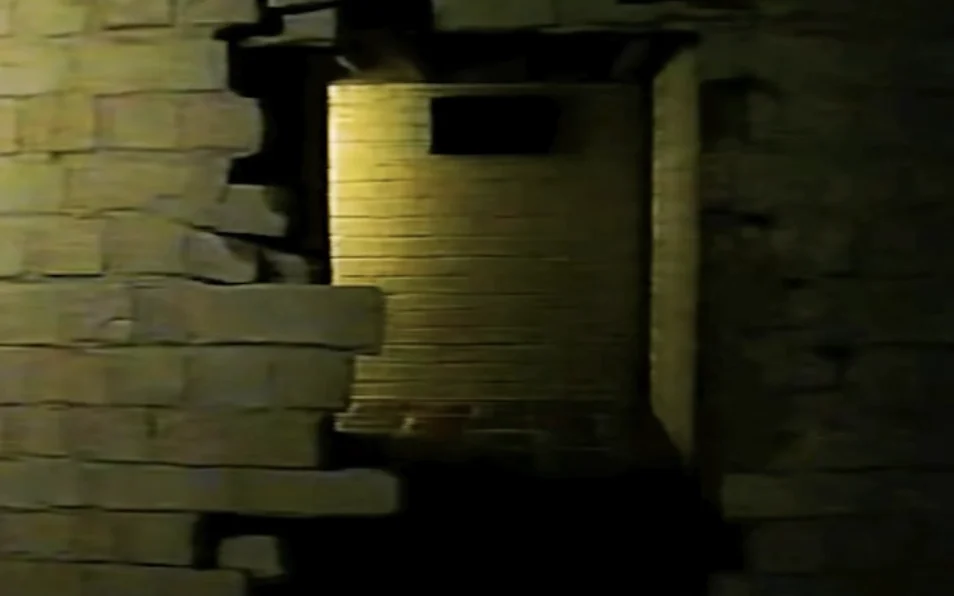
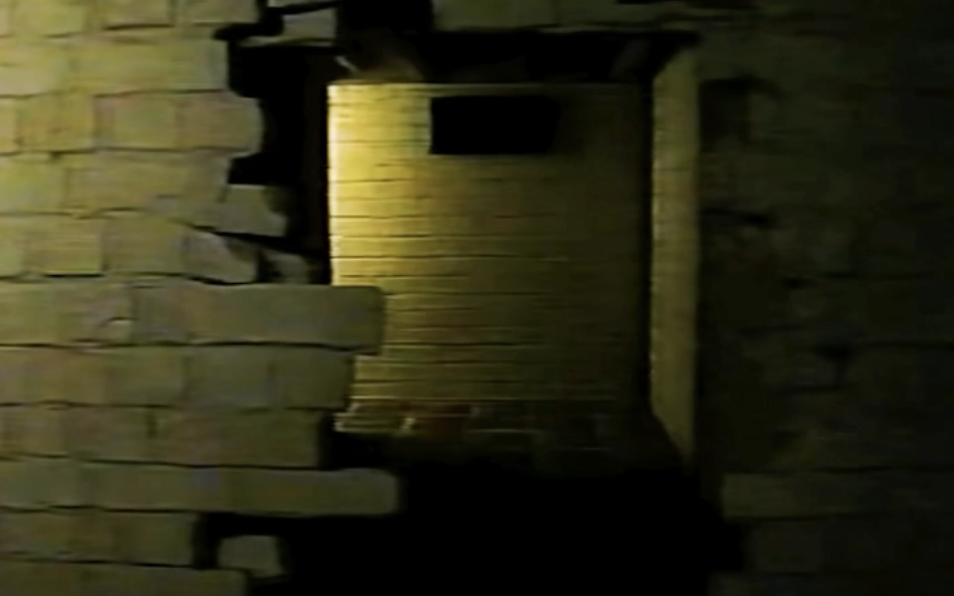
The arguments for a real-world breach are often supported by detailed visual analysis of the "Found Footage 3" video. For instance, certain visual glitches, unexpected environmental shifts, or specific entity behaviors within the video are interpreted as evidence of the dimensional barrier weakening or breaking. Some fans point to fleeting visual anomalies that appear to be inconsistent with the established visual language of the Backrooms, suggesting they are artifacts of the entity’s presence in our reality.
Furthermore, the placement and nature of certain entities within the narrative are also scrutinized. The theory posits that the actions and appearances of these entities in "Found Footage 3" are not merely confined to the dimensional plane but exhibit characteristics that would be possible only if they were interacting with or influencing our physical environment. This could include subtle environmental changes in the background that don’t align with the Backrooms’ typical sterile aesthetic, or even brief moments where the perceived camera perspective suggests an awareness or interaction with something outside the immediate fictional setting.
Broader Implications and Real-World Parallels
The concept of a fictional narrative suggesting a real-world threat, even if within the confines of a horror film, taps into deeper societal anxieties. The fear of the unknown, the vulnerability of our perceived reality, and the potential for unseen forces to impact our lives are themes that have long been explored in horror and science fiction. The Backrooms phenomenon, with its origins in the internet’s collaborative storytelling culture, amplifies these fears by creating a seemingly plausible, albeit terrifying, scenario.
The success of the Backrooms can be attributed, in part, to its grounding in relatable environments that are made uncanny. The sterile, impersonal nature of an office space or a labyrinthine set of corridors is a universally understood setting. By transforming these familiar spaces into places of terror and existential dread, the Backrooms taps into a latent fear of being trapped or lost in the mundane. The theory of a dimensional breach adds a new layer of dread, suggesting that the unsettling nature of the Backrooms is not confined to fiction but poses a potential tangible threat.
The Cinematic Expansion and Anticipated Release
The forthcoming feature film, Backrooms, is poised to significantly expand upon the established lore. The decision to adapt the series into a full-length movie signifies the immense popularity and narrative potential that has been cultivated. The film is expected to delve deeper into the origins of the Backrooms, the nature of the entities, and the role of the Async Research Institute.
With the film’s release date set for May 29th, the speculation surrounding the dimensional breach is likely to intensify. Audiences will be eager to see how director Kane Parsons translates the unsettling atmosphere and intricate lore of the short films to the big screen. The potential for the film to confirm or further explore the theory of a real-world escape adds a significant layer of anticipation and intrigue for fans and newcomers alike. The success of the film could also signal a new era for internet-born horror franchises, demonstrating the power of viral content to translate into mainstream cinematic success. The narrative threads that have been meticulously woven across various online platforms will now be presented to a global audience, potentially solidifying the Backrooms as a significant cultural phenomenon in the horror genre. The overarching question remains: is the threat of the Backrooms a cautionary tale confined to digital screens, or is it a harbinger of something far more tangible and terrifying? The upcoming film promises to shed more light on this chilling possibility.