Los Angeles, CA – April 22, 2026 – Director Lee Cronin’s latest horror offering, The Mummy, has officially begun its theatrical run, and early indicators suggest a strong reception that could pave the way for a potential sequel. In a recent interview with Variety, Cronin expressed his openness to developing a franchise, emphasizing a philosophy that prioritizes audience reception and a deep appreciation for the expansive lore he has begun to weave.
Cronin, who previously helmed the critically acclaimed Evil Dead Rise, indicated that the decision to pursue further installments in The Mummy universe would ultimately rest with the moviegoing public. He quoted advice from executives at New Line Cinema, Rich Brener and Dave Neustadter, who he stated consistently advise, "we let the audience decide." This sentiment underscores a strategic approach to franchise building, where market demand and audience engagement are primary drivers for future development.
"I’m very audience-focused," Cronin told Variety. "But I absolutely adore the characters in this world, and we’ve dipped our toes into a much, much bigger lore. And if the audience really like this world and this universe, then there’s no doubt there would be conversations about how we would continue to grow it. And as the originator and creator of it, I’d want to be pretty involved with that."
This statement signals a significant commitment from Cronin to the nascent franchise. His involvement as the "originator and creator" suggests a desire to maintain creative control and ensure a cohesive vision should The Mummy indeed spawn sequels. The director further elaborated on the inherent potential within the film’s narrative framework, pointing to the story’s temporal dichotomy as a fertile ground for future exploration.
"And I think there are great opportunities," Cronin added, "because this movie is on a timeline. It’s about a family in the here and now in Albuquerque, New Mexico, that are being affected by the choice another family made in Egypt 3000 years ago. So, no pun intended, I think there is a sandpit." This metaphorical "sandpit" suggests a vast landscape of narrative possibilities, bridging ancient history with contemporary horror.
A Foundation for Future Terrors: The Lore of The Mummy
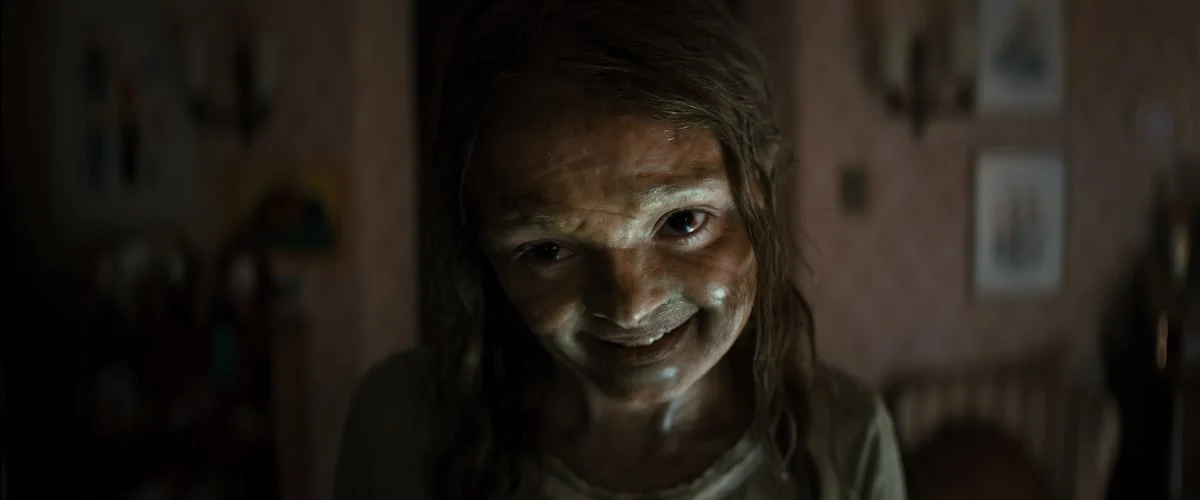
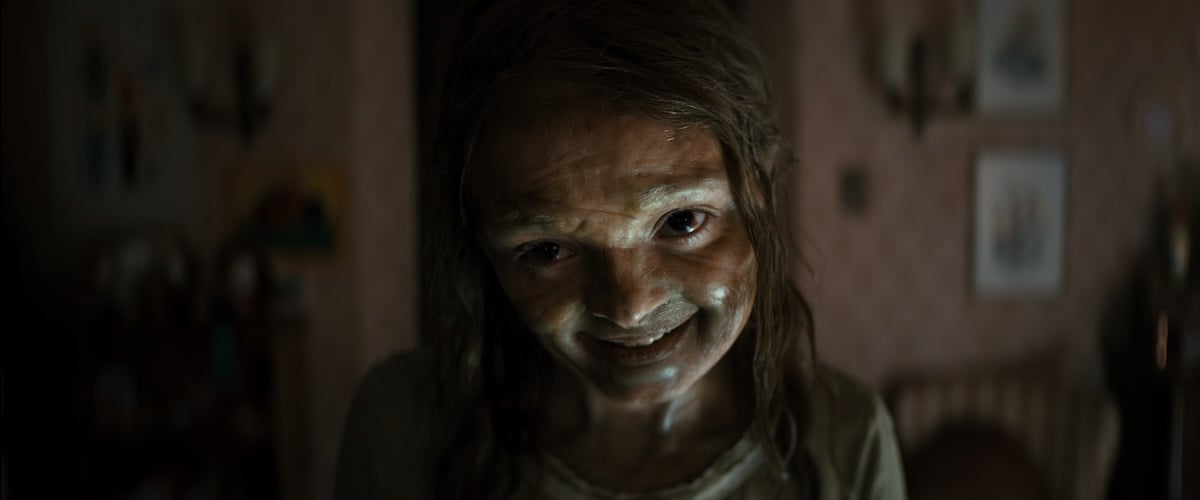
The premise of The Mummy centers on a journalist whose young daughter mysteriously vanishes into the desert. Eight years later, an inexplicable return of the child transforms a presumed joyous reunion into a harrowing ordeal. This setup inherently allows for a deep dive into the ancient Egyptian lore that has ensnared the family, potentially exploring the origins of the curse, the motivations of the entity involved, and the long-reaching consequences of past actions.
The rich history of Egyptian mythology, with its pantheon of gods, elaborate burial rituals, and beliefs surrounding the afterlife, provides an inexhaustible wellspring of material for horror storytelling. The film’s contemporary setting in Albuquerque, New Mexico, while seemingly disparate from ancient Egypt, acts as a crucial anchor, grounding the supernatural elements in a relatable, modern context. This juxtaposition is a key element Cronin seems keen to exploit, suggesting that the echoes of ancient Egypt are not confined to the distant past but continue to reverberate in the present day.
Market Context and Franchise Potential in Modern Horror
The horror genre has consistently demonstrated its resilience and profitability within the film industry. Franchises like The Conjuring universe, Halloween, and A Quiet Place have achieved significant box office success, proving that audiences are eager for recurring characters and established mythologies within the genre. Blumhouse Productions, a powerhouse in modern horror, has been instrumental in this resurgence, often championing original concepts and fostering directorial talent. Jason Blum, the prolific producer, has a proven track record of identifying and nurturing successful horror franchises.
The success of Cronin’s previous film, Evil Dead Rise (2023), which grossed over $147 million worldwide against a $17 million budget, further solidifies his ability to deliver commercially viable and critically resonant horror. This track record provides a strong foundation for The Mummy to potentially build upon. While specific opening weekend box office figures for The Mummy were not immediately available at the time of this report, Cronin’s optimistic outlook suggests that initial performance is encouraging. Industry analysts will be closely monitoring the film’s box office trajectory over the coming weeks to gauge its commercial viability and the likelihood of a sequel greenlight.
Casting and Critical Reception: A Mixed Foundation?
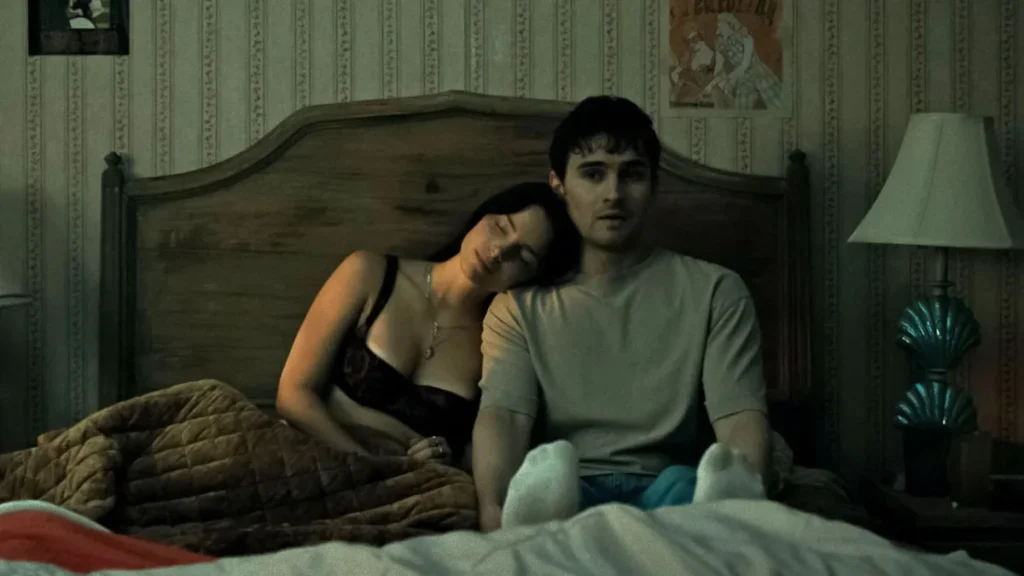
The film features a cast including Jack Reynor (Midsommar), Laia Costa (The Wheel of Time), May Calamawy (Moon Knight), Natalie Grace (1923), and Veronica Falcón (Ozark). The presence of established actors in genre films often contributes to audience interest and can lend a certain gravitas to the proceedings.
However, early critical reception has presented a more nuanced picture. A review from Dread Central’s Josh Korngut offered a critique that, while acknowledging the film’s "gonzo nastiness" and stylistic similarities to Evil Dead, found the emotional core lacking. "The film attempts to build an emotional spine strong enough to make its brutality really string, and not just shock, by centering the ghoulish story on a young girl and her grieving, all-American nuclear family," Korngut wrote. "But that never lands. While the same gonzo nastiness that worked so well in Evil Dead bleeds through, that violence registers as simply gross rather than actually painful without any characters to actually care about."
This assessment highlights a potential challenge for the film and any future installments: balancing visceral horror with compelling character development. For a franchise to thrive, audiences need to connect with the characters and invest in their fates. If the emotional resonance is perceived as weak, even a strong lore and creative direction might struggle to sustain long-term audience engagement. The success of sequels will likely depend on addressing these narrative shortcomings and ensuring that the horror elements serve, rather than overshadow, the human drama.
The Director’s Vision: Beyond the Tomb
Cronin’s explicit mention of a "much, much bigger lore" suggests that The Mummy is intended as more than a standalone scare. This ambition is crucial for franchise building, as it implies a pre-existing roadmap for future stories. The concept of a curse or entity with a 3,000-year history opens doors to exploring different eras, geographical locations, and the various individuals or families who may have fallen victim to its influence throughout millennia.
The "family in the here and now in Albuquerque, New Mexico" serves as the entry point, but the true scope of the narrative could expand exponentially. This could involve delving into the lives of those who first encountered the mummy’s curse in ancient Egypt, uncovering forgotten rituals, or even introducing other supernatural entities that are part of this larger, interconnected mythology. The success of franchises like The Conjuring, which has successfully spun off multiple films focusing on different haunted artifacts and demonic entities, demonstrates the viability of such an expansive approach.
The Road Ahead: Audience Decisions and Creative Evolution
The ultimate fate of The Mummy franchise now rests with its audience. If the film resonates with viewers and generates sufficient box office revenue and positive word-of-mouth, discussions about sequels are likely to move from hypothetical to concrete. Cronin’s clear enthusiasm and willingness to be heavily involved suggest a strong creative drive to explore this universe further.
The coming weeks will be critical for observing audience reactions and box office performance. Should The Mummy prove to be a commercial success, the groundwork laid by Cronin and his team could lead to a significant new entry in the modern horror landscape. The director’s stated desire to "continue to grow" the universe, coupled with the inherent potential of the established lore, suggests that if a sequel is greenlit, it will aim to expand upon the foundations of this initial film, offering audiences a deeper and more terrifying journey into the sands of time. The question remains whether the film can evolve beyond its initial "gonzo nastiness" to create characters and a narrative that truly captures the audience’s long-term attention, much like the ancient curses it portrays.