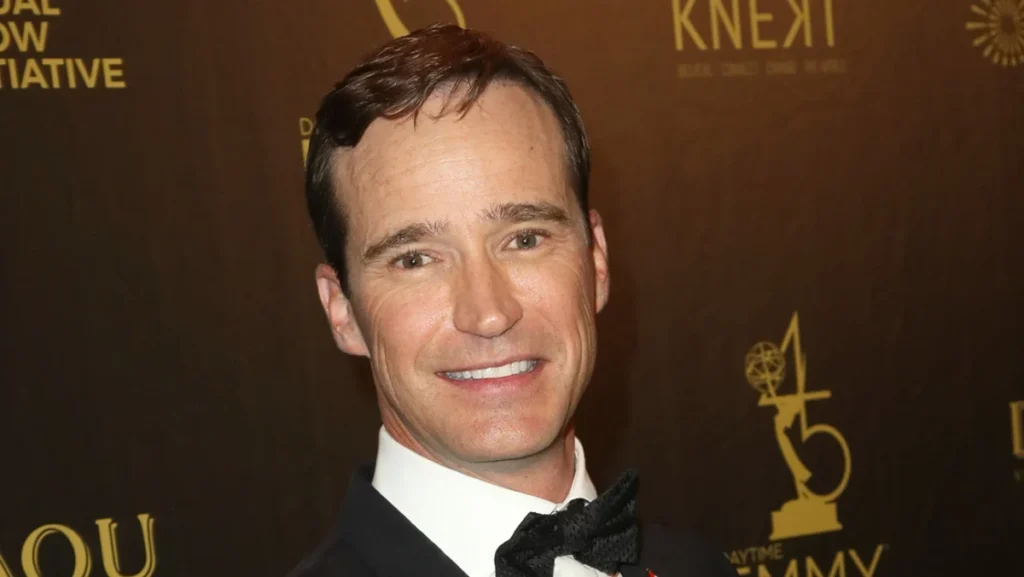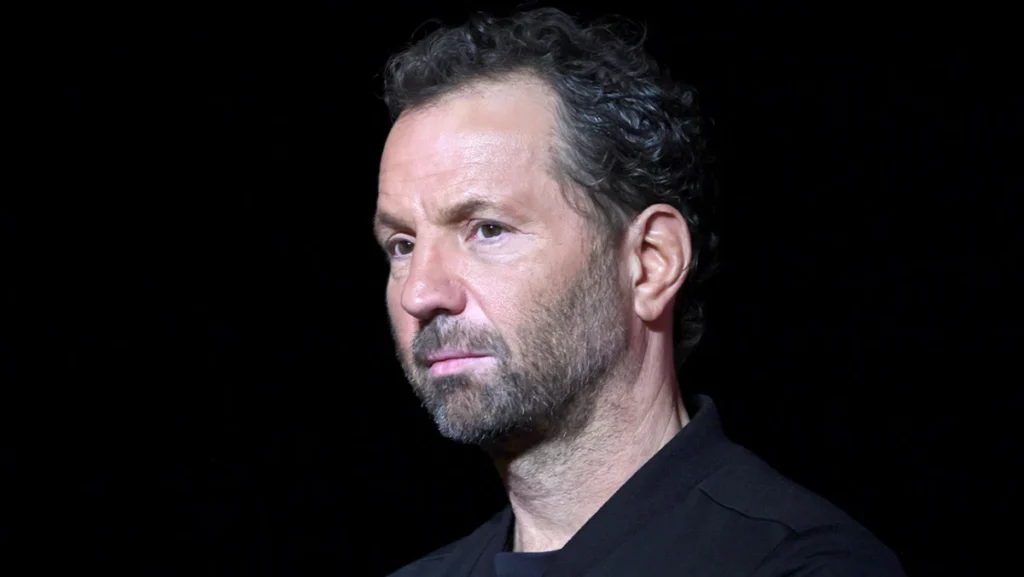
In an era where the historic title of "Entertainment Capital of the World" is increasingly challenged by global competition and domestic tax incentives, Los Angeles Mayor Karen Bass has taken a decisive step to fortify the city’s most iconic industry. The appointment of Steve Kang as the city’s "filming czar" marks a strategic shift in how City Hall interacts with the entertainment sector. Kang, a veteran community affairs executive who transitioned from the Board of Public Works, has been tasked with a singular, high-stakes mission: to act as the primary liaison between high-budget entertainment productions and the often-byzantine labyrinth of municipal departments. This move comes at a critical juncture for Mayor Bass, as the deepening production crisis in Southern California has transitioned from an industry concern to a central flashpoint in local political discourse and her reelection platform.
The Strategic Appointment of a Filming Czar
The role occupied by Steve Kang is designed to be one of "on-a-deadline diplomacy." In the fast-paced environment of film and television production, where every minute of delay can translate into thousands of dollars in wasted budget, the presence of a centralized authority is seen as a necessity rather than a luxury. Mayor Bass has empowered Kang to cut through the traditional bureaucracy that has historically slowed down permitting and logistical approvals. For decades, location managers and producers have expressed frustration over the "siloed" nature of Los Angeles city departments, where a single production might need to navigate the conflicting requirements of the Department of Transportation, the Department of Building and Safety, and various neighborhood councils.
Kang’s appointment is intended to provide the "white-glove service" that industry leaders have long requested. By serving as a high-level appointee capable of moving across the complex intricacies of the city’s administrative structure, Kang is positioned to resolve issues in real-time. This "concierge" model of governance aims to reassure studios that Los Angeles is not only the creative home of the industry but also a viable, efficient, and welcoming place to conduct business.
A Response to the Post-Strike Production Slump
The urgency behind this appointment is underscored by a sobering reality for the Southern California economy. Following the dual strikes of the Writers Guild of America (WGA) and SAG-AFTRA in 2023, the anticipated "rebound" of production in Los Angeles has been slower than expected. According to data from FilmLA, the official film office for the City and County of Los Angeles, production activity has struggled to return to pre-pandemic or even pre-strike levels.
In the second quarter of 2024, filming permits in Los Angeles saw a significant decline compared to historical averages. The rise of "runaway production"—where projects relocate to states like Georgia or countries like Canada, the United Kingdom, and Australia to take advantage of aggressive tax credits—has left many local soundstages vacant and thousands of crew members out of work. Mayor Bass’s decision to appoint a dedicated filming liaison is a direct counter-offensive against this trend, signaling to the industry that the city is willing to adapt its internal processes to remain competitive.
The Baywatch Reboot: A Case Study in Multi-Jurisdictional Diplomacy
The practical application of Kang’s role was recently tested by the high-profile "Baywatch" reboot. Originally, the production was slated to film in Australia, a move that would have been a symbolic and economic blow to Los Angeles, given the show’s intrinsic connection to Southern California beaches. To keep the production "home" in Venice Beach, Kang and the Mayor’s office had to navigate a series of logistical hurdles that threatened to derail the project.
One primary issue involved the construction of a temporary lifeguard structure on Venice Beach. The production faced immediate friction with the Department of Building and Safety regarding structural codes and "gray areas" concerning beach jurisdiction. Kang intervened to provide expedited reviews and overrides, ensuring the production remained on schedule. Furthermore, at the direction of the Mayor and the local Councilmember, the city provided a 20 percent discount for the production to use a City-owned lot in Venice, a direct financial incentive that impacted the show’s bottom line.
However, the "Baywatch" case also highlighted the broader challenge of multi-jurisdictional oversight. While the City of Los Angeles controls the streets and certain lots, the beaches themselves often fall under the jurisdiction of the Los Angeles County Department of Beaches and Harbors. Discrepancies between city and county rules led to social media friction and rumors of the production being blocked. Kang’s role involved "locking arms" with county counterparts to triage these issues, demonstrating that the future of Los Angeles filming depends on inter-agency cooperation.
Navigating the Complexities of Local Infrastructure: The Downtown LA Challenge
Beyond the glamour of beach shoots, Kang is frequently called upon to solve practical, "unsexy" problems that threaten the viability of popular filming locations. A notable example occurred in the historic core of Downtown Los Angeles (DTLA). Known for its versatile architecture, DTLA often stands in for New York, Chicago, or other major metropolitan areas in films and commercials.
Shortly after Kang’s appointment, the Department of Transportation (DOT) began installing permanent concrete barriers in the historic core as part of a safety initiative to protect pedestrians and manage traffic. While the DOT’s mission was centered on public safety, the industry viewed the barriers as a permanent "shot-ruiner" that would make the area unusable for period pieces or productions requiring a specific urban aesthetic.
Kang’s intervention was required to balance these two competing municipal interests. Within hours, he brokered a deal with DOT leadership: when a production is actively shooting in the area, the DOT will remove the barriers and reinstall them afterward at no expense to the production. This level of rapid response is a departure from previous years, where such a dispute might have taken weeks of committee meetings to resolve, by which time the production would have moved elsewhere.
Managing Stakeholder Interests: Residents, Rangers, and the Hollywood Sign
The filming czar’s role also extends into the realm of community relations and "NIMBYism" (Not In My Backyard). One of the most sensitive locations in the city is the Hollywood Sign. While it is a global icon and a primary target for productions, it is situated above residential neighborhoods with narrow, winding streets that are ill-equipped for large production convoys.
Kang’s work involves managing a "beautiful plan" that satisfies diverse stakeholders, including the Hollywoodland Homeowners Association, park rangers, and traffic officers. Issues ranging from noise complaints to intellectual property (IP) rights regarding the sign’s image require a delicate touch. Kang emphasizes that much of his success is measured by what doesn’t make the headlines—quietly resolving resident grievances and logistical bottlenecks before they escalate into public controversies that could lead to filming bans in certain neighborhoods.
Data Analysis: The Economic Stakes of Los Angeles Production
The economic data surrounding the entertainment industry reinforces why the Mayor has prioritized this role. The motion picture and sound recording industry remains a cornerstone of the Los Angeles County economy, supporting hundreds of thousands of jobs, from high-paid actors and directors to carpenters, caterers, and drivers.
- Economic Impact: Before the 2023 strikes, the industry contributed an estimated $115 billion annually to the regional economy.
- Job Loss: Recent reports suggest that post-strike employment in the sector has not fully recovered, with a 10% to 15% gap in "crew-day" filming activity compared to 2022.
- Competition: States like New York and Georgia have recently expanded their tax incentive caps to $700 million and beyond, creating a "race to the bottom" that Los Angeles must counter with superior infrastructure and ease of business.
By offering "concierge service" and financial breaks on city lots, the Mayor’s office is attempting to offset the higher cost of living and production in California. The goal is to make the "Los Angeles experience" so seamless that the logistical ease outweighs the tax benefits found elsewhere.
Bridging the Jurisdictional Divide: A New Era of Collaboration
One of the most significant revelations from Kang’s early tenure is the historical lack of communication between different municipal film offices. Despite sharing the same geography, the City of Los Angeles and the County of Los Angeles have often operated in silos, each with its own task forces and rules.
Starting in May 2024, Kang initiated quarterly joint meetings between city and county departments to synchronize their approach to filming. This "common sense" approach is intended to create a unified front for productions that often cross jurisdictional lines multiple times in a single day of shooting. The goal is to establish a "hotline" system across all jurisdictions, ensuring that a producer can get an executive decision in minutes rather than days.
Political Stakes and Future Outlook for the Entertainment Capital
For Mayor Karen Bass, the success of Steve Kang’s office is inextricably linked to her political legacy. As she prepares for a reelection bid, the health of the film industry serves as a proxy for the city’s overall economic vitality. Critics have often pointed to the "hollowing out" of Los Angeles’s middle class as production jobs move to lower-cost regions. By appointing a filming czar, Bass is attempting to prove that local government can be an ally to the industry rather than a hurdle.
The future of filming in Los Angeles will likely depend on whether this "white-glove" model can be scaled. While resolving issues for a "Baywatch" reboot or a DTLA car chase is a start, the broader challenge remains the global decentralization of content creation. Kang’s role represents a modernized version of municipal governance—one that recognizes that in the global economy, "place" still matters, but only if that place is willing to work as hard as the productions it seeks to host.
As the industry continues to evolve with the rise of streaming and artificial intelligence, the City of Los Angeles is betting that human diplomacy and bureaucratic reform will be the keys to keeping the cameras rolling on the streets of Hollywood. The appointment of Steve Kang is the first step in a long-term strategy to ensure that the city’s most famous export remains its most durable economic engine.