The upcoming documentary feature, "Y Vân: The Lost Sounds of Saigon," directed by Khoa Hà and Victor Velle and produced by Douglas Emerson under The Pink Cloud LLC, is poised to offer a profound exploration into Vietnam’s rich musical heritage and the enduring legacy of one of its most celebrated composers. Completed in July 2025, this 93-minute US production, filmed in both English and Vietnamese, intricately weaves together elements of music, history, biography, and personal documentary to uncover a narrative that transcends individual experience, touching upon themes of cultural preservation, identity, and resilience.
Unearthing a Fragmented Legacy: Khoa Hà’s Personal Quest
At its core, "Y Vân: The Lost Sounds of Saigon" is a deeply personal journey undertaken by co-director Khoa Hà, who embarks on a mission to recover the lost musical recordings of her late grandfather, the legendary composer Y Vân. This quest evolves beyond mere archival retrieval, transforming into an intimate excavation of hidden family stories and a largely forgotten chapter of Vietnamese cultural history. Hà’s narrative serves as the documentary’s emotional anchor, guiding viewers through the complex layers of personal memory and collective heritage.
Y Vân, a name synonymous with the golden age of Saigon music, once dominated the airwaves and dance halls of pre-1975 Vietnam. His compositions, characterized by their melodic beauty and poignant lyricism, captured the spirit of an era, speaking volumes of love, aspiration, and a distinct Vietnamese identity. However, with the dramatic political shifts following the fall of Saigon in 1975, much of Y Vân’s prodigious body of work was silenced, scattered, or tragically lost. This historical rupture left behind a fragmented legacy, an echo of a vibrant cultural period that the documentary meticulously strives to reconstruct.
A Cinematic Tapestry: Blending Styles and Eras
The documentary’s presentation is a notable aspect, distinguishing itself through an innovative and diverse cinematic approach. It commences with an evocative animation sequence, transitioning into a surrealist desert landscape, before settling into the formal opening titles. This initial stylistic fluidity immediately signals the film’s ambition to transcend conventional documentary formats. Following the titles, the narrative adopts a "cinematic collage" technique, where various elements are presented through the visual metaphor of an album’s pages. Khoa Hà’s narration accompanies these visuals, providing context and insight, effectively guiding the audience through her nascent research and personal connections.
Hà’s story begins not with her own life, but with the intertwined narratives of her parents and extended family, establishing a rich generational backdrop. This foundation then narrows to her present life as a beautician and the catalyst for her research into her grandfather, Y Vân. This structural choice highlights the intergenerational impact of historical events and the enduring presence of family heritage.
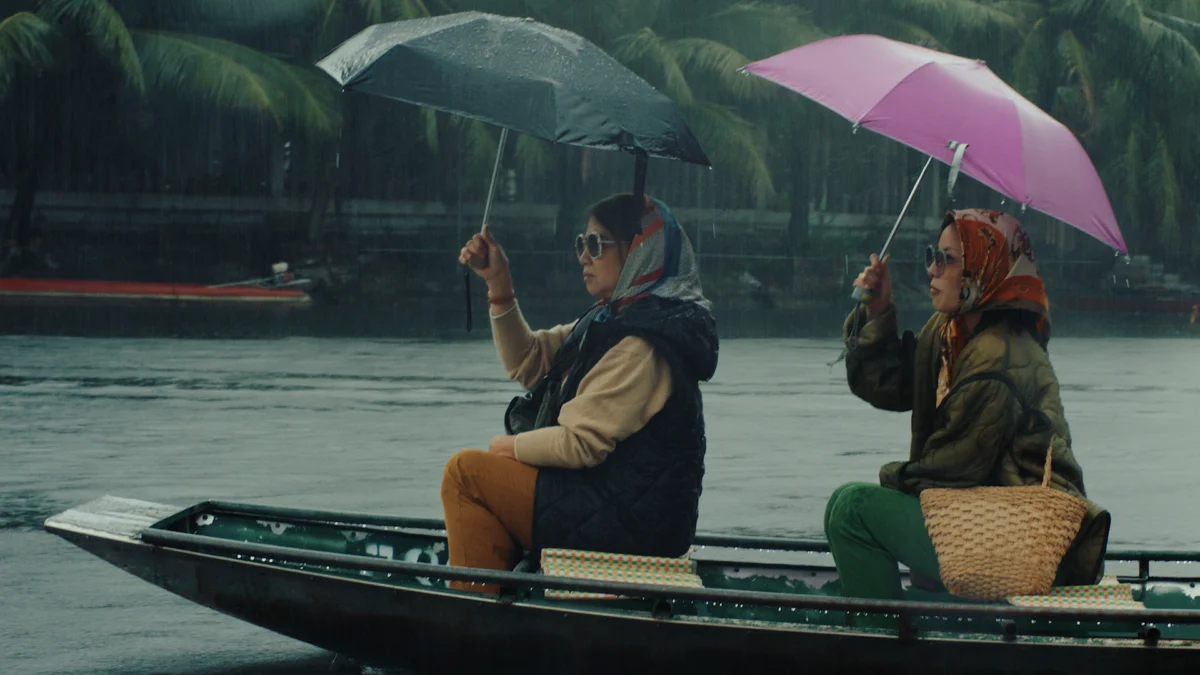
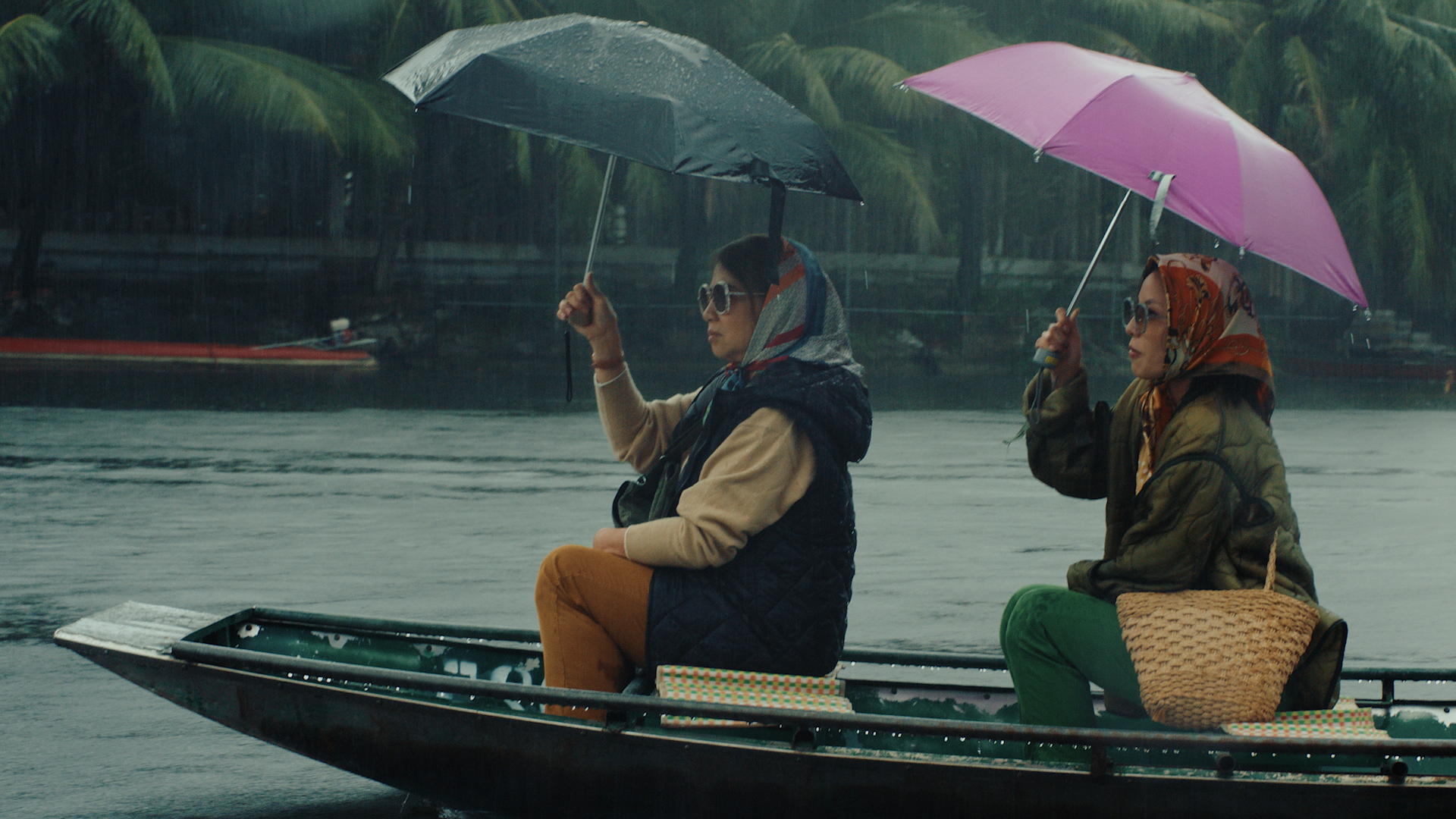
As Hà’s research deepens, her journey takes her to Vietnam, where the film’s aesthetic shifts once more, initially adopting a style reminiscent of a music video before grounding itself in more conventional documentary storytelling. This continuous blending of cinematic elements — from animated sequences and surrealist imagery to personal narration and observational footage — creates a dynamic and engaging viewing experience. The omnipresent music, integral to the narrative, complements the visuals and discussions, creating a rich sensory tapestry.
Tracing the Rhythms of Vietnamese History
"Y Vân: The Lost Sounds of Saigon" does more than simply chronicle a personal search; it meticulously tracks the broader history of Vietnamese music. This is achieved through insightful discussions with experts, interviews with contemporary musicians, and evocative visits to iconic record shops and bustling music cafes across Vietnam. These excursions become fertile ground for discoveries about Y Vân, particularly insights gleaned from interactions within the vibrant music cafe scene.
A particularly compelling thread within the documentary is its exploration of the significant American cultural influence on Vietnamese music during the 1970s. This period, often termed the "Golden Age," saw a unique fusion of traditional Vietnamese melodies with Western pop, rock, and jazz elements, producing a distinctive sound that defined an era. Y Vân was a master of this synthesis, and the documentary sheds light on how these cross-cultural currents shaped his work and the broader musical landscape. The almost constant presence of music throughout the film ensures that the historical and biographical discussions are always deeply contextualized within the sonic world they describe.
Beyond his musical contributions, the documentary also delves into Y Vân’s personal life. Discussions with individuals who knew him personally, including his daughter, provide invaluable glimpses into his character, his relationships with his mother and two wives, and his overall public and private persona. These intimate revelations paint a more complete picture of the man behind the melodies, humanizing the legend and allowing viewers to connect with his story on a deeper emotional level. The culmination of Khoa Hà’s efforts to reintroduce her grandfather’s work to the world and ensure the continuation of his legacy forms a powerful and moving conclusion to the narrative.
A Visual and Auditory Masterpiece: Cinematography and Editing
The film’s visual language is another strong point. There is an intense, almost intimate focus on Khoa Hà’s hands, with her intricately painted nails and tattoos becoming a recurring visual motif, particularly in the film’s opening segments. This detail serves not only as an aesthetic choice but also as a subtle symbol of her personal connection to the journey and the meticulous care involved in her research.
The interviews conducted with various individuals familiar with Y Vân and his legacy further enrich the narrative, offering diverse perspectives that collectively build a comprehensive portrait of the artist and his era. The portrayal of Vietnam, and particularly Saigon, is nothing short of impressive. Jake L. Mitchell’s cinematography captures the essence of the country through panoramic views, sophisticated multiple frames within frames, and a compelling blend of current-day footage with evocative archival material. Memorable sequences include drone shots tracing the path of a train through verdant landscapes, and poetic interplay between sea and forest, all contributing to a visually stunning experience. The high quality of the images is further enhanced by exceptional post-production work, particularly in color grading, which imbues the film with a rich, vibrant palette.
However, it is Benjamin Shearn’s editing that stands out as arguably the strongest asset of the production. Shearn masterfully weaves together the diverse threads of the documentary – personal narrative, historical context, musical exploration, and cultural commentary – with a fittingly fast pace. This dynamic editing creates a constant sense of motion, perfectly synchronized with the rhythm of the music, ensuring that the audience remains engaged and propelled forward through the intricate narrative.
Broader Implications: Cultural Preservation and Diaspora Identity
"Y Vân: The Lost Sounds of Saigon" transcends its biographical scope to address critical issues of cultural preservation and the construction of identity within diasporic communities. The film subtly highlights the devastating impact of political upheaval on artistic expression and cultural memory. Y Vân’s story is not unique; countless artists and their works suffered similar fates during periods of conflict and ideological shifts. The documentary serves as a powerful reminder of the fragility of cultural heritage and the imperative to safeguard it against erasure.
For the Vietnamese diaspora, particularly those who experienced the events of 1975 firsthand or are descendants of that generation, the film offers a poignant connection to a lost past. Y Vân’s music, imbued with nostalgia and the spirit of a bygone era, can serve as a conduit for understanding and reclaiming a part of their heritage that might have been fragmented or suppressed. The film’s focus on Khoa Hà’s personal journey mirrors the collective yearning within the diaspora to reconnect with their roots and to piece together the narratives that define their cultural identity.
Cultural historians and musicologists are likely to find the documentary invaluable for its detailed exploration of a pivotal period in Vietnamese music. By meticulously documenting Y Vân’s life and work, and by contextualizing it within the broader socio-political landscape of mid-20th century Vietnam, the film contributes significantly to the academic understanding of Southeast Asian cultural history. The interviews with experts and contemporary musicians further solidify its standing as a valuable resource for research and appreciation.
A Call to Rediscovery and Celebration
While some might observe a promotional aspect to the documentary, given its frequent celebration of Vietnam’s beauty and the prominent on-screen presence of its co-director, this can be reframed as an inherent part of its mission. The film is not merely presenting a historical account; it is actively participating in the reintroduction of a significant cultural figure and his context. The director’s visible involvement underscores the personal stakes in this journey of rediscovery, making the narrative more relatable and authentic. Her efforts to reintroduce her grandfather to the world and continue his legacy are central to the film’s emotional impact.
Ultimately, "Y Vân: The Lost Sounds of Saigon" emerges as an exceptional documentary. It is a work brimming with emotion and a profound sense of nostalgia, successfully illuminating a little-known yet crucial aspect of Vietnamese history and culture. Its masterful blend of personal narrative, historical context, and musical exploration makes it compelling viewing, particularly appealing to music enthusiasts, cultural historians, and anyone interested in the resilience of human spirit and the power of art to transcend time and political divides. The film stands as a testament to the enduring power of music to connect generations, heal historical wounds, and preserve the "lost sounds" that define a nation’s soul. Its completion in July 2025 sets the stage for a significant cultural event, promising to bring Y Vân’s melodies back into the global consciousness.