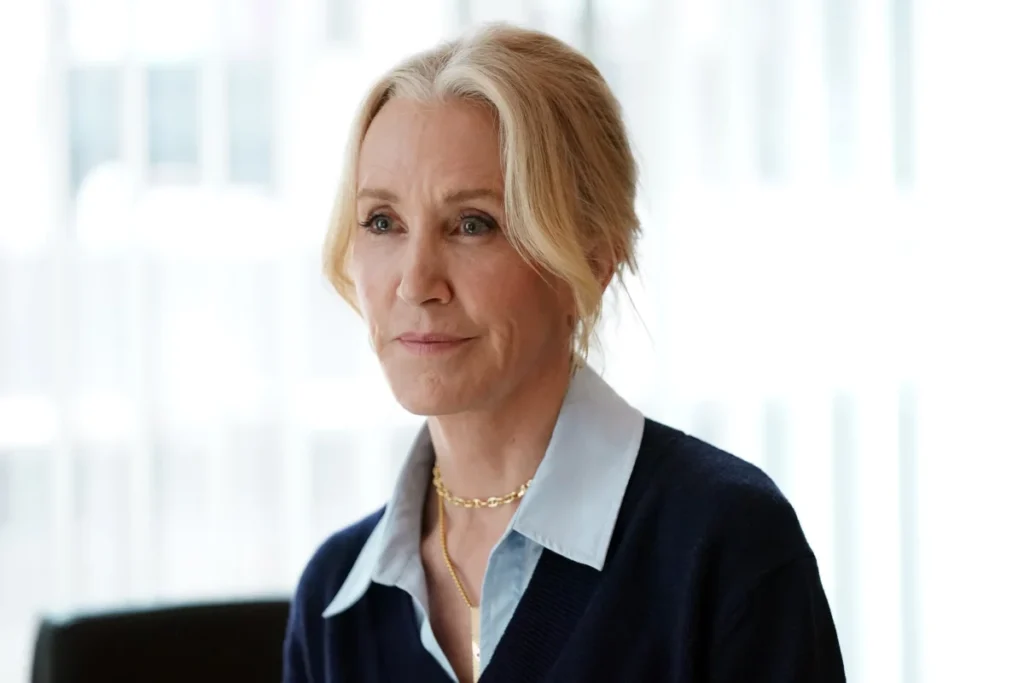
The Apple TV+ psychological thriller Imperfect Women reached its dramatic conclusion in Episode 8, providing long-awaited answers to the central mystery surrounding the death of Nancy, played by Kate Mara. After a season defined by shifting perspectives, unreliable narrators, and the intricate deconstruction of female friendship, the finale stripped away the layers of deception to reveal a perpetrator close to home. While the penultimate episode positioned Nancy’s stepfather, Scott (Wilson Bethel), as the primary suspect, the finale clarified that the true killer was Howard (Corey Stoll), the husband of Nancy’s best friend, Mary (Elisabeth Moss). This revelation served as the culmination of a narrative exploring the devastating consequences of infidelity, systemic silence, and the limits of loyalty.
The Chronology of the Murder and the Scott Red Herring
The series utilized a fragmented timeline to maintain suspense, but the finale finally synthesized the events of the night Nancy died. It was revealed that Nancy had been engaged in a clandestine affair with Howard, a relationship that had reached a breaking point. Threatened by Howard’s volatility and his ultimatum to expose their affair to Mary, Nancy sought protection from Scott. Despite a traumatic history with her stepfather—rooted in childhood abuse that had long cast a shadow over her adult life—Nancy reached out to him in a moment of desperation, hoping he would intimidate Howard into silence.
The chronological reconstruction of the crime showed that when Scott arrived at the designated meeting spot armed with a firearm, he was already too late. Howard had already committed the act of murder during a heated confrontation. Scott witnessed Howard dragging Nancy’s lifeless body away, a sight that explains his subsequent suspicious behavior and his status as a person of interest in the police investigation. This narrative pivot recontextualized Scott not as the primary antagonist of the present timeline, but as a witness burdened by his own past transgressions and a misplaced sense of duty toward the woman he had previously victimized.
The Violent Confrontation and the Fate of Howard
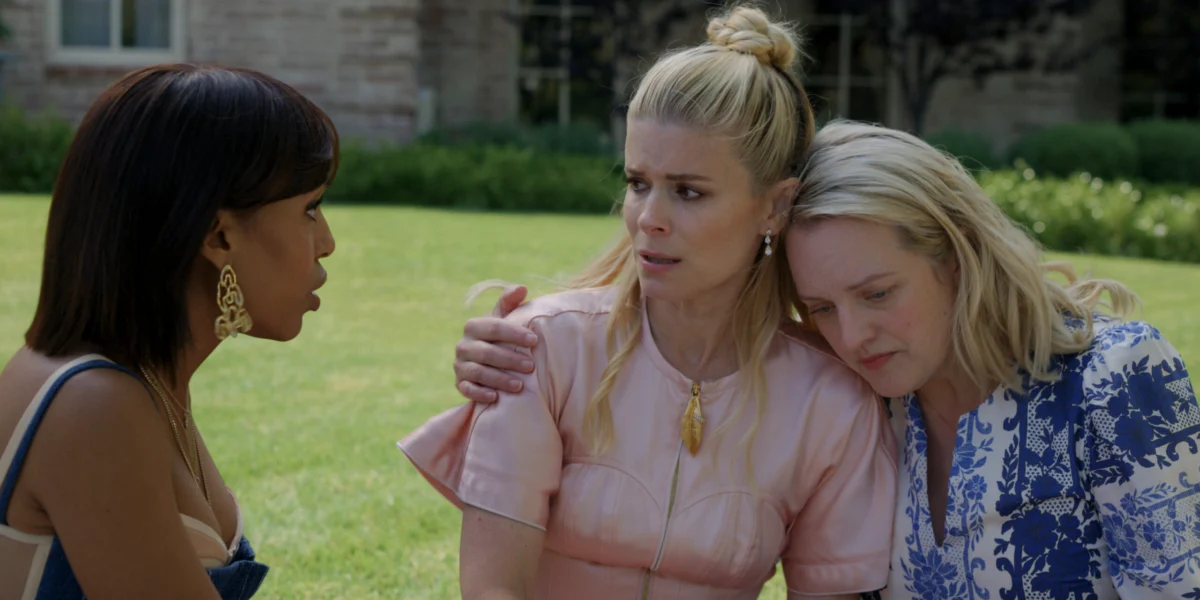
The tension of the finale escalated as Howard’s desperation turned toward his own wife. Realizing that Mary and Eleanor (Kerry Washington) were closing in on the truth of his involvement in Nancy’s disappearance, Howard attempted to eliminate the threat posed by Mary. The ensuing physical struggle served as a visceral climax to the season’s exploration of domestic betrayal.
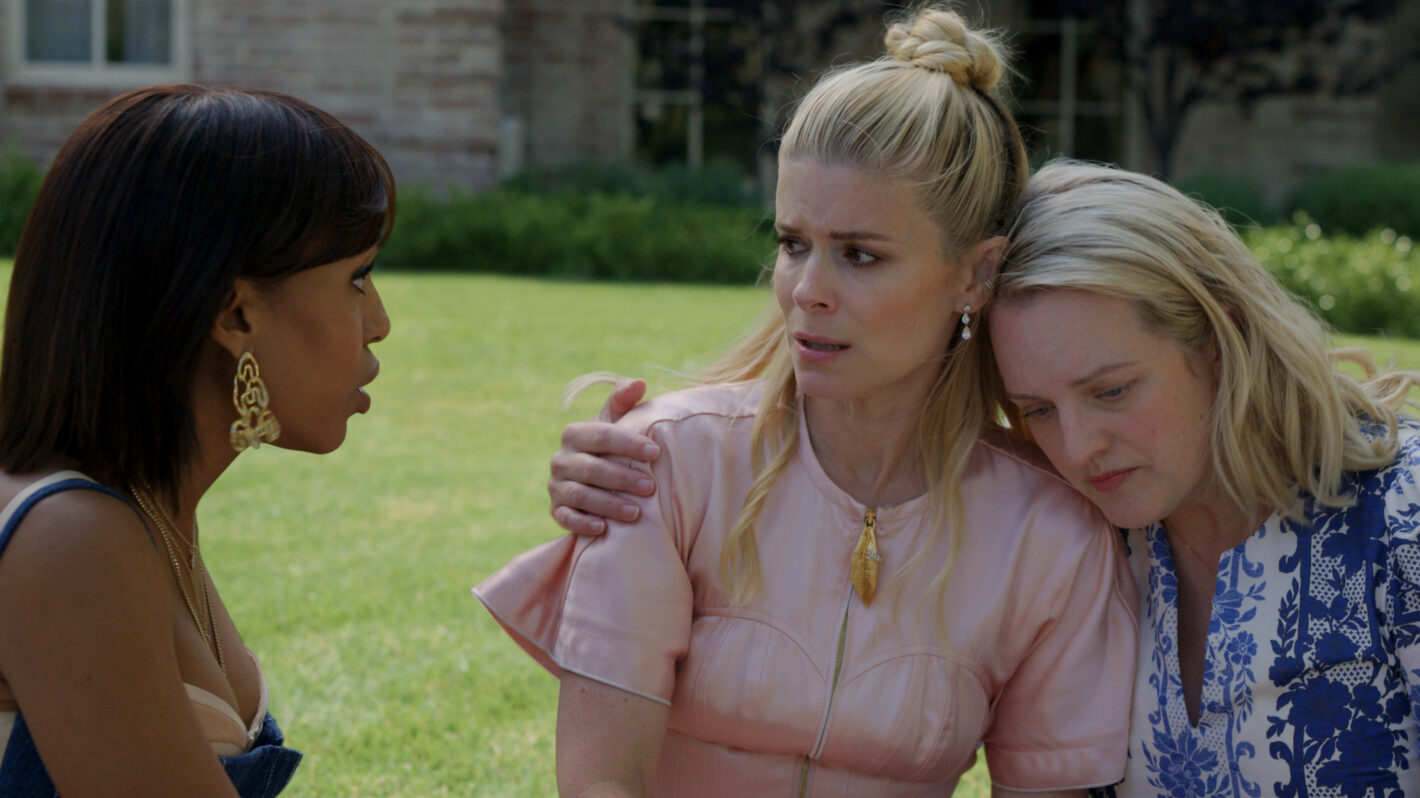
The intervention of Eleanor proved decisive; she utilized her vehicle to strike Howard, providing Mary with the opening to deliver a fatal blow. The death of Howard at the hands of the two women he had deceived offered a dark resolution to the season’s central conflict. This sequence underscored the show’s recurring theme of "imperfect" women taking extreme measures to survive the machinations of the men in their lives. According to series creator Annie Weisman, the violence of this encounter was intended to reflect the breaking point of characters who had been pushed to the edge by secrets and psychological manipulation.
A One-Year Leap and the New Status Quo
The narrative concluded with a one-year flash-forward, offering a glimpse into the divergent paths of the surviving protagonists. Eleanor was depicted living a life of apparent luxury and peace on a yacht, accompanied by a new romantic interest. This transition suggested a clean break from the trauma of the preceding year, though dialogue from Kerry Washington indicates that the character remains haunted by her decision not to accompany Nancy on the night of her death. Washington noted that Eleanor is "making peace" with the past, but the process of healing remains ongoing.
In contrast, Mary remained in the familiar setting of her community, celebrating her daughter Juniper’s birthday. The finale confirmed that Mary had regained custody of her children and had successfully addressed her dependence on prescription medication—a struggle that had been exacerbated by the fact that she was consistently disbelieved and gaslit by those around her. Annie Weisman emphasized that Mary’s recovery was tied to the validation of her story; once she was "respected and believed," the psychological need for escape through pills diminished.
The Mystery of the Final Look Between Mary and Robert
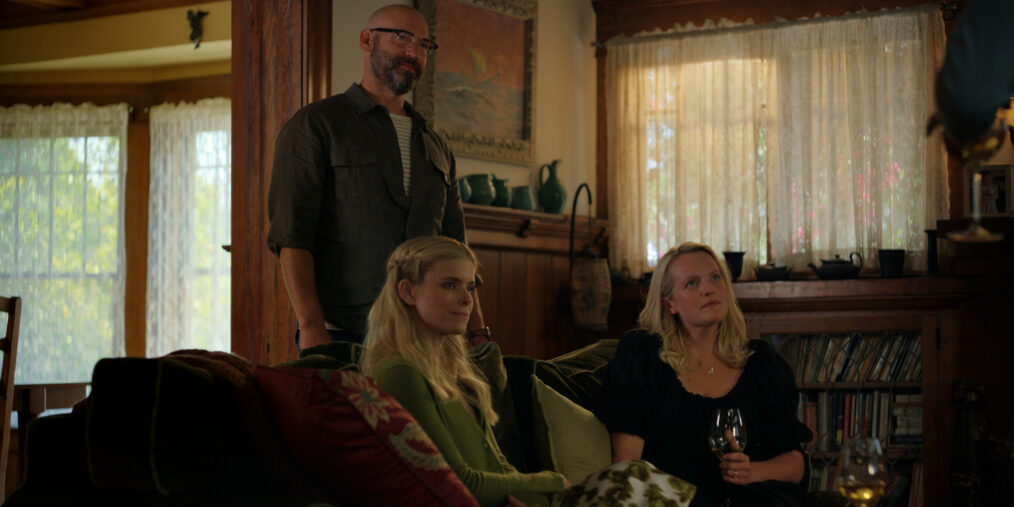
The most discussed moment of the finale occurred during the final seconds of the episode. As Mary celebrated her daughter’s birthday, Nancy’s widower, Robert (Joel Kinnaman), was the person who brought out the birthday cake. The series ended on a lingering, ambiguous look between Mary and Robert, suggesting a level of intimacy or shared understanding that had not been explicitly defined.
Elisabeth Moss addressed this ambiguity in post-finale interviews, stating that the production team purposefully avoided providing a definitive answer. The intention was to leave the audience questioning the nature of their relationship. While some viewers interpreted the scene as the beginning of a romantic entanglement, others saw it as a bond forged in shared grief and the unique honesty Mary had displayed toward Robert earlier in the season. Joel Kinnaman suggested that Robert, a character struggling to rebuild his identity after the dual trauma of betrayal and loss, might be drawn to someone as "assured" as Mary.
Thematic Analysis of Betrayal and Forgiveness
At its core, Imperfect Women functioned as a study of the fragility of long-term relationships. The revelation that Howard and Nancy’s affair was driven by what Howard perceived as "romantic fervor" or a "pure act of passion" highlighted the delusional justifications often used by perpetrators of domestic betrayal. Corey Stoll noted that his character did not intend to kill Nancy when they met that night; rather, he believed they were "running off together," viewing their illicit relationship through the lens of tragic literature.
The show also explored the possibility of reconciliation in the face of infidelity. Annie Weisman raised the poignant question of whether Robert and Nancy would have remained together had she survived. Weisman suggested that Robert would have been capable of forgiveness, viewing their mutual "f**king each other over" as the unfortunate byproduct of a twenty-year marriage. This perspective adds a layer of tragedy to Nancy’s death, framing it not as an inevitability, but as the interruption of a potentially reparable life.
Supporting Data and Production Context
Imperfect Women arrived on Apple TV+ during a period of sustained interest in the "domestic noir" genre, joining the ranks of high-profile adaptations like Big Little Lies and The Undoing. The series is based on the acclaimed novel by Araminta Hall, which was praised for its sharp critique of societal expectations placed upon women.
The production brought together a powerhouse trio of actresses—Moss, Washington, and Mara—all of whom also served as executive producers. This creative control allowed for a nuanced exploration of the "imperfections" mentioned in the title. The show’s performance metrics on streaming platforms indicated a strong viewership among demographics drawn to character-driven psychological dramas. Critics have noted that the series succeeded in subverting typical "missing woman" tropes by focusing less on the mechanics of the crime and more on the psychological fallout for those left behind.
Official Responses and Potential for Season 2
While the primary mystery of Nancy’s death has been resolved, the cast and crew have expressed openness to continuing the story. The unresolved nature of the Mary-Robert connection and the "gentle boundaries" now existing between Mary and Eleanor provide a foundation for future narrative exploration. Kerry Washington highlighted that the friendship between Mary and Eleanor has evolved into something more complicated than their college-era bond, noting that "nobody’s ever going to return to a relationship from 25 years ago."
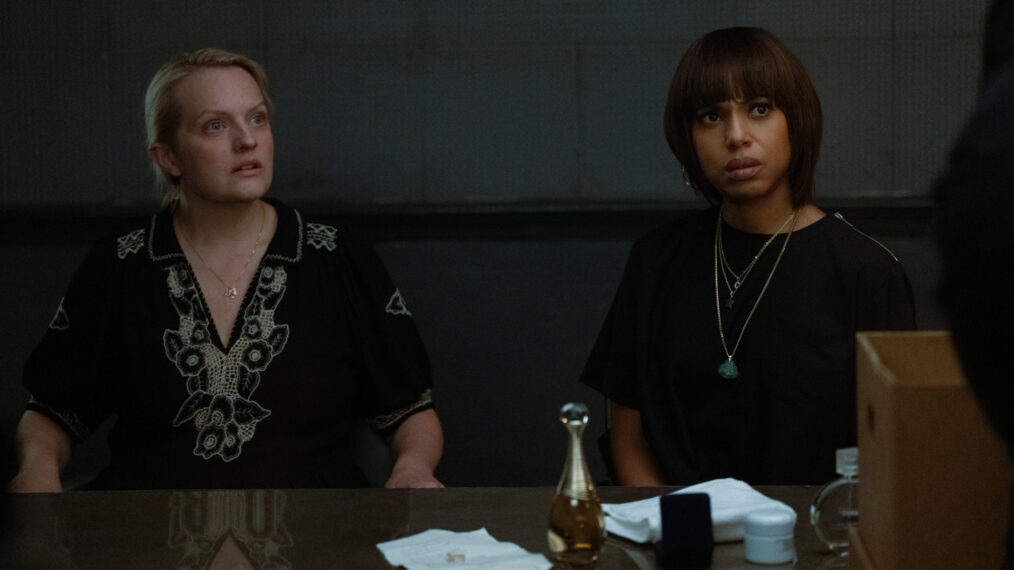
Elisabeth Moss echoed this sentiment, suggesting that a second season would be necessary to fully explain the "mysterious look" that ended the series. As of now, Apple TV+ has not officially renewed the series, but the creative team has left the door open for a continuation that would delve into the long-term consequences of the finale’s events.
Broader Impact and Implications
The finale of Imperfect Women serves as a commentary on the importance of female agency and the systemic failures that often lead to domestic tragedies. By centering Mary’s recovery on the act of being believed, the show aligns itself with contemporary discourse surrounding trauma and validation. The "imperfect" nature of the protagonists—their secrets, their addictions, and their capacity for violence—challenges the traditional "victim" narrative, presenting a more complex and human portrayal of survival.
As the television landscape continues to favor limited series with the potential for expansion, Imperfect Women stands as a significant entry in the psychological thriller genre. It effectively balances the "whodunit" satisfaction of a murder mystery with the "whydunit" depth of a character study, leaving its audience with a resolution that is both final in its facts and haunting in its emotional ambiguity. The legacy of Nancy’s death continues to ripple through the lives of the survivors, ensuring that while the case may be closed, the story of these women remains far from over.