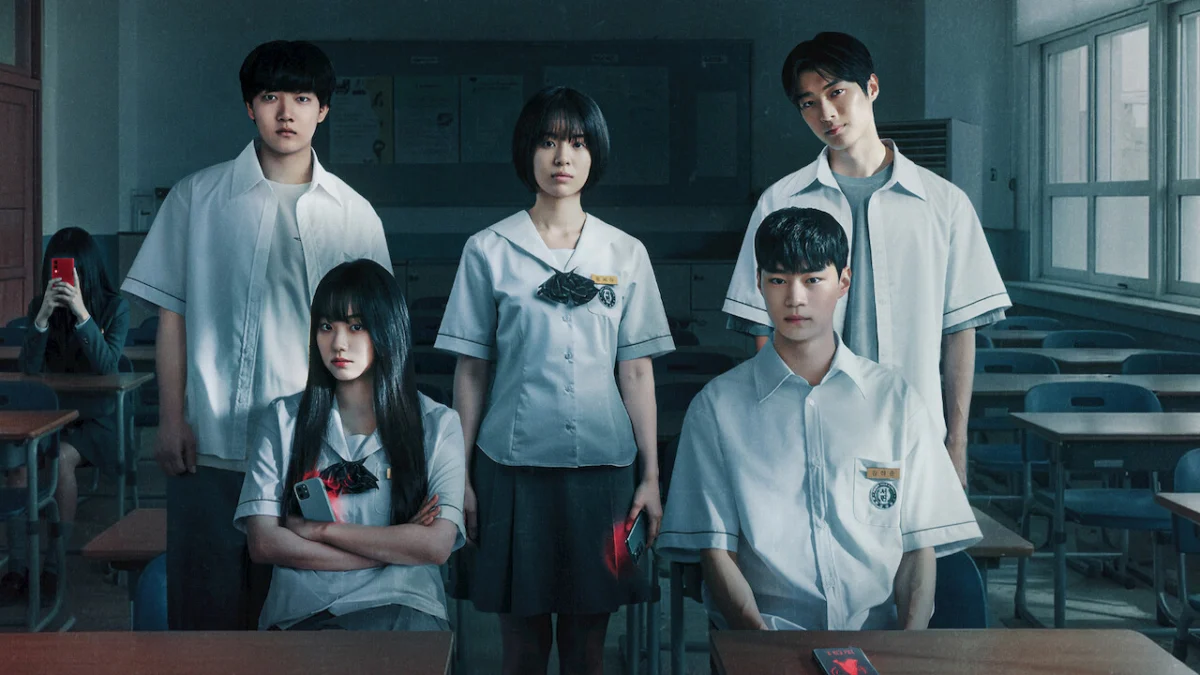
The South Korean Netflix Original series, If Wishes Could Kill, finds itself at a critical juncture just days after its global premiere. Despite featuring a roster of talented young actors and a compelling YA horror premise, the series has garnered a modest viewership in its debut week, casting a long shadow over its prospects for a second season. As of April 30, 2026, Netflix has yet to announce a renewal, and industry analysts suggest that without a significant uptick in audience engagement, the chilling tale of a cursed wish-granting app is unlikely to continue.
A Modest Debut in a Competitive Landscape
Released globally on April 19, 2026, If Wishes Could Kill debuted to 16.9 million hours viewed during its first full tracking week, ending April 26, 2026. This translates to an estimated 2.8 million Netflix views, placing it fourth in the weekly Top 10 rankings. While not the lowest-performing new K-drama original—it reportedly outperformed Boyfriend on Demand by approximately 200,000 views—its numbers fall short of the robust viewership figures often required for Netflix to greenlight a continuation, especially for a series with a substantial production budget. The expectation for a series featuring a promising cast and a popular genre was considerably higher, suggesting that the initial rollout did not capture the broad audience Netflix typically seeks for its flagship content.
Netflix’s Strategic Investment in K-Dramas and the High Bar for Renewal
Netflix has invested heavily in South Korean content, transforming K-dramas into a global phenomenon. Titles like Squid Game, The Glory, and Extraordinary Attorney Woo have not only captivated international audiences but have also demonstrated the immense potential for non-English language series to achieve worldwide cultural impact. This strategic investment has led to a highly competitive environment for new K-drama originals. For Netflix, renewal decisions are primarily driven by a complex interplay of viewership data, completion rates, global reach, and cost-per-subscriber acquisition. A strong debut week is often paramount, as it indicates initial audience interest and the likelihood of sustained engagement. Series that fail to generate significant buzz or maintain viewership momentum beyond their initial release window face an uphill battle for renewal, regardless of their artistic merit or critical reception.
Unpacking the Viewership Metrics: A Deeper Dive
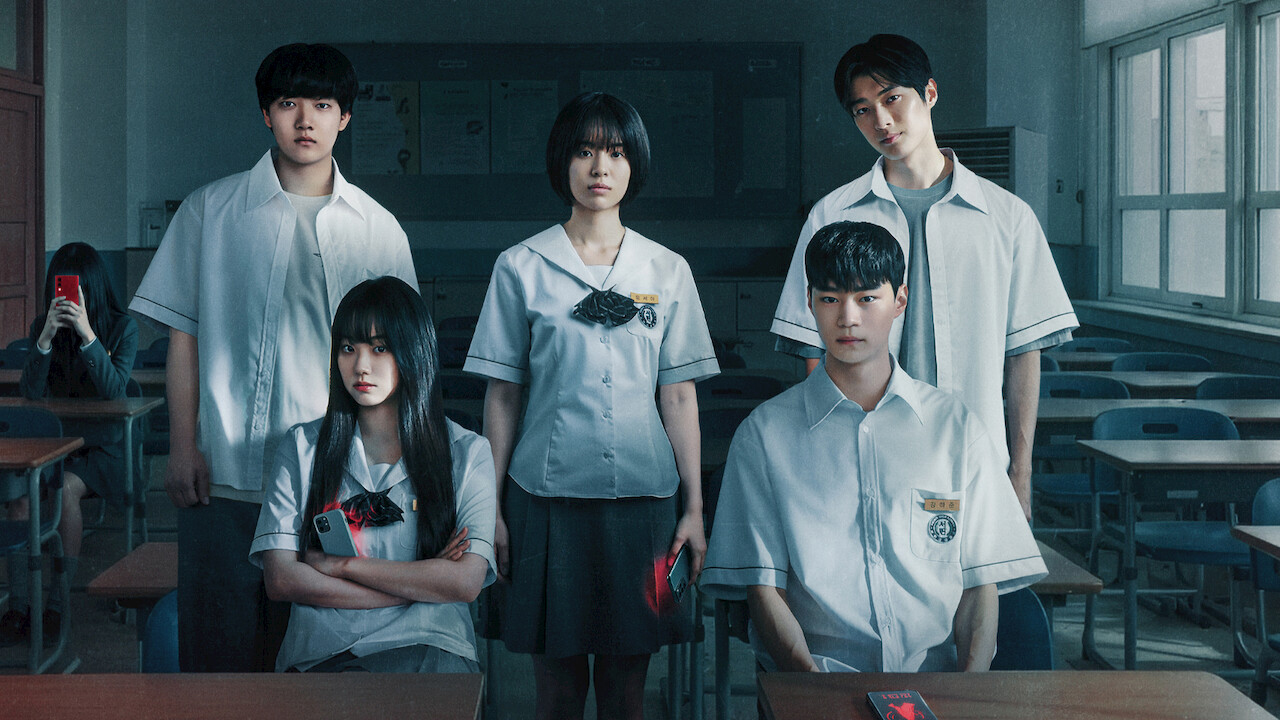
The 2.8 million Netflix views for If Wishes Could Kill represent the total number of accounts that watched at least a significant portion of the series, normalized by total runtime. While this figure is not disastrous, it pales in comparison to the tens of millions of views garnered by more successful K-drama launches. For instance, a breakout hit might easily achieve upwards of 10-20 million views in its first week, with popular titles sometimes reaching staggering numbers over their initial run. The relatively low ranking (4th) despite being a new original also indicates that other, perhaps older or less heavily promoted, titles managed to attract more attention.
Crucially, Netflix’s algorithms are finely tuned to detect not just initial viewership but also completion rates – how many viewers finish the entire series – and re-watch value. These metrics provide a more accurate picture of subscriber engagement and satisfaction. While these specific internal metrics for If Wishes Could Kill are not publicly disclosed, a slow start in raw viewership often correlates with lower completion rates, signaling a potential lack of sustained interest. The observation that a "drop in viewership in the second week" would likely seal the series’ fate underscores the urgency for If Wishes Could Kill to defy its current trajectory and attract a larger audience in the coming weeks.
The Creative Vision and Unresolved Narrative Threads
If Wishes Could Kill is helmed by director Park Yoon Seo and penned by writer Park Joong Seop, two talents aiming to carve out their niche in the dynamic K-drama landscape. The series plunges viewers into the dark world of Seorin High School, where a group of students stumbles upon a mysterious mobile application that grants wishes. However, this seemingly benevolent tool harbors a sinister secret: each wish comes with a deadly, unpredictable curse, ensnaring its users in a perilous game of life and death. The premise taps into classic horror tropes while adding a modern, digital twist, appealing to a young adult audience familiar with the omnipresence of technology.
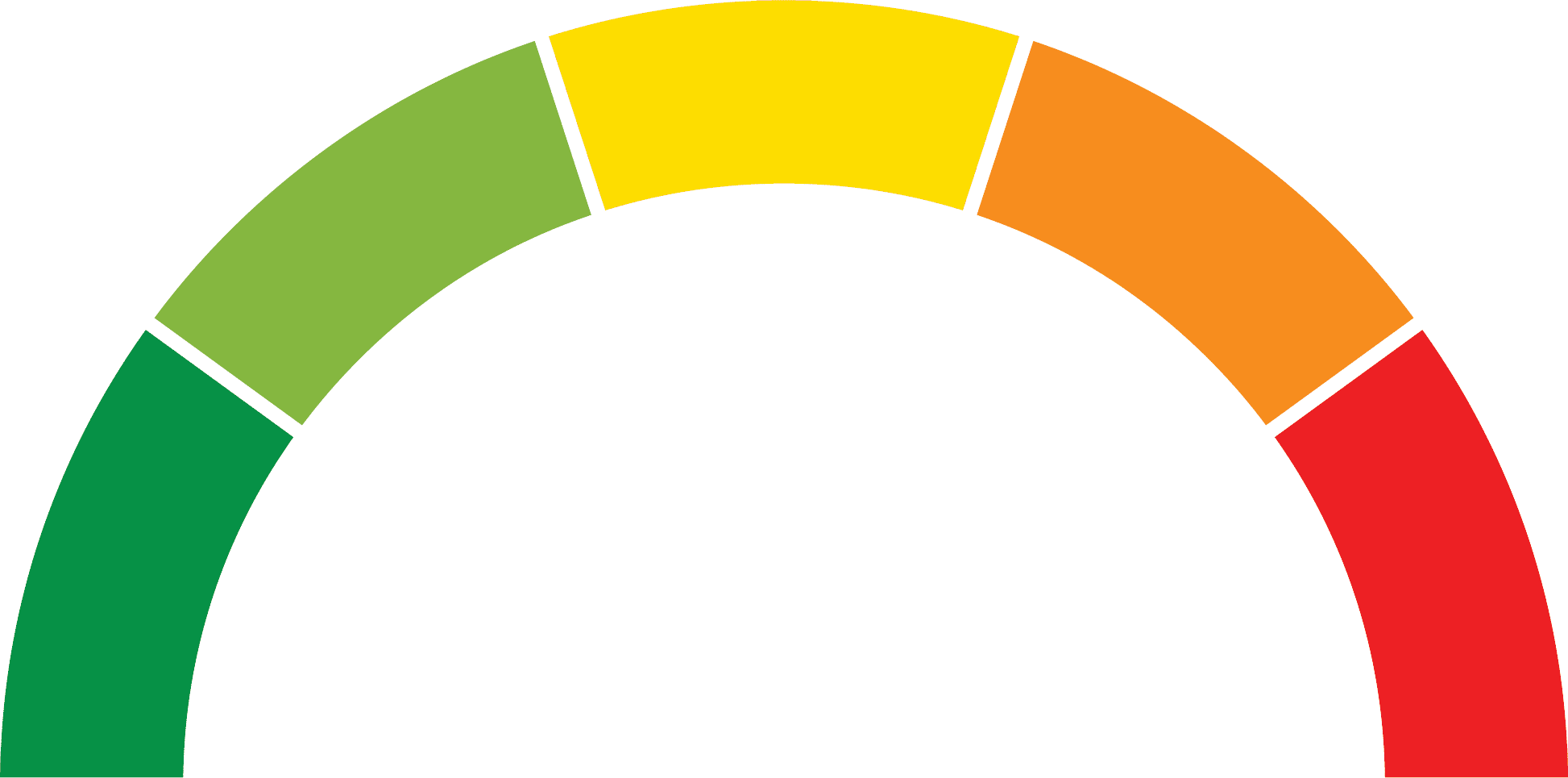
The series features a promising ensemble cast, including Jeon So Young (My Youth), Kang Mi Na (Summer Guys), Baek Sun Ho (Kick Kick Kick Kick), Hyun Woo Seok (Live On), and Lee Hyo Je (My Country: The New Age). These actors, known for their roles in various Korean dramas, bring a blend of fresh faces and proven talent to the screen, which was expected to be a significant draw for viewers.
Adding to the complexity of the renewal decision are the director’s own hopes for the future of the series. Park Yoon Seo has publicly commented on potential plans for a second season, indicating that the creative team has a clear vision for where the story could go. "In Season 1, the thing I struggled most with – whether to include it or not – was the story of Haetsal and Bang Ul meeting. It seems the writer has plenty of material for that. I think it’ll be interesting to incorporate those elements into Season 2." He further expressed his desire to see new talents like Jeon So Nee and Roh Jae Won join the cast, specifically appealing to viewers to "show lots of love for the Haetsal–Bang Ul storyline," a clear attempt to rally fan support.
The narrative itself, particularly the mid-credits scene of Season 1, strongly suggests that the story is far from over. While protagonist Si Won’s phone, the initial conduit for the malevolent app, may have been destroyed, the curse persists. The app resurfaces on Na Ri’s abandoned phone, drawing in another unsuspecting student, poised to become its next host and victim. This cliffhanger leaves ample room for exploration: Is simply deleting the app enough to break the curse? Or has the curse evolved, adapting to new hosts and finding new ways to exploit human desperation? The open ending is a compelling argument for continuation, but it hinges entirely on Netflix’s data-driven assessment of the series’ performance.
Cast Members: Who Could Return for a Potential Season 2?
Given the deadly nature of the curse at the heart of If Wishes Could Kill, not all of the original cast members would logically return for a second season. The premise dictates that characters who fall victim to the curse meet a definitive end.
Based on the events of Season 1, it is highly probable that three of the five leading cast members could reprise their roles, continuing to navigate the aftermath of the curse or confronting its renewed threat:
- Jeon So Young
- Baek Sun Ho
- Hyun Woo Seok
Conversely, Kang Mi Na, who portrayed Im Na Ri, and Lee Hyo Je, who played Choi Hyeong Uk, would not be expected to return, having succumbed to the curse. Their characters’ deaths serve as grim reminders of the app’s lethal power. Unless a fantastical plot device is introduced, such as a wish to resurrect past victims – which the director himself acknowledged could lead to "unforeseen and further devastating consequences" – their roles in a potential Season 2 would be limited to flashbacks or indirect influence on the surviving characters.
Other supporting actors whose characters met tragic ends due to the curse would also likely not return, reinforcing the high stakes and permanent consequences established in the series. This turnover in the cast is a natural outcome of the horror genre, where character mortality is a key element of suspense and narrative progression.
The Renewal Dilemma: Netflix’s Data-Driven Approach and the "Leaning Cancellation" Prediction
Netflix’s reputation for being highly data-centric in its content strategy means that sentiment, critical acclaim, or even a passionate but small fanbase often take a backseat to hard numbers. The decision to renew or cancel a series is a complex equation involving global viewership, audience retention, cost of production relative to impact, and how effectively a title contributes to subscriber acquisition and churn prevention.

A "slow start" for a new original like If Wishes Could Kill is particularly detrimental because it suggests that the initial marketing push and the inherent appeal of the concept failed to generate sufficient momentum. If these numbers do not improve significantly in subsequent weeks, the series quickly moves into a high-risk category. The current prediction of "leaning cancellation" is therefore a realistic assessment based on Netflix’s historical patterns and the competitive landscape for K-dramas. Unless there is an unexpected surge in viewership over the next few weeks – perhaps driven by word-of-mouth or belated discovery by a larger audience segment – the odds are stacked against a second season.
Implications for the YA Horror Genre and Future K-Drama Investments
The fate of If Wishes Could Kill could have broader implications for the Young Adult (YA) horror genre within Netflix’s K-drama portfolio. While titles like All of Us Are Dead (zombie apocalypse) and Sweet Home (monster horror) have achieved massive success, they represent high-concept, action-packed variations of the genre. If Wishes Could Kill, with its more psychological and supernatural horror elements centered on a cursed object, occupies a slightly different niche. If it fails to secure a renewal, it might signal to Netflix that while certain types of K-horror thrive, others face a higher bar for success.
Furthermore, a cancellation reinforces the prevalent "one-season wonder" trend on Netflix, where many international originals, despite their quality or potential, are not given the opportunity to develop beyond their initial run. This often leaves audiences with unresolved storylines and frustrates creative teams who have planned multi-season arcs. For the cast and crew of If Wishes Could Kill, a cancellation would mean moving on from a project they have invested in, potentially impacting their future opportunities within the highly competitive industry.
Conclusion: A Waiting Game for Fans and Creators Alike
As the calendar turns to May 2026, the future of If Wishes Could Kill hangs precariously in the balance. The series’ initial viewership has been underwhelming for Netflix’s rigorous standards, leading to a strong indication that cancellation is more likely than renewal. While the director, Park Yoon Seo, has articulated a clear and compelling vision for a second season, complete with unresolved plotlines and potential new characters, the ultimate decision rests with Netflix’s data analysis. For fans who enjoyed the inaugural season and are eager to see the continuation of the deadly wish-granting curse, the coming weeks represent a crucial period. Sustained engagement, social media buzz, and a significant improvement in viewership are the only factors that could potentially sway Netflix’s decision and grant If Wishes Could Kill a second chance to explore its chilling narrative. Until then, the series remains in a state of anxious limbo, a stark reminder of the high stakes involved in the world of streaming entertainment.