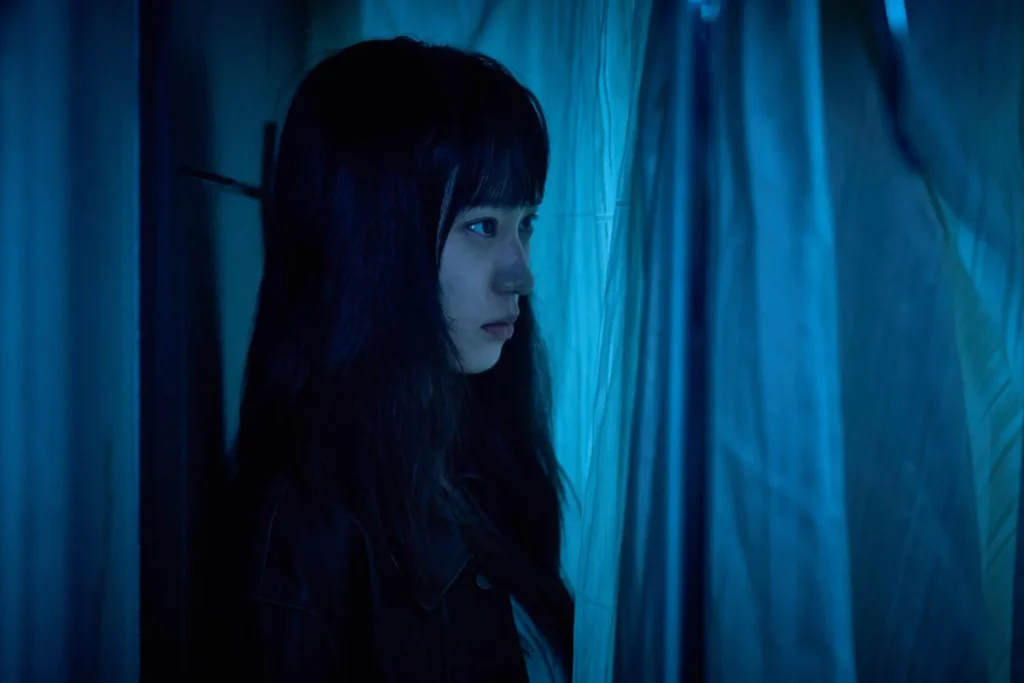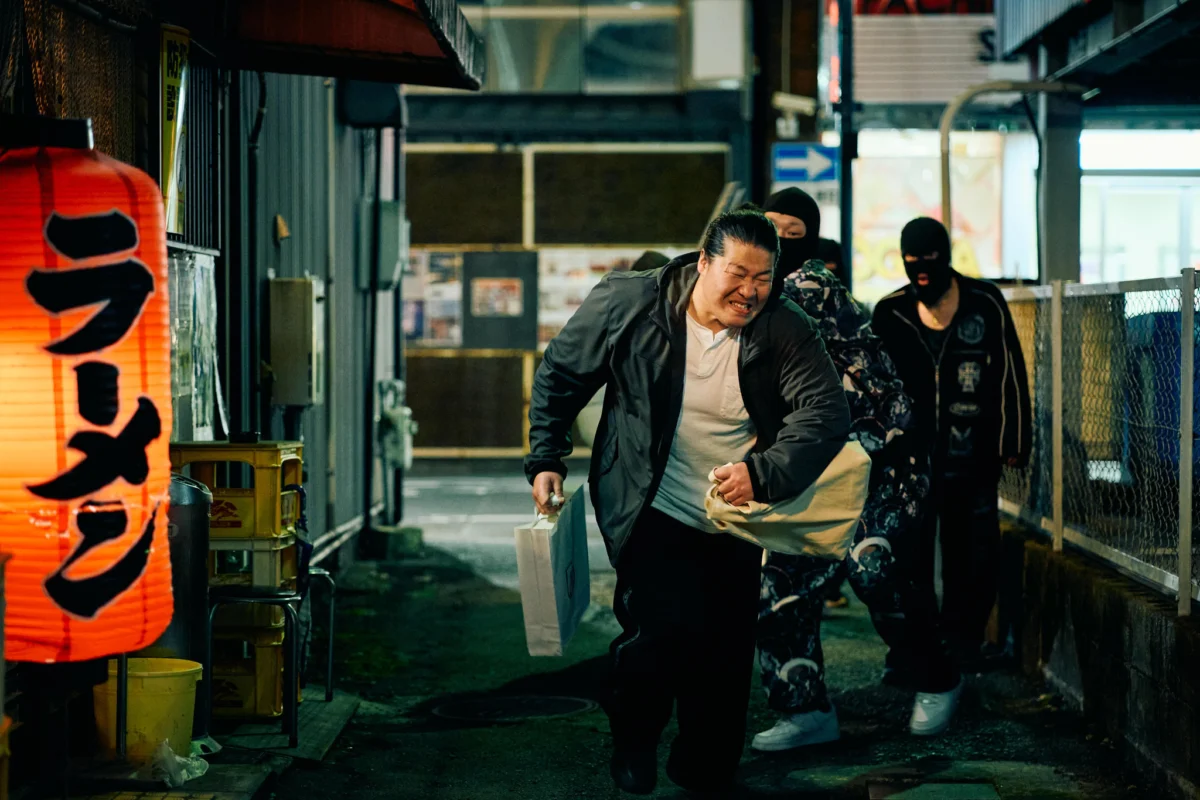
Keisuke Yoshida, a filmmaker renowned for his penetrating gaze into the lives of individuals inhabiting the fringes of society, returns with "Unchained," a compelling and morally complex drama that had its world premiere at the prestigious Udine Far East Film Festival. The film delves into the deeply unsettling subjects of bullying and young offenders, themes frequently explored within Japanese cinema, yet Yoshida’s approach is distinguished by its unflinching candor and a deliberately unsettling perspective. This latest work solidifies Yoshida’s reputation as a director unafraid to challenge conventional morality and provoke profound introspection among his audience.
A Deep Dive into Societal Outcasts: Yoshida’s Signature Style
Yoshida’s filmography consistently demonstrates a profound interest in characters who are often overlooked, dismissed, or actively shunned by mainstream society. From the unsettling dynamics of Hime-Anole (2016) to the raw emotional landscape of Thicker Than Water (2018), he has masterfully crafted narratives that explore the psychological complexities of individuals grappling with difficult circumstances, internal demons, and the harsh realities of social alienation. "Unchained" continues this thematic thread, extending his exploration to the highly sensitive realm of adolescent delinquency and the contentious methods employed in their rehabilitation. His narratives rarely offer simplistic heroes or villains, instead presenting a nuanced spectrum of human behavior, often forcing viewers to confront their own preconceived notions of right and wrong. This consistent artistic vision has garnered him critical acclaim and a dedicated following, establishing him as a significant voice in contemporary Japanese cinema. The Udine Far East Film Festival, known for its discerning selection of groundbreaking Asian films, provided an ideal platform for "Unchained" to initiate its global conversation, underscoring its relevance and artistic merit.
The Narrative Core: Mirai no Sato and Nishi’s Unconventional Approach
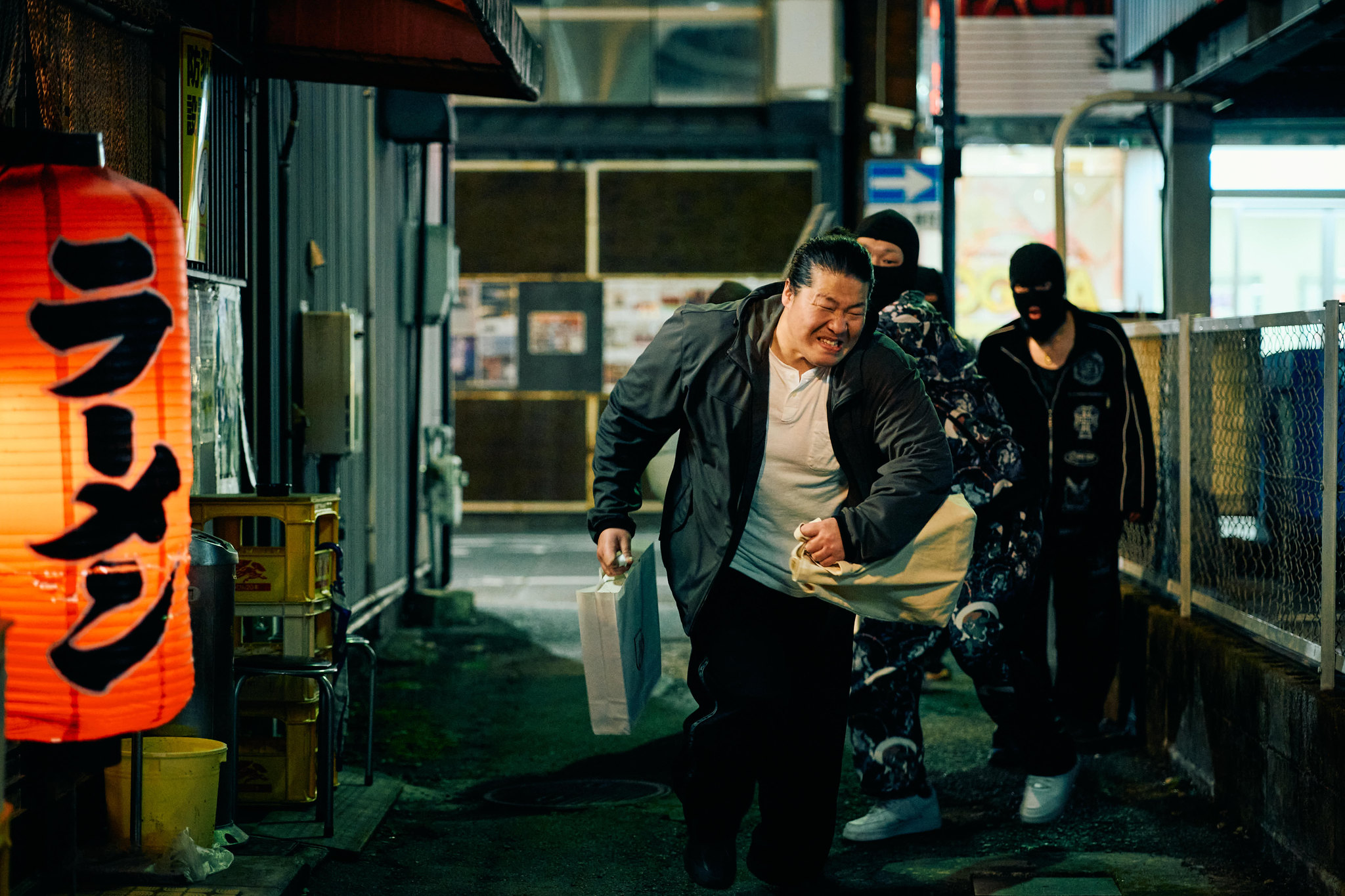
At the heart of "Unchained" lies the enigmatic figure of Nishi, portrayed with formidable intensity by Wataru Ichinose, an actor who gained wider recognition for his role as a sumo wrestler in the popular TV series "Sanctuary." Nishi, an imposing individual who could easily be mistaken for a former gang member, is in fact the head of Mirai no Sato (Village of the Future), a rehabilitation center dedicated to troubled adolescents. His past is marked by violent offenses and a stint in prison, yet he now stands as a fervent believer in the transformative power of change.
Mirai no Sato operates on the conviction that young offenders can be re-educated through a structured regimen of teamwork and practical activities such as farming and carpentry. However, Nishi’s methods diverge sharply from conventional rehabilitation models. In an era increasingly dominated by concerns over political correctness and non-violent intervention, Nishi unapologetically advocates for the judicious use of physical punishment. His rationale is stark: he argues that experiencing pain directly can be a crucial catalyst for these youths to genuinely comprehend the tangible consequences of their destructive actions. This controversial approach immediately positions the film within a broader societal debate regarding the efficacy and ethics of various rehabilitation strategies for young offenders, particularly those exhibiting severe behavioral issues.
Bullying and its Brutal Manifestation: The Case of Kaito
Running parallel to Nishi’s story is the plight of a schoolteacher, played by Kaho, who is profoundly distressed by one of her students, Kaito (Kohsaka Hayato). Kaito embodies a particularly virulent form of bullying, demonstrating an alarming resistance to any conventional form of discipline, dialogue, or empathetic engagement. The film paints a chilling portrait of Kaito’s character: he exhibits a profound lack of empathy, unleashing uncontrollable bursts of rage against classmates, family members, and even animals, seemingly oblivious to the suffering he inflicts. His actions are not merely mischievous but reveal a deeply disturbing psychological profile, one that challenges the audience to find any conventional point of connection or sympathy.
The teacher, witnessing Kaito’s escalating violence and the failure of traditional interventions, eventually becomes persuaded by Nishi’s public advocacy and the controversial promise of his methods. She convinces Kaito’s mother to enroll him in Mirai no Sato. Upon arrival, Kaito predictably struggles to integrate, his disruptive and aggressive behavior continuing to destabilize the fragile equilibrium of the center’s existing residents. Simultaneously, Nishi’s growing notoriety, fueled by the contentious nature of his rehabilitation philosophy, begins to attract heightened public scrutiny. As a journalist embarks on an investigation into Nishi’s past, long-buried details and unresolved questions about his own violent history inevitably resurface, threatening to unravel the very foundation of his redemptive mission.
Contextualizing Youth Crime and Rehabilitation in Japan
The themes explored in "Unchained" resonate deeply within the societal fabric of Japan. Bullying, known as ijime, remains a persistent and serious issue within the Japanese education system, frequently leading to severe psychological trauma, school refusal, and in tragic cases, suicide. According to data from the Ministry of Education, Culture, Sports, Science and Technology (MEXT), the number of reported bullying cases in elementary, junior high, and high schools has shown a concerning upward trend in recent years, highlighting the urgent need for effective interventions. While schools and educational authorities have implemented various measures, including anti-bullying policies, counseling services, and peer support programs, the problem’s pervasive nature underscores the challenges in addressing its root causes and manifestations.
Similarly, the issue of juvenile delinquency and rehabilitation has been a long-standing concern in Japan. The juvenile justice system emphasizes rehabilitation over punitive measures, with family courts playing a central role. Facilities like juvenile training schools aim to re-educate young offenders through vocational training, education, and moral guidance. However, debates persist regarding the effectiveness of these approaches, particularly for deeply troubled or repeat offenders. The film’s depiction of Nishi’s "unconventional" methods, which include physical discipline, directly challenges the prevailing pedagogical and rehabilitative philosophies in Japan, prompting a critical examination of whether stricter or more confrontational approaches might be considered for cases where traditional methods have failed. Yoshida’s film, therefore, is not merely a fictional narrative but a provocative commentary on existing social policies and their limitations.
Udine Far East Film Festival: A Gateway for Asian Cinema
The Udine Far East Film Festival (FEFF), where "Unchained" made its world premiere, holds a significant position as one of Europe’s most important showcases for Asian cinema. Founded in 1999, FEFF has consistently championed films from across Asia, introducing diverse narratives, directorial voices, and cultural perspectives to a Western audience. The festival is renowned for its eclectic programming, ranging from blockbusters to independent art-house films, and has been instrumental in launching the international careers of many Asian filmmakers. Its emphasis on audience engagement, critical discussion, and cultural exchange makes it an ideal platform for a film like "Unchained," which is designed to spark dialogue and challenge viewers. The selection of Yoshida’s film for a world premiere at Udine underscores its perceived artistic merit and its potential to resonate with an international audience grappling with similar societal issues. This premiere positions "Unchained" to garner significant attention from critics, distributors, and film enthusiasts globally.
Yoshida’s Directorial Vision: Intensity, Ambiguity, and Unintended Humor
Keisuke Yoshida’s direction in "Unchained" carries his distinctly personal and unmistakable tone—a masterful blend of intense psychological realism intertwined with an unexpected, almost accidental, sense of humor. His characters, often driven by raw emotion and simmering rage, paradoxically reveal moments of unintended comedy, creating a jarring yet compelling viewing experience. However, Yoshida is equally unafraid to portray deeply unpleasant, even repellent, characters. Kaito, in particular, emerges as a chillingly psychopathic presence, a character with whom the audience is deliberately denied any conventional invitation to empathize. This calculated refusal to offer easy emotional alignment creates a constant, palpable tension throughout the film, pushing the boundaries of audience comfort.
Yoshida expertly places the viewer in an uncomfortable ethical position, where drawing clear moral boundaries becomes an increasingly difficult, if not impossible, task. Nishi himself remains an enigmatic figure, suspended between the undeniable brutality of his past and the unwavering conviction of his present mission for change. His determination is portrayed as a dual quest: he is not only striving to save the troubled youths under his care but, in a profound sense, is also attempting to redeem and save himself from the shadow of his own history. This inherent ambiguity in his motivations adds layers of complexity to his character, preventing a simplistic interpretation of his role as either hero or anti-hero.
The Irreversibility of Harm and the Burden of Guilt
A central and recurring concern that permeates "Unchained" is the profound question of the irreversibility of harm. The film repeatedly emphasizes that victims carry permanent scars, both visible and invisible, from the violence inflicted upon them. This thematic thread forces the narrative to question whether genuine repentance, no matter how sincere, can ever truly compensate for past actions. It is a question that the film deliberately leaves unresolved, keeping the audience in a state of moral unease and intellectual discomfort. Yoshida offers no clear-cut answers, mirroring the complexities of real-life ethical dilemmas.
Guilt looms large over every character in "Unchained," an ever-present, shaping force that manifests in different ways. It weighs heavily on the offenders for the damage they have inflicted, but also extends to the parents of the bullies, who are left to grapple with questions of their own responsibility for their children’s violent tendencies. Even the dedicated teacher is not immune, burdened by the uneasy awareness that the intense attention demanded by these profoundly troubled students inevitably comes at the expense of other, less problematic students. In this profound sense, the film exposes a stark societal paradox: those who inflict the most damage often command the most resources and care, while those who do not, who quietly suffer or conform, risk being overlooked and neglected. This critical observation invites viewers to reflect on the allocation of social resources and the inherent biases within systems designed to address behavioral issues.
Performances That Anchor a Challenging Narrative
The performances in "Unchained" are consistently strong and integral to the film’s powerful impact. Wataru Ichinose, as Nishi, delivers an impressive and unforgettable central performance. His presence is striking not merely due to his commanding physicality, but more significantly, because of the intense conviction and unwavering force of will he imbues in the character. He embodies Nishi’s complex blend of past violence and present resolve with compelling authenticity.
Opposite him, the young newcomer Hayato Kohsaka provides a chillingly effective counterpoint as Kaito. Kohsaka’s portrayal is unsettling and disturbing, capturing the essence of a character devoid of the innocence or hope typically associated with his age. His ability to convey such profound emptiness and unbridled rage makes Kaito an exceptionally disturbing and impactful figure within the narrative, defying easy categorization. Kaho, as the troubled schoolteacher, delivers a nuanced performance, balancing a palpable fragility and emotional vulnerability with a stern and unwavering refusal to surrender to despair, effectively conveying the immense emotional toll of her profession. These compelling performances are crucial in allowing the film to explore its difficult themes without descending into melodrama or caricature.
A Glimmer of Hope and an Ambiguous Future
Despite the pervasive darkness and moral ambiguity that characterize much of its runtime, "Unchained" ultimately allows for a small, fragile measure of hope. For extended periods, the audience is kept in a state of anxious anticipation, waiting for a breakthrough or a moment of genuine change that is repeatedly disrupted by setbacks and regressions. This faint sense of resolution, when it finally arrives, is delivered discreetly and subtly. The film demonstrates astute judgment by concluding at precisely the right moment, refraining from overextending its narrative or explicitly detailing what the future might hold for its characters. Instead, it leaves the future open to interpretation, fostering continued contemplation.
The name "Mirai no Sato" translates to "village of the future," yet the notion of this future within the film remains pointedly ambiguous. Yoshida’s refusal to provide a definitive happy ending or a clear path forward reinforces the film’s core message: that issues of responsibility, guilt, and the possibility of genuine change are rarely straightforward. The film serves as a powerful reminder that redemption is a journey fraught with immense difficulty, marked by relapses and uncertain outcomes.
Broader Implications and Lasting Resonance
"Unchained" is poised to spark significant critical discussion and public debate, particularly in Japan, regarding the efficacy of current youth rehabilitation programs and the societal response to severe bullying. Its unflinching portrayal of violence and the controversial methods of Nishi challenge audiences to confront uncomfortable truths about human nature and the limits of conventional compassion. The film’s exploration of the paradox of care—where those who cause the most harm often receive the most attention—is a poignant commentary on social priorities.
Keisuke Yoshida delivers another emotionally charged and critically incisive portrait of society, anchored by an unforgettable and eccentric lead character. "Unchained" stands as a morally complex work that offers no simplistic answers, but rather poses profound and lingering questions on issues of responsibility, guilt, the long shadow of past actions, and the enduring, yet elusive, possibility of true transformation. Its world premiere at the Udine Far East Film Festival marks the beginning of its journey to provoke thought and conversation globally, cementing Yoshida’s status as a formidable and fearless voice in contemporary cinema.