"Lower Berth," a standout episode from the second season of HBO’s seminal horror anthology Tales from the Crypt, offers a surprisingly intimate and prescient glimpse into the origins of its iconic host, the Crypt Keeper. Airing in 1990, the episode, based on Tales from the Crypt #33, dared to deviate from its typical grim narratives by exploring the backstory of its wisecracking, skeletal emcee. This bold move, a rarity for its time, foreshadowed a trend that would become commonplace in franchise storytelling: delving into the genesis of beloved or notorious characters.
A Subversive Foundation for a Horror Icon
Tales from the Crypt, renowned for its boundary-pushing content and star-studded collaborations, consistently pushed the envelope of anthology television. Beyond its gruesome tales and unforgettable twist endings, the series also experimented with franchise expansion through various media, including a Saturday morning game show and feature films. However, the "Lower Berth" episode stands out for its audacious narrative choice, offering a poignant origin story for the Crypt Keeper himself.
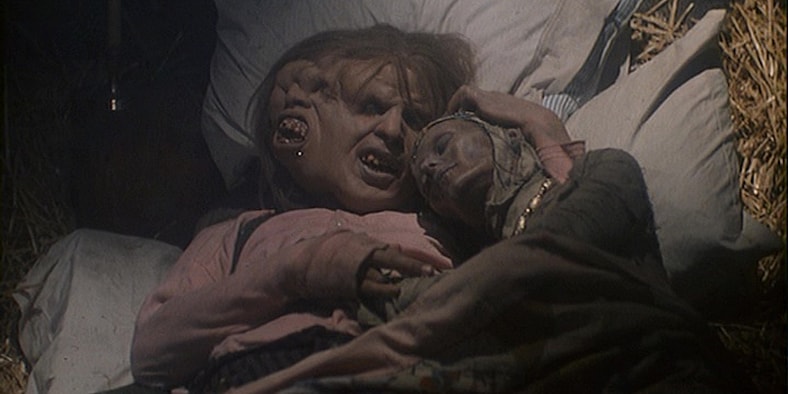
The episode centers on a tragic romance between Enoch, a two-faced sideshow attraction, and Myrna, a 4,000-year-old mummy. Trapped and exploited, these characters find solace and community in each other’s company, a departure from the typical malice that permeates the Tales from the Crypt universe. Written by Fred Dekker and directed by Kevin Yagher, the narrative draws parallels to classic films like Freaks and The Elephant Man, infused with the moralistic undertones characteristic of the series.
The Unexpected Genesis of the Crypt Keeper
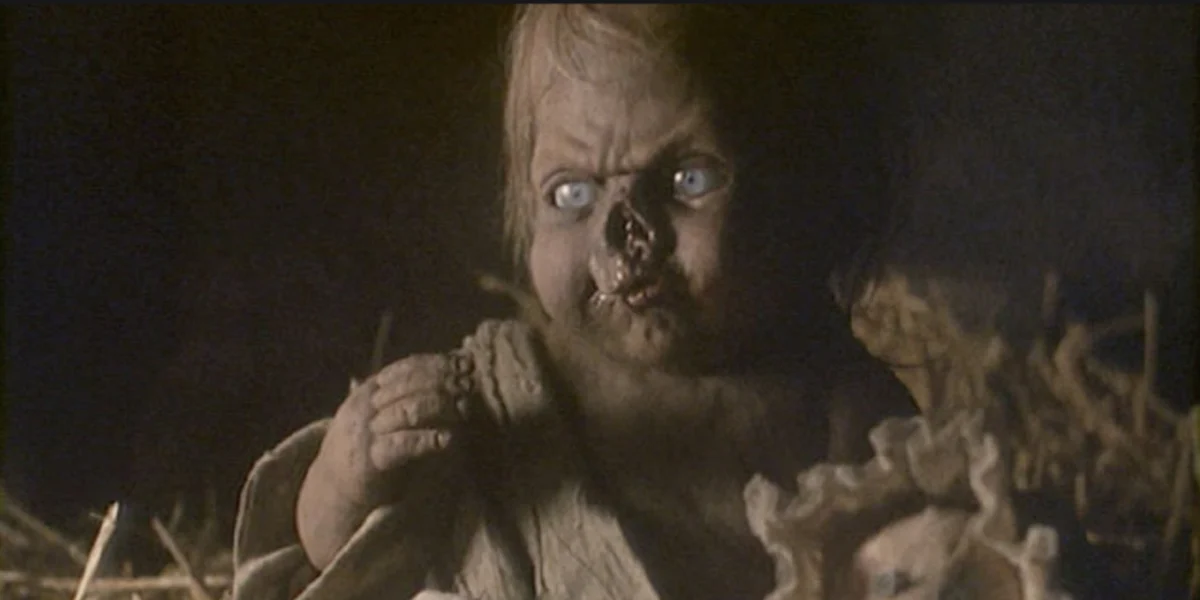
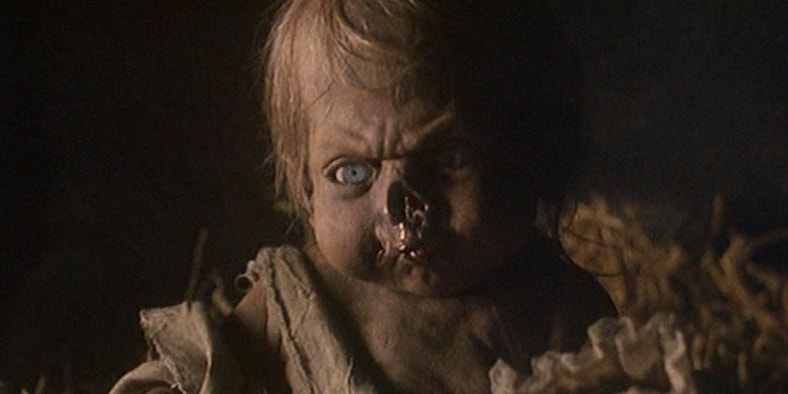
While the episode provides a bittersweet resolution for Enoch and Myrna, allowing them to escape their captivity, its true impact lies in its final revelation. Their newfound freedom leads to the birth of a child, a baby who bears a striking resemblance to the familiar visage of the Crypt Keeper. "Lower Berth" thus functions as a clandestine origin story, an exploration of the unconventional "meet-cute" that birthed the franchise’s immortal host.
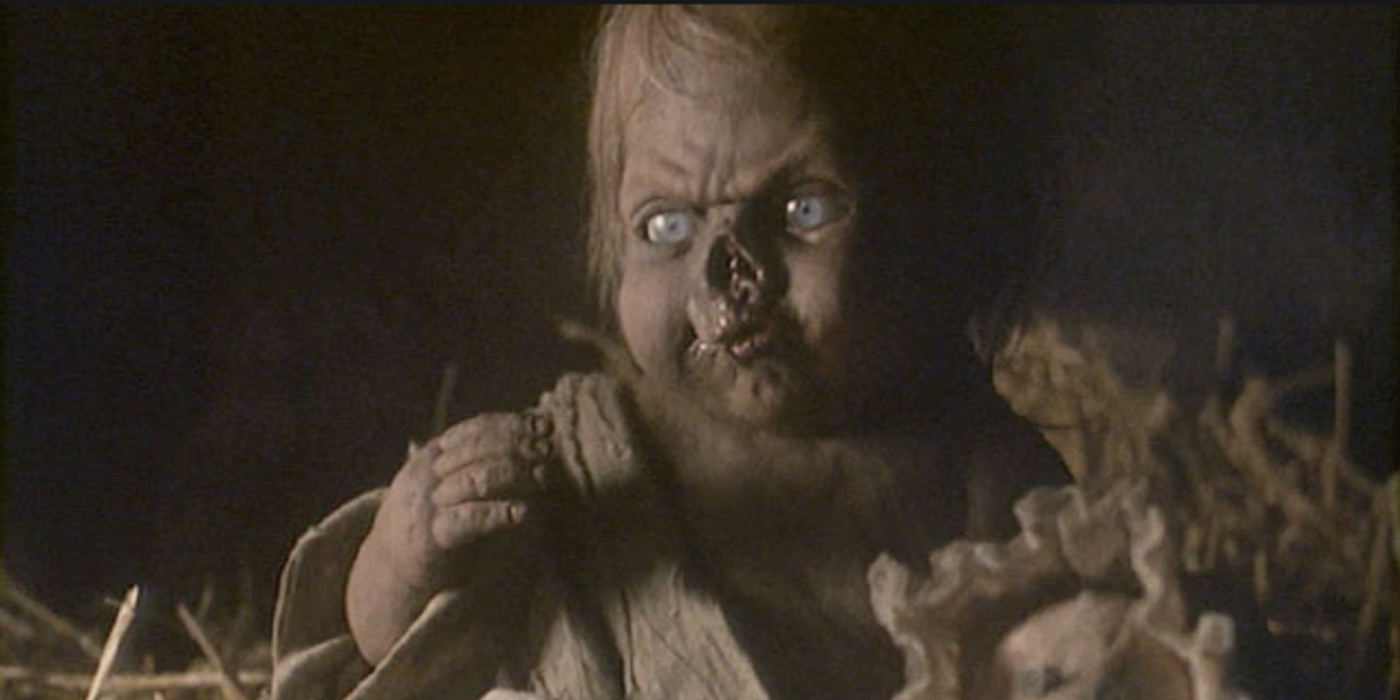
This peculiar narrative choice, which imbues a character known for his over-the-top persona with a personal history, feels remarkably modern. In the 1990s, such deep dives into character origins were less common, especially within the context of an anthology series. Tales from the Crypt demonstrated an early understanding of world-building and canon development, an approach that would later become standard practice for major entertainment franchises.
A Visionary Debut and Special Effects Synergy
"Lower Berth" also marks the directorial debut of Kevin Yagher, a visionary special effects artist celebrated for his contributions to the horror genre. Yagher is credited with creating the iconic Crypt Keeper puppet and also designed Freddy Krueger’s makeup for A Nightmare on Elm Street 2 and the Chucky doll for Child’s Play. His work on Hellraiser further solidified his reputation as a master of creature design.
Notably, Yagher incorporated elements from his previous work into the Crypt Keeper’s design. The eyes of the Baby Crypt Keeper were sourced from the same Good Guy doll used in Child’s Play, a detail that was later integrated into the adult Crypt Keeper puppet. This creative reuse not only links these iconic characters but also underscores the seamless integration of practical effects and narrative within the Tales from the Crypt production. The idea of a literal piece of Chucky residing within the Crypt Keeper adds a layer of meta-humor appreciated by genre aficionados.
The Unveiling of the Twist: A Marketing Tool and Narrative Device
The surprising nature of "Lower Berth"’s twist was a significant aspect of its appeal. Intriguingly, the episode’s description on the Tales from the Crypt DVD set directly revealed the core of the twist: "Lullaby and good fright with this revealing story of the Crypt Keeper’s birth. It’s a tale from the crib!" This marketing approach treated the origin story not as a spoiler to be guarded, but as a compelling hook to draw viewers into the episode.
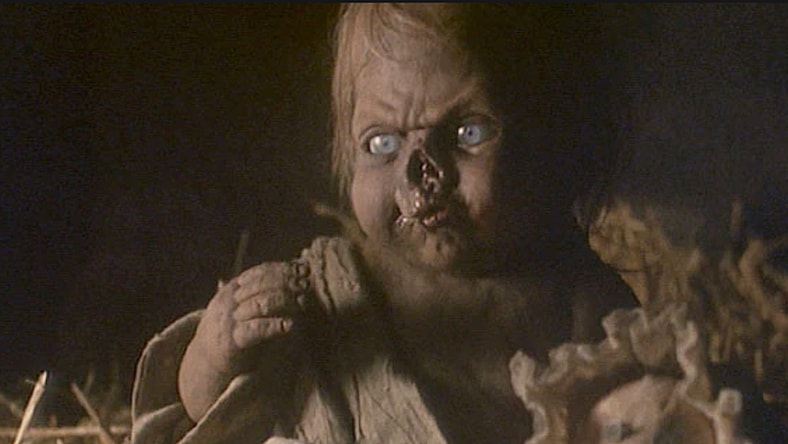
The Crypt Keeper himself offered subtle foreshadowing in his opening narration, referring to the episode as being about "the humble beginnings of my favorite horror hero." While this could be interpreted in various ways, his self-referential comment was characteristically narcissistic, hinting at the personal nature of the upcoming story. His outro, however, was far more explicit, confirming that the audience had indeed witnessed his birth and lamenting that his parents, Enoch and Myrna, did not live to see his rise to television stardom. This blend of humor and unexpected sentimentality made "Lower Berth"’s conclusion one of the series’ most peculiar and touching outros.
A Precedent for Franchise Lore Expansion
The decision to dedicate an episode to the Crypt Keeper’s backstory, particularly as a mid-season entry rather than a premiere or finale, was a strategic divergence. This approach contrasts with Freddy’s Nightmares, an anthology series hosted by Freddy Krueger, which launched with an episode detailing Krueger’s origin. Tales from the Crypt, however, chose to embed this significant lore development as an unexpected bonus, enhancing the element of surprise and demonstrating its willingness to take creative risks.
The Crypt Keeper embodies the grotesque sensibilities of EC Comics, his cackling and slime-drenched introductions serving as a distinctive brand identifier. The concept of providing a backstory for such a larger-than-life caricature might seem superfluous, yet "Lower Berth" successfully imbues him with a compelling history, inviting audiences to consider a more complex existence for this iconic figure.
A Satire of Prequels and IP Expansion
"Lower Berth" can be viewed as a self-aware commentary on the burgeoning trend of prequels and the increasing reliance on intellectual property expansion within the film industry. While not a direct "Young Crypt Keeper" narrative, the episode presciently anticipates the corporate impulse to explore the origins of popular characters, asking, "What if we looked at the people who made the Crypt Keeper who he is today? What were his parents like?" Tales from the Crypt masterfully integrated this trope into its pulpy aesthetic, offering a fresh perspective long before such practices became a cliché.
The Animated Legacy: Tales from the Cryptkeeper
The animated spin-off, Tales from the Cryptkeeper, further expanded upon the Crypt Keeper’s character, moving beyond his role as a mere narrator to become an active participant in the stories. The third season episode "All Booked Up" exemplifies this, with the Crypt Keeper directly influencing the plot.
Even the series premiere, "While the Cat’s Away," used the Crypt Keeper as a narrative twist. The episode features two brothers who discover the Crypt Keeper’s home, encountering him upon his return from vacation. This structure, akin to "Lower Berth," effectively utilizes the host as a central element and a surprise reveal, suggesting a narrative evolution influenced by its live-action predecessor.
The introduction of characters like the Old Witch and the Vaultkeeper in Tales from the Cryptkeeper, staples of EC Comics, further enriched the lore, transforming the Crypt Keeper from a structural device into a more fleshed-out character, even if these additions existed outside the original series’ continuity.
Navigating the Anthological Host
Integrating an anthology series’ host into the narrative presents a unique challenge. Many anthologies forgo hosts entirely, while others employ them as impartial guides. Tales from the Crypt‘s resonance with audiences, compared to contemporaries like Tales from the Darkside or The Outer Limits, can be attributed in part to its distinctive host: a wisecracking, puppeted corpse.
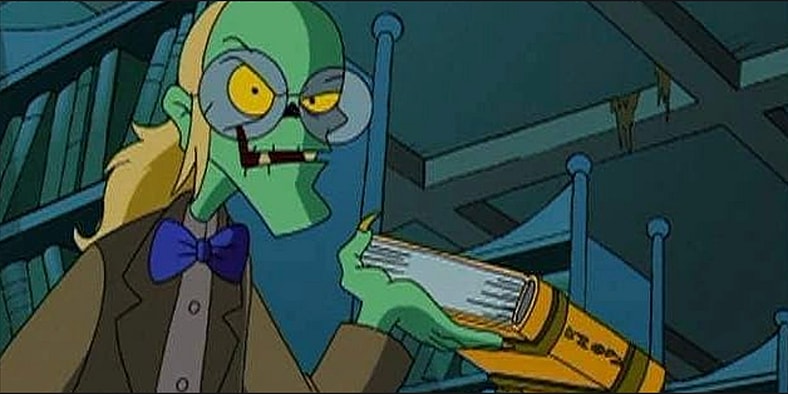
The Crypt Keeper, a character who inherently defies serious analysis, became an ideal candidate for a backstory. His immense popularity as a horror mascot, evidenced by his presence in spin-offs and even musical albums, fueled a desire for more content centered around him.
Modern Echoes: Twilight Zone and The Hunger
Contemporary revivals have also explored the meta-narrative potential of anthology hosts. Jordan Peele’s 2019 Twilight Zone revival, in its season finale "Blurryman," revealed the Slenderman-esque boogeyman to be a cosmic embodiment of Rod Serling. Similarly, The Hunger‘s second season introduced David Bowie as host Julian Priest, with an episode explaining his character’s purgatorial existence, a narrative arc reminiscent of Tales from the Crypt‘s approach to character integration. These examples, however, typically place such origin stories at the beginning of a season, whereas "Lower Berth" offered its revelation as an unexpected mid-season surprise.
The Crypt Keeper’s Trajectory and Brand Expansion
"Lower Berth" remains the sole Tales from the Crypt episode to place the Crypt Keeper under direct scrutiny. Nevertheless, subtler hints throughout the series suggest his evolution as a character. References to Tales from the Crypt‘s comic book origins and the Crypt Keeper’s continued efforts to disseminate ghastly stories indicate his enduring passion. The wraparound segments in the theatrical films further illustrate his growing acclaim and brand expansion.
While these updates are often treated as humorous asides rather than integral backstory, they open avenues for exploring the Crypt Keeper’s transition from comics to television and his early days in Hollywood. The success of "Lower Berth" demonstrates that such origin stories, when executed with the series’ signature B-horror sensibilities, can enrich the mythology without feeling forced.
Practical Constraints and Future Possibilities
The technical demands of operating the Crypt Keeper puppet, requiring six puppeteers, limited the extent to which he could be featured as a central character in a full episode during the 1990s. Wraparound segments were the practical limit. However, advancements in technology suggest that a modern reboot, with the right creative team, could revisit this concept. The understated approach of "Lower Berth," however, remains its strength, offering a compelling narrative without feeling artificial. Any future origin episodes would benefit from emulating this framework.
A Monumental, Ahead-of-Its-Time Installation
With Tales from the Crypt‘s recent availability on Shudder, a new generation of viewers can experience the series’ over-the-top charm. While "Lower Berth" may not be the flashiest or scariest episode, its significance as a precursor to modern franchise storytelling is undeniable. It stands as a low-key highlight, a testament to the series’ forward-thinking approach and its willingness to experiment with narrative conventions.
Tales from the Crypt masterfully sidestepped the criticisms often leveled against forced prequels and contrived universe-building. By integrating its host’s backstory with the genre’s inherent B-horror trappings, the episode proved that such narrative devices could be executed effectively. This innovative spirit is precisely why Tales from the Crypt continues to be celebrated as a titan of horror anthologies over three decades later.