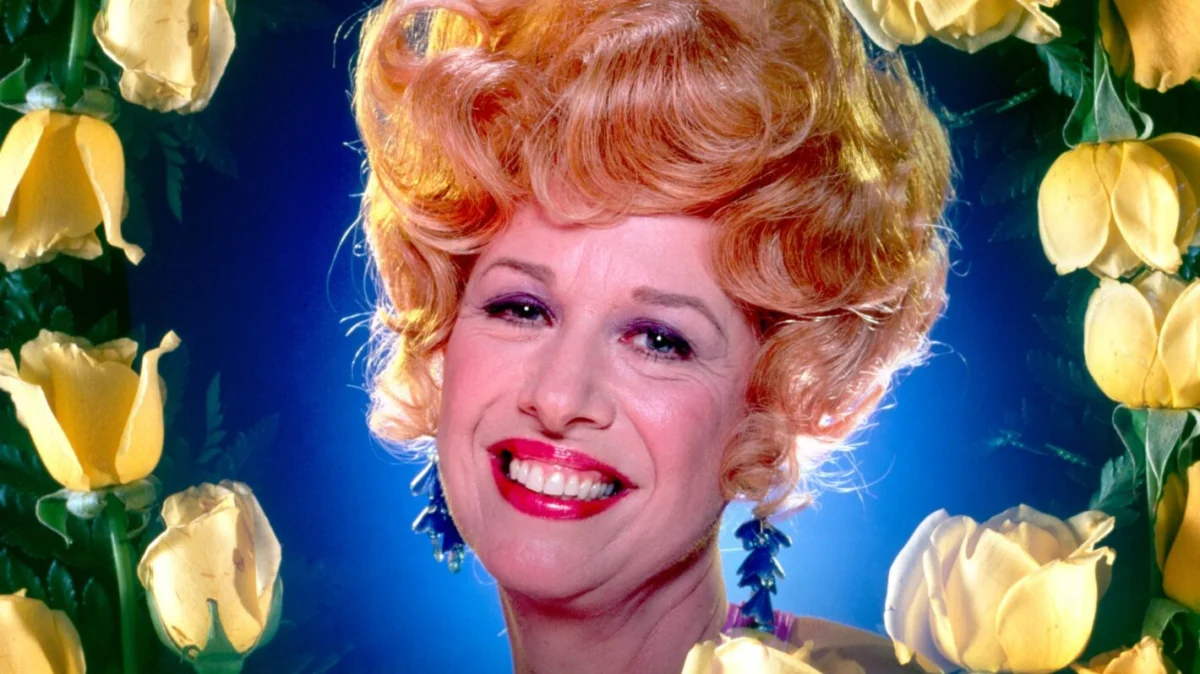
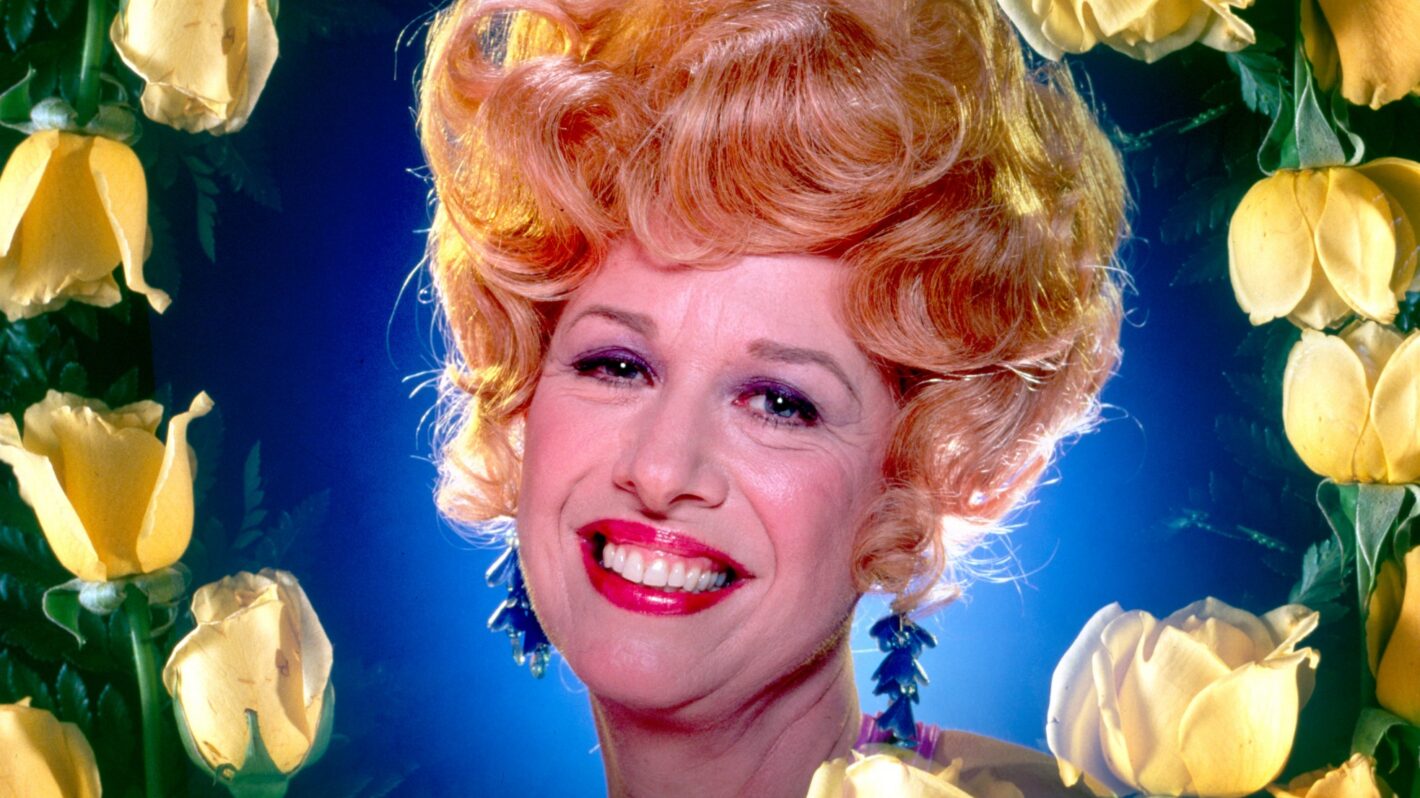
Polly Holliday, the veteran stage and screen actress who became a household name for her portrayal of the sharp-tongued, brassy waitress Florence Jean Castleberry on the long-running CBS sitcom Alice, has passed away following a period of declining health. She was 88 years old. Holliday, whose career spanned over five decades and included significant achievements on Broadway and in film, died as the last surviving member of the original core cast of Alice, marking the end of an era for one of television’s most beloved ensembles.
Born on July 2, 1937, in Jasper, Alabama, Holliday brought a distinct Southern authenticity to her roles, most notably the character of "Flo," whose trademark catchphrase, "Kiss my grits!" became a permanent fixture in the American lexicon. Despite the immense popularity of her television persona, Holliday was a classically trained actress who maintained a profound dedication to her craft, often alternating between the high-energy environment of sitcom sets and the demanding atmosphere of the New York theater scene.
The Genesis of Florence Jean Castleberry and the Success of Alice
The sitcom Alice, which premiered on CBS on August 31, 1976, was inspired by the 1974 Martin Scorsese film Alice Doesn’t Live Here Anymore. The show followed Alice Hyatt (played by Linda Lavin), a widow who moves to Phoenix with her son and finds work as a waitress at Mel’s Diner. While the show was anchored by Lavin’s performance, it was the supporting cast that provided the comedic friction necessary for the series’ longevity.
Holliday’s character, Flo, was the quintessential veteran waitress: gum-chewing, bouffant-wearing, and unapologetically bold. Her interactions with the diner’s owner, Mel Sharples (played by Vic Tayback), and the shy, clumsy waitress Vera Louise Gorman (played by Beth Howland), created a dynamic that resonated deeply with working-class audiences. Flo served as a foil to Alice’s more reserved and earnest nature, providing a sense of levity and "tell-it-like-it-is" wisdom that defined the series’ peak years.
The character of Flo was more than just a comedic relief; she was a representation of a specific type of independent woman in the 1970s. Single, self-sufficient, and fiercely defensive of her dignity, Flo navigated the blue-collar world of Phoenix with a combination of wit and resilience. Holliday’s performance earned her three consecutive Primetime Emmy Award nominations for Outstanding Supporting Actress in a Comedy Series (1978, 1979, 1980) and two Golden Globe Awards for Best Supporting Actress – Television (1979, 1980).
A Chronology of a Distinguished Career
Polly Holliday’s journey to television stardom was preceded by years of rigorous training and stage work. Before arriving in Hollywood, she was a member of the Sarasota, Florida-based Asolo State Theatre, where she honed her skills in a wide variety of classical and contemporary plays.
- Early 1970s: Holliday began making appearances in films and television guest spots. She had a minor role in the 1976 political thriller All the President’s Men, playing a secretary.
- 1976–1980: Holliday starred in Alice, appearing in over 90 episodes. Her departure in 1980 was a significant turning point for the show, as she left to lead her own spin-off.
- 1980–1981: The spin-off, titled Flo, saw the character return to her hometown in Texas to run her own roadhouse, "Flo’s Yellow Rose." The show was initially a ratings success, finishing in the top 20 of the Nielsens for its first season, but it was canceled after its second season due to a decline in viewership following a time-slot change.
- 1984: Holliday took on the role of the villainous Mrs. Deagle in the Joe Dante-directed horror-comedy Gremlins. Her portrayal of the mean-spirited town curmudgeon showcased her range, proving she could play darker, more antagonistic roles with equal effectiveness.
- 1990: Returning to her theatrical roots, Holliday delivered a powerhouse performance as Big Mama in the Broadway revival of Tennessee Williams’ Cat on a Hot Tin Roof. Her performance earned her a Tony Award nomination for Best Featured Actress in a Play.
- 1990s–2000s: Holliday remained active in both television and film. She appeared in the 1993 hit Mrs. Doubtfire and had a recurring role on the sitcom Home Improvement as Lillian Patterson, the mother of Jill Taylor (Patricia Richardson). Her final film appearance was in the 2010 comedy-drama How Do You Know.
The Cultural Phenomenon of "Kiss My Grits"
Few catchphrases in television history have achieved the level of saturation that "Kiss my grits!" managed during the late 1970s. The phrase was a sanitized version of more vulgar insults, making it safe for family television while still conveying a clear message of defiance and sass.
Industry analysts of the era noted that the phrase became a marketing goldmine, appearing on t-shirts, bumper stickers, and mugs across the United States. However, Holliday herself was often modest about the phrase’s success, attributing it to the writers and the relatable nature of the character. In retrospective interviews, she often expressed a desire to be remembered for the totality of her work rather than a single line of dialogue, though she remained appreciative of the doors the role had opened for her.
The impact of the character extended beyond mere catchphrases. Flo was a pioneer for the "spin-off" era of television, a testament to the fact that a supporting character could capture the public’s imagination so thoroughly that they deserved their own narrative space.
Supporting Data and Industry Impact
During its peak, Alice was a cornerstone of the CBS Sunday night lineup, often ranking within the top 10 most-watched programs in the United States. In the 1979-1980 season, the show reached its highest Nielsen ranking at number four, largely driven by the chemistry between Lavin, Tayback, and Holliday.
The loss of Holliday follows the previous passings of her Alice co-stars: Vic Tayback died in 1990, Philip McKeon (who played Alice’s son, Tommy) passed in 2019, and Beth Howland died in 2015. Linda Lavin remains the primary surviving member of the lead cast, though Holliday was the last of the "original" diner crew to depart.
Historians of television sitcoms point to Alice as a vital bridge between the socially conscious "relevance" sitcoms of the early 70s (like All in the Family) and the more character-driven workplace comedies of the 80s. Holliday’s contribution to this evolution was her ability to ground a "broad" character in genuine humanity, ensuring that Flo never became a caricature.
Professional Reactions and Legacy
While Holliday was notoriously private—never marrying or having children—she was held in the highest regard by her peers in the Screen Actors Guild and the theatrical community. Colleagues often described her as a "consummate professional" who was far more soft-spoken and intellectual than the characters she often portrayed.
In an industry where Southern characters were frequently relegated to being the "butt of the joke," Holliday’s portrayal of Flo was seen by many Southerners as a victory. She played the role with a dignity that suggested the character was always the smartest person in the room, even if she was the one serving the coffee.
Industry analysts suggest that Holliday’s career serves as a blueprint for character actors. She successfully navigated the transition from a "breakout" television star to a respected stage veteran, avoiding the "typecasting" trap that often befalls actors associated with iconic catchphrases. Her Tony nomination in 1990 was seen by many as a formal acknowledgment from the industry that she was a talent of significant depth.
Broader Implications and Final Reflections
The passing of Polly Holliday marks a symbolic conclusion to a specific era of multi-camera sitcom history. The 1970s were a decade where the "working-class woman" was finally given a voice on television, and Flo was at the forefront of that movement.
Holliday’s death serves as a reminder of the ephemeral nature of television stardom and the lasting power of well-crafted characters. For millions of viewers, Florence Jean Castleberry was not just a character on a screen; she was a friend, a coworker, or a neighbor.
As the entertainment world reflects on her life, the consensus remains that Polly Holliday was an actress of extraordinary versatility. Whether she was staring down a gremlin, navigating the domestic dramas of the Taylor family in Home Improvement, or delivering a biting retort at Mel’s Diner, she did so with a level of skill that elevated the medium. While she may be gone, the echoes of "Kiss my grits!" will likely continue to resonate in the annals of television history for decades to come, a fitting tribute to a woman who brought so much color and character to the American living room.