The evolution of the modern superhero is a tapestry woven from various literary and cinematic threads, but few connections are as direct or as influential as the relationship between the 19th-century swashbuckler and the 20th-century vigilante. Archival records from TV Guide Magazine, particularly those dating back to the late 1950s, offer a revealing look into the era when the "swashbuckler" was a dominant force on the small screen, providing the narrative DNA for characters that would eventually define the global comic book industry. Historical analysis and creator testimony suggest that without the masked, sword-wielding hero Zorro, the character of Batman—and by extension, the template for the modern superhero—might never have materialized in the form known to audiences today.
The Historical Linkage: From Old California to Modern Gotham
The origins of Batman, created by Bob Kane and Bill Finger in 1939, are often attributed to a variety of influences including Sherlock Holmes, the Shadow, and Leonardo da Vinci’s sketches of a glider. However, the most profound structural influence was Johnston McCulley’s Zorro, who first appeared in the 1919 pulp novel The Curse of Capistrano. The similarities between the two characters are not merely coincidental but are foundational elements of the vigilante genre.
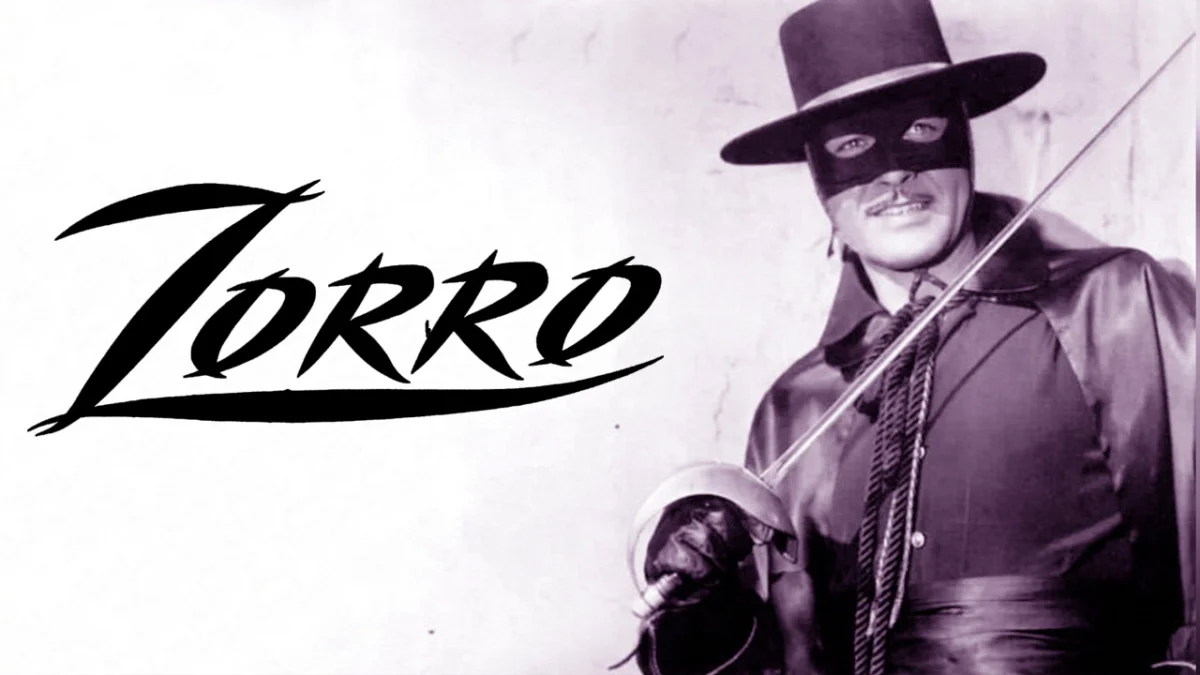
Zorro, the alter ego of the wealthy Don Diego de la Vega, operated as a masked defender of the common people against tyrannical colonial officials in Spanish California. Like Bruce Wayne, Diego de la Vega adopted a persona of a bored, effete socialite to deflect suspicion from his nocturnal activities. The archival depth provided by TV Guide’s retrospective look at 1958 highlights a period when this archetype was being reintroduced to a new generation through television, reinforcing the cultural staying power of the "man in the mask."
A Comparative Analysis of the Vigilante Archetype
To understand the weight of this influence, one must examine the specific narrative devices shared between the two icons. These parallels represent more than just shared tropes; they constitute a blueprint for the "Secret Identity" formula that remains the standard for superhero storytelling.
The Secret Sanctuary
Long before the Bat-Cave was conceptualized, Zorro utilized a secret underground headquarters located beneath his family’s hacienda. This lair served as a stable for his horse, Tornado, and a staging ground for his missions. In the 1939 debut of Batman, the concept of a hidden base of operations was mirrored almost exactly, providing the hero with a space outside the reach of the law.
The Loyal Confidant
The role of the silent, loyal assistant is another crucial crossover. Don Diego had Bernardo, his mute servant who was the only one privy to his secret. This dynamic was later echoed in the character of Alfred Pennyworth, the Wayne family butler who manages the logistics of Batman’s dual life. While Alfred provides more verbal counsel than Bernardo, their function as the hero’s only domestic tether to reality is identical.
The Calling Card
Zorro was famous for leaving a "Z" carved into the clothes or skin of his enemies, or on nearby walls, as a signature of his presence. Batman adopted a similar psychological tactic, utilizing the Bat-Signal and the bat-shaped insignia to strike fear into the hearts of criminals. Both characters used symbolism as a weapon of psychological warfare, a departure from the more straightforward heroism of characters like Superman.
The 1958 Cultural Pivot: TV Guide and the Small Screen Revival
The 1950s represented a critical juncture for the swashbuckler genre. While comic books were navigating the restrictive waters of the Comics Code Authority, television was experiencing a "Golden Age" of historical adventure. The April 26, 1958, issue of TV Guide Magazine, referenced in the archives, documented this phenomenon. At the center of this revival was the Walt Disney-produced Zorro television series, starring Guy Williams.
The series, which ran from 1957 to 1959, was a ratings juggernaut. It re-established the masked hero in the public consciousness at the exact moment that comic book writers were looking to revitalize Batman for the Silver Age of comics. The TV Guide coverage of this era emphasized the "dangers, damsels, and derring-do" that defined the genre, noting that the appeal of the swashbuckler lay in his combination of physical prowess and intellectual cunning. This period of television history solidified the visual language of the vigilante—the flowing cape, the mask, and the dramatic entrance—which would be reinforced in the 1966 Batman television series less than a decade later.
Chronology of the Masked Hero: A Century of Evolution
The timeline of these characters demonstrates a clear hand-off of narrative priorities from the pulp era to the digital age:
- 1919: Johnston McCulley publishes The Curse of Capistrano, introducing Zorro.
- 1920: Douglas Fairbanks stars in the silent film The Mark of Zorro. Bob Kane later cited this specific film as a primary inspiration for Batman’s visual style.
- 1939: Detective Comics #27 introduces Batman. The origin story established in Detective Comics #33 later includes a crucial detail: the Wayne family was leaving a screening of The Mark of Zorro when the parents were murdered.
- 1940: The Tyrone Power remake of The Mark of Zorro is released, further cementing the character’s cinematic tropes.
- 1957–1959: The Disney Zorro series airs, bringing the character to millions of households and influencing the "camp" and "adventure" tones of late-50s comics.
- 1958: TV Guide Magazine archives record the peak of the swashbuckler’s influence on television programming.
- 1986: Frank Miller’s The Dark Knight Returns explicitly references the Zorro film as the catalyst for Bruce Wayne’s trauma, bringing the connection full circle.
Creator Testimonials and Scholarly Reactions
The link between Zorro and Batman is not merely a theory held by cultural historians; it has been validated by the creators themselves. In his 1989 autobiography, Batman and Me, Bob Kane explicitly stated, "Zorro was a major influence on my creation of Batman." Kane noted that the 1920 Douglas Fairbanks film provided the visual cues for the "stunts and the secret identity."
Bill Finger, the primary writer and uncredited co-creator who developed much of the Batman mythos, also acknowledged the pulp influences. Finger sought to combine the detective skills of Sherlock Holmes with the athletic escapades of Zorro. Modern comic book historians, such as those contributing to The Bat-Cave Companion, argue that Zorro provided the "moral framework" for Batman. Unlike earlier heroes who were often motivated by pure altruism, Zorro and Batman were motivated by a sense of justice that operated outside—and often in opposition to—corrupt legal systems.
Industry reactions to the TV Guide archives emphasize that these early television portrayals were essential for the survival of the archetype. During the late 1950s, when the "superhero" genre was struggling to find its footing after the post-WWII slump, the success of swashbuckling shows proved that audiences still had an appetite for masked justice.
Broader Impact and Implications for Modern Media
The legacy of the swashbuckler extends far beyond the pages of DC Comics. The "Zorro formula"—a wealthy man using his resources to fund a private war against injustice—became the blueprint for characters like Iron Man, the Green Arrow, and even modern interpretations of the pulp hero The Shadow.
Furthermore, the transition from the sword to the gadget marks a significant shift in the portrayal of the hero’s "power." While Zorro relied on his mastery of the blade, Batman transitioned into an era of technological superiority. However, the core of the character remains an exercise in the "urban swashbuckler." The way Batman swings through the skyscrapers of Gotham is a direct architectural translation of Zorro swinging from the rafters of a Spanish mission.
The TV Guide archives serve as a reminder that the "new" and "innovative" characters of today are often refinements of archetypes that have existed for over a century. The swashbuckler did not disappear; he simply traded his rapier for a Batarang. By examining the 1958 cultural landscape, it becomes clear that the Caped Crusader is the modern evolution of a long line of masked men who used the cover of darkness to bring light to their communities.
In a modern context, this connection highlights the importance of historical continuity in storytelling. As Batman continues to be reimagined for the 21st century in films like Matt Reeves’ The Batman (2022), directors continue to lean into the detective and vigilante roots that were first established by McCulley in 1919. The enduring nature of the "masked man" suggests that the human fascination with dual identities and the struggle against systemic corruption is a timeless narrative, one that found its first great television expression in the swashbucklers of the 1950s.