The cinematic world was recently treated to an extraordinary revelation, as director Joe Dante presented a fabled 2.5-plus hour assembly cut of his iconic 1984 film, Gremlins, to an elite group of horror filmmakers and enthusiasts. This version, largely unseen since its initial assembly in late 1983 and previously considered by many to be mere legend, made its debut screening on Thursday night, offering a profound glimpse into the genesis of a beloved genre-bending classic. The event, shrouded in secrecy and exclusivity, marked a significant moment for film preservation and the ongoing fascination with cinematic history, confirming the existence of a cut nearly an hour longer than the theatrical release that captivated audiences worldwide.
The Enduring Legend of a Longer Cut
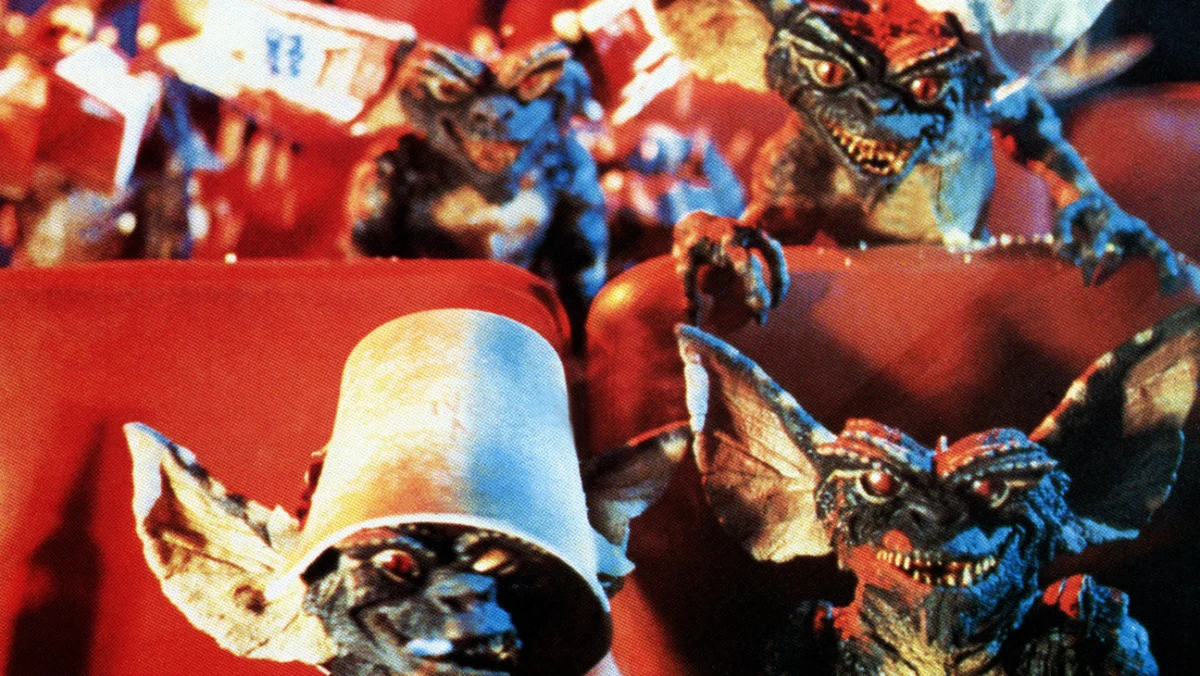
For decades, whispers circulated among film aficionados and Gremlins devotees about a mythical, extended version of the horror-comedy masterpiece. These rumors, often dismissed as fervent fan speculation, persisted without concrete evidence, adding an intriguing layer to the film’s already rich legacy. Gremlins, released in June 1984, quickly cemented its place in pop culture, renowned for its audacious blend of scares and laughs, its groundbreaking creature effects, and its pivotal role in the creation of the PG-13 rating. Written by a then-emerging Chris Columbus and executive produced by Steven Spielberg, the film’s tight narrative and memorable characters, particularly the adorable Mogwai Gizmo and his mischievous, destructive counterparts, resonated deeply with a generation of movie-goers. The film grossed over $153 million worldwide against an $11 million budget, becoming a critical and commercial success that spawned a sequel, Gremlins 2: The New Batch (1990), and an animated series, Gremlins: Secrets of the Mogwai (2023).
However, the journey from initial concept to theatrical triumph involved a rigorous editing process. The original script by Chris Columbus was significantly darker, envisioning more gruesome deaths for human characters and a less cuddly portrayal of Gizmo. While many of these darker elements were toned down for the final cut to achieve a broader appeal, the existence of an extensive assembly cut, reflecting an earlier, more expansive vision, remained a tantalizing "what if." Director Joe Dante, known for his distinctive directorial style that often melds horror, comedy, and social commentary, had previously been coy about the longer cut. It was only earlier this year that Dante finally confirmed its existence, acknowledging that his personal VHS copy was the sole known surviving artifact of this cinematic relic. This confession ignited a wave of excitement within the film community, transforming a long-held myth into tangible reality.
A Secret Screening for the New Guard of Horror
The exclusive screening was orchestrated with an air of intrigue befitting a cinematic discovery. Invitations, delivered via cryptic text messages, promised attendees the chance "to watch a movie no one has ever seen," concluding with the ominous yet enticing warning: "You will never forgive yourself." Hosted by Verve and Scott Glassgold’s 1201 Films production banner, the event drew a distinguished assembly of contemporary horror creators, a testament to Gremlins‘ enduring influence across generations. The guest list was a veritable "who’s who" of today’s horror innovators, including Adam B. Stein and Zach Lipovsky, the filmmaking duo behind Final Destination: Bloodlines and notably, the writers for the anticipated Gremlins 3. Also present were Drew Hancock (Companion), Rob Savage (The Boogeyman), Dan Berk and Robert Olsen (Novocaine), Brian Duffield (Whalefall), Akela Cooper (M3GAN), Guy Busick (Ready or Not), Atomic Monster producer Michael Clear, Adam Robitel (Escape Room), and 20th Century Studios head Steve Asbell, among others. Their presence underscored the film’s foundational impact on the genre, illustrating how Gremlins continues to inspire and inform modern horror storytelling.
Before the lights dimmed, Joe Dante addressed the eager audience, offering crucial context for what they were about to witness. He described the event as an "archival screening," candidly admitting that the version was a "rough cut," complete with "greasy pencil marks and missing scenes." Dante’s remarks served as a gentle caution, urging the attendees not to let the raw, imperfect nature of this early edit overshadow their cherished memories of the polished, theatrical film. His emphasis on the historical and developmental significance of the cut, rather than presenting it as a definitive "director’s cut," set the appropriate tone for an evening dedicated to understanding the filmmaking process and the evolution of a classic.
Unveiling the Unseen: Key Differences and Expanded Narratives
The assembly cut, clocking in at approximately 2 hours and 35 minutes, presented a stark contrast to the 1 hour and 46 minute theatrical release. This nearly hour-long difference allowed for significant narrative expansion and alternative creative choices. One of the most striking revelations was the delayed appearance of the first Gremlin, which doesn’t manifest until about an hour into the film. This suggests an earlier narrative pacing that dedicated more time to character development, world-building in Kingston Falls, and establishing the relationship between Billy Peltzer and Gizmo before the chaos ensues. The theatrical cut, in contrast, introduced the first Gremlin much earlier, accelerating the plot and heightening suspense, a common practice in mainstream cinema to quickly engage audiences.
Furthermore, the extended version delved deeper into the destructive antics of the Gremlins, particularly during the infamous bar scene. This sequence, already a highlight of the theatrical film for its dark humor and anarchic energy, reportedly ran for "10 or more minutes" longer in the assembly cut. This expansion likely provided more detailed glimpses into the Gremlins’ individual personalities and their escalating mayhem, offering a more comprehensive depiction of the havoc they wreak upon the unsuspecting town. The screening also featured the sight of Gremlins walking, a detail that was likely streamlined or minimized in the final cut for reasons of pacing, creature design consistency, or to maintain a sense of the creatures’ more primal, monstrous nature when they are not standing fully upright.
Perhaps one of the most notable omissions in this longer cut was Phoebe Cates’ character Kate Beringer’s poignant and darkly humorous monologue about why she hates Christmas. This speech, which famously revealed a traumatic childhood experience involving her father’s death while attempting to surprise her as Santa Claus, was a memorable, albeit controversial, moment in the theatrical release. Its absence in the assembly cut indicates that this particular narrative beat was either conceived later in the production process or intentionally added during post-production to provide a moment of unexpected pathos amidst the horror and comedy. This divergence highlights the iterative nature of filmmaking and the crucial decisions made in the editing room to shape a film’s emotional arc and thematic resonance. Dante himself acknowledged the rarity of such an event, stating, "You usually don’t go back into the archives and pull out stuff from the bin and show it to people, warts and all."
The Journey to Preservation: Ian Grant and The Gremlins Museum

The existence and eventual screening of this assembly cut would not have been possible without the tireless dedication of Gremlins fanatic Ian Grant. Joe Dante entrusted his sole surviving VHS copy of the rough cut – a testament to the analogue era of filmmaking and a truly personal artifact – to The Gremlins Museum, an online archive and showcase established by Grant. This digital museum, found at Gremlins.com, serves as a comprehensive repository of Gremlins props, memorabilia, and now, invaluable archival footage.
Grant undertook the painstaking task of cleaning up, digitizing, and preparing the decades-old VHS material for presentation. This process, which spanned several months, involved meticulous work to restore the visual and audio quality of the degraded tape, transforming a fragile personal copy into a viewable historical document. His efforts exemplify the growing importance of fan-driven initiatives in film preservation, often filling gaps left by official studio archives. In an age where physical media is increasingly giving way to digital formats, the recovery and restoration of such unique cuts become critical for a holistic understanding of cinematic heritage. Grant’s commitment ensures that future generations of film scholars and fans will have access to a more complete picture of Gremlins‘ creative journey, emphasizing the role of grassroots efforts in safeguarding cultural artifacts.
A Legacy Reconsidered: Broader Impact and Implications
The screening of Gremlins‘ assembly cut carries significant implications beyond mere fan curiosity. It offers a unique window into the filmmaking process of a major studio production from the early 1980s, showcasing the myriad decisions, compromises, and creative evolutions that occur between the initial assembly and the final theatrical release. For aspiring filmmakers and film students, it provides an invaluable case study in editing, pacing, and narrative construction. The differences in character arcs and scene durations can inform discussions on how even minor adjustments can profoundly alter a film’s tone, impact, and overall audience reception. This re-evaluation of Gremlins through its original cut adds to a broader trend in cinema studies, where early edits and deleted scenes are increasingly recognized as essential tools for understanding a film’s complete artistic intent and its journey through production.
Furthermore, this event underscores the vital role of film preservation. Many early cuts and deleted scenes from classic films are lost to time, often discarded or poorly archived. The survival of Dante’s VHS copy and Grant’s dedication to its restoration highlight the precarious nature of film history and the importance of proactive measures to safeguard these cultural artifacts. This renewed interest in Gremlins‘ origins could inspire similar efforts for other films, encouraging filmmakers and studios to re-examine their archives for hidden treasures. The increasing accessibility of digital tools also democratizes the preservation process, allowing passionate individuals to contribute meaningfully to cinematic history.
For Gremlins fandom, the revelation of this cut is nothing short of monumental. It provides a deeper understanding of the film they cherish, offering new perspectives on character motivations, plot developments, and thematic explorations. The extended bar scene, for instance, could become a new point of analysis for the Gremlins’ chaotic nature, while the absence of Kate’s Christmas speech might prompt discussions on the film’s original intended tone. It also fuels speculation about other potential unseen footage or alternative versions of beloved films, reinforcing the idea that the "finished" product is often just one iteration of a much larger creative journey.
The Enduring Impact of Gremlins and the PG-13 Rating
Gremlins is not just remembered for its creature effects and dark humor; it played a pivotal role in a significant moment in Hollywood history: the introduction of the PG-13 rating. Prior to 1984, the Motion Picture Association of America (MPAA) ratings system consisted of G, PG, R, and X (later NC-17). Films like Indiana Jones and the Temple of Doom (1984) and Gremlins, both featuring scenes of surprising intensity and disturbing imagery for a PG rating, sparked public outcry and parental concern. Temple of Doom, with its heart-ripping scene and child slavery, and Gremlins, with its gruesome creature deaths and unsettling horror elements (such as the memorable sequence of Mrs. Deagle’s demise or the Gremlins’ transformation), pushed the boundaries of what was considered acceptable for a PG audience.
The backlash led to Steven Spielberg, executive producer of both films, personally lobbying then-MPAA president Jack Valenti for an intermediate rating. The PG-13 rating was subsequently introduced in July 1984, just a month after Gremlins‘ release, serving as a bridge between the family-friendly PG and the more restrictive R. This historical context makes the assembly cut even more intriguing. One can surmise that the editing decisions made to shorten and potentially soften Gremlins for its theatrical release were, in part, influenced by the ongoing debate about appropriate content for younger audiences and the impending introduction of the new rating. The longer cut might very well represent a version closer to the film’s original, more unbridled vision before commercial and ratings considerations came into full play, offering valuable insight into the commercial pressures that often shape artistic output in Hollywood.
Looking Ahead: The Future of Archival Discoveries
The successful screening of Gremlins‘ lost assembly cut opens exciting possibilities for the future of film archiving and fan engagement. While Joe Dante indicated this was a rough, "warts and all" version, the meticulous work by Ian Grant suggests that with further effort, this cut could potentially be refined for a wider public release. Imagine a future Blu-ray or streaming service offering this extended version as a special feature, allowing millions of fans to experience the film in its nascent form. Such releases are increasingly common for beloved classics, providing valuable context and enhancing the overall appreciation for cinematic art. Examples like Ridley Scott’s Blade Runner or James Cameron’s Aliens director’s cuts have significantly enriched their films’ legacies, and Gremlins could follow a similar path.
This event also serves as a powerful reminder of the hidden treasures that may still exist within personal collections, studio vaults, or even forgotten corners of film archives. The passion of individual collectors and archivists like Ian Grant, coupled with the willingness of filmmakers like Joe Dante to share their personal history, can bring these lost fragments of cinema back into the light. As technology continues to evolve, making digital restoration more accessible, the prospect of uncovering and presenting more "lost" cuts from cinematic history becomes increasingly viable, enriching our collective understanding and appreciation of the art of filmmaking. The Gremlins assembly cut is not just a curiosity; it is a vibrant testament to the dynamic, often messy, and always fascinating process of bringing stories to the silver screen, and a hopeful signal for future discoveries that will continue to deepen our understanding of cinematic masterpieces.