The highly anticipated return of The Devil Wears Prada 2 has generated significant buzz, not only for its star-studded cast and fashion-forward narrative but also for its remarkably candid approach to the economics of modern filmmaking. In a meta-commentary that mirrors the precarious financial landscape it depicts, the promotional efforts for the sequel have been refreshingly transparent about the considerable investments involved, from talent salaries to lucrative brand partnerships.
A Legacy Built on Bold Negotiations and Box Office Success
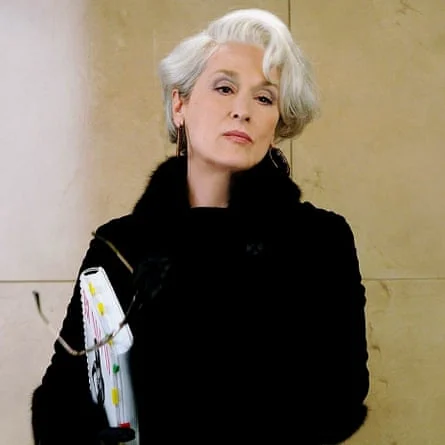
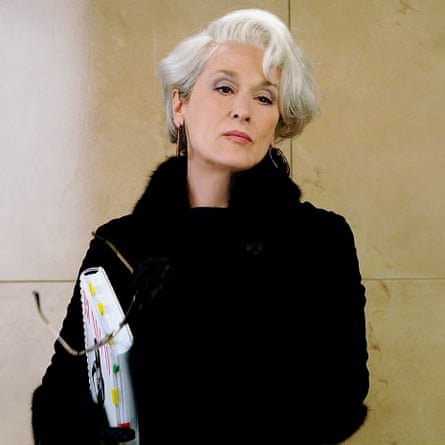
The original The Devil Wears Prada, released in 2006, became a cultural phenomenon, lauded for its sharp wit, stylish portrayal of the fashion industry, and stellar performances. The film’s enduring appeal is a testament to its potent blend of humor and insight into the high-stakes world of publishing. Meryl Streep’s iconic portrayal of the formidable fashion magazine editor, Miranda Priestly, was central to its success.
In a revealing interview prior to the New York premiere of the sequel, Meryl Streep recounted her initial hesitation to accept the role in the 2006 film. She disclosed that her first reaction was to turn down the offer, strategically aiming to negotiate a significantly higher salary. "They called me up and they made an offer," Streep shared with US TV show Today, "and I said, no, not going to do it. I knew it was going to be a hit, and I wanted to see [what would happen] if I doubled my ask. They went right away and said: ‘Sure!’" This bold negotiation tactic not only paid off for Streep, who was then 56, but also underscored her growing power and understanding of her market value in Hollywood. The gamble proved to be a wise one, as the original film far exceeded expectations, grossing over nine times its $35 million budget at the box office and establishing itself as a beloved classic with a strong afterlife in streaming and cultural discourse.

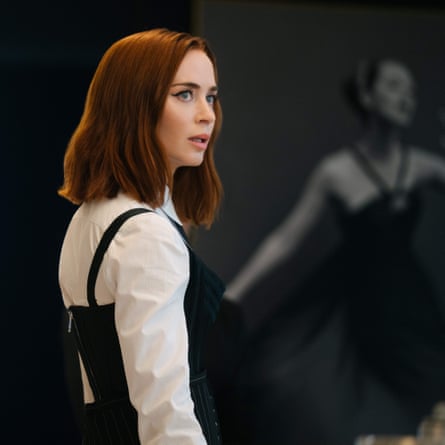
The success of the first film paved the way for the long-awaited sequel, with fans eagerly anticipating the return of the original cast. The nearly two-decade gap between films has been a subject of much discussion, with co-stars Emily Blunt and Anne Hathaway playfully hinting at the significant financial considerations that influenced the project’s realization. Their tongue-in-cheek remarks suggested that Stanley Tucci, who reprises his role as Nigel, was the last to sign on for the sequel, reportedly holding out for a substantial remuneration package, a testament to the increased market value of the entire ensemble.
The Sequel’s Ambitious Price Tag: A Look at the Numbers
Estimates suggest that The Devil Wears Prada 2 carries a production budget of approximately $100 million. A significant portion of this budget, reportedly around half, is allocated to cast salaries. This figure encompasses not only the core leads – Streep, Blunt, and Hathaway – but also supporting cast members and a considerable number of high-profile cameos.
The film’s strategy to enlist a constellation of stars from various industries, including music, fashion, sports, and media, is a calculated move. These cameos serve a dual purpose: lending an air of authenticity and prestige to the narrative while simultaneously acting as a powerful cross-promotional engine. The reported $2.5 million fee for Lady Gaga’s brief appearance, which included a bespoke body-positive song, exemplifies the significant financial commitment required to secure such talent. Gaga is one of approximately 30 notable figures who make fleeting appearances, enhancing the film’s credibility and expanding its potential audience reach.
Projected Box Office Performance and Industry Trends
Industry projections indicate that The Devil Wears Prada 2 is poised for a strong opening weekend, with estimates suggesting it could gross around double its production budget. This optimistic outlook places it on track to surpass the original film’s impressive $326 million global box office total within its first two weeks of release.
The sequel’s anticipated success arrives at a propitious moment for the film industry. Following a period of uncertainty, cinema attendance has shown robust signs of recovery, with several recent releases exceeding box office expectations. Films such as Project Hail Mary, The Super Mario Galaxy Movie, and the Michael Jackson biopic Michael have demonstrated a renewed public appetite for theatrical experiences, creating a favorable environment for the launch of The Devil Wears Prada 2.
Strategic Brand Partnerships: Mirroring the Narrative
In a narrative mirroring the original film’s exploration of advertising’s influence on editorial content, the sequel’s producers have embraced a comprehensive strategy of brand partnerships. Just as Runway magazine, the fictional publication at the heart of the story, relies heavily on advertisers to fill its pages, the film has strategically integrated numerous lucrative brand collaborations.
Dior stands out as a prominent partner, with its products and brand identity featured within the film, notably as the company now helmed by Emily Blunt’s character. The collaborations extend to a diverse array of brands across various consumer sectors. These include household names like Diet Coke, Old Navy, and Starbucks, alongside beauty and personal care brands such as Tweezerman, Tresemmé, and L’Oréal. Technology giants Samsung and Google, as well as the real estate listing service Zillow, also feature in these integrations.
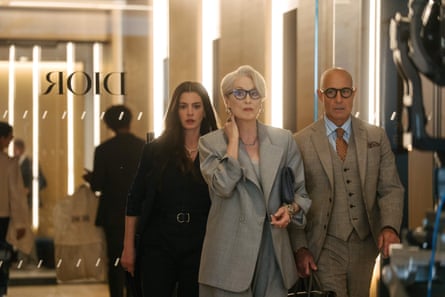
This extensive network of partnerships not only generates significant revenue but also serves to further embed the film within the cultural zeitgeist. The availability of tie-in merchandise, such as a Miranda doll priced at $35, a throw blanket for $14.74, shower wash for $10, and a cerulean blue scoop collection tie-waist midi dress for $49, all sold through Walmart in the US, further capitalizes on the film’s commercial appeal. This strategy ensures that the film’s brand extends beyond the cinematic experience, offering tangible products for fans to engage with.
Cameos: A Star-Studded Ensemble
The film boasts an impressive roster of cameos, bringing together a diverse group of personalities from across the entertainment spectrum. These brief appearances add texture and star power to the narrative, reinforcing the film’s connection to contemporary culture.
-
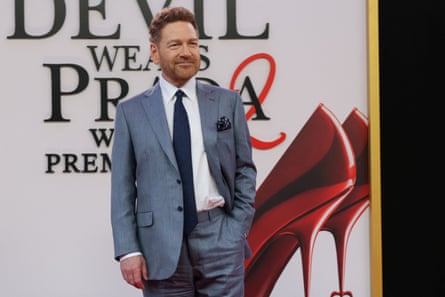
Kenneth Branagh: The acclaimed actor makes a surprisingly understated appearance as Miranda Priestly’s romantic interest. While not a typical cameo in its brevity, the modest role played by such a venerable actor has led to speculation about its original scope. Sources close to Branagh have indicated that the current size of the part reflects the final edit and that there were no indications of a larger role being trimmed.
-
Lady Gaga: Streep personally reached out to the music icon to secure her participation. Gaga’s commitment to the project, even amidst her demanding world tour schedule, underscores the film’s broad appeal. The negotiation of Gaga’s substantial salary remains a point of interest, highlighting the premium placed on securing such a globally recognized artist.
-
Donatella Versace: The legendary fashion designer makes a memorable appearance, engaging in a scene with Emily Blunt’s character. Her presence, alongside other fashion luminaries such as Ciara, Marc Jacobs, Naomi Campbell, Heidi Klum, and Edward Enninful, further solidifies the film’s authentic connection to the fashion world.
-
Tina Brown: The former editor of Vanity Fair is among a group of notable figures attending a party hosted by Miranda Priestly. Brown’s recollection of the demanding shoot, complete with heat, spoiled catering, and refuge in a wine fridge, provides a humorous behind-the-scenes glimpse into the production.
Notable Absences: The Cameos That Almost Were
While the film is replete with celebrity appearances, several prominent figures were reportedly considered or slated for roles that ultimately did not materialize. These near-misses offer a fascinating glimpse into the casting process and the potential directions the film might have taken.
-
Hugh Jackman: Despite a scene depicting Andy’s Australian boyfriend psyching himself up to approach Jackman, the actor himself does not appear in the final cut. The resolution of this anticipated encounter remains unknown.
-
George Clooney: The Hollywood A-lister’s absence is notable, particularly given the on-screen presence of his Lake Como villa, a location significant to Emily Blunt’s personal life. Furthermore, Blunt’s close friends and frequent collaborators, Matt Damon, Robert Downey Jr., and Dwayne Johnson, who attended a recent Hollywood Walk of Fame ceremony for Blunt and Tucci, are also absent from the film’s cast.
-
Sydney Sweeney: The Euphoria and Housemaid star filmed a three-minute scene portraying herself alongside Emily Blunt. However, this segment was ultimately removed from the final edit due to "structural" reasons, a common occurrence in post-production as filmmakers refine pacing and narrative flow.
-
Anna Wintour: The real-life inspiration for Miranda Priestly, Anna Wintour, a figure synonymous with the fashion industry, did not make an appearance in the film. Despite her past cameos in projects like Ocean’s Eight and Zoolander 2, a direct on-screen role in The Devil Wears Prada 2 was apparently deemed unnecessary or unsuitable, perhaps due to the "meta" nature of her potential involvement.
The meticulous planning and considerable financial investment behind The Devil Wears Prada 2 underscore a clear strategy: to leverage established success, capitalize on contemporary cultural trends, and deliver a blockbuster that resonates with a broad audience. The film’s frankness about its own economic realities serves as a potent reminder that in the contemporary media landscape, the business of making movies is as much a part of the story as the narrative itself.