Narrative Core and Artistic Vision
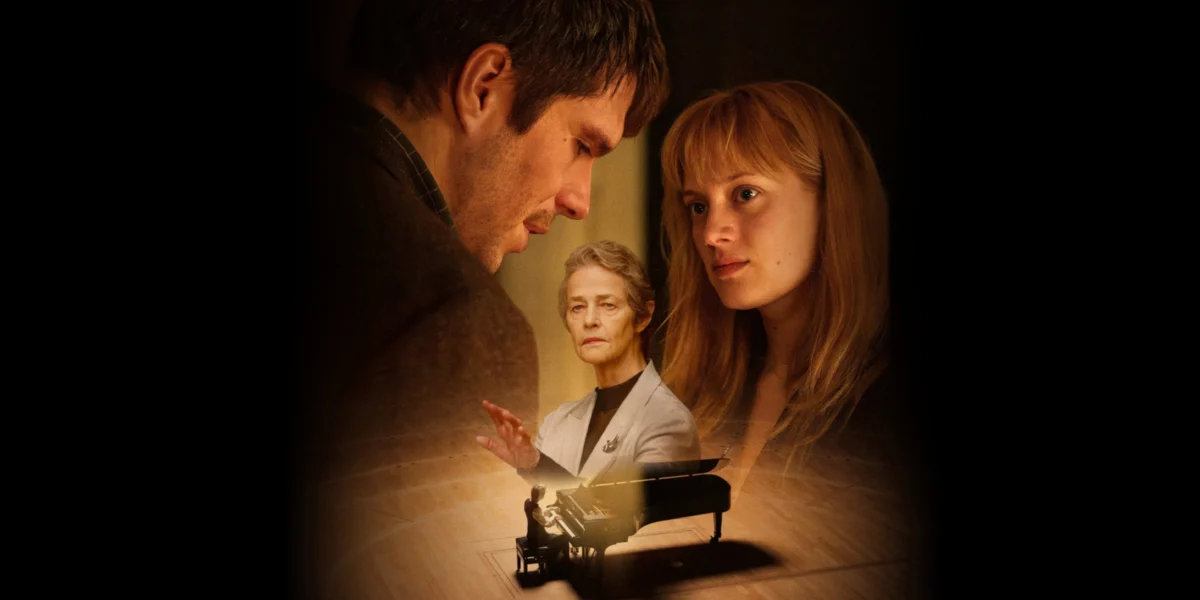
The story follows a virtuoso French pianist, portrayed by François Civil, who returns to his childhood home of Lyon after an extended professional residency in Asia. The narrative framework utilizes this homecoming to explore the concept of "impossible love," a recurring motif in Desplechin’s filmography. Unlike standard romantic dramas, Two Pianos focuses on the psychological toll of artistic excellence and how the discipline required for musical mastery often creates a barrier to personal intimacy.
The setting of Lyon is not merely incidental; it serves as a character within the film. Desplechin, a native of Roubaix who has frequently used his hometown as a backdrop, pivots to Lyon to capture its unique architectural history and its historical association with the birth of cinema via the Lumière brothers. The city’s bridges, mist-covered rivers, and narrow streets provide a visual metaphor for the protagonist’s attempts to reconnect with a past that has become increasingly foreign to him.
Chronology of Production and Festival Circuit
The development of Two Pianos began in late 2023, following the completion of Desplechin’s previous experimental projects. Principal photography took place throughout 2024, primarily on location in Lyon and various concert halls in Paris, with a brief second-unit shoot in Tokyo to establish the protagonist’s backstory.
The film’s trajectory through the 2025 festival circuit was strategically planned to maximize its international profile:
- January 2025: Initial teasers and casting confirmations were released, generating significant buzz within the European film market.
- May 2025: Rumors of a Cannes debut circulated, but the production team opted for a late-summer premiere to align with the North American awards season cycle.
- September 2025: The film held its world premiere at the Toronto International Film Festival. Its selection for the Gala Presentations—a section typically reserved for high-profile premieres with significant commercial and critical potential—signaled strong industry confidence.
- Late 2025: Following the TIFF premiere, Kino Lorber secured the North American distribution rights, initiating a platform release strategy starting in major metropolitan markets.
The Ensemble Cast and Character Dynamics
The casting of François Civil marks a pivotal moment in the actor’s career. Known for his versatility in both action-heavy roles, such as D’Artagnan in The Three Musketeers, and intimate dramas like Rise, Civil underwent rigorous training to authentically portray the physical demands of a concert pianist. His performance has been noted for its restraint, conveying a sense of "musical isolation" that defines the protagonist’s arc.
Supporting Civil is an ensemble of established veterans and rising stars:
- Nadia Tereszkiewicz: Playing the object of the protagonist’s "impossible" affection, Tereszkiewicz continues her streak as one of France’s most sought-after young talents. Her role requires a delicate balance of vulnerability and independence, serving as the emotional anchor that challenges the pianist’s rigid world.
- Charlotte Rampling: As a legendary figure in both French and British cinema, Rampling provides a sense of gravitas. Her character, often interpreted as a mentor or a matriarchal figure, represents the weight of tradition and the sacrifices demanded by a life in the arts.
- Hippolyte Girardot: A frequent collaborator of Desplechin, Girardot brings a familiar rhythm to the director’s dialogue-heavy scenes, grounding the film’s more abstract romantic elements in a tangible social reality.
Directorial Style and Recurring Themes
Arnaud Desplechin is widely regarded as an "intellectual" filmmaker, one who weaves together philosophy, literature, and psychoanalysis. In Two Pianos, he continues his exploration of the "Romanesque"—a style characterized by grand emotions, complex family trees, and a certain literary density.
The film’s title, Two Pianos, refers not only to the physical instruments but to the duality of the protagonist’s life: the public performer versus the private man, and the life he led in Asia versus the life he left behind in France. Musicologists have noted that the film’s score and diegetic performances are integrated into the script as a form of dialogue. The "two pianos" of the title also suggest a duet that is never quite in sync, mirroring the central romantic conflict.
Desplechin’s use of long takes and intimate close-ups allows the audience to observe the micro-expressions of the performers during musical sequences. This technique demystifies the act of performance, focusing instead on the labor and the emotional exhaustion inherent in creative genius.

Distribution and Market Analysis
The acquisition of Two Pianos by Kino Lorber is a strategic move for the distributor, which has a long history of bringing high-caliber international cinema to North American theaters. In an era where streaming services often dominate the distribution of foreign-language films, the decision to give Two Pianos a robust theatrical window underscores the film’s visual and auditory scale.
Market data suggests that French dramas continue to perform reliably in "prestige" urban markets such as New York, Los Angeles, Toronto, and Chicago. By leveraging the star power of François Civil and the critical pedigree of Desplechin, Kino Lorber aims to capture both the traditional arthouse demographic and a younger audience drawn to contemporary French culture.
The film’s success at TIFF served as a critical barometer. Positive reviews from major trade publications highlighted the film’s "emotional clarity" and "visual elegance," contrasting it with some of Desplechin’s more polarizing, denser works. This critical consensus is vital for a foreign-language film’s longevity in the competitive North American market.
Broader Impact and Implications for French Cinema
The release of Two Pianos comes at a time when French cinema is asserting its influence on the global stage through a mix of high-budget genre films and sophisticated auteur-driven dramas. The film exemplifies the "middle-ground" of French production: high production values and recognizable stars combined with a rigorous artistic vision.
Furthermore, the film’s focus on a character returning from Asia reflects a broader trend in European cinema toward exploring global connectivity. The protagonist’s "virtuoso" status is not just a personal trait but a passport that has allowed him to traverse cultures, yet the film argues that emotional fulfillment remains tied to one’s roots and the unresolved conflicts of the past.
The technical execution of the film, particularly its sound design, has also been a point of discussion among industry professionals. The recording of the piano sequences was handled with a level of precision that rivals dedicated musical documentaries, ensuring that the "musicality" of the film is felt by the audience as much as it is seen.
Official Responses and Critical Commentary
While official statements from the director have focused on the "joy of returning to Lyon," critical analysis has delved deeper into the film’s subtext. Industry analysts have pointed out that Two Pianos represents a more accessible version of Desplechin’s world, potentially opening the door for future collaborations with international co-producers.
Initial reactions from the TIFF audience emphasized the chemistry between Civil and Tereszkiewicz, with many noting that the "impossible love" story felt grounded in modern realities rather than antiquated tropes. The film does not offer easy resolutions, a choice that has been praised for its honesty and its respect for the characters’ complexities.
As Two Pianos continues its theatrical run, it stands as a testament to the enduring power of the romantic drama when handled with intellectual rigor and aesthetic care. It remains a significant milestone in the 2025 cinematic calendar, reinforcing the relevance of French storytelling in a rapidly changing global media environment. Through its exploration of music, memory, and the city of Lyon, the film invites viewers to consider the high cost of artistic perfection and the enduring pull of the places we once called home.