Historical Context: Paul Klee and the Exile from Nazi Germany
To understand the weight of Angel Applicant, one must first examine the historical and political backdrop of Paul Klee’s final decade. Born in 1879, Klee was a central figure in the development of modern art, associated with the Blaue Reiter (Blue Rider) group and the Bauhaus school. However, his career in Germany was abruptly halted by the rise of the National Socialist German Workers’ Party. In 1933, the Nazi regime labeled Klee’s work "degenerate art" (Entartete Kunst), leading to his dismissal from his teaching position at the Düsseldorf Academy.
Klee and his wife, Lily, fled to his childhood home of Bern, Switzerland. It was during this period of political exile and social isolation that Klee began experiencing the first symptoms of systemic scleroderma. The disease, characterized by the hardening of the skin and connective tissues, gradually restricted his physical movements, making the intricate, fine-lined work of his earlier years nearly impossible to execute. Despite his deteriorating health and the looming threat of World War II, Klee entered his most prolific period, producing over 1,200 works in 1939 alone. These late-stage paintings, often featuring heavy lines and simplified forms, serve as the primary focus of Meyer’s documentary.
The Medical Reality: Understanding Systemic Scleroderma
A significant portion of Angel Applicant is dedicated to demystifying the medical condition that links the filmmaker to his subject. Systemic scleroderma, or systemic sclerosis, is a chronic autoimmune disease where the body’s immune system attacks its own healthy tissue, causing an overproduction of collagen. This results in the thickening and scarring of the skin and can lead to severe damage to internal organs, including the lungs, heart, and kidneys.
For Kenneth August Meyer, the diagnosis was not merely a medical hurdle but a transformative life event that reshaped his perspective on time and legacy. By visiting specialists and exploring the physiological impact of the disease, Meyer provides viewers with a clinical yet deeply personal understanding of the physical limitations Klee faced. The documentary illustrates how Klee’s late-period style—characterized by bold, thick strokes and symbolic imagery—was a direct adaptation to his diminishing manual dexterity. The film posits that Klee’s art was not diminished by his illness but was instead distilled into a more potent, essential form of expression.

Production Origins and Festival Accolades
The journey of Angel Applicant began long before its 2026 trailer resurgence. Kenneth August Meyer, an American indie filmmaker, spent years documenting his own progression with scleroderma while simultaneously researching Klee’s archives in Switzerland. The film made its world premiere at the 2023 SXSW Film Festival, where it immediately resonated with both critics and audiences. It secured the Audience Award for Best Documentary Feature, a testament to its ability to translate a niche subject—art history and rare disease—into a universally relatable narrative about hope and endurance.
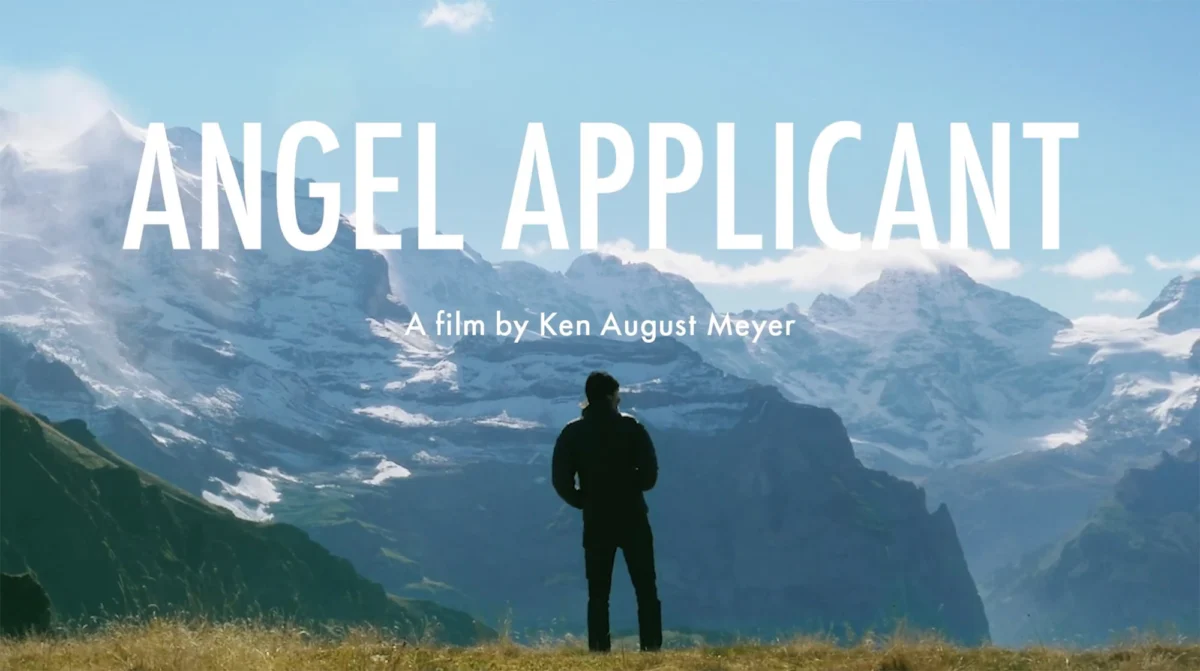
Following its success at SXSW, the documentary was featured at several prestigious festivals, including Hot Docs in Toronto and DOC NYC. Critics praised the film for its "ironic wit" and "whimsical visuals," noting that despite the grim nature of the subject matter, the film maintains a vibrant and life-affirming tone. The production, led by Meyer and producer Jason Roark, utilized high-definition cinematography to capture the breathtaking landscapes of the Swiss Alps and the meticulously preserved works housed at the Zentrum Paul Klee in Bern.
Chronology of the Film’s Release and Distribution
The timeline of Angel Applicant reflects the often-fragmented nature of independent documentary distribution. While the film was a critical darling in 2023, its path to a wider audience was methodical.
- March 2023: World Premiere at SXSW Film Festival; wins Audience Award.
- May–November 2023: International festival circuit, including Hot Docs and DOC NYC.
- 2024: Limited theatrical engagements and educational screenings for medical and art institutions.
- 2025: Grasshopper Film acquires distribution rights and releases the film on DVD and select digital platforms.
- May 2026: A new official trailer is released online, sparking a second wave of interest and bringing the film to the attention of audiences who missed its initial run.
This staggered release strategy has allowed the film to build a grassroots following, particularly among the scleroderma community and art historians who view the film as a vital piece of scholarship on Klee’s final years.
Narrative Structure: A Dialogue Across Time
Angel Applicant is structured as a cinematic dialogue between Meyer and Klee. Meyer serves as the narrator, guide, and protagonist, often speaking directly to Klee through his analysis of the paintings. The film’s title itself is a reference to Klee’s "Angel" series—a collection of nearly 80 drawings and paintings created between 1938 and 1940. These angels are famously imperfect; they are often depicted as clumsy, worried, or "in-between" states of being, reflecting Klee’s own transition between life and death.

The documentary uses these "Angel" paintings as a framework to explore Meyer’s own medical milestones. As Meyer’s skin hardens and his lung capacity diminishes, he finds solace in Klee’s "Angelus Novus" and other works that suggest a spiritual or creative continuation beyond physical decay. The film effectively uses colorful and whimsical visuals to echo Klee’s artistic style, creating a sensory experience that mirrors the "mystique and ironic wit" mentioned in the film’s official synopsis.
Supporting Data: The Impact of Klee’s Late Works
Art historians often divide Klee’s work into distinct phases, but the "Late Klee" period (1937–1940) is considered some of the most influential in the history of modernism. Data from the Zentrum Paul Klee indicates that during these final years, Klee’s output was staggering despite his illness. In 1937, he produced 264 works; in 1938, that number rose to 489; and in 1939, it reached 1,254.
Meyer’s documentary highlights how this surge in productivity was a form of defiance. By analyzing the scale and frequency of Klee’s work, the film provides factual evidence of how creative engagement can serve as a powerful coping mechanism for terminal illness. The documentary also notes that Klee’s influence extended to the Abstract Expressionists in America, including Jackson Pollock and Mark Rothko, who were moved by the raw, emotional honesty of his final pieces.
Broader Implications: Art as a Therapeutic and Historical Tool
The release of Angel Applicant has broader implications for how society views the relationship between disability and creativity. Rather than portraying the artist as a victim of his circumstances, Meyer frames the disease as a catalyst for a new, albeit painful, artistic language. This perspective aligns with contemporary movements in the medical humanities that advocate for the use of art as a diagnostic and therapeutic tool.
Furthermore, the film serves as a reminder of the cultural devastation caused by the Nazi regime’s "Degenerate Art" campaign. By highlighting Klee’s exile, the documentary underscores the importance of artistic freedom and the lasting impact of political persecution on individual lives. The film suggests that while the body can be broken by disease and the spirit challenged by politics, the "testaments of destruction" can ultimately "feed creation."

Conclusion and Future Availability
As of May 2026, Angel Applicant remains a significant entry in the genre of biographical documentaries. The renewed interest generated by the latest trailer suggests that the film’s themes of mortality and resilience remain deeply relevant. For those interested in viewing the film, it is currently available for purchase on DVD via Grasshopper Film and is accessible through various digital rental services.
The film stands as Kenneth August Meyer’s primary feature-length contribution to cinema, a singular work that successfully bridges the gap between a 20th-century master and a 21st-century filmmaker. By documenting his own journey alongside Klee’s, Meyer has created more than just a biography; he has produced a visual manifesto on how to find meaning in the face of the inevitable. Angel Applicant continues to be a vital resource for those navigating chronic illness and a profound piece of art for those who seek to understand the enduring power of the creative impulse.