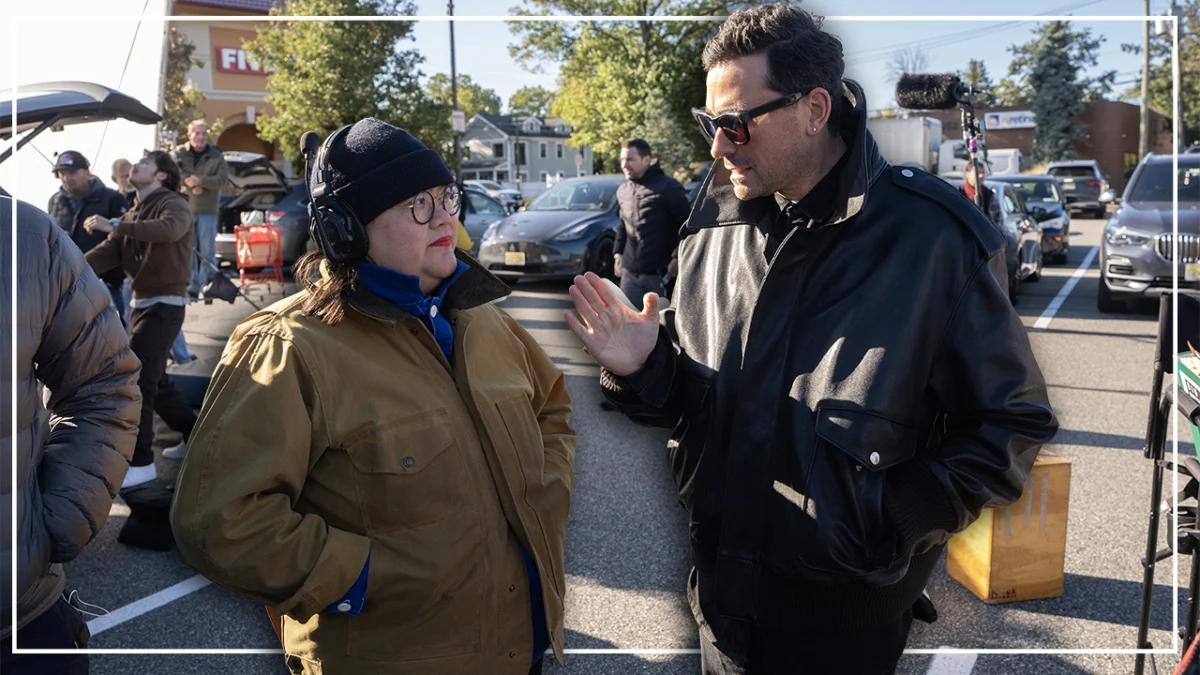
From an early age, Christine Ng harbored a distinct ambition: to be an integral part of a film crew. The acclaimed cinematographer, who lent her visual expertise to four pivotal episodes of Netflix’s burgeoning comedy-crime series Big Mistakes, instinctively knew that the collaborative environment of a production set was her true calling. This profound sense of community, the collective endeavor of assembling a narrative piece by piece, resonated deeply with her artistic spirit. Her journey into the intricate world of visual storytelling is a testament to persistent exploration and a natural gravitation towards the lens.
Ng’s formative years at NYU film school were characterized by a robust exploration of various departmental roles. She donned multiple hats, immersing herself in different facets of production to gain a comprehensive understanding of the filmmaking process. It was towards the culmination of her studies that her true métier crystallized: cinematography. As Ng eloquently described in an interview with What’s on Netflix, she "found her way into it," a path that has since seen her rise through the ranks to become a respected name in the industry. Her portfolio boasts a diverse range of television series, including the critically acclaimed Poker Face, the burgeoning English Teacher, and the satirical talk show Ziwe, each project further honing her distinct visual style and adaptability.
Her most recent venture, Big Mistakes, presented a unique creative challenge and opportunity. The comedy-crime series, co-created by the renowned Dan Levy of Schitt’s Creek fame and the dynamic Rachel Sennott from I Love LA, tasked Ng with capturing the escalating antics of two Jersey siblings embroiled in an unexpected criminal escapade that ultimately leads them to the vibrant, yet perilous, streets of Miami. Ng was specifically responsible for episodes three and four, as well as the climactic penultimate and final episodes, where the narrative’s tonal shifts were most pronounced. This assignment allowed her to delve into the nuanced visual language required to balance humor with mounting suspense, a skill she discussed in detail during her conversation with What’s on Netflix, addressing her creative approach, the delicate genre tightrope, and her enduring reverence for the medium of television.
The Genesis of a Collaboration: Joining ‘Big Mistakes’
Ng’s connection to Big Mistakes predates her involvement with the scripts. Her admiration for Dan Levy’s work, particularly his groundbreaking series Schitt’s Creek, was a significant draw. This professional relationship was further cemented through their collaboration on several commercial projects post-Schitt’s Creek, including a notable EQ Bank commercial directed by Ally Pankiw, where Ng first met Levy alongside his father. This existing rapport proved instrumental when she learned about Levy’s new series.
Upon hearing whispers of the show’s development, Ng proactively reached out to her agents, expressing keen interest and inquiring about production locations and meeting opportunities. When confirmed that filming would take place in New York and New Jersey, her enthusiasm surged. Receiving the scripts, Ng immediately recognized the unique appeal of Big Mistakes. She acknowledged the inherent pressure on a creator like Levy to deliver another hit, particularly one that would diverge from the beloved Schitt’s Creek. This divergence, for Ng, was precisely what made the project so exciting.
"Reading this, I was really excited because I just knew that it wasn’t going to be like Schitt’s Creek. And then I’m like, ‘Well, what’s it going to be like?’" Ng recounted. Her diverse experience, encompassing mystery-thrillers like Poker Face and English Teacher, alongside comedic works, positioned her perfectly for the hybrid genre of Big Mistakes. She viewed the script as a "bridge of all those things that I love," a blend of "spooky, silly comedy crime thing, but then also very funny and grounded in this amazing family dynamic." The prospect of navigating the "fine line between the two genres" on paper was, for her, an exhilarating challenge.
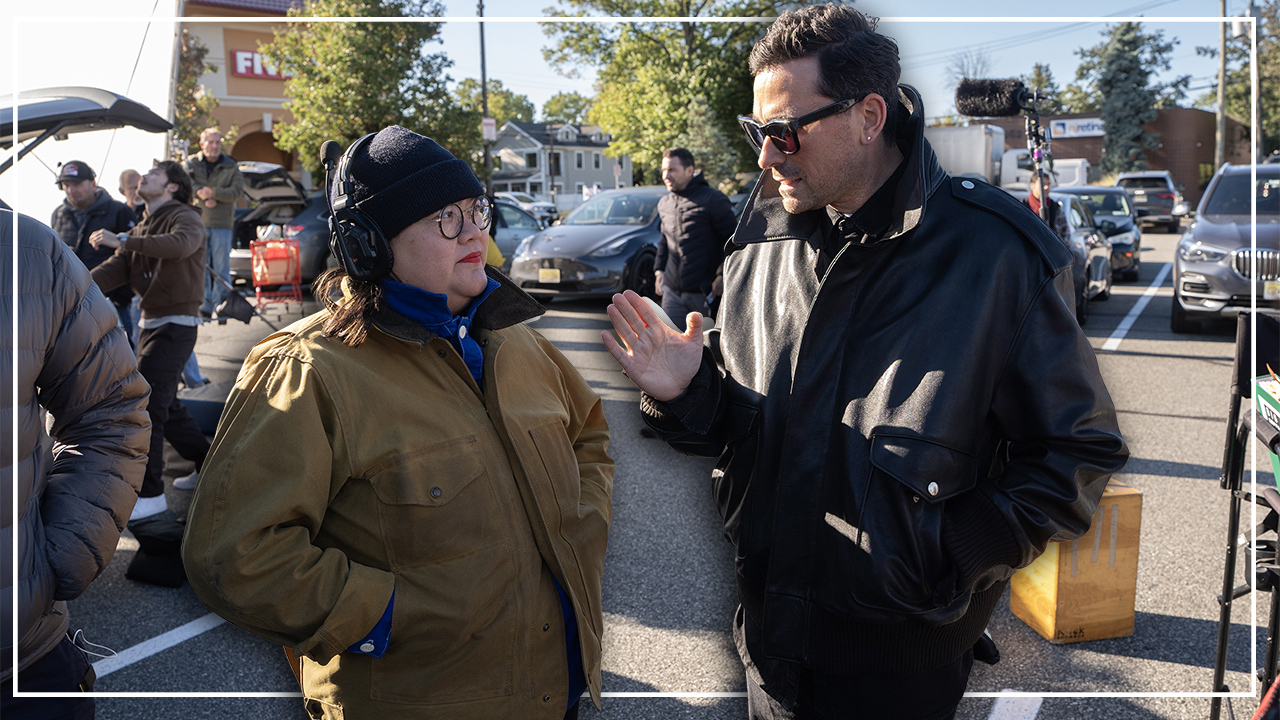
Sculpting the Visual Identity: Balancing Comedy and Crime
The visual representation of comedy and crime typically adheres to distinct aesthetic conventions. Comedy often employs brighter, more open compositions, while crime narratives lean towards moodier lighting, stark contrasts, and a sense of underlying tension. For Big Mistakes, the central visual challenge was to create a cohesive aesthetic that could fluidly transition between these two disparate genres without jarring the viewer. Ng’s approach was to find a nuanced middle ground, a visual language that respected both comedic timing and criminal gravitas.
A unique aspect of Big Mistakes‘s visual development was the collaborative effort between Christine Ng and fellow cinematographer Ava Berkofsky, known for her work on Insecure. Ng expressed long-standing admiration for Berkofsky, who began the show’s visual conceptualization. This early, collaborative dynamic is notably rare in television production, where lead DPs typically establish the look before other cinematographers join. However, Ng and Berkofsky’s existing professional acquaintance fostered an environment of open communication from the outset. They engaged in discussions about lens choices and visual tests, ensuring a shared understanding and consistent vision. "We were texting on the side and being collaborative from the beginning, which is so special and generous of a lead because sometimes that dynamic doesn’t necessarily exist," Ng elaborated, highlighting the spirit of mutual respect that permeated their work.
Once the initial "package" of lenses and camera settings was finalized, Berkofsky commenced shooting, with Ng closely monitoring the dailies. Their collaboration extended to selecting the colorist, Élodie Ichter from Picture Shop, whose expertise became crucial in translating their vision to the screen. Ng emphasized the significant role of the Look Up Table (LUT) in defining the show’s "textural quality," which she describes as "grounded in reality." This visual foundation aimed to make the world of Big Mistakes feel authentic and relatable, yet with an underlying "grittiness." This subtle visual texture proved vital, particularly as the narrative progressed and the characters found themselves in increasingly precarious locations, allowing the "crime thriller aspect" to gradually take precedence over the initial "lighthearted comedy."
The Visual Odyssey: From Jersey Suburbs to Puerto Rican Thrills
The narrative arc of Big Mistakes presented a compelling visual journey, evolving from the familiar, somewhat mundane landscape of a small-town comedy in Edison, New Jersey, to the exotic and dangerous backdrop of a Miami-esque crime story by episode seven. This geographical and tonal shift was a highlight for Ng, offering rich cinematographic opportunities.
The logistical demands of capturing this transition were considerable. Ng recalled being in the midst of shooting a block of episodes (three and four) in Jersey when she began reading the scripts for episodes seven and eight. The stark contrast in settings immediately raised questions about execution: "When are we shooting this? How are we shooting this?" The scripts called for a locale distinct from Jersey, a place with a different climate and iconic palm trees, unmistakably signaling a shift in the characters’ predicament.
The solution was found in Puerto Rico, a decision that necessitated a whirlwind of activity. Ng described the intense schedule: "I remember having to go scout after we finished tech scouting in Jersey and then getting on a plane the next day and scouting over the weekend and coming back and starting the next block and then finishing the block and then getting on a plane and flying to Puerto Rico to shoot that." This relentless pace underscores the dedication and agility required in high-stakes television production. The scenes filmed in Puerto Rico were not merely a change of scenery; they were designed to infuse the narrative with "an element of fear" and signify the characters’ "stepping into this next level" of criminal immersion, far removed from their suburban New Jersey origins. This strategic relocation, Ng noted, "elevates the look of the show" and profoundly enhances the storytelling.
The Nuance of Darkness: Subtlety in Escalation
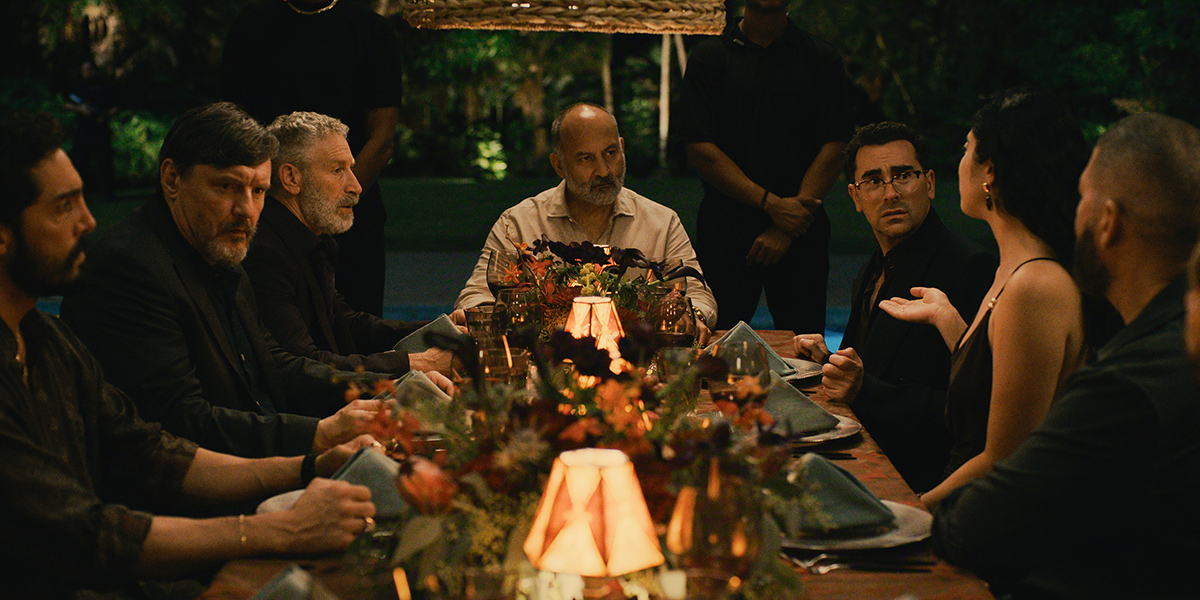
As Big Mistakes veered decisively into crime thriller territory, particularly in its concluding episodes, the temptation might have been to employ overtly dark and shadowy visuals. However, Ng and the creative team, guided by Dan Levy’s keen narrative sensibility, opted for a more nuanced approach. While Ng acknowledged her desire for "more darkness, more shadows by the end," she also understood the importance of moderation. The characters, after their Miami escapade, eventually return to their "normal world" in New Jersey. Overly heavy-handed visual cues could prematurely telegraph plot twists, diminishing the impact of the finale.
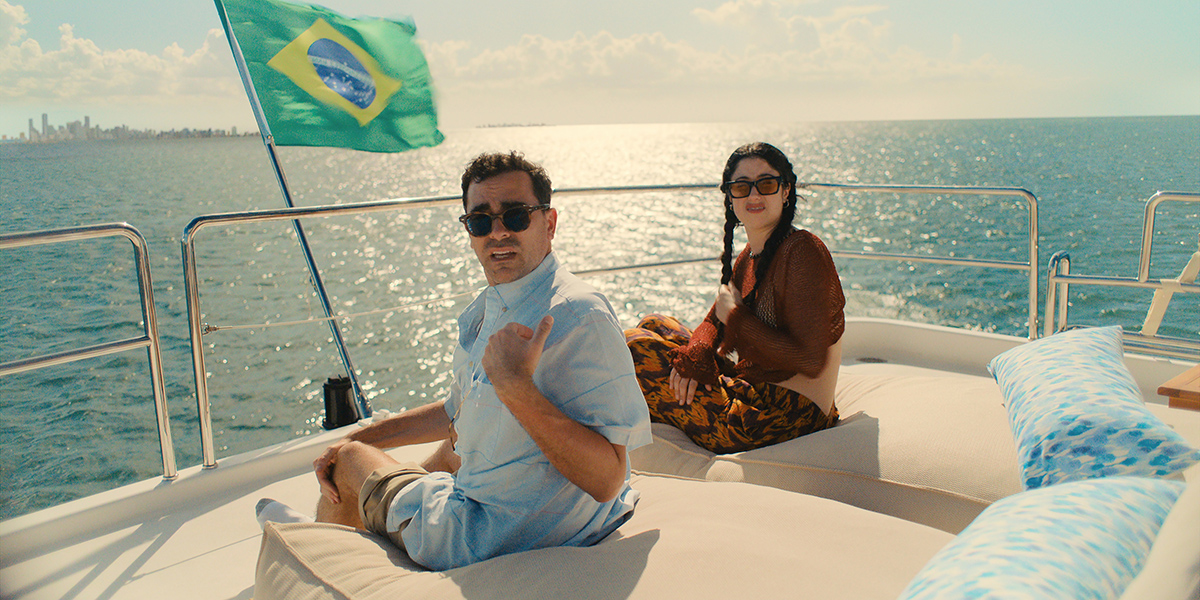
Levy was crucial in communicating this delicate balance. The visual language needed to reflect the characters’ current state without giving away future developments. For instance, the celebratory atmosphere of a mayoral win in the final episodes needed to appear genuinely festive, rather than overtly sinister, to maintain the element of surprise regarding the ending. Pushing the visual darkness too far would have made the audience anticipate another "shoe to drop," undermining the carefully constructed twists.
Nonetheless, opportunities for subtle visual tension were seized. Ng cited a specific scene involving Elizabeth Perkins and Taylor Ortega in a closet as an instance where they allowed for a "little bit more sinister in a very subtle way" lighting treatment. Even after such a moment, the decision was made not to drastically alter the mood of the subsequent party scene, recognizing that "an event like that wouldn’t be so moody." This approach underscores the sophisticated understanding of visual storytelling at play, where mood is woven into the narrative fabric rather than imposed overtly.
The Whirlwind of Production: Camaraderie in Puerto Rico
The Puerto Rico shoot, despite its logistical challenges and rapid pace, proved to be a memorable and rewarding experience for Ng. She described it as a "whirlwind," a testament to the compressed schedule that demanded immediate immersion into filming after intense scouting. The local crew in Puerto Rico played a significant role, not only in their professional execution but also in adding a layer of authenticity and shared experience. Many crew members, being native to the island, shared humorous anecdotes about the filming locations, such as clubs they frequented in their youth, noting how much the places had evolved.
One particular highlight was filming a shootout scene in a lounge within the very hotel where the cast and crew were staying. This proximity led to a celebratory moment post-wrap: "The best part of that was when we were shooting the martini, we were all like, wait, let’s go get martinis literally when we wrapped. We walked up the stairs and went to the hotel bar and got martinis. So much fun." This anecdote encapsulates the camaraderie that often forms during demanding productions.
Ultimately, Puerto Rico provided a fitting and impactful conclusion to a challenging season. Ng reflected on the collective relief and accomplishment felt by the entire team: "It was a hard show. Everything’s hard, like scheduling, timing. When we got to the very end of shooting it, everyone was like, ‘Ugh, we can breathe.’ We did it. It was such a great sense of camaraderie to be there together." This shared experience underscored the unifying power of filmmaking.
The Enduring Influence of Television: A Lifelong Connection
Christine Ng’s deep-seated connection to television traces back to her childhood, a formative period shaped by cultural immersion and accidental discovery. Born in Hong Kong, she moved to the United States at two and a half, only to return to Hong Kong for a year at age nine. During these transitions, television served as a constant. Her parents, who were not fluent in English upon arriving in America, relied on Hong Kong television, which inadvertently fostered Ng’s fluency in Cantonese.
The pivotal moment that ignited her passion for filmmaking occurred during her year in Hong Kong. She vividly recalls a day when, walking outside her apartment, she stumbled upon a television show being filmed. Her favorite Cantonese pop singer, also an actor, was on set. This unexpected encounter was transformative. "Actually, that was the moment when I was like, oh my God, I want to work on film," she shared. The sheer scale of the operation, with "a hundred people around making stuff," opened her eyes to the collaborative effort behind storytelling. Her parents, in a surprisingly liberal move for the time, allowed her to stay up all night to watch the production unfold, solidifying this nascent interest.
Upon returning to America, television continued to play a significant role. Shows like those on the TGIF lineup, including Saved by the Bell, became cultural touchstones. Ng appreciated these "sitcom-y" programs for their "really good values for children." Unlike many children, Ng experienced a relatively unrestricted relationship with television. Her parents, perhaps due to language barriers or a different cultural perspective, permitted her to watch "whatever," largely unaware of the content. This freedom allowed her to explore a vast array of programming, cementing television’s "special place" in her life.
Broader Implications and the Future of Visual Storytelling
Christine Ng’s work on Big Mistakes exemplifies a growing trend in contemporary television, where cinematographers are increasingly challenged to craft sophisticated visual narratives that transcend traditional genre boundaries. Her ability to seamlessly pivot from the comedic, grounded realism of New Jersey to the suspenseful, grittier aesthetic of Puerto Rico showcases a versatility crucial in an era of complex, multi-genre storytelling. This project not only highlights her individual talent but also underscores the importance of collaborative efforts in achieving a cohesive visual identity across a season. The early and generous partnership with Ava Berkofsky, facilitated by mutual respect, serves as a model for effective co-cinematography, ensuring visual consistency even with multiple DPs.
Furthermore, Big Mistakes represents a strategic evolution for creators like Dan Levy, demonstrating their commitment to exploring new creative territories beyond their established successes. The show’s blend of humor and crime, visually supported by Ng’s keen eye, allows for a broader appeal and fresh narrative exploration. The intricate dance between subtle visual cues and overt atmospheric shifts, as discussed by Ng, is critical in maintaining narrative suspense and delivering satisfying plot twists without resorting to heavy-handed exposition.
Ng’s journey, from a child captivated by a Hong Kong film set to a leading cinematographer shaping the visual landscape of a major Netflix series, also speaks to the increasing diversity of voices and perspectives behind the camera. Her unique cultural background and lifelong appreciation for television enrich her approach to visual storytelling, contributing to the nuanced and multifaceted narratives that define modern media. As television continues to push creative boundaries, the role of cinematographers like Christine Ng, who can expertly navigate complex genre blends and demanding production schedules while maintaining a consistent and compelling visual language, will remain indispensable in shaping the future of storytelling. Her enduring passion for the medium, rooted in childhood fascination, continues to drive her innovative contributions to the world of film and television.