Following a four-year absence from filmmaking after his arrest in 2005, acclaimed Japanese director Toshiaki Toyoda made a significant return in 2009 with "Blood of Rebirth" (血の轍, Chi no Wadachi). This feature film, released amidst considerable anticipation from cinephiles and industry observers, was not merely a new work but stood as a profound personal and artistic statement, signaling a marked shift in the filmmaker’s thematic concerns and aesthetic approach. Known previously for critically lauded works such as the raw youth drama "Blue Spring" (2001) and the complex family portrait "Hanging Garden" (2005), Toyoda’s comeback project reintroduced a director grappling with deeply personal experiences and channeling them into a unique, punk-infused spiritual allegory.
The Director’s Hiatus and Return
Toshiaki Toyoda’s career had been on a notable ascent through the late 1990s and early 2000s. His films, often characterized by their gritty realism, explorations of alienation, and distinctive visual style, garnered international recognition. "Blue Spring," in particular, cemented his reputation as a vital voice in contemporary Japanese cinema, known for its unflinching portrayal of disaffected youth. However, this trajectory was abruptly interrupted in 2005 when Toyoda was arrested on charges of cannabis possession. In Japan, drug offenses carry severe social and professional consequences, often leading to public condemnation and significant career setbacks, particularly in the entertainment industry. The arrest led to a four-year hiatus during which Toyoda’s future in filmmaking remained uncertain. The period following such incidents can be exceptionally challenging for artists, often involving public scrutiny, loss of funding opportunities, and a reevaluation of their craft.
"Blood of Rebirth" thus emerged not just as a new film, but as a symbolic act of artistic defiance and renewal. Produced under stringent low-budget conditions and reportedly shot with remarkable speed—in a mere ten days—the film represents a deliberate stripping away of conventional filmmaking luxuries, forcing an intense focus on raw expression and thematic urgency. This constrained production environment arguably fostered the very distinct, almost visceral style that defines the movie. The project was widely interpreted as Toyoda’s attempt to reclaim his narrative, both personally and artistically, after a period of enforced introspection.
A Deep Dive into Japanese Folklore: The Oguri Hangan Legend
At the core of "Blood of Rebirth" lies an adaptation of the classic Japanese joruri (puppet theater) tale of Oguri Hangan. This ancient legend, steeped in themes of betrayal, death, resurrection, and redemption, provided Toyoda with a rich mythological framework through which to explore contemporary anxieties and personal struggles. The Oguri Hangan legend, originating from medieval Japan, recounts the extraordinary life of Oguri, a virtuous and handsome warrior or prince, who is poisoned by his jealous rival or an enraged king after refusing to pledge loyalty or seducing a princess.
According to the legend, Oguri dies and is cast into hell. However, due to his inherent goodness or divine intervention, he is allowed to return to the mortal world, albeit in a horrifying, disfigured, and severely impaired state, often depicted as a rotting corpse or a skeletal figure. He is then carried across the land in a cart by his faithful lover, Princess Terute, seeking a miraculous "resurrection bath" (often associated with hot springs or sacred waters) that can restore his humanity and health. The journey is arduous, fraught with challenges, and serves as a testament to Terute’s unwavering devotion and Oguri’s enduring spirit. The tale culminates in Oguri’s eventual restoration and often a triumphant revenge against those who wronged him.
Toyoda’s choice to adapt this specific legend is highly significant. The narrative arc of death, suffering, return, and rebirth resonated deeply with the director’s own experience of professional demise and artistic resurrection. By transplanting this historical narrative into a punk-infused, spiritual allegory, Toyoda bridged ancient myth with a contemporary, often rebellious, sensibility, suggesting that universal themes of struggle and renewal transcend time and cultural specificities. The legend’s emphasis on confronting death and returning transformed also speaks to the profound personal changes Toyoda might have undergone during his hiatus.
Thematic Evolution and Stylistic Precursor
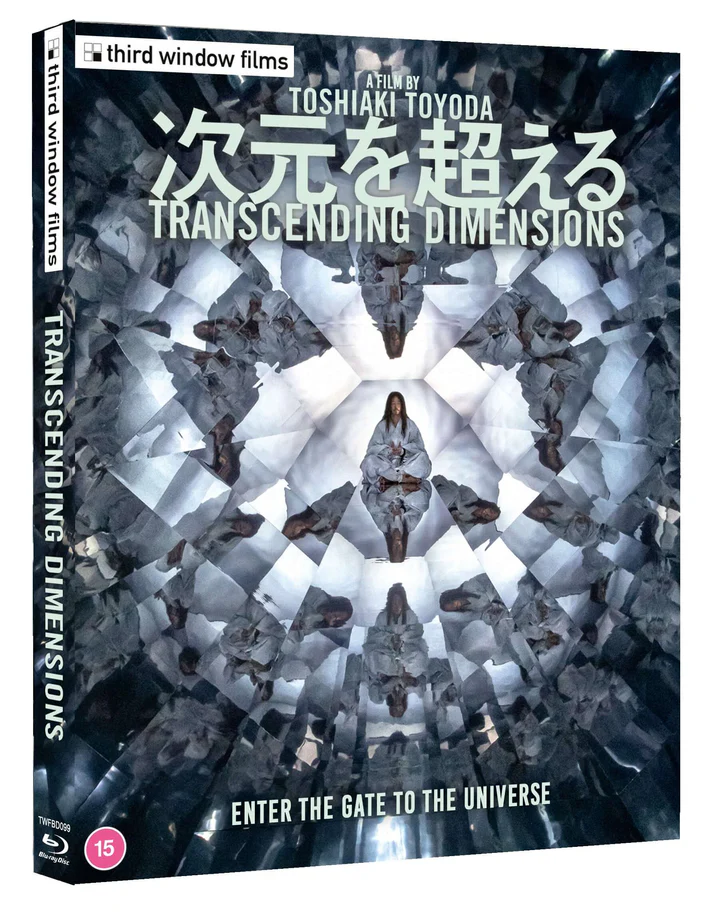
"Blood of Rebirth" marks a discernible turning point in Toyoda’s filmography, particularly toward the spiritual and metaphysical themes that would become increasingly prevalent in his subsequent works. Films like "The Day of Destruction" (2020) and "Transcending Dimensions" (2024) demonstrably build upon the stylistic and thematic foundations laid in this 2009 comeback film. In "Blood of Rebirth," the conventional narrative structure takes a backseat to a sensory and spiritual experience. It operates less as a traditional story with a clear plot progression and more as an immersive ritual, inviting viewers to engage on a deeper, often visceral, level.
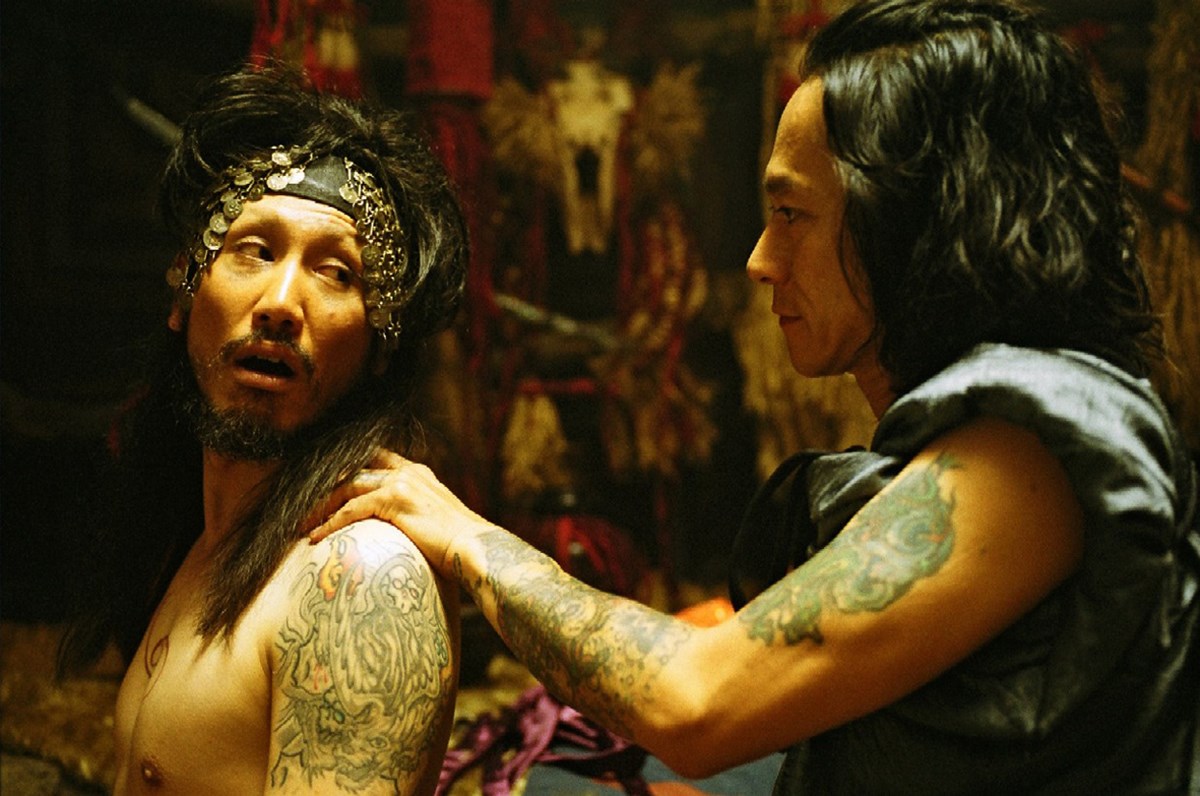
The film’s narrative, set in a mythic world predating human dominance, introduces Oguri, a gifted blind masseur. His refusal to pledge allegiance to a tyrannical king, who suffers from a mysterious illness, provokes a wrathful execution after the king gets him drunk and forces him to stay. Oguri’s journey, however, does not conclude with his death. He navigates the liminal space between life and death, confronting a gatekeeper of the underworld before his eventual, severely impaired return to the mortal realm. Stripped of bodily autonomy, he encounters Princess Terute, who harbors feelings for him and embarks on a quest to restore his humanity via the mythical "resurrection bath." This journey transforms into a path of revenge, rebirth, and a confrontation with the dark forces that permeate both worlds, reflecting the cyclical nature of struggle and transcendence.
This emphasis on spiritual and metaphysical elements, combined with a fragmented narrative, challenging allegories, and extended naturalistic sequences focusing on the raw beauty of the forest, makes "Blood of Rebirth" a demanding viewing experience. The film prioritizes mood, atmosphere, and symbolic resonance over straightforward plot development. However, the undeniable beauty of many of its images, coupled with the ritualistic presentation of violence and the film’s unique blend of tragedy and Toyoda’s characteristic dark humor, coalesce into a profoundly rewarding experience for those willing to engage with its unconventional approach. The climactic sequences, particularly a "floating head" battle, introduce an appealing element of absurdity that underscores the film’s unique sensibility, while its poignant, unforgettable ending resonates long after viewing.
The Ensemble: Raw Performances and Punk Sensibility
The performances in "Blood of Rebirth" align seamlessly with the film’s raw, almost primal aesthetic. Tatsuya Nakamura, former drummer of the iconic Japanese punk rock band BLANKEY JET CITY, takes on the lead role of Oguri. His portrayal relies less on traditional acting techniques and more on his formidable presence and physical intensity. Nakamura’s intense gaze and enigmatic aura serve as the film’s anchor, grounding the narrative even when it veers into abstraction. His background in punk music undoubtedly contributed to the film’s overall rebellious and visceral energy.
Kiyohiko Shibukawa, a frequent collaborator with independent Japanese filmmakers, delivers a standout performance as the tyrannical king. He embodies menace with unsettling ease, his understated delivery amplifying the character’s unpredictability and making him one of the film’s most compelling figures. Mayu Kusakari brings a fragile sincerity to Princess Terute, providing a crucial emotional counterpoint to the surrounding chaos and violence, symbolizing hope and unwavering devotion amidst despair. The ensemble’s collective raw energy contributes significantly to the film’s distinctive atmosphere, creating characters who feel both mythical and intensely human.
Visuals, Sound, and Editing: Crafting a Hypnotic Experience
Visually, "Blood of Rebirth" deftly navigates the space between arthouse sensibilities and experimental cinema, with occasional flourishes of exploitation aesthetics. Cinematographer Toyotaro Shigemori masterfully captures the lush, verdant greens of the natural forest settings, contrasting them with the dystopian starkness of other environments. This multi-layered approach to visuals reinforces the film’s thematic duality, portraying a world both ancient and decaying, beautiful and brutal. The depiction of reds, particularly associated with blood, is rendered with striking intensity, highlighting moments of violence and sacrifice with visceral impact.
Masaki Murakami’s editing contributes to a deliberately slow, almost hypnotic pace. The extensive use of slow motion enhances this effect, drawing viewers into a trance-like state that mirrors the film’s ritualistic nature. This unhurried rhythm allows for deep immersion in the film’s atmospheric qualities, compelling viewers to contemplate rather than merely observe.
However, it is arguably the music that stands out as the most dominant and defining element of "Blood of Rebirth." The score, crafted by the TWIN TAIL unit—which includes both director Toyoda and lead actor Nakamura, alongside other musicians—is not merely incidental. It permeates and dictates both the film’s pace and its overarching atmosphere. Characterized by pounding drums, experimental compositions, and a relentless, almost primal energy, the music transforms the film into an experience akin to an extended music video. This deliberate choice underscores the punk sensibility, using sound as a narrative and emotional driver, transcending conventional dialogue to communicate directly with the audience’s senses. The absence of extensive dialogue further emphasizes the reliance on visual and aural storytelling, challenging viewers to interpret meaning from gestures, expressions, and the immersive soundscape.
Broader Impact and Implications
"Blood of Rebirth" was not designed as an easy watch, nor did it attempt to conform to commercial expectations. It is a film born of instinct, anger, and a fierce commitment to creative freedom. Its release in 2009 was met with a mix of critical intrigue and admiration for its uncompromising vision. For Toyoda, it functioned as both a powerful comeback statement and a clear declaration of a new, more spiritually inclined cinematic style. The film’s challenging structure and allegorical depth positioned it as a work for discerning audiences, cementing Toyoda’s reputation as a director unafraid to push boundaries and explore complex themes in unconventional ways.
The film’s reception also highlighted the resilience of independent filmmaking in Japan. Despite the director’s personal controversies and the constraints of a low budget, "Blood of Rebirth" demonstrated that artistic vision could triumph over adversity. It showed that unconventional narratives and challenging aesthetics could still find an audience, even in a market often dominated by more mainstream productions. Its success, even on an independent scale, sent a message of hope for other artists facing similar challenges.
Legacy and Future Directions
"Blood of Rebirth" stands as a pivotal work in Toshiaki Toyoda’s career. It not only marked his return to filmmaking but also laid the groundwork for his subsequent explorations of spirituality, environmentalism, and societal disillusionment. The film’s unique blend of mythological adaptation, punk rock energy, and deeply spiritual introspection established a template for his later, equally distinct works. It proved that a filmmaker could undergo a personal and professional crisis, only to emerge with an even more potent and singular artistic voice.
For those willing to engage with its demanding yet rewarding unconventional approach, "Blood of Rebirth" offers a uniquely powerful cinematic experience. It is a testament to the transformative power of art, a visceral journey through death and rebirth, and a defiant assertion of a director’s enduring creative spirit in the face of personal and professional challenges. Its continued relevance lies in its fearless exploration of universal themes and its enduring aesthetic impact, solidifying its place as a significant work in contemporary Japanese independent cinema.