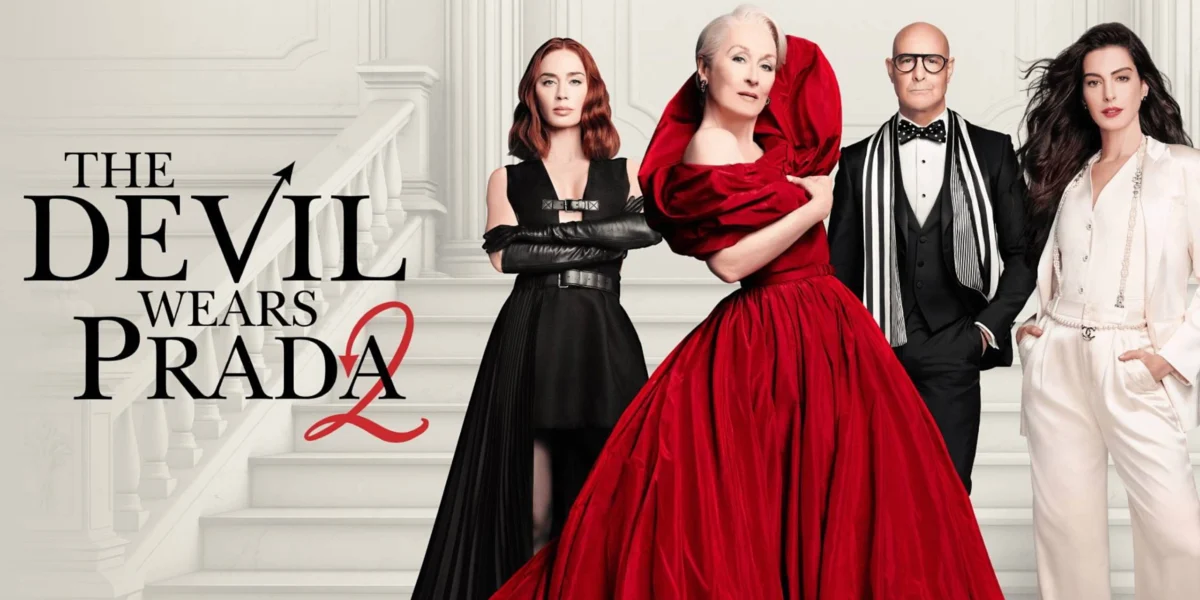
The cinematic landscape has witnessed the return of one of its most formidable protagonists as The Next Best Picture Podcast released its comprehensive review of the highly anticipated sequel, The Devil Wears Prada 2. Featuring a panel of veteran critics including Josh Parham, Dan Bayer, and Cody Dericks, led by Matt Neglia, the discussion delved into the intricacies of the follow-up to the 2006 cult classic. The sequel arrives nearly two decades after the original film redefined the fashion-drama subgenre, reuniting Academy Award winner Meryl Streep with Anne Hathaway, Emily Blunt, and Stanley Tucci. The film also introduces new high-profile talent to the ensemble, including Justin Theroux and Kenneth Branagh, under a narrative framework that examines the volatility of the modern publishing industry.
Narrative Evolution and the Survival of Runway Magazine
The Devil Wears Prada 2 shifts the focus from the personal professional growth of a junior assistant to a broader systemic crisis within the media industry. The plot centers on Miranda Priestly, the legendary and exacting editor-in-chief of Runway Magazine, as she navigates the terminal decline of traditional print journalism. In an era dominated by digital immediacy and dwindling advertising revenue, the film portrays the struggle to maintain prestige in a "post-truth" and "post-print" world.
According to the podcast review, the sequel successfully updates the stakes for the 2020s. While the 2006 original was a coming-of-age story set against the backdrop of a booming magazine industry, the sequel is described as a corporate survival thriller. The panel noted that the inclusion of Kenneth Branagh and Justin Theroux adds a layer of institutional tension, representing the financial and technological pressures that threaten Priestly’s empire. The narrative explores whether the "Runway" brand can survive without compromising the high-art standards Miranda Priestly has spent her life defending.
Chronology of a Legacy: From 2006 to the Present
The journey to a sequel has been a subject of industry speculation for over eighteen years. The original film, directed by David Frankel and based on the novel by Lauren Weisberger, was a massive commercial and critical success. Released in June 2006, it earned over $326 million globally against a $35 million budget. It further solidified Meryl Streep’s status as a box-office draw and catapulted Anne Hathaway and Emily Blunt into the upper echelons of Hollywood stardom.
For years, both the cast and the studio, 20th Century Studios (formerly Fox 2000), remained hesitant about a direct sequel, despite the publication of Weisberger’s 2013 follow-up novel, Revenge Wears Prada: The Devil Returns. However, the changing landscape of streaming and the resurgence of "legacy sequels" eventually provided the necessary momentum for the project. Development officially accelerated in the early 2020s when a script was finalized that moved away from the specific plot of the second book, opting instead for an original screenplay that addressed the contemporary collapse of the magazine industry.
Performance Analysis: Returning Icons and New Antagonists
A significant portion of the Next Best Picture review focused on the performances of the returning cast. Meryl Streep’s portrayal of Miranda Priestly remains the anchor of the film. The critics observed that Streep’s performance in the sequel is more nuanced, reflecting a character who is no longer just a "dragon lady" boss but a titan fighting against obsolescence. The panel highlighted how Streep balances Priestly’s signature icy composure with a newfound sense of vulnerability as her influence begins to wane.
Anne Hathaway and Emily Blunt return as Andy Sachs and Emily Charlton, respectively. The sequel finds their characters in vastly different positions than where they were left at the end of the 2006 film. The review pointed out that the chemistry between Hathaway and Blunt has evolved, providing a more mature counterpoint to the high-intensity environment of Runway. Stanley Tucci also returns as Nigel Kipling, continuing his role as the emotional heart of the fashion house.
The addition of Justin Theroux and Kenneth Branagh was noted as a masterstroke in casting. While specific plot details regarding their roles were discussed in the spoiler-filled segment of the podcast, the critics indicated that these characters serve as the primary catalysts for the film’s central conflict, representing the "new guard" of corporate restructuring and digital disruption.
Technical Excellence: Costume Design and Production
The Devil Wears Prada is inextricably linked with its aesthetic presentation, particularly its costume design. The original film’s wardrobe, curated by Patricia Field, earned an Academy Award nomination and became a benchmark for fashion in film. The sequel reportedly meets these high expectations, with the podcast panel praising the updated costume design for reflecting the shift from mid-2000s opulence to the minimalist and sustainable trends of the 2020s.

The production design also received accolades for its depiction of a modernizing New York City and the changing interiors of the Runway offices. The critics noted that the film uses its visual language to tell a story of transition, contrasting the classic, velvet-lined history of the fashion world with the cold, sterile environments of the tech conglomerates attempting to acquire it.
Industry Context: The Crisis of Fashion Journalism
The film’s thematic core—the struggle of print media—is grounded in real-world data. Since the release of the first film in 2006, the magazine industry has faced unprecedented challenges. According to industry reports, advertising revenue for traditional print magazines has plummeted by over 50% in the last decade, with many legacy titles folding or moving to digital-only formats.
The Next Best Picture critics emphasized that the film does not shy away from these harsh realities. By positioning Miranda Priestly against the backdrop of a dying medium, the film serves as a meta-commentary on the state of the arts and journalism. This realism adds a layer of gravitas to the sequel that distinguishes it from the more lighthearted tone of its predecessor.
Awards Season Forecast and Critical Reception
As the film enters the awards conversation, the Next Best Picture team provided an early analysis of its Oscar potential. Given the history of the franchise—Meryl Streep received an Academy Award nomination for Best Actress for the original—the sequel is expected to be a strong contender in several categories.
The panel identified Best Actress (Streep), Best Supporting Actress (Blunt), and Best Costume Design as the most likely avenues for recognition. There was also discussion regarding the film’s potential in the Best Adapted Screenplay and Best Production Design categories. The critics noted that if the film resonates with the Academy’s older voting demographic, who have lived through the industry shifts depicted in the movie, it could emerge as a significant player in the year-end awards race.
Broader Impact and Cultural Implications
The release of The Devil Wears Prada 2 marks a pivotal moment for legacy sequels. While many such projects rely on nostalgia, the podcast review suggests that this film justifies its existence by offering a substantive update on its characters and themes. It addresses the "girlboss" archetype of the 2000s through a more critical, modern lens, questioning what it means to be a powerful woman in an industry that is being dismantled by algorithmic trends and venture capital.
Furthermore, the film’s exploration of the "death of journalism" serves as a timely reminder of the value of editorial curation. In an age of influencer-driven content, the film argues for the importance of the "Miranda Priestlys" of the world—individuals with the taste and authority to dictate culture rather than simply follow it.
Conclusion and Podcast Information
The Next Best Picture Podcast’s review of The Devil Wears Prada 2 offers a deep dive into a film that is both a tribute to its predecessor and a sharp critique of the modern media landscape. The discussion led by Matt Neglia, Josh Parham, Dan Bayer, and Cody Dericks provides listeners with an expert breakdown of why this sequel succeeded where many others failed: by honoring the legacy of its characters while placing them in a high-stakes, contemporary conflict.
The Next Best Picture Podcast is a member of the Evergreen Podcasts Network. The full, spoiler-filled review is available on all major podcasting platforms, including Apple Podcasts and Spotify. For listeners seeking an ad-free experience and exclusive content, the outlet offers a subscription tier via Patreon. As the film continues its theatrical run and moves into the heat of awards season, the insights provided by the Next Best Picture team remain essential for cinephiles and industry observers alike.