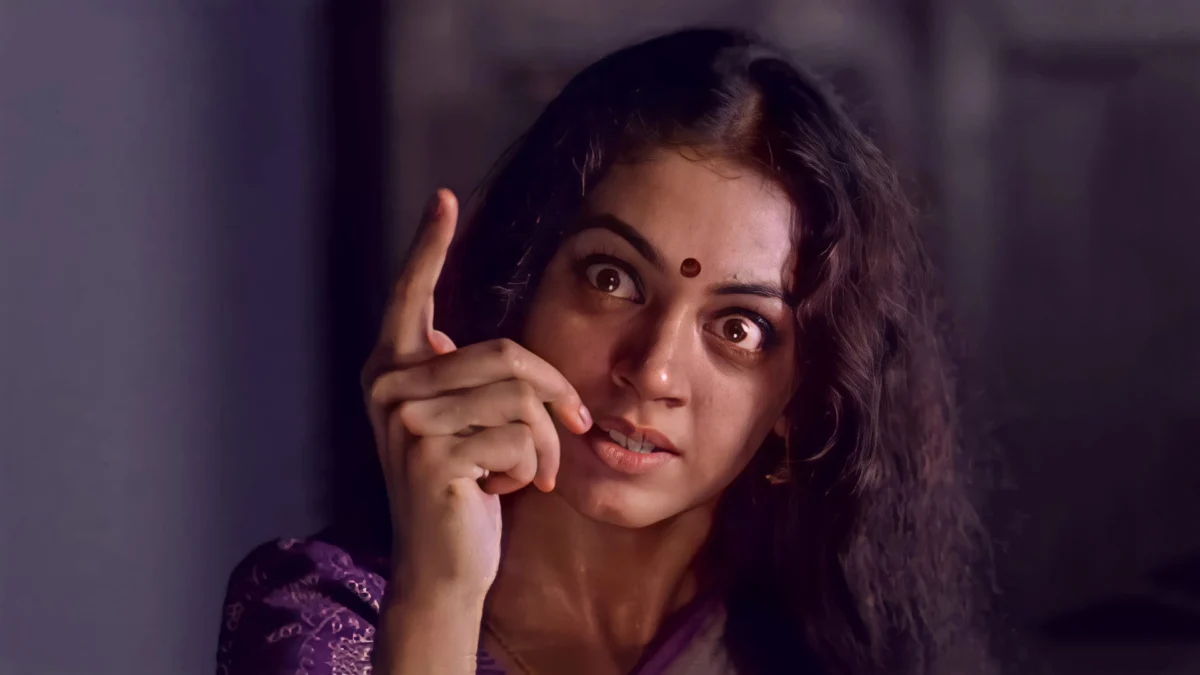
Released in 1993, Fazil’s acclaimed psychological horror film "Manichithrathazhu" stands as an undisputed pillar of Malayalam cinema, maintaining its profound power and cultural resonance decades after its initial debut. Its enormous popularity upon release was well-earned, and the critical acclaim it garnered persists today, having significantly contributed to bringing numerous talents into the industry and setting new benchmarks for genre filmmaking. The film’s intricate narrative, stellar performances, and innovative blend of folklore with psychological insights ensure its status as an all-time classic, continuously drawing new generations of viewers while remaining a subject of academic study and popular discussion.
The Genesis of a Cinematic Phenomenon: Contextualizing Malayalam Cinema in the Early 1990s
The early 1990s marked a significant period for Malayalam cinema, often referred to as a "golden era" characterized by a blend of artistic integrity and commercial viability. This period saw the emergence of filmmakers who were willing to experiment with genres and storytelling techniques, moving beyond conventional narratives to explore deeper social and psychological themes. Directors like Adoor Gopalakrishnan, G. Aravindan, and K.G. George had already laid a strong foundation for parallel cinema, while commercial directors such as Priyadarshan, Sibi Malayil, and Kamal were delivering blockbusters that resonated with the masses. It was within this vibrant and competitive landscape that "Manichithrathazhu" emerged, distinguishing itself by deftly weaving together elements of horror, mystery, psychological thriller, and cultural drama in a manner previously unseen.
The film’s success can be attributed not just to its individual brilliance but also to the fertile ground provided by a mature and appreciative audience base in Kerala, known for its literacy rates and discerning taste in cinema. This era fostered an environment where films could push boundaries, tackling complex subjects with nuance and artistic merit. "Manichithrathazhu" capitalized on this by presenting a story deeply rooted in local folklore and architectural heritage, yet universal in its exploration of the human psyche.
Crafting the Masterpiece: Production Insights and Creative Collaborations
The journey of "Manichithrathazhu" from script to screen was a testament to collaborative genius. The narrative, penned by writer Madhu Muttam, broke away from conventional horror tropes by focusing on a slow-burning psychological unraveling rather than overt supernatural scares. Muttam’s script was reportedly inspired by a real-life incident and extensive research into dissociative identity disorder (DID), a rare and complex mental health condition. This foundation allowed director Fazil to craft a film that was intellectually stimulating while remaining deeply unsettling.
Fazil, a director known for his sensitive handling of family dramas and thrillers, meticulously brought Muttam’s vision to life. His decision to eschew a traditional historical prologue, instead allowing the legend to unfold through oral history and character interactions, was a critical narrative choice. As Nakulan and Ganga move into the ancestral Madampalli mansion, the family’s oral history serves as the primary vessel for the lore. The legend of the vengeful dancer Nagavalli, locked away in the "Thekkini" after her lover was murdered by a jealous feudal lord, is introduced with a localized flavor that imbues the house itself with a palpable, living history, making it a character in its own right.
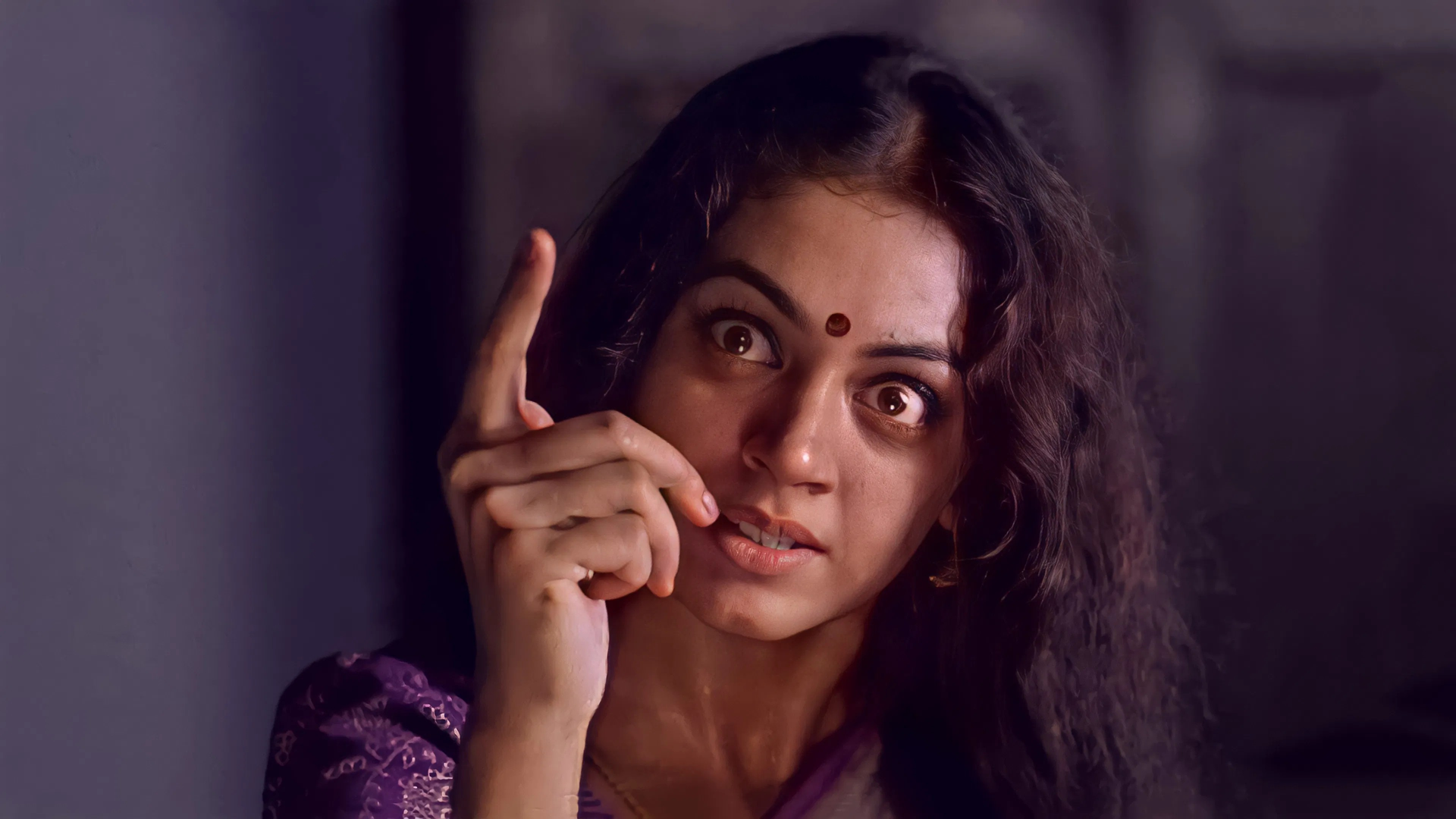
The casting of "Manichithrathazhu" was another stroke of genius, bringing together some of Malayalam cinema’s most formidable talents. Mohanlal, in the role of Dr. Sunny Joseph, a psychiatrist from America, delivered a performance that blended his characteristic charm with sharp intellectualism, providing the film’s scientific anchor. His portrayal of a man navigating the intricate web of ancient beliefs and modern psychology was pivotal. Shobhana, as Ganga, delivered a career-defining performance that earned her the National Film Award for Best Actress. Her ability to transition between the seemingly innocent Ganga and the terrifyingly vengeful Nagavalli was mesmerizing and remains one of the most iconic performances in Indian cinema history. Suresh Gopi, as Nakulan, provided a compelling counterpoint, his initial skepticism giving way to a desperate search for answers.
The ensemble cast, including Nedumudi Venu (Thambi), K. P. A. C. Lalitha (Bhasura), and Innocent (Unnithan), further enriched the narrative with their nuanced portrayals of traditional family members grappling with extraordinary circumstances. The film’s technical aspects were equally commendable. Venu’s cinematography captured the grandeur and eerie atmosphere of the ancestral home, while the musical score by M.G. Radhakrishnan, with additional background scores by Johnson, became instantly iconic. The song "Oru Murai Vanthu Parthaya" and the haunting "Pazham Tamil Pattizhayum" are deeply intertwined with the film’s identity, enhancing its emotional and psychological impact.
A Narrative of Innovation: Subverting Tropes and Exploring the Psyche
"Manichithrathazhu" truly excelled in its mechanical subversion of the possession trope. Rather than relying on standard exorcism clichés and overt supernatural manifestations, the haunting manifests through a series of subtle yet unnerving "glitches" in reality. Objects breaking inexplicably, unexplainable fires, and subtle, disturbing shifts in personality create an atmosphere of creeping dread that is far more potent than jump scares. This approach allowed the film to operate on multiple levels, appealing to both those who believed in the supernatural and those who sought rational explanations.
The arrival of Dr. Sunny Joseph introduces a fascinating tension between psychological science and ancient tantric tradition. By framing the "possession" as a potential dissociative identity disorder, the film elevated the genre beyond simple scares into a high-stakes race to identify the afflicted individual and understand the root cause of their psychological distress. This intellectual battle between superstition and science is one of the film’s most enduring appeals. Dr. Sunny’s methods, which involve deep dives into the patient’s past, environmental triggers, and carefully constructed therapeutic interventions, feel remarkably ahead of their time for a commercial Indian film.
The climax of the film, featuring an elaborate ritual designed to offer "closure" through psychological trickery and colorful ceremony, remains one of the most creative and talked-about resolutions in horror history. It masterfully blurs the lines between what is perceived as supernatural intervention and what is meticulously orchestrated psychological manipulation. This sophisticated resolution solidified the film’s reputation as an intelligent thriller that respected its audience’s intelligence.
Structural Nuances and Minor Indulgences: A Balanced Perspective
While "Manichithrathazhu" is widely celebrated as a masterpiece, a balanced critical assessment acknowledges a few minor structural indulgences. The film’s primary flaw, from a purely narrative efficiency standpoint, lies in its heavy reliance on a narrative red herring involving Sreedevi (Vinaya Prasad). The script dedicates considerable effort to painting her as a potential vessel for Nagavalli’s spirit, but the logical foundation for this often falters. Sreedevi’s character is relatively underdeveloped, and her connection to the "target" of Nagavalli’s revenge feels murky. While this deviation was likely intended to keep the audience guessing and heighten suspense, it occasionally feels like wasted screen time that could have been better utilized in fleshing out other secondary characters or streamlining the film’s pacing.
Additionally, the film, like many of its era, occasionally suffers from tonal fluctuations. A few comedic subplots, particularly those involving a quirky neighbor with an exaggerated personality disorder, sometimes feel disconnected from the mounting dread and psychological tension within the mansion. While these elements were common in mainstream Indian cinema to provide comic relief, in retrospect, they can momentarily detract from the film’s otherwise taut atmosphere. Similarly, the deep dives into the historical backstory of Ramanathan and the Karnavar, while essential for establishing the legend, occasionally stretch the runtime, causing the middle act to feel slightly overlong. However, these are minor gripes in what is otherwise an exceptionally well-crafted and airtight psychological thriller.
Release, Acclaim, and Immediate Impact: A Resounding Success
Upon its release in 1993, "Manichithrathazhu" was an immediate critical and commercial triumph. It was one of the highest-grossing Malayalam films of the year, cementing its status as a blockbuster. The film garnered widespread praise from critics for its innovative script, stellar direction, and groundbreaking performances, particularly Shobhana’s.
Its success was recognized at the 41st National Film Awards, where Shobhana received the National Film Award for Best Actress, and the film won the National Film Award for Best Popular Film Providing Wholesome Entertainment. It also swept many categories at the Kerala State Film Awards, further solidifying its critical acclaim. The film’s intricate plot, memorable dialogues, and haunting music quickly entered the popular consciousness, establishing "Manichithrathazhu" as a cultural touchstone.
Enduring Legacy and Pan-Indian Influence: The Remake Phenomenon
The true testament to "Manichithrathazhu"’s genius and widespread appeal lies in its unparalleled legacy and the numerous remakes it inspired across various Indian languages. This phenomenon highlights not only the film’s universal themes but also its robust narrative structure that could be adapted to different cultural contexts.
- Apthamitra (Kannada, 2004): Directed by P. Vasu and starring Vishnuvardhan and Soundarya, this was the first remake and a massive blockbuster in Kannada cinema. Its success paved the way for other language adaptations.
- Chandramukhi (Tamil, 2005): Also directed by P. Vasu, this version starred Rajinikanth, Jyothika, and Nayanthara. It became one of the highest-grossing Tamil films of all time and further cemented the story’s appeal, with Jyothika’s performance drawing particular praise, often compared to Shobhana’s original.
- Bhool Bhulaiyaa (Hindi, 2007): Directed by Priyadarshan and starring Akshay Kumar, Vidya Balan, and Shiney Ahuja, this Hindi remake was a commercial success and introduced the story to a much wider national audience. Vidya Balan’s portrayal of the afflicted character was critically acclaimed, while Akshay Kumar’s comedic yet intelligent Dr. Aditya Srivastava added a distinct flavor.
- Nagavalli (Telugu, 2010): A direct sequel to "Chandramukhi," also directed by P. Vasu, starring Venkatesh and Anushka Shetty. While not a direct remake of "Manichithrathazhu," it continued the narrative universe established by the Tamil version, underscoring the enduring fascination with the original’s themes.
- Raj Mahal (Bengali, 2009): A less prominent Bengali remake, demonstrating the story’s reach even into regional industries outside the South Indian film landscape.
While these remakes achieved varying degrees of commercial success and critical acclaim, they collectively underscore the original’s profound impact. Many critics and audiences, however, often argue that despite the star power and production values, the remakes rarely captured the subtle nuances, authentic cultural context, and the sheer brilliance of Shobhana’s original performance, which was deeply rooted in the Malayalam cultural ethos. This comparison frequently serves as a point of discussion among film enthusiasts and critics, highlighting the unique, irreplaceable quality of the original.
Broader Implications and Continuing Relevance
"Manichithrathazhu" is more than just a successful film; it is a definitive pillar of the psychological horror genre in India, successfully blending folklore, classical music, and psychiatric theory into a cohesive and compelling whole. Its ability to maintain a potent "supernatural vibe" while grounding its resolution firmly in human psychology was a masterstroke that set it apart.
The film’s influence extends beyond its direct remakes. It set a precedent for how psychological thrillers could be crafted in Indian cinema, inspiring subsequent filmmakers to explore complex mental health issues within popular narratives. Its exploration of dissociative identity disorder brought a sophisticated psychological concept into mainstream discourse, albeit within a dramatic framework.
Cultural commentators often highlight "Manichithrathazhu"’s role in preserving and popularizing aspects of Kerala’s rich cultural heritage, from its traditional architecture (the Tharavadu house) to its classical arts and folklore. The film has become a subject of academic study in film schools and cultural studies departments, analyzed for its narrative structure, character development, and its unique blend of traditional and modern themes.
The film’s continued relevance is evident in its consistent presence in "greatest Indian films" lists, its frequent re-runs on television, and its enduring popularity on streaming platforms. Discussions about "Manichithrathazhu" often resurface in online forums and social media, with new generations discovering and appreciating its intricate plot and powerful performances. It remains a benchmark against which new psychological thrillers are often measured.
For those looking to explore the roots of Indian psychological horror and witness a truly innovative piece of storytelling, "Manichithrathazhu" is an essential, high-water mark that survives and thrives with every re-watch, solidifying its place as an unparalleled classic in the annals of Indian and global cinema. Its legacy is not just one of box-office success but of profound cultural impact and an enduring inspiration for cinematic excellence.