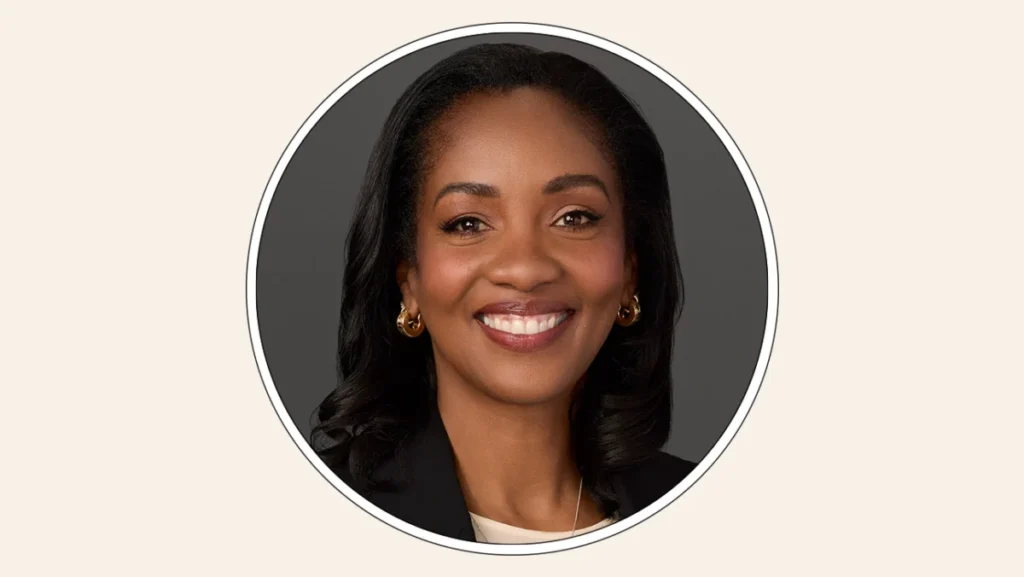
The traditional hierarchy of Hollywood power, long dominated by heads of production, business affairs, and talent relations, is undergoing a fundamental transformation as artificial intelligence moves from the realm of speculative fiction to a core operational utility. In a landmark move for the entertainment industry, Lionsgate has announced the appointment of Kathleen Grace as its Chief AI Officer (CAIO). This appointment marks the first time a major Hollywood studio has established a C-suite position specifically dedicated to the oversight and integration of generative artificial intelligence across its entire business ecosystem.
Grace, a seasoned media executive with a background that spans both traditional storytelling and cutting-edge technology, enters the role at a pivotal moment for the industry. Her professional pedigree includes a significant tenure at YouTube, where she navigated the complexities of the creator economy, and a more recent leadership role at Vermillio, an AI platform focused on rights tracking and the protection of intellectual property. This unique combination of creative sensibility and technical literacy is intended to position Lionsgate as a leader in what many analysts describe as the fourth industrial revolution for cinema.
The creation of the CAIO role comes as studios face increasing pressure to balance the efficiency gains offered by generative models with the ethical and legal demands of creative labor. Grace’s mandate is not merely to implement new software, but to serve as a bridge between the engineering side of AI development and the artistic requirements of filmmakers and showrunners. By establishing clear guardrails and focusing on a "creative partnership" model, Lionsgate aims to demystify AI and integrate it into the development pipeline without alienating the talent that serves as the studio’s lifeblood.
A Strategic Response to a Shifting Landscape
The Hollywood landscape has been dramatically reshaped over the past 24 months, driven by the dual forces of technological advancement and labor unrest. The 2023 strikes by the Writers Guild of America (WGA) and the Screen Actors Guild-American Federation of Television and Radio Artists (SAG-AFTRA) centered heavily on the existential threat posed by AI. These negotiations resulted in landmark contracts that established preliminary protections against the unauthorized use of digital replicas and the replacement of human writers with large language models.
In this context, the appointment of Kathleen Grace is a strategic signaling move. Rather than allowing AI implementation to happen in silos or through ad-hoc departmental decisions, Lionsgate is centralizing its strategy under an executive who understands the nuances of "Name, Image, and Likeness" (NIL) protections. Grace’s primary objective is to transition the studio from a defensive posture to an offensive, yet responsible, adoption phase. This involves "experimentation with guardrails," a process designed to test AI tools in controlled environments before they are deployed in high-stakes productions.
Chronology of Lionsgate’s AI Integration
Lionsgate’s journey toward a centralized AI strategy did not begin with Grace’s appointment; rather, her hire is the culmination of several years of incremental technological adoption.
- 2021–2022: Initial Exploration. Like many studios, Lionsgate began utilizing AI for "invisible" tasks, such as deep-learning-based upscaling for older library titles and predictive analytics for box office performance.
- 2023: The Labor Inflection Point. During the industry-wide strikes, Lionsgate executives began internal discussions on how to formalize AI policy to ensure compliance with new union regulations while maintaining a competitive edge in production costs.
- September 2024: The Runway Partnership. In a first-of-its-kind deal, Lionsgate partnered with Runway, a leader in generative video technology. The deal granted Runway access to Lionsgate’s vast library of over 17,000 titles—including franchises like John Wick, The Hunger Games, and Twilight—to train a proprietary AI model specifically for the studio’s internal use.
- Early 2025: Appointment of Kathleen Grace. Realizing that the Runway deal and other tech initiatives required a dedicated hand to manage creative relationships, the studio recruited Grace from the tech sector to serve as CAIO.
This timeline suggests a deliberate move toward "sovereign AI," where a studio uses its own copyrighted data to train models that can assist in the creation of new content, rather than relying on generalized public models that carry significant legal risks regarding copyright infringement.
Operational Impact: Production, Marketing, and Distribution
The scope of the Chief AI Officer’s role extends far beyond the visual effects (VFX) department. Grace has indicated that her vision for AI integration is "all-encompassing," touching four primary pillars of the studio’s operations.
Production and Creative Development
In the production phase, AI is being positioned as a tool to "remove friction." This includes the use of generative tools for storyboarding, pre-visualization, and the rapid creation of digital environments. By utilizing the Runway-trained model, Lionsgate filmmakers can theoretically generate high-fidelity background plates or concept art based on the studio’s existing aesthetic standards. Grace emphasizes that these tools are intended to "make more space for creative ambition," allowing showrunners to execute complex visions that might previously have been cost-prohibitive.
Marketing and Audience Engagement
Marketing is perhaps the most immediate frontier for consumer-facing AI. Lionsgate possesses some of the most loyal fanbases in cinema, particularly surrounding the Twilight and John Wick universes. Grace sees AI as a vehicle for "deep engagement," potentially allowing for personalized marketing experiences or interactive digital content that allows fans to immerse themselves in these worlds. This could include AI-driven chatbots that reflect character personalities or generative social media campaigns that adapt to real-time audience trends.
Distribution and Administrative Workflow
Behind the scenes, AI is being utilized to streamline the administrative side of the studio. This includes automating the localization process—such as AI-assisted dubbing and subtitling—which allows content to be released globally with greater speed and lower overhead. Administrative workflows, from contract analysis to scheduling, are also being optimized to reduce the "friction" that Grace describes as a primary target for the technology.
Data and Economic Context
The economic impetus for Lionsgate’s AI push is rooted in the broader financial pressures facing the "mini-major" studio. As a mid-sized player compared to giants like Disney or Warner Bros. Discovery, Lionsgate must operate with greater capital efficiency.
Industry data suggests that AI integration could potentially reduce VFX and post-production costs by 10% to 20% over the next five years. Furthermore, the global generative AI in media and entertainment market is projected to grow from approximately $1.5 billion in 2023 to over $12 billion by 2030. By appointing a CAIO now, Lionsgate is positioning itself to capture a significant share of this efficiency dividend while mitigating the risks of talent attrition.
Addressing the Trust Deficit and Labor Concerns
The most significant challenge facing Grace is not technical, but cultural. The "trust deficit" between Hollywood labor and studio management remains at an all-time high. Many creators view AI as a "cost-cutting tool" designed to replace human voices with cheaper, synthetic alternatives.
Grace has publicly pushed back against this narrative, framing AI as a "partner and collaborator" rather than a replacement. She draws parallels to previous technological shifts, such as the transition from silent films to talkies, or from celluloid to digital. "The role of filmmakers and genres as creative leaders did not change," Grace noted, suggesting that while the tools evolve, the human "feeling" required to anchor a story remains the central requirement of the business.
Her previous work at Vermillio is particularly relevant here. At Vermillio, she focused on technology that allowed creators to be compensated for the use of their digital likeness. This background suggests that Lionsgate may be looking to develop a "permission-based" AI ecosystem, where actors and writers are paid "royalties" for the use of their data in training models—a move that could potentially set a new standard for industry-wide labor relations.
Broader Industry Implications and Analysis
Lionsgate’s decision to hire a Chief AI Officer is likely to trigger a domino effect across the industry. While other studios have "Heads of Digital" or "VFX Supervisors" who dabble in AI, the creation of a C-suite role elevates the technology to a matter of corporate governance.
Industry analysts suggest that the move signals a shift in how intellectual property (IP) is valued. In the AI era, a studio’s library is no longer just a collection of films to be streamed; it is a "dataset" used to build proprietary creative engines. This increases the value of "deep" libraries like Lionsgate’s, which includes the Summit Entertainment catalog and the Starz library.
However, the success of this role will depend on Grace’s ability to navigate the "hallucination" problem of AI—both in the technical sense (models making errors) and the corporate sense (over-promising what the tech can do). If Lionsgate can successfully use AI to produce a high-budget franchise entry for significantly less than its competitors without sacrificing quality, the "Lionsgate Model" will become the blueprint for the next decade of Hollywood production.
As the industry moves toward a "human-led, AI-supported" future, the focus remains on whether the technology will indeed expand the creative palette or merely homogenize it. For Kathleen Grace and Lionsgate, the goal is clear: to ensure that the next John Wick or Hunger Games is not just made more efficiently, but is more ambitious in scope because of the tools used to create it. The experiment has begun, and the rest of Tinseltown is watching closely.