The series finale of Watson, which aired on Sunday, May 3, provided a definitive conclusion to the CBS medical procedural, resolving the central mystery of Dr. John Watson’s health while reuniting him with his long-lost partner, Sherlock Holmes. Starring Morris Chestnut as the titular physician and Robert Carlyle as the legendary detective, the finale navigated a complex web of medical emergencies, international intrigue, and personal revelations. The episode, titled after the culmination of the season-long "Cobalt Fissure" arc, successfully transitioned Watson from a grieving widower and physician back to his traditional roots at 221B Baker Street, albeit with a modern, clinical twist.
The Resolution of the Watson-Holmes Partnership
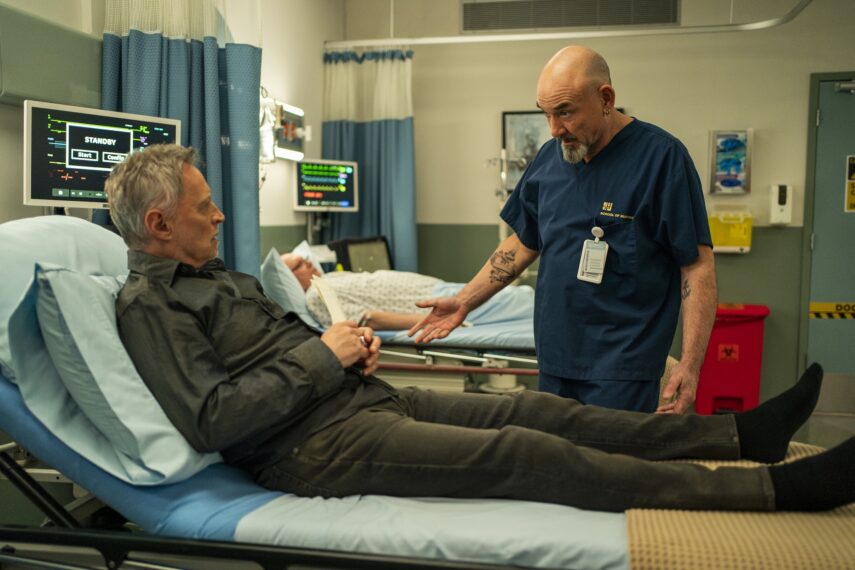
The narrative core of the finale focused on the physical and psychological reconciliation between John Watson and Sherlock Holmes. Throughout the season, Watson had been haunted by hallucinations of Holmes, whom he believed to be dead following the events at Reichenbach Falls. The revelation that Holmes was indeed alive, though suffering from profound memory loss and physical degradation, served as the primary catalyst for the finale’s events.
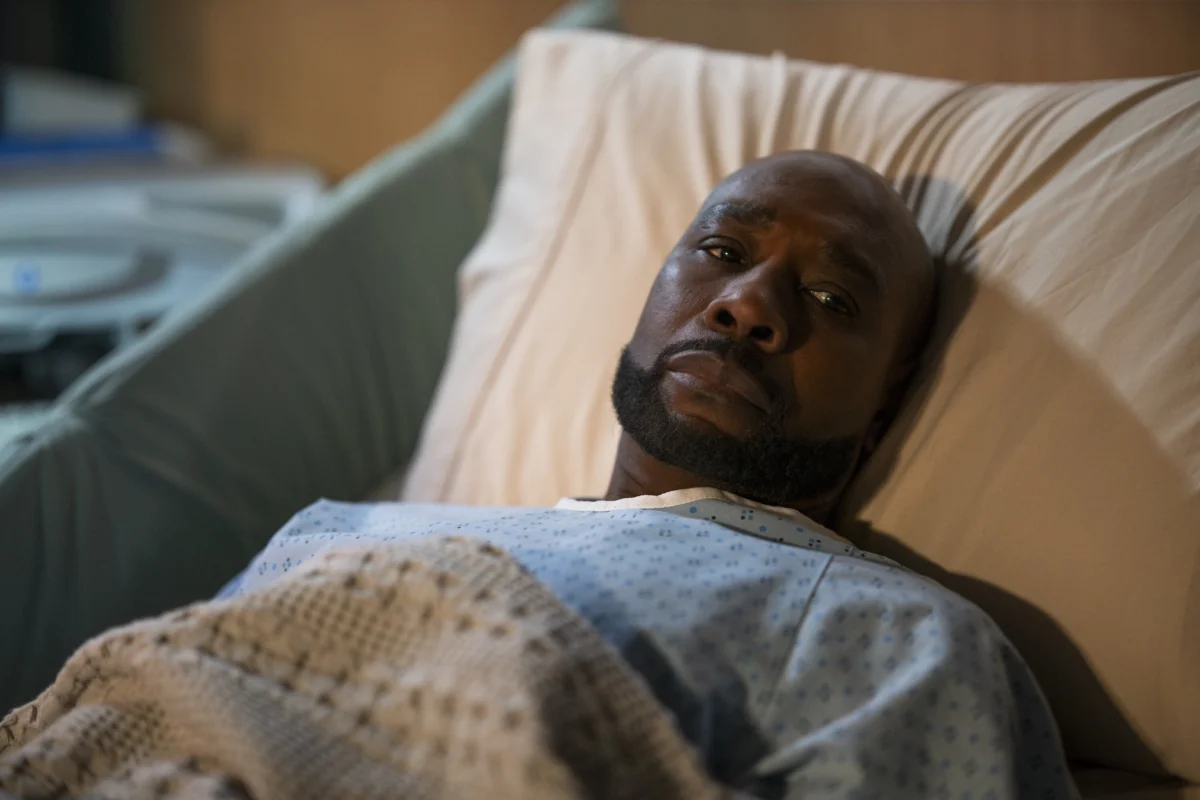
Watson, portrayed by Morris Chestnut, faced a critical crossroads. Diagnosed with a localized brain tumor that threatened his cognitive functions, Watson initially agreed to undergo life-saving surgery. However, upon discovering that Holmes had returned to the University Hospital of Pittsburgh (UHOP), Watson deferred his own medical needs to treat his friend. This decision highlighted the character’s intrinsic self-sacrificial nature, a hallmark of the Watson-Holmes dynamic in Arthur Conan Doyle’s original canon, here recontextualized within a modern hospital setting.
The medical mystery regarding Holmes’ condition was eventually solved through a retrospective analysis of their shared history. Watson deduced that both men had been exposed to lingering radiation during their investigation of the "Cobalt Fissure" case years prior. While the exposure manifested as a brain tumor in Watson, it caused a slow alteration of Holmes’ genetic structure, leading to his neurological decline. By identifying this shared etiology, Watson was able to stabilize Holmes before succumbing to a status epilepticus—a continuous, life-threatening seizure—that forced his own emergency surgery.
Clinical Developments and the Cobalt Fissure Arc
The "Cobalt Fissure" served as the overarching seasonal mystery, bridging the gap between Watson’s past as a detective and his present as a medical director. The finale clarified that the radiation exposure was not an accidental byproduct of a case but a lasting legacy of their conflict with the Moriarty organization. This plot point allowed the series to ground the high-stakes drama of Sherlock Holmes in the biological realities of a medical drama.
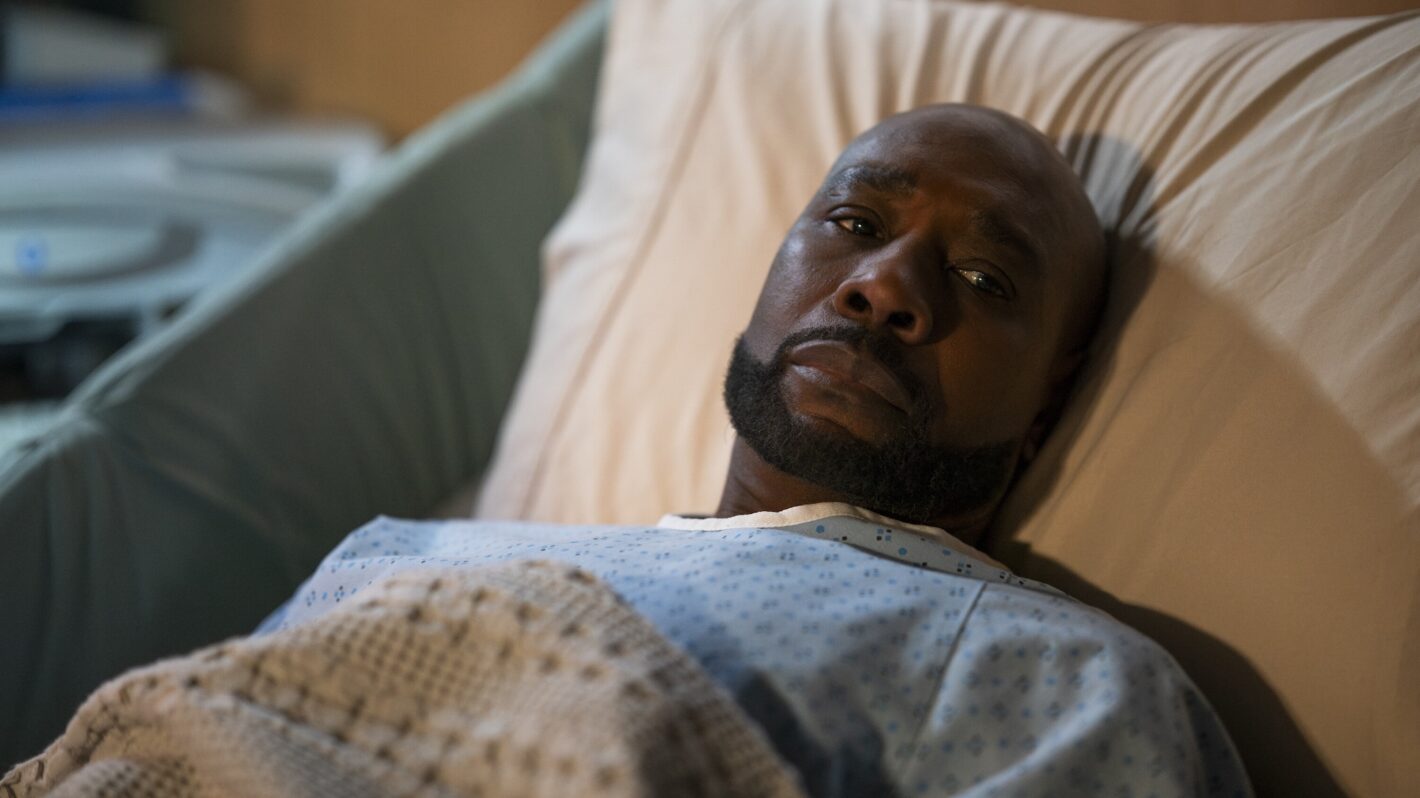
Watson’s medical team at UHOP, including the fellows he mentored, played a pivotal role in the finale’s tension. Dr. Ingrid Derian (Eve Harlow) emerged as a central figure, providing an emotional plea for Watson to prioritize his survival. The clinical stakes were high; Watson’s doctor warned that the tumor would result in permanent memory loss, aphasia, and personality changes if not removed immediately. The eventual success of the surgery, followed by a time-jump to London, signified a total restoration of the character’s health and status.
The Confrontation with Sebastian Moran and Shinwell Johnson
The finale introduced Eddie Izzard as Sebastian Moran, a legendary antagonist from the Holmes mythos. Moran’s arrival at the hospital, marked by a random act of violence against a nursing staff member, signaled the persistent threat of the criminal underworld. Moran’s objective was to leverage Watson’s medical expertise to "fix" Holmes, intending to make the detective useful for his own ends.
This subplot provided a resolution for Shinwell Johnson (Ritchie Coster), whose character arc focused on the struggle between his violent past and his desire for a peaceful future. Rather than involving traditional law enforcement immediately, Shinwell tracked Moran to a clandestine location. The confrontation resulted in Shinwell extracting information regarding the survival of several individuals previously thought dead—specifically those who had cared for him during his transition away from Moriarty’s influence.
While Shinwell succeeded in neutralizing the immediate threat and providing the authorities with Moran’s location, the act came at a personal cost. His return to his fiancée, Carla (Margot Bingham), with physical evidence of his violence, left their relationship in a state of uncertainty. This resolution mirrored the darker, more grounded tone the series maintained regarding the consequences of vigilante justice.
Character Trajectories: The UHOP Fellows and Personal Revelations
The series finale also addressed the futures of the hospital’s fellowship program. Each character faced a moment of reckoning that shifted their professional and personal outlooks:
- Sasha (Inga Schlingmann): After discovering that her colleague Beck (Noah Mills) had deceived her by impersonating her birth mother, Sasha’s characteristic optimism was shattered. In the finale, she received the file containing her actual mother’s information but chose to end her relationship with Stephens. Her departure from the "optimistic" version of herself suggested a move toward a more guarded, analytical persona.
- Adam (Peter Mark Kendall) and Stephens: The twin brothers faced a familial crisis involving the potential suicide of their father. Adam, now a father of triplets, sought a promise of transparency from Stephens to ensure the cycle of trauma did not continue. While Stephens expressed hope for a future involving marriage and children, his plans were thwarted by Sasha’s decision to end their relationship.
- Ingrid Derian (Eve Harlow): Ingrid’s arc concluded with a formal admission of her Antisocial Personality Disorder (ASPD). Despite being under investigation by Detective Lestrade (Rachel Hayward) for the death of Beck and her father, Ingrid maintained her defense of "self-defense." However, the revelation of hidden camera footage suggested that her actions were more calculated than she admitted. Her final scene in a support group served as a significant moment of self-acknowledgment for a character who had spent the series masking her true nature.
Production Context and the Legacy of the Watson Reimagining
Watson debuted as part of CBS’s effort to modernize classic literary properties, following in the footsteps of successful procedurals like Elementary. Morris Chestnut not only starred in the lead role but also served as an executive producer, bringing a distinct focus to the representation of a Black medical professional in a leadership position.
The decision to cancel the series prior to the finale’s airing added a layer of finality to the episode. Production data indicates that the show maintained a steady viewership among the 18-49 demographic, often winning its Sunday night time slot during its first season. However, the high production costs associated with the medical sets and the acquisition of the Holmes IP likely influenced the network’s decision to conclude the narrative after its second-season run.
Industry analysts have noted that Watson distinguished itself from other Sherlockian adaptations by centering the narrative on the doctor rather than the detective. By making Watson the "genius" in a clinical setting, the show subverted the "bumbling sidekick" trope that has occasionally plagued the character in lesser adaptations.
Analytical Overview: A Departure from Traditional Sherlockian Tropes
The conclusion of Watson represents a unique entry in the history of Arthur Conan Doyle adaptations. By ending the series at 221B Baker Street with Watson and Mary (Rochelle Aytes) reunited, the show provided a "happily ever after" that the original source material often denied the characters. In the original stories, Mary Morstan passes away, leaving Watson to return to Holmes’ side in a state of mourning. The CBS series chose a different path, suggesting that Watson could have both his professional fulfillment, his romantic partnership, and his friendship with Holmes.
The final scene—where Mary welcomes Watson home to Baker Street—functions as a full-circle moment. It reconciles the "Pittsburgh era" of the show with the "London era" of the legend. While the show functioned as a medical drama for the majority of its run, the finale reaffirmed its identity as a Holmesian story, emphasizing that the bond between the two men is the "most extraordinary thing," regardless of the setting.
The series leaves several threads open, particularly regarding Ingrid’s legal battles and Sasha’s search for her mother, which were intended to be explored in a potential third season. However, as a series finale, the episode succeeded in providing closure to the primary medical and emotional stakes established at the beginning of the journey. Watson lives, Holmes is recovered, and the legacy of the world’s most famous partnership remains intact.