The Festival de Cannes has officially announced the lineup for the 2026 edition of Cannes Classics, a prestigious section of the Official Selection dedicated to the history of cinema, the art of restoration, and the preservation of global film heritage. This year’s program is dedicated to the memory of the late Dean Tavoularis, the legendary production designer whose visionary work on films such as The Godfather trilogy and Apocalypse Now redefined the aesthetic possibilities of modern cinema. The 2026 selection remains a cornerstone of the festival’s mission, bridging the gap between the medium’s foundational past and its digital future. The curated program will feature 21 feature films, three short films, and six documentaries, alongside two contemporary works that explore the intersection of memory and modern storytelling.
The Evolution and Mission of Cannes Classics
Established nearly twenty years ago, Cannes Classics was born during a pivotal era when the film industry faced a radical transition from celluloid to digital technology. As the physical archives of the 20th century faced the threat of degradation, the Festival de Cannes recognized the urgent need to highlight the preservation efforts of production companies, rights holders, film archives, and national cinematheques. Today, the section serves not only as a showcase for technical mastery in restoration but also as a vital platform for rediscovered masterpieces and precious rarities that might otherwise remain in the shadows of history.
The 2026 program continues this tradition by utilizing the festival’s global prestige to support the lifecycle of classic cinema. Beyond the screenings in the Buñuel Theater, the Agnès Varda Theater, and the iconic Cinéma de la Plage, the festival actively promotes the subsequent distribution of these works through theatrical re-releases, streaming platforms, VOD services, and physical media editions such as 4K UHD and Blu-ray. By engaging with diverse audiences—ranging from accredited cinephiles and academic researchers to the participants of the "3 Days in Cannes" program for young people—the festival ensures that film memory remains a living, breathing component of contemporary culture.
Anniversary Highlights and the Return of Pan’s Labyrinth
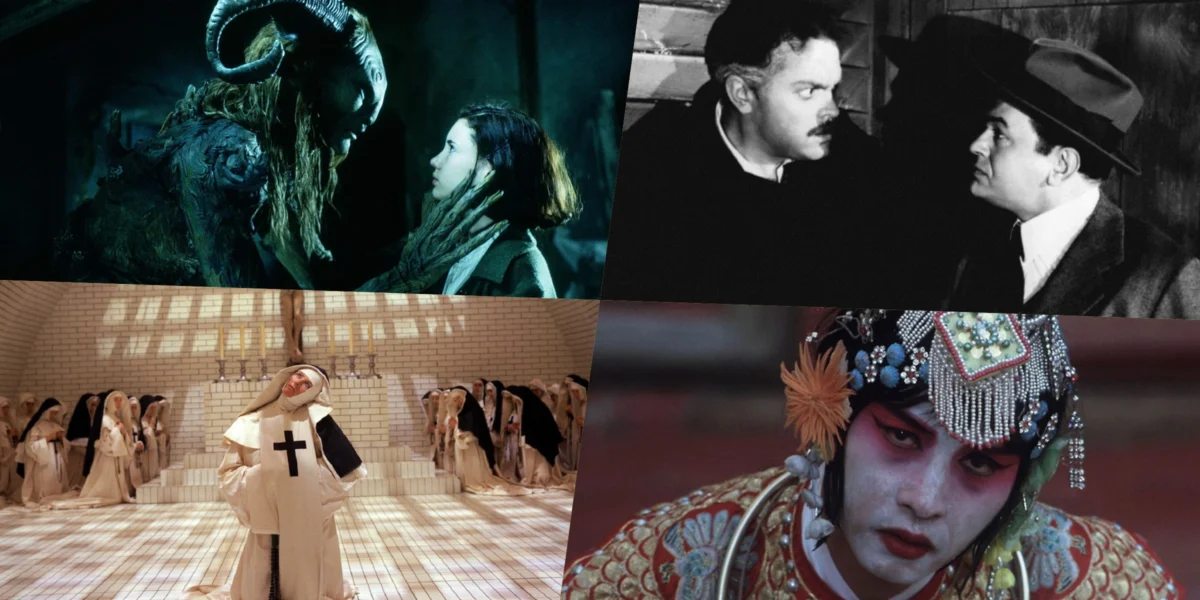
A central highlight of the 2026 edition is the 20th-anniversary screening of Guillermo del Toro’s dark fantasy masterpiece, Pan’s Labyrinth (2006). The film holds a unique place in Cannes history, having received a 22-minute standing ovation during its original world premiere—the longest in the festival’s recorded history. To mark two decades of its influence, the film has undergone a meticulous 4K restoration from the original 35mm negative, a process personally overseen by del Toro.
The restoration, presented by Cineverse and Necropia, highlights the Academy Award-winning cinematography of Guillermo Navarro and the intricate art direction that earned the film global acclaim. Del Toro is scheduled to attend the pre-opening screening on Tuesday, May 12, at the Debussy Theater. This presentation follows in the footsteps of previous high-profile restorations showcased at the festival, including Abel Gance’s Napoléon and Jean Eustache’s The Mother and the Whore, signaling a continued commitment to treating modern classics with the same archival reverence as silent-era landmarks.
Contemporary Works and New Discoveries
While the focus of Cannes Classics is primarily historical, the 2026 selection includes two contemporary films that engage deeply with historical narratives and the 20th-century experience.
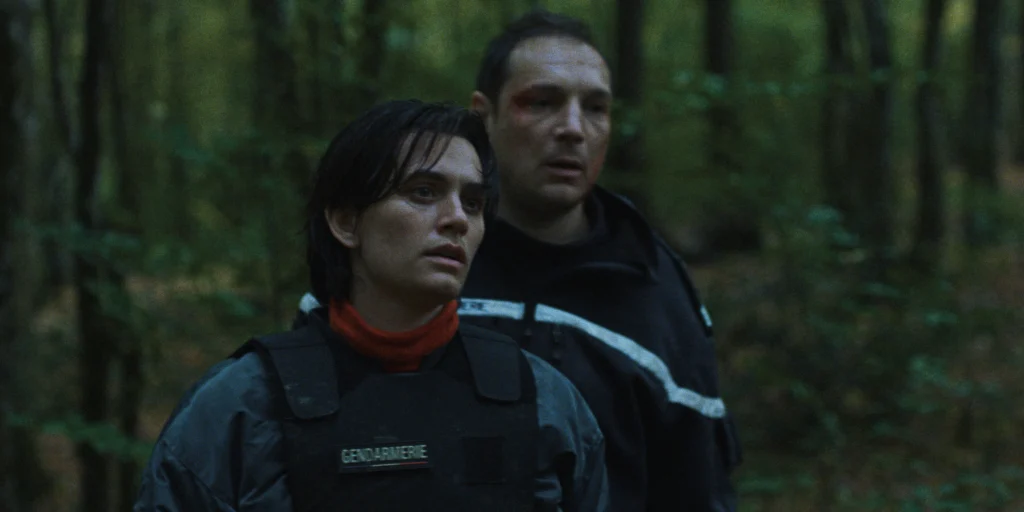
The first is The Golden Age, a fiction feature by French director Bérenger Thouin. Shot in 2025 and set for a 2026 release, the film is a French-Italian co-production that follows the life of Jeanne Lavaur. Her journey spans the Roaring Twenties in Paris to the revolutionary landscapes of Brazil, navigating the tensions between aristocratic dreams and political upheaval. The film is noted for its innovative integration of archive footage, blending historical reality with a fictional narrative to reinvent the period drama. The screening will feature lead actors Souheila Yacoub, Vassili Schneider, and Yile Yara Vianello.
The second contemporary entry is Jean-Gabriel Périot’s documentary A Life, A Manifesto. This film examines the life of Michèle Firk, a film critic and revolutionary activist whose commitment to justice led her to join guerrilla movements in Guatemala. Périot, known for his work with archival montages, utilizes Firk’s story to explore the radical intersections of cinema and political emancipation, providing a portrait of a woman who lived her life as a testament to her ideals.
Documentary Features: The L’Œil d’Or Competition
The 2026 documentary selection features six films that explore the lives of cinematic giants and the evolution of the craft. These films will compete for the L’Œil d’Or (The Golden Eye), the festival’s top prize for documentary filmmaking.
- The Story of Documentary Film (The 70s): Directed by Mark Cousins, this nearly two-hour work continues Cousins’ exhaustive exploration of film history. Following his previous acclaimed series, this installment focuses on the 1970s, a decade that redefined the documentary form through political urgency and formal experimentation.
- Dernsie: The Amazing Life of Bruce Dern: Directed by Mike Mendez, this intimate portrait of Bruce Dern was compiled from over fifty hours of interviews recorded over four years. The film explores Dern’s status as one of the last legends of the New Hollywood era and features contributions from collaborators such as Quentin Tarantino, Alexander Payne, and Bruce’s daughter, Laura Dern.
- Maverick: The Epic Adventures of David Lean: Narrated by Cate Blanchett, with Kenneth Branagh providing the voice of Lean, Barnaby Thompson’s documentary examines the obsessive drive of the director behind Lawrence of Arabia and Doctor Zhivago. The film includes interviews with contemporary directors like Denis Villeneuve and Christopher Nolan, discussing Lean’s enduring influence on large-scale filmmaking.
- Vittorio De Sica: Staging Life: Francesco Zippel provides a deep dive into the life of the Neorealist master. Through rare family archives and testimonies from his grandsons, Andrea and Brando De Sica, the film explores how De Sica transformed everyday reality into universal human emotion.
- My Coluche: A Bangumi production directed by Michel Denisot, Camille Bruere, and Julie Lazare. The film offers a personal look at the French comedian and actor Coluche through the lens of his friendship with Denisot, reflecting on his massive impact on French media and social consciousness.
- Nostalgia for the Future: Directed by Brecht Debackere and narrated by Charlotte Rampling, this film serves as an inquiry into the labyrinthine world of Chris Marker. The documentary treats Marker’s filmography as a series of "time machines," attempting to decode the man who famously hid behind pseudonyms and images of cats.
Global Restoration Projects: A Geographical Chronology
The 2026 selection of restored prints demonstrates the truly international scope of current preservation efforts, with films hailing from Armenia, India, Taiwan, Burkina Faso, and beyond.
- The Pelechian Project (1966–1975): A 4K restoration of the works of Armenian director Artavazd Pelechian, including Land of the People and Seasons. The restoration was a collaborative effort between the Coproduction Office and Cineteca di Bologna, supervised by the director himself.
- Sierra de Teruel (1938): André Malraux’s seminal work on the Spanish Civil War has been digitized in 4K from nitrate elements by the CNC and the Library of Congress. This restoration represents a significant effort to preserve the intersection of political history and avant-garde cinema.
- Moonlighting (1982): Jerzy Skolimowski’s United Kingdom-based production, starring Jeremy Irons, returns in a 4K restoration presented by mk2 Films and Goldcrest. The restoration was supervised by cinematographer Tony Pierce-Roberts.
- Farewell My Concubine (1993): Chen Kaige’s Palme d’Or winner returns to the Croisette in a stunning 4K restoration. The screening will be attended by the film’s star, Gong Li, celebrating the film’s status as a landmark of Chinese Fifth Generation cinema.
- The Devils (1971): Ken Russell’s controversial and visually arresting masterpiece has been restored in 4K from the original camera negative. This restoration is expected to draw significant attention due to the film’s history of censorship and its enduring cult status.
- Amma Ariyan (1986): A vital piece of Indian parallel cinema by John Abraham, restored by the Film Heritage Foundation. The project was particularly challenging as it was completed using one of only two surviving prints.
Technical Specifications and Preservation Standards
The 2026 lineup underscores the increasing standardization of 4K resolution as the benchmark for archival restoration. Most of the featured films, including Orson Welles’ The Stranger (1945) and Luchino Visconti’s The Innocent (1976), have been restored from original camera negatives or the highest-quality surviving nitrate elements.
These technical achievements are the result of partnerships between major institutions like The Film Foundation’s World Cinema Project, Cineteca di Bologna, the CNC, and the Library of Congress. The use of advanced digital grading and audio remastering ensures that the "rediscovered vitality" mentioned by festival organizers is not merely a metaphor but a visual reality for modern audiences.
Broader Impact and Industry Implications
The announcement of the Cannes Classics 2026 selection reinforces the festival’s role as the world’s premier venue for the celebration of film history. By placing these restored works on equal footing with the main competition, Cannes signals to the global industry that the preservation of the past is essential to the health of the future film market.
For the home video and streaming sectors, the Cannes Classics label acts as a prestigious seal of approval, often preceding major 4K physical releases and curated retrospectives on platforms like MUBI or the Criterion Channel. Furthermore, the inclusion of contemporary documentaries about film history ensures that the narratives behind the camera are preserved alongside the images on screen.
As the 2026 Festival de Cannes prepares to open its doors from May 12 to May 23, the Cannes Classics section stands as a testament to the resilience of the cinematic medium. Through the dedication to Dean Tavoularis and the presentation of works ranging from the silent era to the digital present, the festival continues to enchant audiences and honor the tireless work of archivists and restorers worldwide.