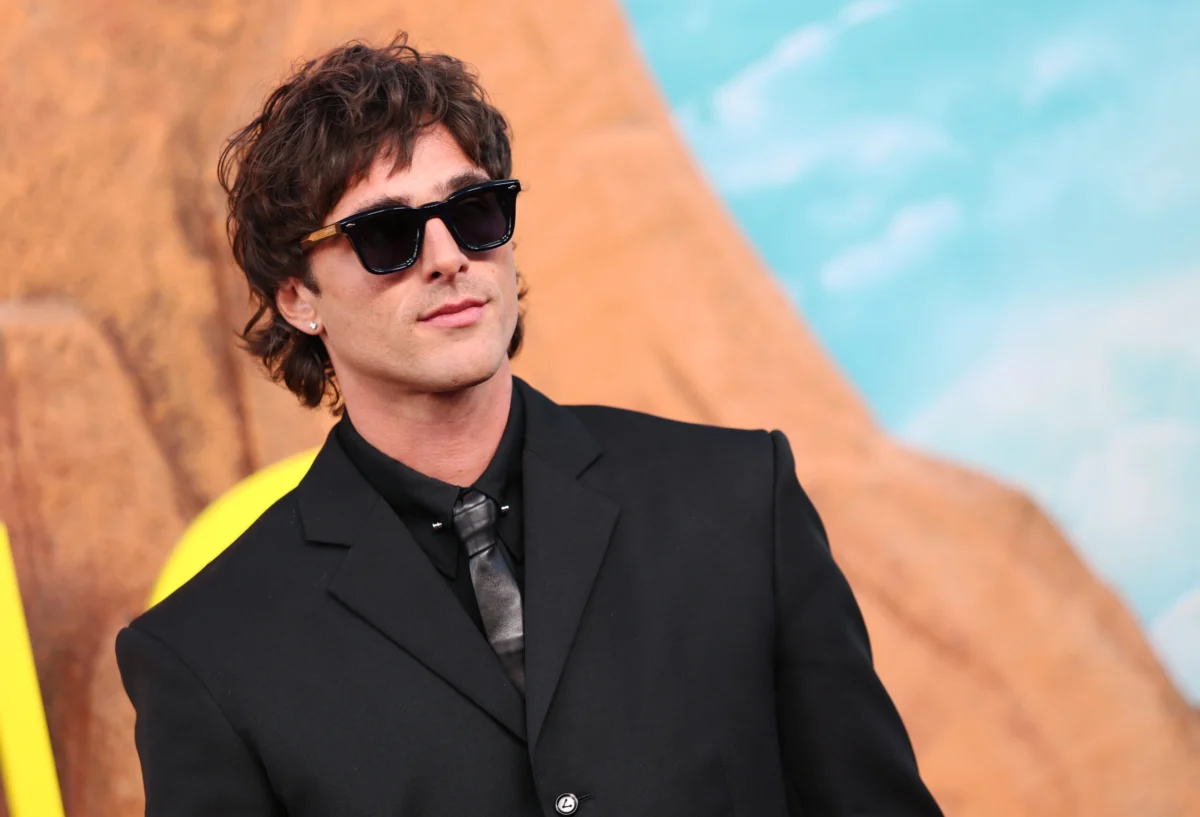
The 79th Cannes Film Festival, a beacon of global cinema and an event synonymous with unparalleled glamour and artistic discernment, was on the cusp of welcoming one of Hollywood’s most rapidly ascending stars, Jacob Elordi, to its esteemed competition jury. However, a sudden and debilitating foot injury has forced the 6-foot-5 Australian actor to withdraw from the coveted position, creating an unexpected shift in the composition of the panel set to determine the recipient of the coveted Palme d’Or. This unforeseen turn of events, initially reported by Page Six and subsequently confirmed by The Hollywood Reporter through an anonymous source, underscores the rigorous demands placed upon jurors and highlights the unpredictable nature of high-profile commitments in the entertainment industry.
Jacob Elordi’s Meteoric Ascent and the Significance of a Cannes Jury Invitation
Jacob Elordi has, in a relatively short span, carved out a formidable presence in Hollywood, transitioning from a breakout role in Netflix’s teen romance The Kissing Booth franchise to critically acclaimed performances that have cemented his status as a serious dramatic actor. His portrayal of Nate Jacobs in Sam Levinson’s HBO phenomenon Euphoria showcased his capacity for complex, often dark, character work, earning him widespread recognition and a dedicated fanbase. Following Euphoria, Elordi embarked on an exceptionally busy period, demonstrating remarkable versatility across diverse projects. His recent filmography includes the critically lauded Saltburn, where his performance as Felix Catton garnered significant attention for its nuanced exploration of class and desire, and Priscilla, where he embodied the iconic Elvis Presley with a compelling blend of charisma and vulnerability under Sofia Coppola’s direction.
His ongoing commitments include Guillermo del Toro’s highly anticipated adaptation of Mary Shelley’s Frankenstein, in which he is slated to play the monster, and Emerald Fennell’s ambitious reinterpretation of Emily Brontë’s Wuthering Heights, taking on the iconic role of Heathcliff. Additionally, he is set to return for the eagerly awaited new season of Euphoria, further solidifying his standing as an in-demand talent. An invitation to serve on the Cannes Film Festival jury is not merely an honorary position; it is a profound acknowledgment of an actor’s artistic integrity, critical acumen, and cultural influence. For an actor of Elordi’s generation, still relatively early in his career, such an appointment would have been a powerful statement about his perceived gravitas and sophisticated understanding of cinematic art, placing him alongside seasoned industry veterans and celebrated filmmakers. It would have offered a unique platform for him to engage with global cinema at its highest level, further enriching his artistic perspective.
The Demands of a Cannes Juror: Beyond the Red Carpet Glamour
While the Cannes Film Festival is often associated with dazzling red carpet events, star-studded premieres, and glamorous parties, the role of a competition juror is one of intense dedication and significant physical demands. Jurors are expected to attend screenings for all films in the Official Competition – typically around 20-22 features – often watching three to four films per day. These screenings are frequently followed by lengthy deliberations, discussions, and press conferences. The festival’s central venue, the Palais des Festivals et des Congrès, with its iconic red carpet and numerous staircases, requires considerable mobility. Jurors are constantly moving between screening rooms, jury meetings, official events, and public appearances.
A broken foot, as sustained by Elordi, would undeniably render such a schedule nearly impossible to manage. The physical strain of "hoofing it up and down the Palais steps," as described in initial reports, coupled with continuous shuttling between venues and the sheer endurance required for prolonged periods of sitting in dark theaters and engaging in focused analysis, would be severely hampered by such an injury. The commitment is not just intellectual but also physically taxing, demanding an unimpaired ability to navigate the bustling festival environment for nearly two weeks. The festival, which spans from May 12-23, requires jurors to be present for the entirety of this period, from the opening ceremony to the grand awards presentation on May 23.
A History of Unforeseen Physical Challenges
Intriguingly, Elordi’s current foot injury is not his first encounter with physical setbacks that have impacted his professional trajectory or occurred during the course of demanding productions. In fact, a prior back injury played a pivotal role in redirecting his career path. During a roundtable discussion hosted by The Hollywood Reporter, Elordi revealed that a significant back injury forced him to abandon a promising rugby career, inadvertently paving the way for his transition into acting. This early pivot underscores a resilience and adaptability that has evidently been tested before.
More recently, during the filming of Emerald Fennell’s Wuthering Heights, Elordi experienced a particularly painful incident, ending up in the hospital with second-degree burns. Recounting the episode to Esquire, he explained the ironic circumstances: "The full story is that, when I was doing Frankenstein, I had so much make-up in my fingers and in my feet all the time, and I left it on for the whole shoot because I couldn’t be bothered washing it all off." He continued, "As Heathcliff [in Wuthering Heights], I was covered in mange and dirt, and I thought, ‘I’m not going to do that again, I’m going to clean my feet properly every night and come in to work fresh the next day.’ So I went to clean my feet, and I leaned back and my back seared into the steam knob and I stood up screaming; it tore up my back. When I went to work on Monday, I had a second-degree burn." This anecdote not only illustrates the physical tolls of method acting and demanding roles but also paints a picture of an actor who is deeply committed to his craft, sometimes to his own detriment. These recurring physical challenges provide a contextual backdrop to his latest injury, suggesting a pattern of intense engagement with his work that occasionally leads to unexpected bodily strains.
The Esteemed Jury of the 79th Cannes Film Festival: A Powerhouse of Global Talent
Despite Elordi’s unfortunate withdrawal, the 79th Cannes Film Festival boasts an exceptionally strong and diverse jury, led by the acclaimed South Korean filmmaker Park Chan-wook. Known globally for his visually striking, often darkly humorous, and intricately plotted films such as Oldboy, The Handmaiden, and Decision to Leave, Park Chan-wook brings a formidable artistic vision and a deep understanding of cinematic craft to his role as jury president. His selection underscores Cannes’ commitment to celebrating international cinema and recognizing the profound impact of Asian filmmakers on the global stage.
The nine-member jury, as officially announced, comprises a distinguished group of actors, directors, and screenwriters, each bringing a unique perspective to the table:
- Demi Moore: The iconic American actress has experienced a significant career resurgence, notably with her performance in Coralie Fargeat’s The Substance, which debuted to strong acclaim at Cannes. Her extensive career, spanning decades and numerous genres, provides a wealth of experience in evaluating performances and storytelling.
- Ruth Negga: An Irish-Ethiopian actress celebrated for her powerful roles in films like Loving, which premiered in competition at Cannes in 2016, and her stage work, Negga’s nuanced understanding of character and narrative makes her an insightful juror.
- Isaach De Bankolé: A French actor of Ivorian descent, De Bankolé is a Cannes regular and a staple of both European and American independent cinema. His collaborations with directors like Jim Jarmusch and Claire Denis highlight his sophisticated artistic sensibilities.
- Stellan Skarsgård: The veteran Swedish actor, known for his versatile roles in films ranging from Lars von Trier’s provocations to blockbuster franchises, returns to the Croisette after last year’s triumph in Joachim Trier’s Sentimental Value. His long and distinguished career offers a broad perspective on cinematic excellence.
- Chloé Zhao: The Oscar-winning Chinese filmmaker, whose 2015 feature debut, Songs My Brothers Taught Me, screened in Cannes’ Directors’ Fortnight, brings a fresh, humanist, and critically acclaimed directorial voice to the panel. Her unique storytelling approach, blending naturalism with profound emotional depth, will undoubtedly influence jury discussions.
- Diego Céspedes: The Chilean filmmaker, whose debut The Mysterious Gaze of the Flamingo won last year’s Un Certain Regard Prize, represents emerging talent. His inclusion underscores Cannes’ role in nurturing and recognizing new voices in world cinema.
- Laura Wandel: A Belgian filmmaker, also an Un Certain Regard winner for her critically acclaimed film Playground, Wandel contributes a contemporary European directorial perspective, likely emphasizing raw emotionality and social realism.
- Paul Laverty: The Scottish screenwriter is a long-time collaborator of Palme d’Or-winning director Ken Loach, having penned two Palme d’Or winners himself (The Wind That Shakes the Barley and I, Daniel Blake). His profound understanding of storytelling, social commentary, and political cinema makes him an invaluable asset to the jury.
This diverse group represents a rich tapestry of cinematic experience, cultural backgrounds, and artistic disciplines, ensuring a thorough and multifaceted evaluation of the films in competition.
The Role of the Jury and the Prestigious Palme d’Or
The competition jury at Cannes holds one of the most significant responsibilities in the global film industry: to award the Palme d’Or, the festival’s highest honor, to one of the 22 films selected for the Official Competition. This prize, alongside other awards such as the Grand Prix, Best Director, Best Actor, Best Actress, Best Screenplay, and the Jury Prize, carries immense prestige and often serves as a powerful catalyst for a film’s international distribution and critical reception.
The jury’s deliberations are notoriously intense, involving passionate debates and careful consideration of each film’s artistic merit, technical execution, thematic depth, and overall impact. The selection process is a closely guarded secret, adding to the mystique and anticipation surrounding the final awards ceremony. The 79th Cannes Film Festival, running from May 12-23, will culminate in this highly anticipated ceremony on May 23, where the jury president, Park Chan-wook, will announce the winners.
Broader Implications and Festival Continuity
While Jacob Elordi’s withdrawal is undoubtedly a disappointment, particularly given his rising profile and the unique generational perspective he might have brought to the jury, the Cannes Film Festival is an institution known for its resilience and ability to adapt. Such last-minute changes, though rare for jury members, do not typically disrupt the festival’s meticulous planning or its overall trajectory. The existing nine-member jury is robust and highly qualified, ensuring that the critical task of evaluating the competition films will proceed with the utmost professionalism and discernment.
The incident serves as a reminder of the demanding nature of the entertainment industry, where even the most high-profile figures are susceptible to unforeseen circumstances. For Elordi, this setback, while frustrating, is likely a temporary pause in a career that continues to ascend. His upcoming projects, including Frankenstein and the new season of Euphoria, ensure his continued presence in the cinematic conversation. The festival, meanwhile, will continue its grand tradition, celebrating cinematic artistry and shaping the discourse of global cinema, with or without one particular star on its jury. The focus will remain squarely on the films themselves and the critical decisions made by the accomplished panel.