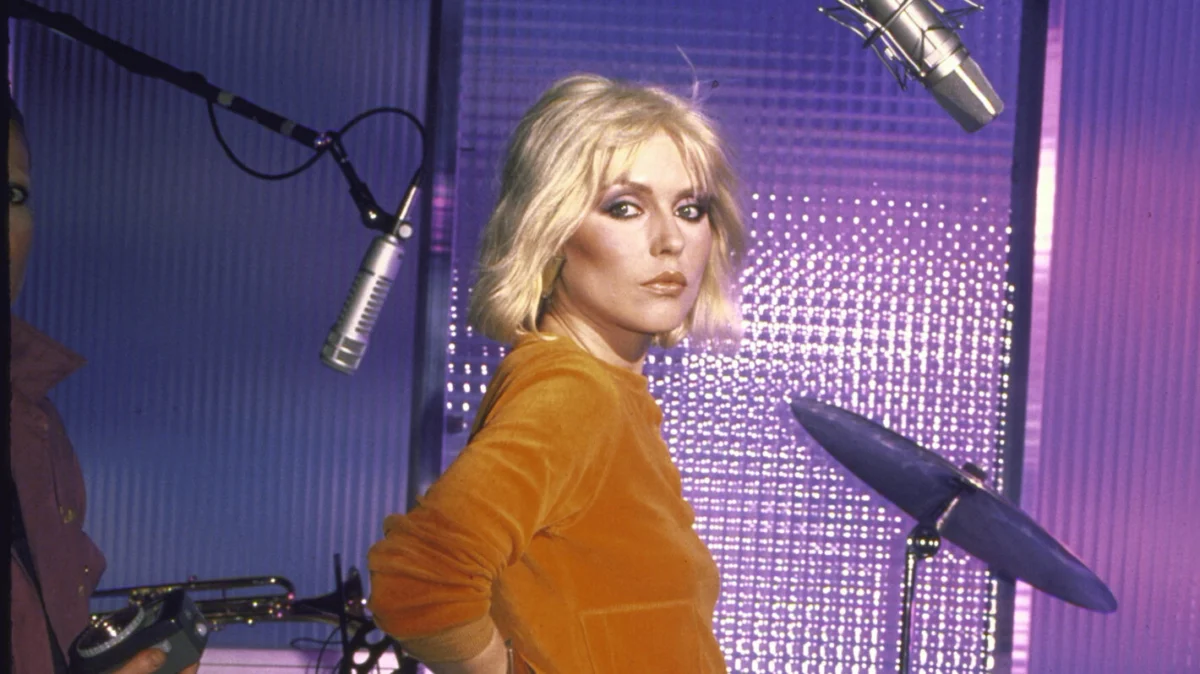
The landscape of American popular music is preparing for a significant milestone as the pioneering new wave group Blondie announces the upcoming release of their latest studio effort, titled High Noon, scheduled for a spring 2026 debut. This announcement marks a definitive new chapter for the ensemble, which has remained a cornerstone of the alternative and pop music lexicon for over five decades. Led by the enigmatic Deborah Harry—born Angela Trimble—the group continues to leverage its foundational influence on the punk, disco, and pop genres, proving that their creative output remains as relevant in the third decade of the 21st century as it was during the mid-1970s.
The upcoming album, High Noon, represents a collaborative effort involving Harry, her longtime creative partner and guitarist Chris Stein, and bassist Glen Matlock, famously known for his tenure with the Sex Pistols. Matlock, who has been performing with Blondie in recent years, brings a seasoned punk pedigree to the project, further solidifying the band’s ties to the original explosion of the 1970s counterculture. As the industry anticipates the 2026 release, the project serves as a testament to the enduring partnership between Harry and Stein, whose artistic synergy has survived personal and professional shifts, industry upheavals, and the evolving nature of global music consumption.
The Genesis of a New Wave Icon
To understand the weight of a new Blondie release in 2026, one must look back to the gritty, experimental environment of New York City in the mid-1970s. Emerging from the legendary Bowery scene centered around venues like CBGB and Max’s Kansas City, Blondie was never a traditional punk band. While their contemporaries focused on raw aggression, Blondie, under the guidance of Harry and Stein, integrated a sophisticated appreciation for 1960s girl groups, cinematic aesthetics, and the burgeoning disco movement.
Deborah Harry’s transition from Angela Trimble to the peroxide-blonde persona of "Blondie" was more than a rebranding; it was a conceptual art project that challenged the male-dominated rock hierarchy. By the time their self-titled debut was released in 1976, the band had already begun to distance themselves from the monochromatic sounds of their peers. This versatility became their hallmark, allowing them to navigate the transition from underground darlings to international superstars with the release of their 1978 breakthrough album, Parallel Lines.
Chronology of Innovation and Hiatus
The trajectory of Blondie is characterized by periods of intense productivity followed by a significant hiatus that allowed the band’s legend to grow. Between 1978 and 1982, the group achieved a level of commercial success rarely seen by artists emerging from the punk scene. Hits such as "Heart of Glass," "One Way or Another," "Call Me," "The Tide Is High," and "Rapture" showcased a band that refused to be pigeonholed. "Rapture," in particular, is frequently cited by music historians as the first song featuring a rap verse to reach number one on the Billboard Hot 100, effectively introducing hip-hop culture to a mainstream white audience.
However, the pressures of fame, internal frictions, and the health crisis of Chris Stein—who was diagnosed with the rare autoimmune disease pemphigus—led to the group’s dissolution in 1982. During the subsequent 15 years, Harry pursued a successful solo career in both music and film, while the Blondie brand remained a staple of classic rock and "oldies" radio.
The 1997 reunion marked a rare instance of a legacy act returning with both commercial viability and critical respect. Their 1999 single "Maria" topped the charts in the United Kingdom, making Harry the first female artist to have a number-one hit in the UK across three different decades (the 1970s, 80s, and 90s). This longevity set the stage for their induction into the Rock and Roll Hall of Fame in 2006 and a series of well-received albums, including Ghosts of Download (2014) and Pollinator (2017).
Supporting Data and Market Impact
The announcement of High Noon comes at a time when the "legacy act" market is experiencing a significant resurgence. Industry data suggests that older catalogs and new releases from established icons account for a growing percentage of total music consumption. According to Luminate’s 2023 Year-End Report, "Catalog" music (defined as tracks older than 18 months) represented 72.6% of total album consumption in the United States. For a group like Blondie, this creates a dual-revenue stream: the continued streaming of classics like "Heart of Glass" (which boasts over 1 billion streams across various platforms) and the anticipation for new material that appeals to both nostalgic fans and younger listeners discovering the band through social media trends.
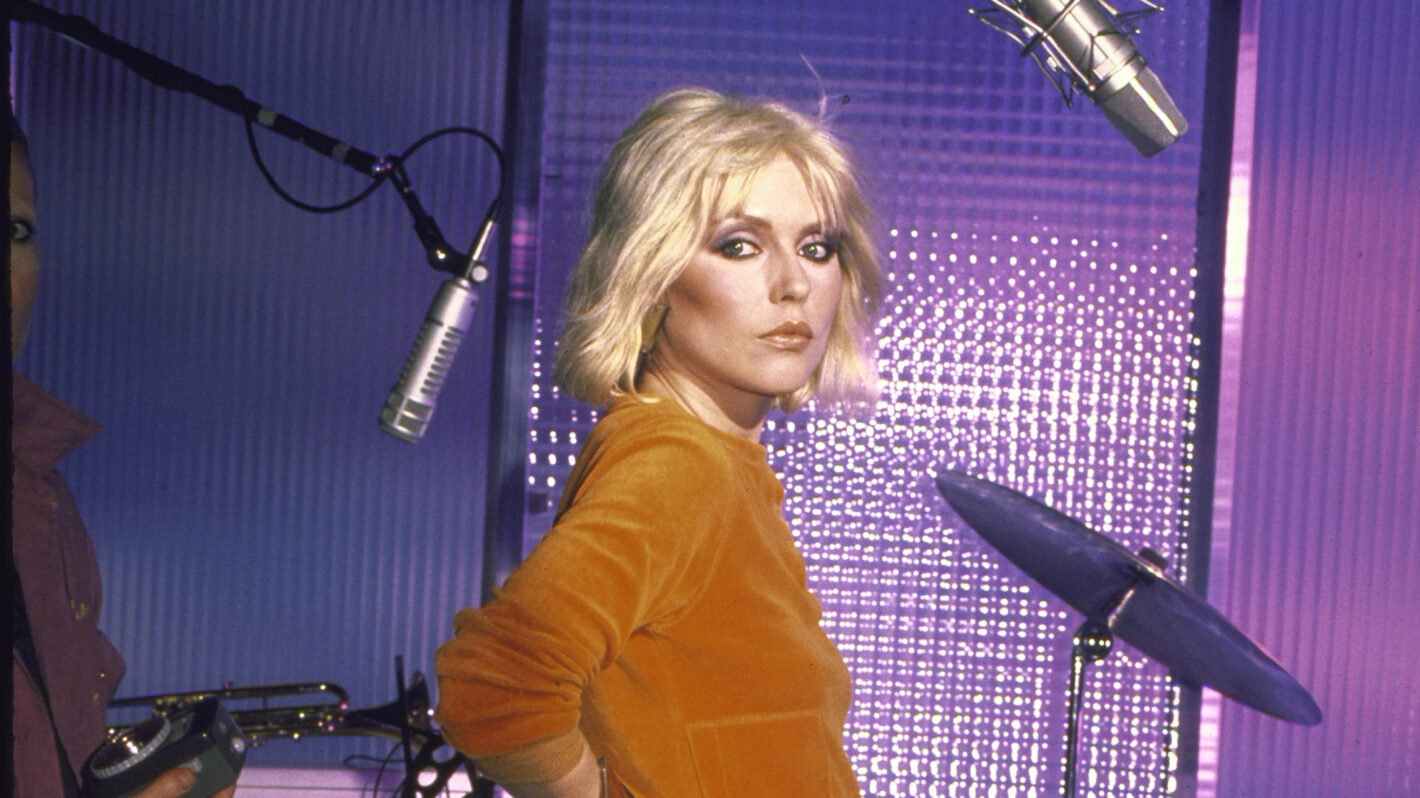
Blondie’s influence also extends into the fashion and commercial sectors, as evidenced by Harry’s historical associations with brands such as Gloria Vanderbilt. The iconic imagery of Harry in Murjani jeans, captured by photographers like Robin Platzer, helped bridge the gap between rock rebellion and high-fashion commercialism. This crossover appeal has ensured that the "Blondie" brand remains a visual and cultural touchstone, independent of the music itself.
Technical Collaborations and the Role of Glen Matlock
A key element of the High Noon sessions is the continued involvement of Glen Matlock. The inclusion of the former Sex Pistols bassist is a strategic and creative boon for the group. Matlock, who joined the touring lineup following the departure of founding bassist Leigh Foxx, provides a rhythmic foundation that honors the band’s punk roots while allowing for the melodic complexity required by Stein’s compositions.
While Chris Stein has stepped back from touring in recent years due to ongoing health considerations, his role as the primary architect of the Blondie sound remains intact. Reports from the studio indicate that Stein has been heavily involved in the songwriting and production phases of High Noon, ensuring that the album retains the signature "Blondie" DNA—a mix of dark lyricism, infectious hooks, and eclectic instrumentation.
Broad Implications for the Music Industry
The release of High Noon in 2026 will serve as a case study in the sustainability of the "New Wave" generation. As many of their contemporaries retire or focus exclusively on "greatest hits" tours, Blondie’s insistence on producing new work signals a commitment to artistic evolution.
Analysts suggest that the timing of the release—spring 2026—is likely intended to coincide with a major global tour and potential festival appearances. In the current touring climate, where "experience-based" entertainment is at a premium, a Blondie tour featuring new material alongside a deep catalog of hits is projected to be among the most anticipated events of the season.
Furthermore, the album’s title, High Noon, suggests a thematic focus on reckoning, confrontation, or perhaps a final stand. For an artist like Harry, who has spent her career subverting expectations of aging in the spotlight, the album provides a platform to address contemporary social and personal themes from the perspective of a seasoned icon.
Anticipated Reception and Legacy
As the spring 2026 release date approaches, the music community remains focused on how High Noon will balance the band’s historic sound with modern production techniques. The band’s last album, Pollinator, was praised for its return to a more organic, band-centric sound, featuring collaborations with younger artists like Charli XCX and Sia. Whether High Noon follows this collaborative path or returns to a more insular creative process remains a subject of speculation among fans and critics alike.
Regardless of the specific sonic direction, the cultural significance of Deborah Harry and Blondie remains undisputed. From the streets of the Lower East Side to the heights of the global charts, the group has navigated half a century of cultural shifts without losing its identity. High Noon is not merely a new album; it is a continuation of a narrative that has shaped the modern understanding of what it means to be a rock star.
In an era of fleeting digital fame, the return of a group with the pedigree of Blondie offers a sense of continuity. As Harry, Stein, and Matlock finalize the tracks for High Noon, the industry waits to see how the pioneers of the new wave will redefine the genre once again. The spring of 2026 promises to be a pivotal moment for music history, marking the return of a band that taught the world that punk could be pop, and pop could be art.