Curry Baker’s highly anticipated new horror film, Obsession, is set to premiere in theaters nationwide on May 15th, but the chilling narrative of obsessive love has already begun to infiltrate the real world through an innovative and unsettling marketing campaign orchestrated by Focus Features. The campaign introduces audiences to Nikki, played by Inde Navarrette, an increasingly fixated character whose presence is now being felt through interactive billboards and a dedicated phone line. This multi-platform approach aims to immerse potential viewers in the film’s central theme of escalating obsession, blending elements of romance with a palpable sense of dread.
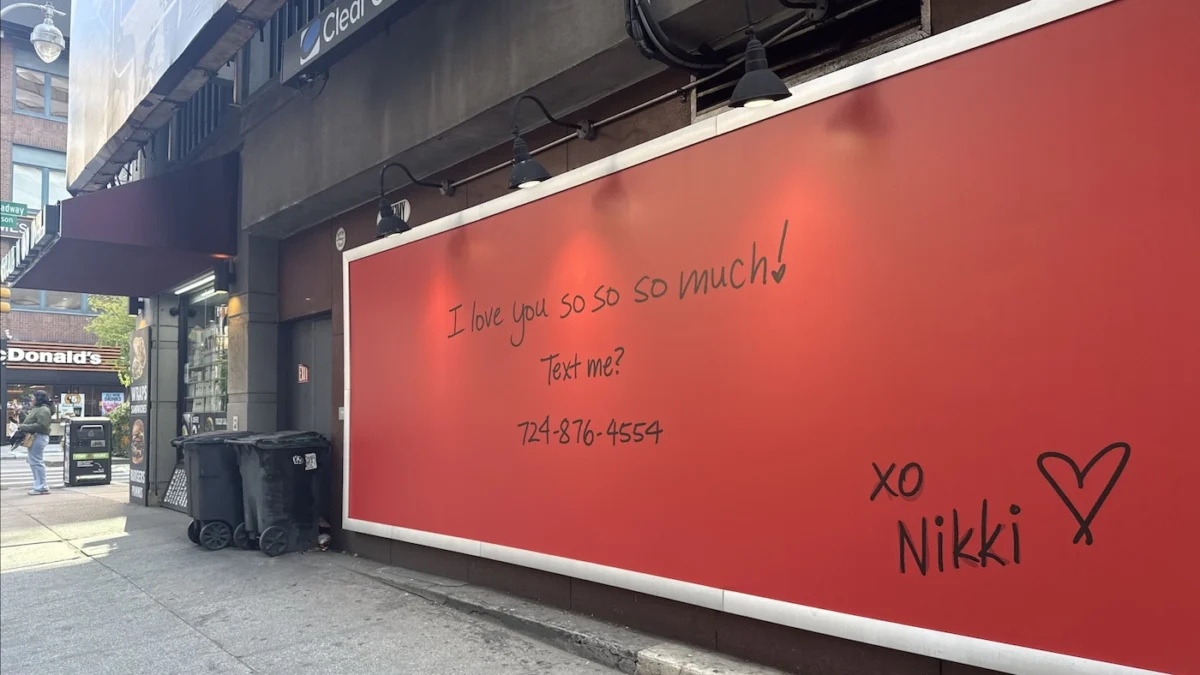
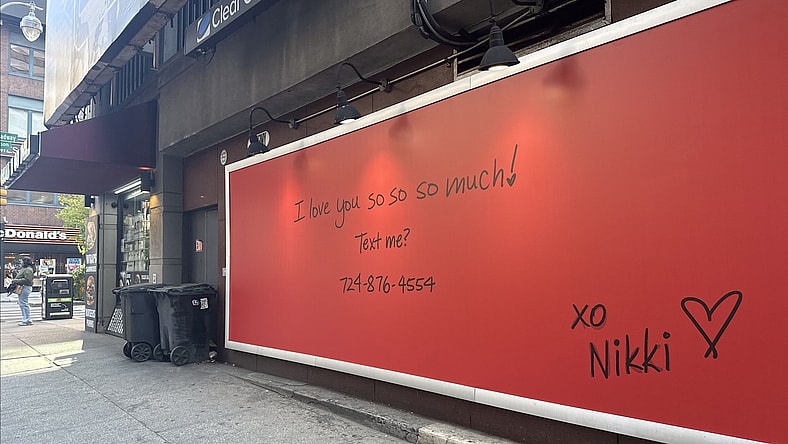
The campaign, which launched this week in high-traffic urban centers including New York City and Los Angeles, features a series of billboards designed to mirror the psychological descent of Nikki’s character. Initially, the messages are deceptively simple and affectionate, reflecting the early stages of infatuation. Phrases like "I love you so so so much," followed by a direct plea, "Text me?", and the designated phone number, 724-876-4554, are presented with a seemingly innocent, even sweet, tone. These early iterations are signed off with "xo Nikki," evoking a sense of youthful romance. However, this facade quickly begins to crumble, signaling the darker undertones of the film.
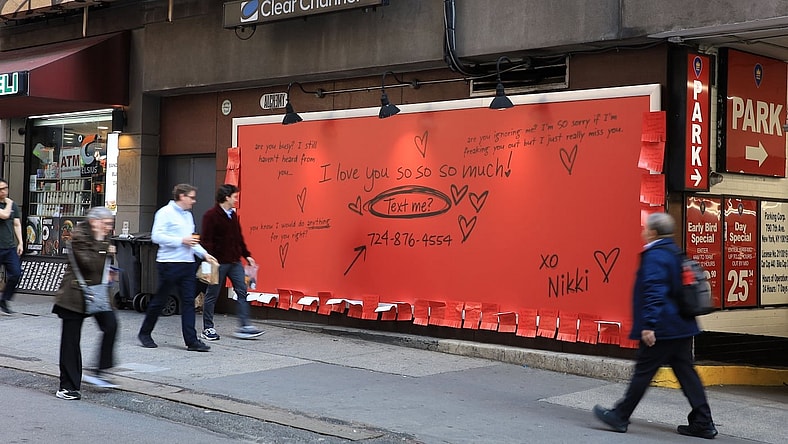
As the campaign progresses, the visual and textual elements of the billboards take a more urgent and disturbing turn. The initial messages are augmented with frantic scribbles, crossed-out words, and repeated, increasingly desperate questions. A notable shift occurs with the introduction of inquiries such as, "Why haven’t you texted me?" This progression from overt affection to desperate fixation is a deliberate artistic choice, intended to visually represent the unsettling transition from admiration to unhealthy obsession. The campaign’s design meticulously crafts a narrative arc that mirrors the film’s thematic core, effectively drawing the audience into Nikki’s spiraling psyche before they even step into a cinema.
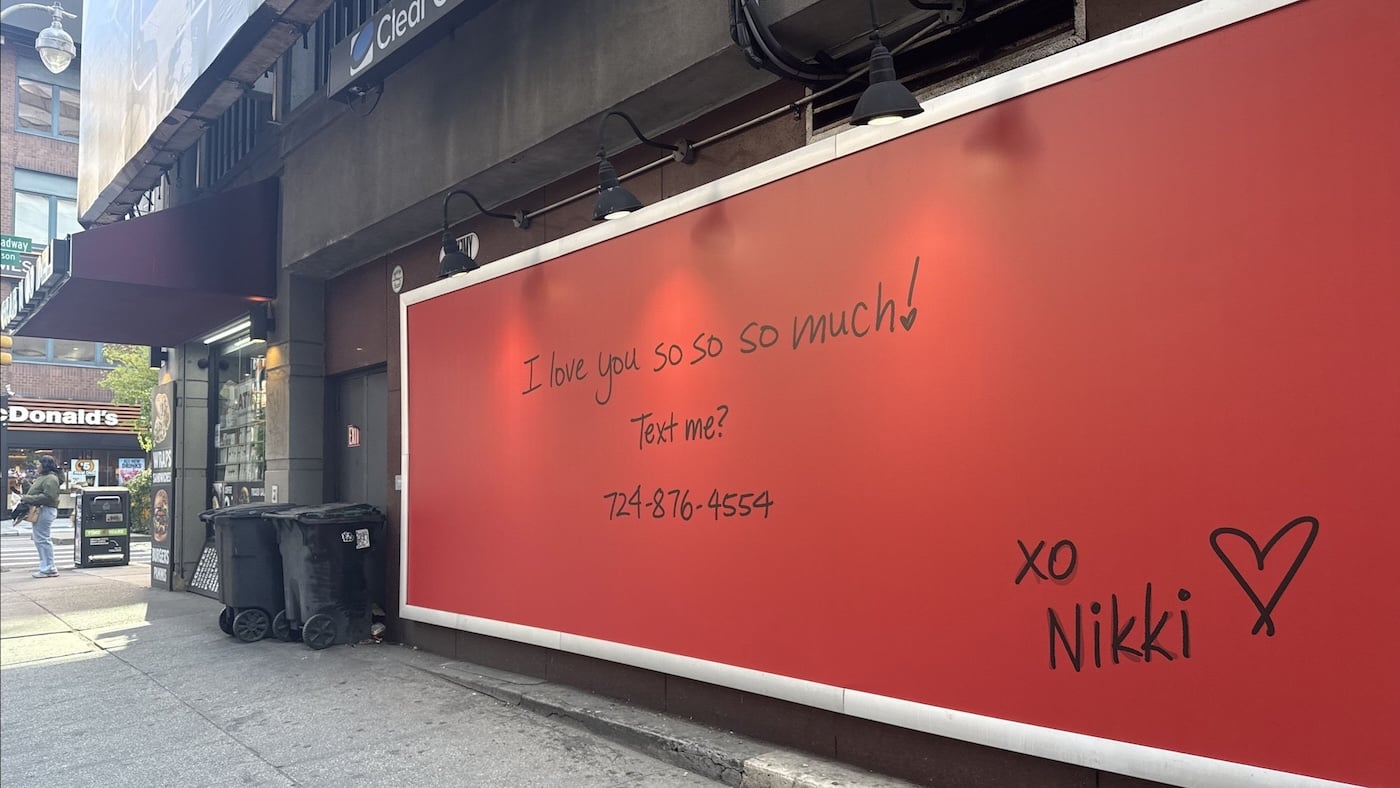
The strategic placement of these billboards in densely populated areas, such as Fairfax Avenue & Blackburn Avenue in Los Angeles and 1652 Broadway & W. 51st Street in New York City, ensures maximum exposure and engagement. These locations are chosen not only for their visibility but also for their ability to capture the attention of a diverse urban populace, generating organic curiosity and discussion around the film. The interactive element, allowing individuals to text the provided number and receive "fun (and creepy) messages from Nikki," further amplifies the campaign’s reach and its ability to create a memorable, albeit unsettling, brand experience.
The Narrative of Obsession
Obsession centers on a seemingly straightforward premise that quickly devolves into a terrifying exploration of desire and its consequences. The film’s plot follows a hopeless romantic, portrayed by Michael Johnston, who, in a desperate attempt to win the heart of his crush, breaks the mystical "One Wish Willow." While his wish is granted, granting him his desired affection, he soon discovers that such potent desires often come at a significant and sinister cost. The film delves into the psychological ramifications of unchecked longing and the dark paths that obsession can forge.
This narrative framework provides fertile ground for a horror film, and early critical reception suggests that Baker and his cast have delivered a compelling and disturbing experience. The film is particularly noted for Inde Navarrette’s performance as Nikki, which is being hailed as a breakout role. Critics have lauded her portrayal for its intensity and authenticity, positioning her as a potential new icon in the horror genre.
Critical Acclaim for Navarrette’s Performance
The film’s potential impact is amplified by the strong critical reception, particularly for Navarrette’s performance. Josh Korngut, in a review for Dread Central, described Navarrette’s work as "genuinely startling" and possessing the "makings of a newly minted horror icon." Korngut further elaborated on the performance, drawing a comparison to Mikey Madison’s impactful role in Anora, but with a darker, more visceral edge. He stated, "Think of Mikey Madison’s fireworks in Anora, then imagine she’s been bitten by a Deadite suffering from the world’s worst migraines. Her suffering is nearly as frightening as the suffering she enacts on the world around her. It’s a revelation." This level of praise suggests that Navarrette’s portrayal of Nikki is not merely a supporting role but a central, driving force of the film’s horror.
Marketing as a Precursor to Horror
The integrated marketing strategy for Obsession is designed to foreshadow the film’s thematic concerns and establish a tone of psychological unease. By extending the narrative of obsession beyond the screen and into the real world, Focus Features aims to create a palpable sense of dread that precedes the theatrical release. The text message campaign, in particular, offers a direct and personal engagement with the character of Nikki, allowing potential viewers to experience a microcosm of her obsessive behavior. This approach taps into contemporary communication methods, making the horror feel more immediate and relatable.
The decision to utilize interactive billboards and a dedicated phone line is a calculated move to leverage audience engagement in the digital age. In an era where viral marketing and shareable content are paramount, this campaign has the potential to generate significant buzz through social media discussions and word-of-mouth. The unsettling nature of the messages and the escalating tone are likely to provoke reactions and conversations, further amplifying the film’s visibility.
Background and Context of the Film
Curry Baker, known for his previous work such as Milk and Serial, brings a distinct vision to the horror genre. While details about his directorial style for Obsession are not extensively provided in the initial announcement, his previous projects suggest a capacity for crafting engaging and impactful narratives within the horror landscape. The film’s premise, dealing with the dangerous consequences of unchecked desires, taps into a timeless fear that resonates deeply with audiences. The "One Wish Willow" element introduces a supernatural or folkloric component, suggesting a blend of psychological horror and potentially dark fantasy.
The casting of Michael Johnston alongside Inde Navarrette is also noteworthy. While Johnston’s specific role in the film’s promotional materials is described as the "hopeless romantic," his presence alongside Navarrette’s breakout performance indicates a strong ensemble cast. The dynamic between these characters will undoubtedly be crucial in conveying the film’s central themes of desire, consequence, and the blurring lines between love and obsession.
Broader Implications of the Campaign
The Obsession marketing campaign represents a growing trend in the entertainment industry to create immersive experiences that extend beyond traditional advertising. By blurring the lines between fiction and reality, filmmakers and distributors can generate a more profound emotional connection with their audience. This approach not only serves to promote the film but also to educate potential viewers about its thematic depth and the intensity of its narrative.
Furthermore, the success of such campaigns can influence future marketing strategies for horror films. The use of interactive elements and the creation of characters that exist beyond the confines of the screen can become a standard practice for generating anticipation and fostering a dedicated fanbase. The campaign’s ability to generate intrigue and conversation without revealing too much of the film’s plot is a testament to its effectiveness. It allows the audience to piece together the narrative’s progression, mirroring the investigative nature of discovering a disturbing truth.
The film’s release date, May 15th, places it in a competitive period for new cinematic offerings. However, the preemptive and immersive marketing strategy suggests a confidence in Obsession‘s ability to capture audience attention and deliver a memorable horror experience. Focus Features’ commitment to this unconventional approach underscores the evolving landscape of film promotion, where engagement and immersion are becoming as critical as broad visibility. The campaign for Obsession is not just advertising; it’s an extension of the film’s narrative, inviting audiences to become part of its chilling world before the credits even roll.