AMC’s acclaimed horror anthology series, The Terror, has returned for its latest installment, this season delving into the chilling narrative of Victor LaValle’s gripping novel, The Devil in Silver. The premiere episode plunges viewers into the grim confines of New York City’s New Hyde Hospital, a mental institution where the line between reality and spectral horror blurs, and the very system designed to heal becomes a source of profound dread. This review will explore the initial episode, offering insights into its thematic depth, character introductions, and the unsettling atmosphere it meticulously cultivates, while also acknowledging its roots in LaValle’s compelling source material.
Establishing the Tone: A Systemic Rot
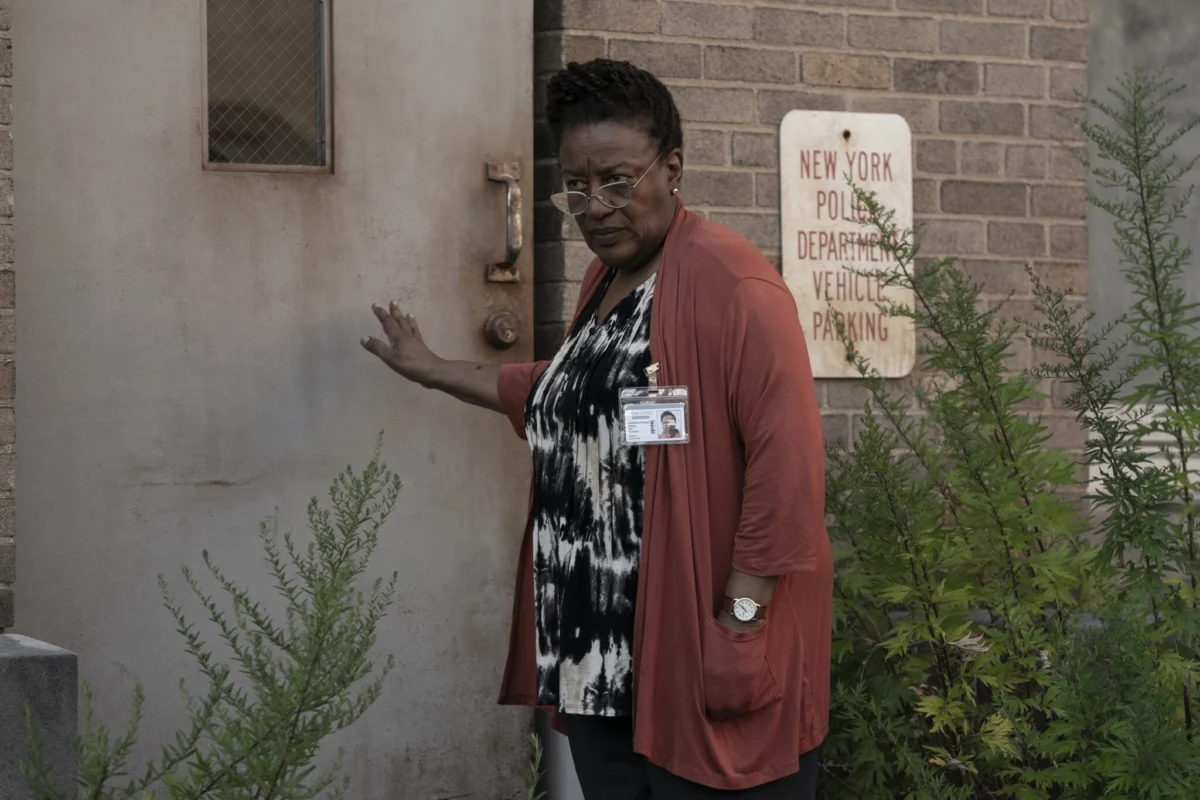
The episode opens not with a protagonist, but with a stark tableau of death. Mr. Bromden lies deceased in his bed, his body contorted in what appears to be a final, agonizing terror. The scene at New Hyde Hospital, a sprawling brick edifice that evokes more of a decaying industrial complex than a place of care, immediately signals the pervasive neglect and dehumanization at the heart of the narrative. The discovery of Bromden’s body by nurses Josephine (Maureen Sebastian), Miss Chris (CCH Pounder), and Scotch Tape (Hampton Fluker) is marked by a disturbing lack of reverence. The casual manipulation of the deceased’s limbs, even after rigor mortis has set in, underscores a chilling indifference that pervades the hospital staff. This opening sequence is not merely a plot device; it serves as a powerful indictment of a failing system, a point amplified by co-showrunner and author Victor LaValle himself.
In an interview with Reactor, LaValle articulated the deliberate choice to lead with this unsettling image. He drew a parallel to accounts of neglect following Hurricane Katrina, where elderly patients were abandoned in a nursing home, and one body remained undiscovered due to the onset of rigor mortis. This real-world tragedy informs the fictional one, serving as a potent metaphor for systemic failure. LaValle explains, "If the Big Bad is a monster in the walls, that’s scary. If the Big Bad is a system that has beaten everyone, patients and staff, down so much that they can rip open their own throat or break the legs of a dead person without complaint, that’s worse." This sentiment sets the stage for a horror that is not solely supernatural, but deeply rooted in societal failings and institutional decay. The episode masterfully establishes that the true horror may lie not in spectral entities, but in the crushing weight of a broken system.
Introducing Pepper: A Troubled Protagonist
The narrative then shifts to introduce its central character, Pepper, portrayed by Dan Stevens. Stevens imbues Pepper with a captivating "joie de dirtbag" quality – a roguish charm that makes him inherently likable, yet simultaneously frustrating. He embodies a complex duality: capable of acts of unexpected kindness, such as defending his girlfriend Marisol (Juani Feliz) from an abusive ex-partner, yet prone to reckless impulsivity that jeopardizes his own well-being. This incident, which culminates in police intervention and a violation of procedural norms, directly leads to Pepper’s involuntary commitment to New Hyde Hospital.
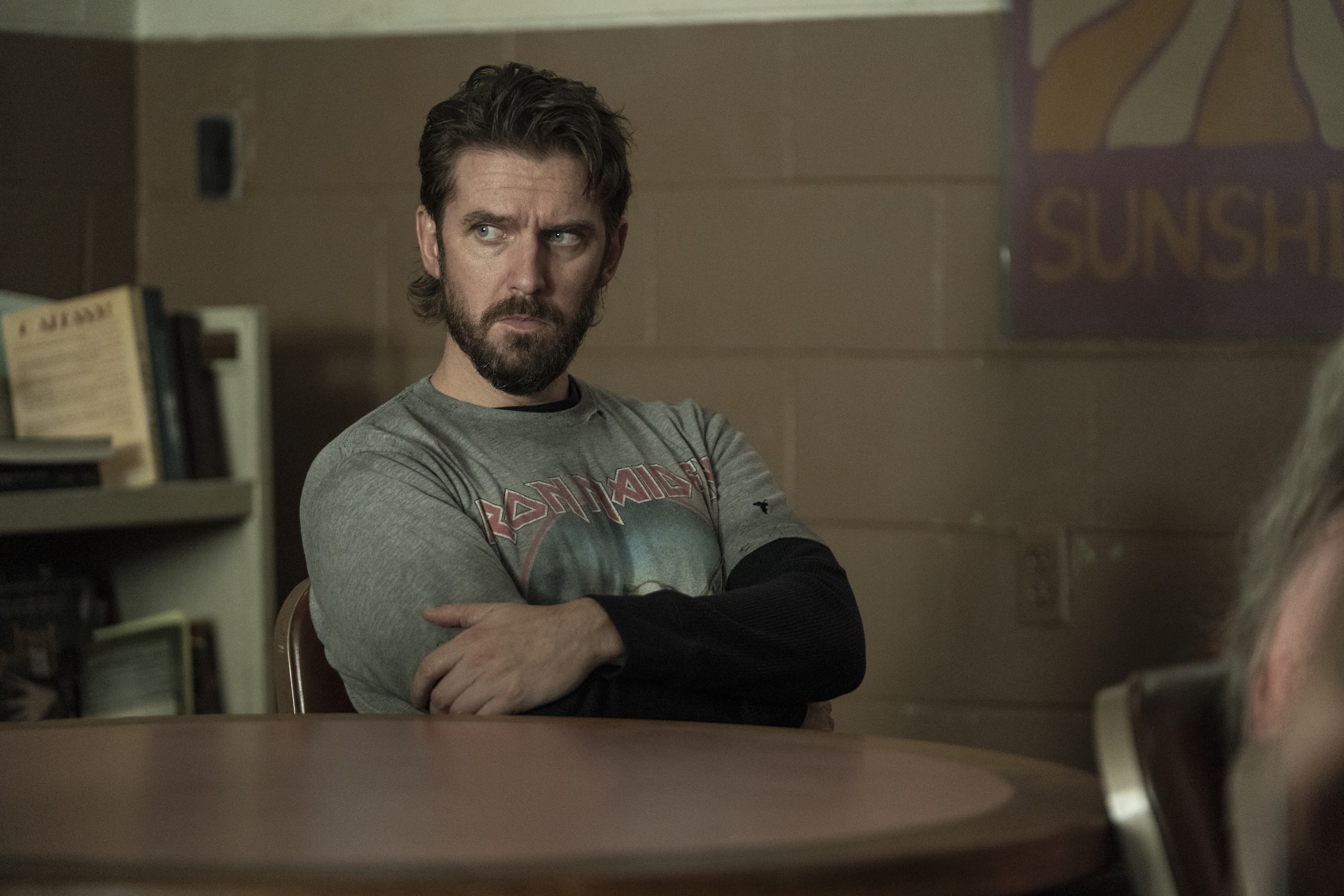
Pepper’s character arc is immediately framed by his privilege and its limitations. Despite his rough edges and confrontational demeanor, his whiteness initially offers a perceived buffer against the system’s harshest impacts. However, the episode quickly illustrates that this privilege is not absolute, particularly when faced with the arbitrary power wielded by law enforcement and the bureaucratic machinery of the hospital. His attempt to leverage his racial identity with the arresting officers proves futile, highlighting a critical intersection of race, class, and mental health within the institution. The episode implicitly poses the question: while his arrest might have been less severe than it could have been for a person of color, the system’s capacity for injustice remains potent.
The Labyrinthine Halls of New Hyde
Pepper’s arrival at New Hyde is met with a disorienting intake process and a brief, yet impactful, introduction to the hospital’s peculiar ecosystem by Dorry (Judith Light), a seemingly knowledgeable, if cryptic, "tour guide." Placed in Mr. Bromden’s former room, Pepper finds himself an anomaly within a patient population that is predominantly comprised of women and people of color. This demographic observation is significant, as it starkly contrasts with the visible white staff members, primarily doctors, while the nursing staff and head doctor are BIPOC. This visual juxtaposition subtly underscores the complex social dynamics at play within the institution, hinting at layers of power and vulnerability that extend beyond the immediate threat of the supernatural.
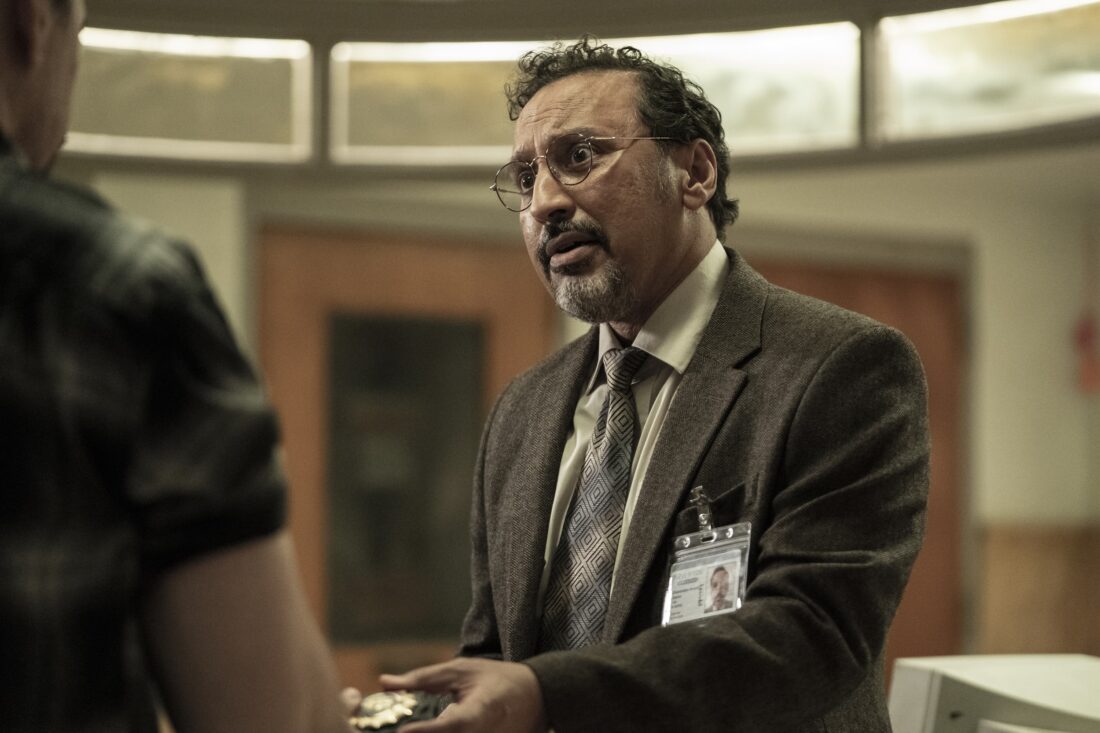
The episode introduces "Louie" (Philip Ettinger), an unnamed police officer who, in Pepper’s perception, represents a glimmer of integrity within the system. Louie is depicted as a conflicted figure, aware of the systemic corruption he encounters, yet seemingly unwilling or unable to enact significant change. His brief foray into the hospital’s "bowels" results in an encounter with what appears to be a hallucination or spectral entity, echoing Mr. Bromden’s fate and further suggesting a malevolent presence within the hospital’s walls. Pepper’s 72-hour hold is swiftly undermined by the administration of antipsychotic medication, a move that exacerbates his disorientation and leads to an assault on Dr. Anand (Aasif Mandvi). This escalates his predicament, resulting in further sedation and an extension of his unofficial sentence.
The System’s Unseen Hand
Dr. Anand, despite initial appearances, quickly reveals himself to be a cog in the bureaucratic machine, prioritizing procedure over patient well-being. His administration of medication to Pepper, a patient who does not exhibit the symptoms the drugs are intended to treat, exemplifies the system’s perverse logic. Instead of questioning the efficacy of the treatment or considering the possibility of external factors, the staff and authorities rationalize Pepper’s subsequent hallucinations and erratic behavior as evidence of his supposed mental illness. This cyclical reasoning, where the treatment itself becomes a cause for further institutionalization, is a chilling indictment of the mental healthcare system.
The episode critically examines the concept of "following doctor’s orders." While seemingly straightforward, these directives are weaponized within the hospital’s environment. The prescription of Haldol, an antipsychotic typically used for schizophrenia and Tourette’s syndrome, incapacitates Pepper, causing him to miss other crucial medications. The overworked nursing staff, constrained by systemic understaffing, simply logs him as "noncompliant" rather than investigating the root cause. This bureaucratic designation, a technical adherence to rules, perpetuates Pepper’s detention. The narrative highlights that the system is not broken; rather, it is functioning precisely as designed – to exploit and contain vulnerable individuals, including both patients and staff who are often victims of the same systemic pressures.
Broader Societal Implications
The episode extends its critique beyond the immediate confines of the hospital, touching upon broader societal issues. The dialogue, particularly from Pepper’s roommate Coffee (Chinaza Uche), points to the profit-driven nature of such institutions: "The system is designed to ‘profit off our bodies’." This assertion resonates with historical criticisms of the asylum system, where the term "inmates" was used to denote patients, underscoring a punitive rather than therapeutic intent. The episode suggests that even in contemporary settings, the underlying mechanisms of control and exploitation can persist, masked by the veneer of medical care.
The character of Louie, the conflicted police officer, serves as a microcosm of societal complicity. His attempts to leak information to journalists, a seemingly proactive measure, ultimately yield no meaningful change. This futility underscores the challenge of reforming deeply entrenched systems. Louie’s internal struggle – his desire to do right versus his need to maintain his livelihood – reflects a broader societal tendency to prioritize self-preservation over systemic disruption. His lament, "This can’t be the job," is met with the stark reality that, within the current framework, it is precisely the job.
The Visual and Auditory Landscape of Dread
The Terror: The Devil in Silver excels in its atmospheric construction. The cinematography, helmed by Julie Kirkwood, and direction by Karyn Kusama, create a palpable sense of unease. Harsh angles, unsettling perspectives, and a sickly yellow hue contribute to a visually disturbing environment. The production design reinforces this, presenting a dilapidated, anachronistic New Hyde Hospital that feels frozen in time, a stark contrast to the modern world outside. The sound design, characterized by its wobbly, warped musical score, further enhances the disorienting and nightmarish quality of the experience.
The series also benefits from a stellar cast. Dan Stevens delivers a nuanced performance as Pepper, capturing his multifaceted personality. Judith Light’s brief but memorable appearance as Dorry hints at a deeper, perhaps more sinister, role within the hospital’s mysteries. Aasif Mandvi effectively portrays Dr. Anand’s bureaucratic detachment, and CCH Pounder, as Miss Chris, brings a commanding presence to her role. Pounder’s portrayal is particularly noteworthy, offering a more complex rendition of the character than her literary counterpart. While the book’s Miss Chris may have reveled in cruelty, Pounder’s interpretation imbues her with a weary authority born from exhaustion and a profound understanding of the institution’s power dynamics. She commands with a pragmatic, no-nonsense demeanor, a testament to her extensive experience and the systemic pressures she endures. Her ability to instruct Scotch Tape to break bones while simultaneously exhibiting a moment of quiet respect for the deceased Bromden showcases the layered nature of characters operating within this morally compromised environment.
Anticipation for the Unfolding Horror
The inaugural episode successfully sets the stage for the season’s overarching narrative. The creators, Christopher Cantwell and Victor LaValle, adeptly balance the introduction of characters and plot with the gradual unveiling of supernatural elements. The ambiguity surrounding what is real and what is a product of Pepper’s fractured perception is a key driver of suspense. While the presence of something "wicked" is undeniable, its nature, origin, and ultimate purpose remain tantalizingly unknown. The episode masterfully teases the horrors to come, leaving the audience to grapple with the unsettling question of whether the true monsters reside within the hospital’s walls or within the very fabric of the system that confines its inhabitants. The combination of LaValle’s celebrated literary talent and The Terror‘s established pedigree for atmospheric horror promises a season that will be both thought-provoking and deeply unsettling. The journey into the heart of New Hyde Hospital has just begun, and the implications for its vulnerable residents are far-reaching.