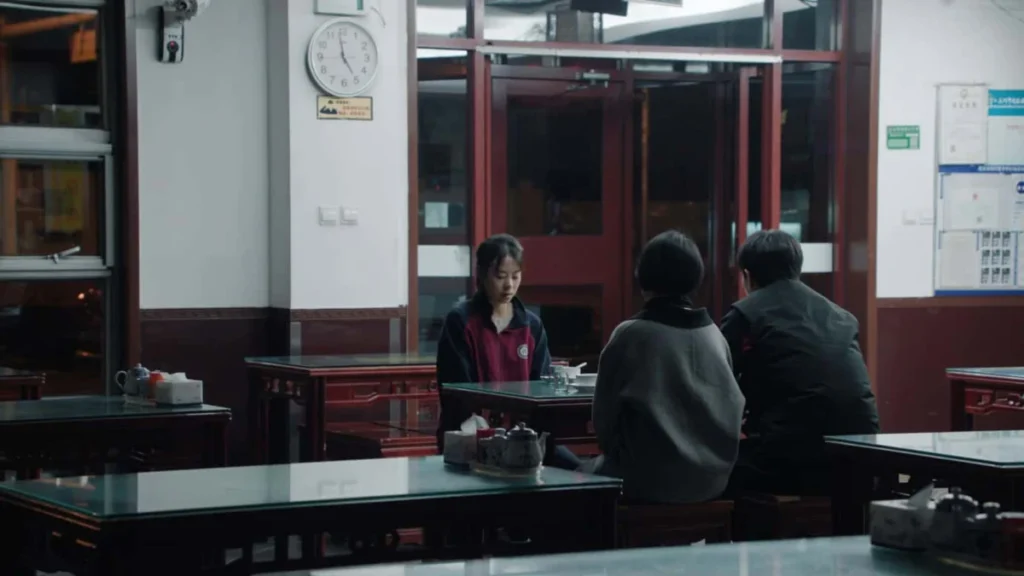
The cinematic landscape of Hong Kong has long been a fertile ground for diverse storytelling, from martial arts epics to gritty crime thrillers. In this rich tradition, veteran director Herman Yau returns with his latest offering, We’re Nothing At All, a profound social drama infused with action elements, now screening in cinemas across the UK and Ireland, distributed by Central City Media. The film leverages a shocking public incident—a bus explosion—as a narrative fulcrum, propelling viewers into a multifaceted exploration of contemporary Hong Kong society. It meticulously dissects entrenched issues such as systemic poverty, the complexities of sexuality, the pressures exerted by law enforcement, the strains on the public healthcare system, the pervasive sense of youth alienation, and broader institutional failures that subtly, yet profoundly, shape the lives of its inhabitants.
A Director’s Signature: Herman Yau’s Unflinching Lens
Herman Yau, a prolific filmmaker renowned for his distinctive style that often blends genre conventions with biting social commentary, once again demonstrates his directorial prowess. His filmography is characterized by an often raw, uncompromising gaze at the underbelly of society, frequently incorporating elements of horror, crime, and drama to amplify his messages. Yau’s work, which includes critically acclaimed features like The Untold Story (1993), Ip Man: The Final Fight (2013), and more recent social commentaries such as Distinction (2018) and The Sleep Curse (2017), consistently challenges audiences to confront uncomfortable truths. We’re Nothing At All stands as a testament to his continued commitment to cinematic provocation and social realism, filtering complex societal issues through the lens of a compelling human drama. His films rarely shy away from violence or extreme situations, often utilizing them not for gratuitous effect but to underscore the brutal realities faced by marginalized individuals. This approach has cemented his reputation as one of Hong Kong’s most courageous and thought-provoking filmmakers.
The Catalyst: A Bus Explosion and Its Ripple Effects
The narrative of We’re Nothing At All is ignited by a sudden, catastrophic bus explosion. This event, far from being a mere plot device, serves as a microcosm for the larger societal fractures the film aims to expose. In the immediate aftermath, the film adopts a forensic investigative approach, meticulously piecing together the circumstances leading to the tragedy. However, this initial procedural framework quickly expands, transforming into a broader indictment of the systemic issues plaguing Hong Kong. The explosion’s victims and those connected to them become conduits through which the film explores the intricate web of socio-economic and political pressures. This narrative strategy allows Yau to move beyond the immediate spectacle, delving into the human cost of neglect and institutional shortcomings. The incident acts as a dramatic catalyst, forcing characters and, by extension, the audience, to confront the underlying fragilities of a seemingly prosperous metropolis.
A Panoramic View of Societal Maladies
The film’s strength lies in its ambition to tackle multiple interconnected social issues. By weaving together disparate storylines and character arcs, We’re Nothing At All paints a comprehensive, albeit grim, picture of Hong Kong’s challenges:
- Poverty and Economic Disparity: Hong Kong, despite its global reputation as a financial hub, grapples with significant income inequality. Data from the Census and Statistics Department of Hong Kong consistently highlights a widening wealth gap, with the Gini coefficient, a measure of income inequality, often ranking among the highest in developed economies. The film likely portrays the struggles of individuals trapped in low-wage jobs, precarious housing, and the perpetual cycle of financial hardship, illustrating how economic precarity can exacerbate other social ills.
- Sexuality and Societal Stigma: The film reportedly delves into aspects of sexuality, suggesting an exploration of marginalized sexual identities, relationships outside societal norms, or the impact of sexual violence and exploitation. In a society that can be both progressive and conservative, such themes often reveal underlying prejudices and the struggles for acceptance and dignity faced by various communities.
- Police Pressure and Public Trust: The relationship between law enforcement and the public in Hong Kong has been a subject of intense scrutiny, particularly in recent years. The film’s inclusion of "police pressure" suggests an examination of police tactics, accountability, and the erosion of public trust. This theme resonates with real-world debates concerning civil liberties, protest movements, and the perceived impartiality of justice.
- The Strained Healthcare System: Public healthcare in Hong Kong, while generally accessible, faces immense pressure due to an aging population, rising demand, and resource constraints. Long waiting lists for specialist appointments, overcrowded public hospitals, and the psychological toll on healthcare workers are well-documented issues. The film likely uses individual stories to highlight the human consequences of an overburdened system, where access to timely and adequate care can be a matter of life and death.
- Youth Alienation and Disillusionment: A pervasive theme in contemporary Hong Kong discourse is the disillusionment among its youth. Facing fierce competition for education and employment, exorbitant housing costs, and limited avenues for political participation, many young people feel a profound sense of alienation from the city’s future. The film is expected to explore this through characters grappling with a lack of purpose, frustration with systemic barriers, and perhaps a yearning for change or escape.
- Institutional Failure: Underlying all these specific issues is the broader critique of institutional failure. This encompasses a range of shortcomings, from inadequate social welfare policies and governmental unresponsiveness to perceived corruption or bureaucratic inefficiency. The film suggests that the bus explosion is not merely an isolated incident but a symptom of deeper systemic flaws that fail to protect and serve the most vulnerable segments of society.
The Ensemble Cast: Voices of a City
The film’s ambitious narrative is brought to life by a talented ensemble cast, featuring established actors alongside rising stars. Patrick Tam, known for his versatile performances in both commercial and arthouse cinema, leads a cast that includes Anson Kong and Ansonbean, members of the popular Cantopop boy band Mirror. Their involvement not only brings a contemporary appeal but also potentially connects the film with a younger demographic. Wong You-nam, a veteran actor with a strong track record in indie and mainstream productions, and Kearen Pang, an acclaimed actress and playwright, round out the primary cast. Each actor contributes to the film’s emotional core, embodying the diverse struggles and resilience of Hong Kong’s populace. Their performances are crucial in grounding the complex social commentary in relatable human experiences, ensuring that the film’s message resonates on a deeply personal level. The blend of seasoned performers and popular idols is a deliberate choice, aiming to broaden the film’s appeal while maintaining its artistic integrity and thematic depth.
Herman Yau’s Trademark Excess and Cinematic Blend
We’re Nothing At All is described as combining forensic investigation, melodrama, social realism, and Herman Yau’s "trademark taste for excess." This stylistic fusion is characteristic of Yau’s approach, where heightened dramatic situations and often visceral portrayals serve to underscore the gravity of his themes. The forensic investigation aspect provides a structured entry point into the chaos, while melodrama allows for the exploration of intense emotional states and interpersonal conflicts. Social realism anchors the narrative in the verifiable struggles of everyday life, preventing the film from becoming purely sensationalist. Yau’s "excess" often refers to his willingness to push boundaries, whether through graphic depictions or confrontational storytelling, to ensure his message is impactful and memorable. This blend of genres and styles is not merely for artistic flourish but is integral to the film’s effectiveness as a piece of social commentary, allowing it to appeal to a wider audience while maintaining its critical edge.
Hong Kong Cinema’s Shifting Tides: A Wave of Serious Commentary
The release of We’re Nothing At All comes at a time when Hong Kong cinema is experiencing a notable shift towards more serious, socially conscious filmmaking. Following significant socio-political developments in the city over the past decade, particularly in the aftermath of the 2019 protests and the subsequent implementation of the National Security Law, filmmakers have increasingly turned their cameras to explore the complexities and anxieties of contemporary Hong Kong life. This trend marks a departure from earlier decades dominated by escapist genre cinema (kung fu, triad films, romantic comedies) and a return to a more introspective, critical examination of local issues. Directors like Herman Yau are at the forefront of this movement, utilizing their craft to document, reflect, and critique the changing social fabric. Films like Ten Years (2015), Port of Call (2015), and Still Human (2018) exemplify this shift, engaging with themes of identity, political anxieties, economic hardship, and the challenges faced by marginalized communities. We’re Nothing At All firmly situates itself within this new wave, contributing to a vital cinematic dialogue about the city’s present and future. This movement is not just about local consumption; it seeks to articulate Hong Kong’s unique identity and struggles on a global stage.
Critical Discourse: Ambition vs. Execution
The ambition of We’re Nothing At All to weave together so many disparate characters and storylines presents both its greatest strength and potential challenge. As the initial review hints, the question arises whether its expansive scope leads to an overcrowded narrative or if it successfully orchestrates a cohesive and impactful critique. Film critics and industry observers frequently debate the efficacy of multi-narrative films that tackle numerous social issues. While such an approach can offer a panoramic view, it risks diluting the emotional impact of individual stories or leaving certain themes underdeveloped. However, when executed skillfully, as Yau has demonstrated in previous works, a complex narrative can create a rich tapestry of interconnected lives, amplifying the sense of a collective societal struggle. The success of We’re Nothing At All as a piece of social commentary, and its standing within Herman Yau’s recent oeuvre, will undoubtedly be judged on its ability to balance this narrative ambition with coherent execution, ensuring that the performances effectively support its emotional core without being overshadowed by the sheer volume of its thematic concerns. Early reception from festivals and critics suggests a mixed but generally appreciative view of its audacity and thematic depth, underscoring its relevance in contemporary discourse.
Global Reach and Cultural Dialogue
The distribution of We’re Nothing At All in UK and Ireland cinemas by Central City Media underscores the growing international interest in Hong Kong cinema, particularly films that offer incisive social commentary. For global audiences, these films provide a crucial window into the socio-political realities and cultural nuances of a city often viewed primarily through its economic prowess. The film’s ability to transcend geographical boundaries allows for a broader cultural dialogue, fostering understanding and empathy for the struggles faced by people in different parts of the world. Its exploration of universal themes like poverty, youth disillusionment, and institutional failings resonates beyond Hong Kong, making it a relevant piece of cinema for audiences grappling with similar issues in their own societies. This international exposure not only supports the Hong Kong film industry but also reinforces cinema’s role as a powerful medium for social critique and cross-cultural communication. The theatrical release in these markets indicates a confidence in the film’s ability to engage and provoke audiences outside of its immediate cultural context.
Implications for Hong Kong’s Future Discourse
We’re Nothing At All is more than just a film; it is a cultural artifact that reflects and potentially influences public discourse within Hong Kong. By openly addressing sensitive and often uncomfortable topics, Herman Yau contributes to a critical examination of the city’s trajectory. Such films can serve as a catalyst for discussion, raising awareness about marginalized communities and systemic issues that might otherwise remain obscured. In an environment where certain discussions can be challenging, cinema provides a powerful, albeit sometimes allegorical, platform for expression and critique. The film’s portrayal of youth alienation, for instance, might resonate deeply with younger generations, validating their experiences and potentially inspiring further introspection or action. Ultimately, We’re Nothing At All positions itself as a significant contribution to the evolving narrative of Hong Kong, a city in constant flux, striving to reconcile its past with its uncertain future. It stands as a testament to the enduring power of cinema to hold a mirror to society, challenging viewers to confront their collective conscience and consider the profound implications of being "nothing at all" in a world that often demands everything.