In 2020, as the global pandemic necessitated remote collaboration, a group of veteran journalists and screenwriters—Cord Jefferson, Max Read, Emma Carmichael, and Leah Beckmann—convened in a virtual writers’ room to develop a project that mirrored their own professional histories. All four had been integral members of Gawker, the digital media juggernaut that defined internet culture from its founding in 2002 until its high-profile bankruptcy and closure in 2016. Their scripted series, titled Scraper, was intended to be a candid, "Industry-meets-Succession" portrayal of the morally complex, high-stakes world of digital journalism. However, the project’s sudden cancellation by Apple TV+ served as a stark reminder that even years after its demise, the name "Gawker" continues to provoke visceral reactions from the world’s most powerful figures.

The Scripted Series That Never Was
The development of Scraper represented a full-circle moment for its creators. Cord Jefferson, an Emmy and Oscar winner, and Max Read, a former Gawker editor-in-chief, had successfully sold the series to Apple. The show was designed to avoid hagiography, instead opting for a "warts-and-all" depiction of a newsroom that thrived on exposing the hypocrisy of the elite. Jefferson described the fictionalized setting as a "morally queasy place," noting that such environments provide the most compelling narratives for television.
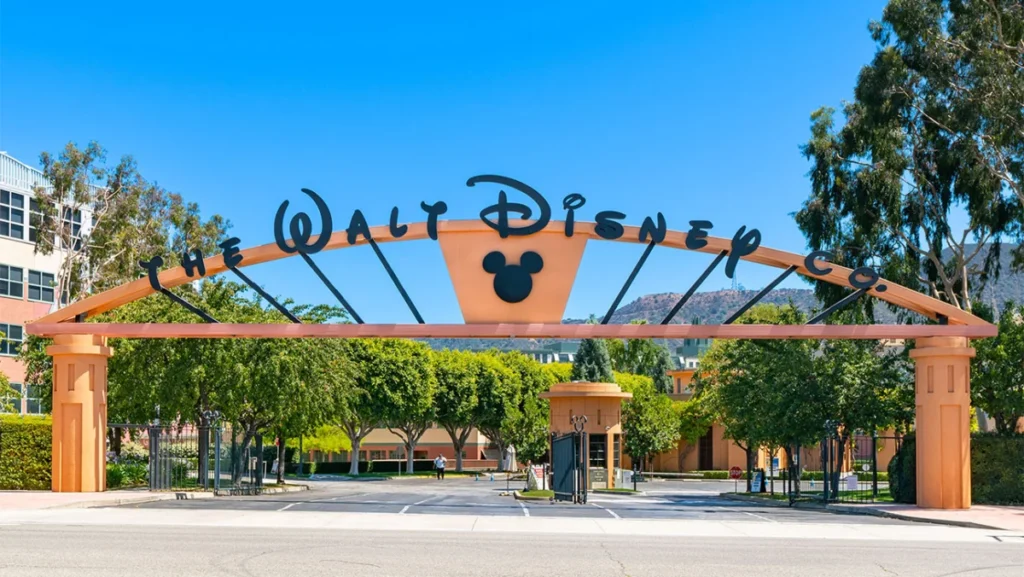
Despite the creative team’s pedigree, the project hit a terminal roadblock. According to Jefferson, the firewall between Apple’s entertainment division and its corporate leadership dissolved when CEO Tim Cook learned of the show’s subject matter. Cook, who had been the subject of a controversial 2011 Gawker-owned Valleywag article titled "Meet Tim Cook, the Most Powerful Gay Man in Silicon Valley," allegedly intervened personally to cancel the series. Reports surfaced of an email in which Cook referred to the Gawker staff as "vile human beings," highlighting a lingering animosity that stems from Gawker’s history of aggressive, filter-free reporting on the tech industry.

A Chronology of Disruption: 2002–2016
To understand the intensity of the opposition to Gawker, one must examine its trajectory as a media entity that prioritized transparency and "snark" over traditional journalistic decorum.
- 2002: British entrepreneur Nick Denton and journalist Elizabeth Spiers launch Gawker.com. Working out of a Soho apartment, the site pioneered a 24/7 blogging cycle that favored voice and speed over institutional polish.
- 2004–2006: Under editor Jessica Coen, Gawker professionalized the blog format, scaling its operations and introducing "renegade journalism" that influenced mainstream media norms.
- 2010: Gizmodo, a Gawker sibling site, obtains and publishes photos of a prototype iPhone 4 left in a bar, infuriating Steve Jobs and leading to a police raid on an editor’s home.
- 2011: Valleywag "outs" Tim Cook, a move that sparked intense ethical debates regarding the privacy of public figures versus the public’s interest in the lives of the powerful.
- 2012: Gawker publishes a 90-second snippet of a sex tape featuring professional wrestler Hulk Hogan (Terry Bollea). This decision would ultimately provide the legal leverage used to dismantle the company.
- 2015: Gawker staff votes to unionize, a first for a major digital media outlet. Later that year, the site faces internal turmoil after pulling a controversial story about a Condé Nast executive, leading to the resignations of Max Read and Tommy Craggs.
- 2016: A Florida jury awards Hulk Hogan $140 million in damages for invasion of privacy. Shortly after, tech billionaire Peter Thiel reveals he secretly bankrolled the lawsuit as revenge for Gawker’s previous reporting on him. Gawker Media files for Chapter 11 bankruptcy.
- August 2016: Gawker.com officially ceases operations. Its sister sites (Jezebel, Deadspin, Gizmodo) are sold to Univision for $135 million.
The Thiel Factor and the Weaponization of Litigation
The downfall of Gawker is often cited by legal scholars as a watershed moment for the First Amendment in the digital age. Peter Thiel’s admission to The New York Times that he spent approximately $10 million to fund Hogan’s litigation revealed a new vulnerability for media organizations: the ability of private billionaires to systematically bankrupt outlets through proxy lawsuits.

Thiel characterized his involvement as a "philanthropic" effort to curb what he deemed a "singularly terrible" bully. However, critics argue this established a dangerous precedent. Cord Jefferson notes that a direct line can be drawn from Thiel’s actions to subsequent efforts by other billionaires to control or suppress information. The acquisition of major platforms like Twitter (now X) and the purchase of legacy newspapers by the ultra-wealthy have further concentrated the power to shape public discourse in the hands of a few.
The legal strategy was not based on libel—which requires proving a statement is false—but on invasion of privacy. This distinction allowed the prosecution to focus on the "indecency" of the content rather than its factual accuracy, a tactic that successfully resonated with the Florida jury.

The Gawker Diaspora: Shaping Modern Media and Hollywood
While the website itself is gone, the "Gawker voice"—characterized by skepticism, urbanity, and a refusal to kowtow to celebrity—has become the default tone of the modern internet. Furthermore, the individuals who cut their teeth in Denton’s "storefront office" have moved into influential positions across the media landscape.
In Hollywood:

- Cord Jefferson: Transitioned from Gawker to writing for Watchmen and Succession, eventually winning an Academy Award for his screenplay American Fiction.
- Emma Carmichael: Moved into television writing with Wyatt Cenac’s Problem Areas and currently has projects in development at 20th Century Studios and Hulu.
- Leah Beckmann: Has become a prolific comedy writer, contributing to projects for Peacock and Netflix, including Nick Kroll’s upcoming satiric take on the "manosphere."
In Journalism:
- John Cook: Oversaw major investigative pieces at Business Insider regarding Elon Musk and now serves as a deputy editor for an investigative team at The Wall Street Journal.
- Caity Weaver: Her long-form, humorous style, which flourished at Gawker, is now a staple of The New York Times and The Atlantic.
- Elizabeth Spiers: Continues to influence public opinion through her work for The New York Times and The Nation, maintaining the unapologetic tone that launched Gawker in 2002.
Impact Analysis: A Cowed Media Landscape
The absence of a Gawker-like entity in today’s media environment is notable. While various attempts have been made to revive the brand—most notably by Bustle Digital Group in 2021—the current economic and legal climate is significantly more risk-averse. The rise of Substack has allowed individual writers like Max Read to maintain independent voices, but these platforms lack the collective legal protection and resources of a centralized newsroom.

The closure of Gawker also signaled a shift in how the public views the tech industry. During Gawker’s peak, Silicon Valley entrepreneurs were often treated with the same reverence as Hollywood stars. Gawker’s refusal to participate in this "hagiography" provided a necessary counter-narrative. Today, while skepticism of Big Tech is mainstream, the methods for holding these entities accountable have become increasingly fraught as media ownership becomes more consolidated.
Conclusion: The Enduring Unspoken Bond
A decade after its shuttering, Gawker remains a polarizing subject. To its critics, it was a puerile outlet that overstepped moral boundaries; to its supporters, it was a vital check on the hubris of the wealthy. For the staffers who lived through the "roller coaster of high highs and low lows," the experience created an indelible bond.

Former editor-in-chief Jessica Coen suggests that the site’s most tragic legacy is that it was "put out of business by a billionaire with an ax to grind." This sentiment underscores a broader anxiety in contemporary journalism regarding the sustainability of independent, aggressive reporting in an era of unprecedented wealth inequality. While the physical offices on Crosby Street are a memory, the Gawker diaspora continues to influence how stories are told in print, on screen, and across the digital frontier, ensuring that the site’s DNA remains embedded in the cultural zeitgeist.