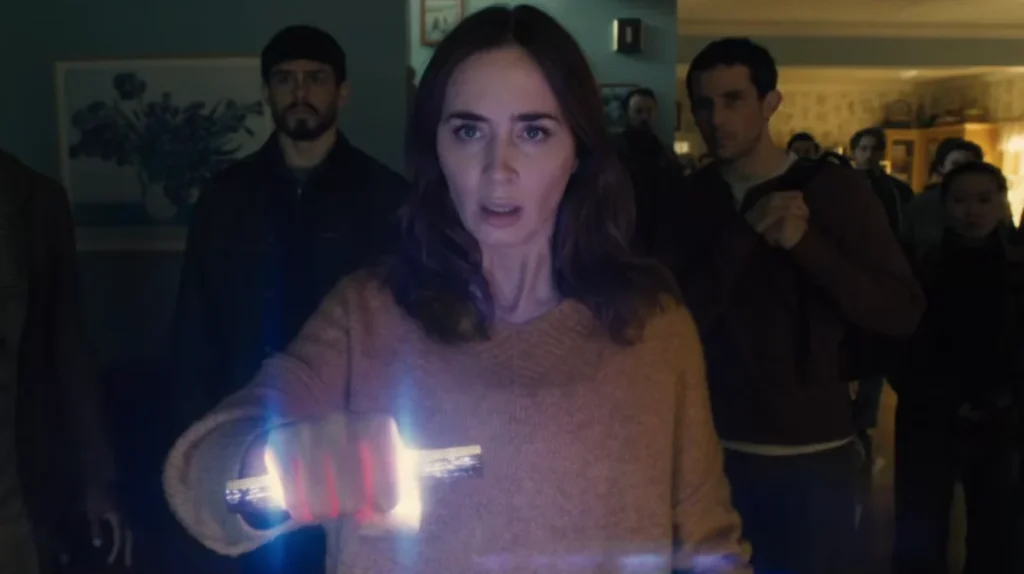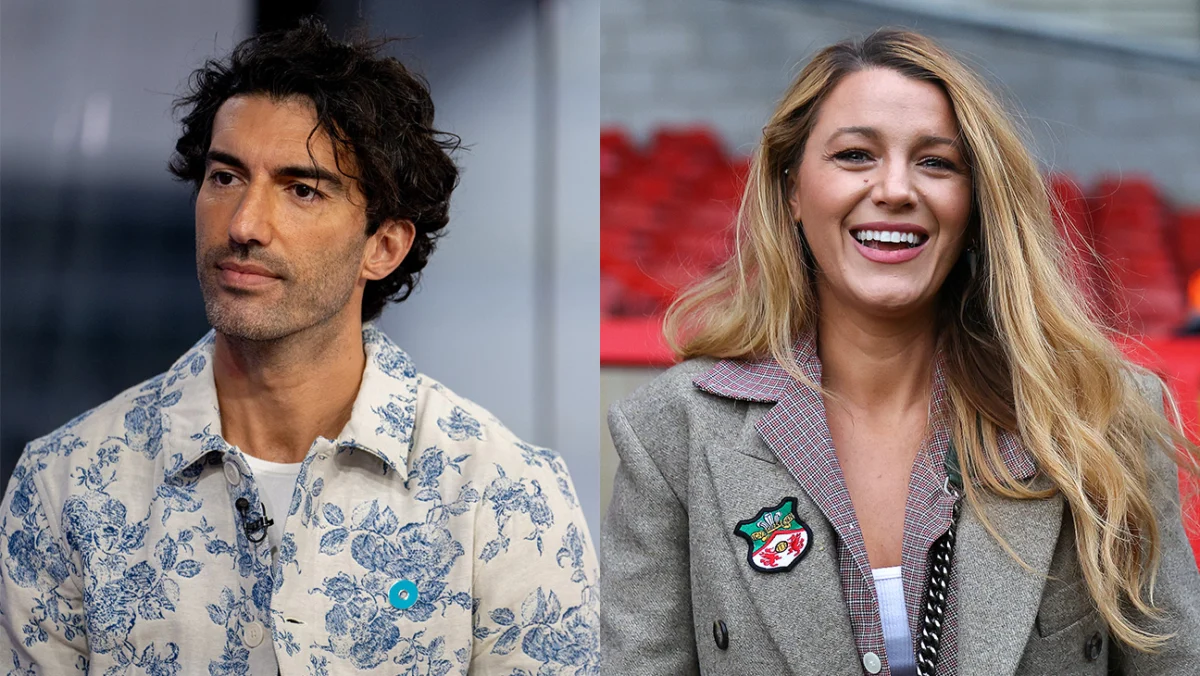
The entertainment industry watched intently as Blake Lively and Justin Baldoni, co-stars and producers on the commercially successful film It Ends With Us, recently averted a protracted legal battle royale with a surprise settlement. This resolution, while sparing them an ugly public trial, has plunged both stars into a different kind of challenge: the arduous task of rebuilding their Hollywood careers amidst widespread industry skepticism and reputational damage. The fallout extends even to A-lister Ryan Reynolds, Lively’s husband, whose own professional standing has experienced collateral impact.
The Resolution and Its Immediate Aftermath
Earlier this week, the news broke of a confidential settlement reached between Blake Lively and Justin Baldoni, effectively closing a contentious chapter that involved accusations of sexual harassment and smear campaigns related to the production of their 2024 drama, It Ends With Us. While the specifics of the settlement remain undisclosed, the agreement eliminated the prospect of a public trial that would have undoubtedly exposed further details of the acrimonious dispute. However, industry insiders are quick to point out that avoiding the courtroom does not equate to escaping judgment in the court of public opinion, or more critically, in the competitive landscape of Hollywood.
"They’re in jail. Both of them," stated one high-ranking studio executive, a sentiment echoed by numerous agents, producers, studio executives, and casting directors surveyed by The Hollywood Reporter. These informal assessments, while acknowledging the proven talent of both Lively and Baldoni through their past work, underscore the severe damage inflicted by a prolonged legal and public relations struggle. The consensus suggests that any "victories" achieved in such a fight often come at a pyrrhic cost, leaving indelible marks on professional reputations. The immediate consequence, as many predict, is a significant reticence from a substantial portion of the industry to collaborate with either artist in the near future.
The Genesis of the Conflict: It Ends With Us
The epicenter of this controversy is It Ends With Us, a romantic drama based on Colleen Hoover’s immensely popular 2016 novel. The book, known for its poignant exploration of domestic abuse and complex relationships, garnered a massive global fanbase, selling over 4 million copies and spending over 90 weeks on the New York Times bestseller list. Its adaptation to the big screen was highly anticipated, promising a significant box office draw.
Blake Lively took on the lead role of Lily Bloom and served as a producer, while Justin Baldoni directed, produced, and co-starred as Ryle Kincaid. The film proved to be a commercial triumph, raking in an impressive $351 million globally against a modest production budget of $25 million. This financial success, however, stands in stark contrast to the tumultuous behind-the-scenes environment that led to the legal dispute. The conflict was not rooted in financial disagreements or credit disputes, but rather in the operational aspects of the film’s shooting and the subsequent public relations strategies, with each side leveling serious allegations against the other.
The Legal Labyrinth: Accusations and Counter-Accusations
The legal confrontation involved a series of lawsuits and countersuits, painting a grim picture of the film’s production and its aftermath. Blake Lively’s legal team reportedly accused Baldoni of sexual harassment during the filming process, alleging an unsafe and hostile work environment. Such accusations, particularly in the post-#MeToo era, carry immense weight in Hollywood, often leading to immediate and severe professional repercussions.
In response, Baldoni reportedly launched a countersuit, alleging a smear campaign orchestrated by Lively and her associates, including her husband, Ryan Reynolds. These cross-allegations escalated the dispute into a deeply personal and public feud, transforming what began as a professional collaboration into a bitter legal battle. The protracted nature of these proceedings, marked by public filings and media scrutiny, ensured that both parties remained under an unflattering spotlight for an extended period, contributing significantly to the current perception of their careers. The industry, known for its emphasis on smooth productions and harmonious working relationships, viewed the prolonged animosity as a significant red flag.
Industry Sentiment: A "Trial of a Different Sort"
The prevailing sentiment among Hollywood professionals is one of caution and apprehension. "Who wants to work with people that go this far?" questioned the same high-ranking studio executive, highlighting a core concern for potential collaborators. The industry values not only talent but also reliability, professionalism, and the ability to navigate creative differences without resorting to public legal warfare.
Casting director Matthew Barry, renowned for his work on features like The Notebook and Rush Hour, succinctly observed, "They’re both in for a tough time." Barry drew a parallel to the lengthy hiatus experienced by Johnny Depp and Amber Heard from major studio work following their highly publicized and contentious divorce proceedings. While Depp has recently begun to re-enter the studio fold with Paramount’s forthcoming Ebenezer: A Christmas Carol (his first major studio film since 2018), Heard’s career has remained significantly muted, underscoring the long-term impact of such disputes. The implication is clear: even if legal battles conclude, the reputational scars can linger for years, influencing casting decisions, project funding, and overall career trajectories.
Blake Lively’s Path Forward: Strategic Rebranding and Financial Repercussions
Among the two, most THR sources agree that Blake Lively, despite the considerable damage, faces an easier, albeit still challenging, road to recovery. Lively, known for her roles in Gossip Girl, The Shallows, and A Simple Favor, has a strong track record and a well-established public persona. However, her brand has undoubtedly taken a hit.
One studio executive estimated that Lively could have commanded paydays of up to $12 million per film following the success of It Ends With Us. Today, this executive believes her market value has plummeted to approximately $3 million. This estimation aligns with court filings from Lively’s side during the dispute, where she reportedly estimated the reputational fallout from the alleged smear campaign to have cost her over $100 million in potential earnings, noting she was on track to secure roles with paychecks ranging from $10 million to $15 million each.
For Lively, the consensus suggests a strategic retreat from the public eye for a period. "Be thoughtful about what part she chooses next," advised an executive experienced in working with controversy-mired talent. This advice points to the importance of carefully curated roles that can help reframe her public image. One producer, half-jokingly, offered a bold suggestion: "If I were her, I would do a villain role and lean into the baggage." Such a move could be seen as a defiant embrace of her controversial period, potentially turning negative attention into a compelling artistic statement. However, it’s a risky strategy that requires careful execution to avoid reinforcing negative perceptions. The path for Lively will likely involve a combination of strategic silence, carefully selected projects that showcase her talent in a new light, and a gradual rebuilding of trust within the industry.
Justin Baldoni’s Uphill Battle: Directing Prospects and Independent Avenues
Justin Baldoni, who gained prominence as a romantic lead on The CW’s Jane the Virgin, faces a significantly tougher journey back into the industry’s good graces, particularly in his capacity as a director. The allegations of an "unsafe set" are particularly damaging for a director, as they directly impact the ability to attract talent and crew, and to secure production financing. "The allegations of an unsafe set, it’s hard to imagine he could cast a movie," noted one studio executive, highlighting the severe professional obstacle these claims present.
Casting director Jen Rudin, author of HarperCollins’ Confessions of a Casting Director, believes Baldoni will work again, but acknowledges that being associated with running a contentious set will undoubtedly be a mark against him, at least in the short term. "We’re at risk with anybody that we hire for anything," Rudin states, emphasizing the due diligence involved in any casting process. Her general hiring philosophy underscores a broader industry shift: "I just want to work with great people, on and off set. Now more than ever, we really need to just be good, kind human beings to each other." This sentiment reflects a heightened awareness within Hollywood about workplace culture and accountability, making it particularly challenging for anyone with a history of creating problematic environments.
One casting director predicts that Baldoni might need to return to his roots as a TV actor, foregoing directorial aspirations for the foreseeable future. This would allow him to rebuild his reputation on set as a performer, rather than as a leader responsible for an entire production’s environment. However, Baldoni does possess a potential lifeline through his company, Wayfarer Studios, which has the backing of billionaire Steve Sarowitz. This independent financing mechanism could enable him to self-finance his own movies, bypassing traditional studio gatekeepers who might be reluctant to hire him. "He could bring his own career back, but no one will hire him right now," conceded a studio executive, suggesting that while he may have the means to produce, securing distribution and attracting top-tier talent for external projects would remain a significant hurdle.
The Ripple Effect: Ryan Reynolds and Collateral Damage
The legal entanglement also cast a shadow over one of Hollywood’s most bankable stars, Ryan Reynolds. Married to Blake Lively, Reynolds was named in Baldoni’s now-dismissed countersuit, becoming an unwitting participant in the highly public dispute. As he supported his partner, his own reputation suffered collateral damage. Several sources indicated that Apple, a major player in streaming content, hesitated for several months in dating Reynolds’ action-comedy Mayday before finally committing to a September 4 release date in early February. This delay, while not explicitly linked to the Lively-Baldoni dispute, was widely interpreted as a sign of corporate caution surrounding a star whose public image had become entangled in controversy.
Reynolds, consistently one of the highest-paid actors in Hollywood, could face immediate pay cuts for future projects, although his iconic role as Deadpool in the highly anticipated Marvel Cinematic Universe entries would likely serve as an asterisk, offering a degree of insulation from the harshest financial impacts. One agency partner suggested that Reynolds could proactively regain goodwill and credibility by choosing a "leaner and scrappier" independent film as his next project, rather than another big-budget studio production. "He should do a Van Wilder movie for scale and regain his coolness," the agency partner quipped, only half-jokingly, referencing Reynolds’ early career hit. This advice underscores the power of artistic choices in rehabilitating a public image, suggesting a return to more grounded or character-driven roles might be more beneficial than continuing the blockbuster trend for a period.
Hollywood’s Evolving Landscape: Reputation, Risk, and Gender Disparity
The Lively-Baldoni case serves as a stark reminder of Hollywood’s evolving relationship with reputation and risk. In an era where social media amplifies every controversy and public accountability is increasingly demanded, the industry is more risk-averse than ever. A history of legal disputes, particularly those involving allegations of misconduct or hostile work environments, can severely impact a talent’s employability.
Furthermore, the discussion surrounding the careers of Lively, Baldoni, and even Reynolds, inevitably brings to light the persistent issue of gender disparity in how controversies are handled. One agent pointed to the example of Johnny Depp’s return in Ebenezer: A Christmas Carol after his acrimonious divorce from Amber Heard, contrasting it with Heard’s continued struggle for major roles. "You don’t ever hear Amber’s name," when people discuss Depp’s comeback, this agent noted. "It’s easier for men." This observation suggests that despite societal shifts, women in Hollywood often face a steeper uphill battle in recovering from public controversies, with their professional identities more frequently conflated with personal drama.
Conclusion
The settlement between Blake Lively and Justin Baldoni marks the end of a legal chapter but heralds the beginning of a significant professional challenge for both. While It Ends With Us proved a box office success, the human cost of its contentious production has become evident. Lively faces a strategic rebranding effort and a recalibration of her market value, Baldoni grapples with significant hurdles as a director and may need to pivot back to acting, and Ryan Reynolds navigates the complexities of collateral reputational damage. This saga underscores Hollywood’s intensified scrutiny of on-set conduct, the enduring impact of public perception, and the persistent, often unequal, pathways to redemption in the entertainment industry. Their individual journeys will offer a compelling case study for how talent navigates the treacherous waters of celebrity, scandal, and career rehabilitation in the 21st century.