Netflix is poised to launch "Viral Hit," a live-action adaptation of the highly popular WEBTOON series, globally on Thursday, June 11, 2026. The series delves into the contemporary issues of cyberbullying, social stratification, and the allure of online fame through the lens of a high school student’s desperate attempt to escape his dire circumstances. This adaptation marks another significant stride for Netflix in bringing internationally acclaimed digital comics to a worldwide audience, capitalizing on the growing demand for diverse, high-stakes narrative content.
A High-Stakes Premise for the Digital Age
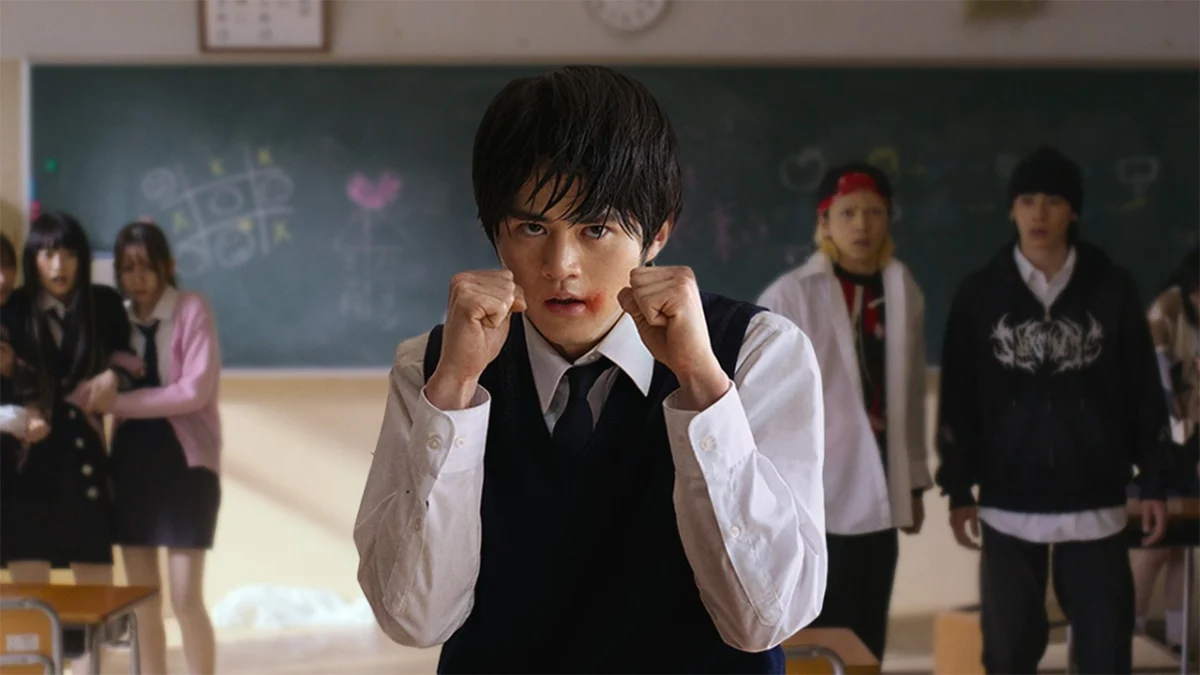
At the core of "Viral Hit" lies the compelling, albeit morally ambiguous, journey of Kota Shimura, a high school student perpetually trapped at the lowest rung of his school’s social hierarchy. Plagued by relentless bullying and the crushing weight of poverty, Shimura’s life appears devoid of prospects until a serendipitous event ignites an audacious, unconventional, and inherently risky path to potential salvation: livestreaming himself engaging in fights online. The premise immediately sets a tone that is both gritty and reflective of modern internet culture, where the pursuit of viral attention can often overshadow ethical considerations.
Shimura, an absolute amateur in the realm of physical combat, embarks on this perilous endeavor with the assistance of enigmatic instructional videos. His unlikely venture is further bolstered by the unwavering support of his friends, Aki Yashio and Kanegon, who become integral to his online fighting career. Armed with nothing more than a smartphone and a burgeoning, albeit raw, determination, Shimura confronts a succession of adversaries, each encounter pushing him further into the spotlight and deeper into the complexities of his chosen path. The narrative raises critical questions about the motivations driving these young individuals to stake their comebacks on online spectacle. Will their efforts yield the coveted rewards of money and fame, or will they discover something entirely different, perhaps more profound or more destructive, in the digital arena?
From WEBTOON Sensation to Live-Action Drama
The source material for the Netflix series is the critically acclaimed WEBTOON "Viral Hit," known in some regions as "How to Fight" or "Questism," created by Taejun Park and Kim Junghyun. WEBTOON, a digital comic platform originating from South Korea, has rapidly gained global traction, becoming a prolific incubator for compelling narratives that transcend traditional comic formats. "Viral Hit" itself has garnered millions of readers worldwide, celebrated for its unique blend of intense action sequences, nuanced character development, and poignant social commentary on youth culture, bullying, and the digital age’s impact on self-worth.
The adaptation of "Viral Hit" into a live-action series by Netflix is indicative of a broader industry trend where streaming giants are increasingly investing in intellectual properties (IPs) that have proven success and a dedicated fanbase on digital platforms. This strategy leverages pre-existing engagement, offering a built-in audience eager to see their beloved stories brought to life. Previous Netflix adaptations of WEBTOONs, such as "Sweet Home" and "All of Us Are Dead," have achieved global success, demonstrating the immense potential of these narratives to resonate across diverse cultural landscapes. Taejun Park, known for his ability to craft narratives that tackle complex social issues with engaging storytelling, including his other hit series "Lookism," brings a proven track record of creating content that captivates and provokes thought. The transition from a visually distinctive webcomic to a live-action format presents both creative challenges and opportunities, particularly in translating the dynamic action sequences and character expressions that are hallmarks of the original work.
Unpacking the Narrative: Bullying, Poverty, and Viral Ambition
"Viral Hit" is more than just a fighting story; it’s a poignant exploration of the desperation born from societal neglect and the seductive allure of quick solutions offered by the digital realm. Kota Shimura embodies the archetypal underdog, but his journey deviates sharply from conventional narratives of overcoming adversity through traditional means. Instead, he turns to a morally gray area, exploiting the voyeuristic tendencies of online viewers. This choice forces audiences to confront uncomfortable truths about the monetization of suffering and the fine line between empowerment and exploitation.
Shimura’s reliance on mysterious instructional videos underscores his amateur status, suggesting a dark web of information or a clandestine network that preys on the vulnerable. This element introduces a layer of intrigue and danger, hinting at larger forces at play beyond simple street fights. The dynamic between Shimura and his friends, Aki Yashio and Kanegon, is crucial. Their loyalty and support provide a human anchor in a world increasingly defined by digital interactions and transactional relationships. They represent the collective hope and desperation of youth seeking an escape from their circumstances, challenging the viewer to question the societal structures that push young individuals to such extreme measures. The series promises to dissect the psychological toll of fighting for an audience, the fleeting nature of online fame, and the potential for these viral moments to either elevate or utterly destroy a person’s life.
Behind the Camera: Visionaries and Adaptation Challenges
Bringing the intricate world of "Viral Hit" to the screen required a skilled creative team. The series is directed by Hideki Takeuchi, a filmmaker with a history of helming diverse projects, including popular dramas and comedies. His experience in managing large ensembles and crafting engaging narratives will be pivotal in translating the webcomic’s dynamic energy and emotional depth into live-action. Screenplay duties are handled by Yuichi Tokunaga, known for his work on high-stakes dramas and action films. Tokunaga’s ability to adapt complex plots and character arcs will be essential in maintaining the integrity of the original WEBTOON’s narrative while ensuring it resonates with a broader global audience.
The adaptation process from webcomic to live-action is fraught with unique challenges. The stylized action and expressive character designs inherent to webcomics often require innovative approaches to cinematography, choreography, and visual effects to ensure authenticity and impact. The creative team will have had to carefully balance staying true to the source material’s distinct visual flair with the demands of live-action realism, particularly in portraying the brutal yet choreographed fighting sequences. Furthermore, translating the nuanced internal monologues and emotional struggles of the characters, often conveyed through specific panel layouts in the webcomic, into compelling on-screen performances will be a key measure of the adaptation’s success.
An Ensemble Cast Brings Diverse Talents to the Fore
The Netflix series boasts an impressive ensemble cast, featuring a mix of established talents and rising stars who are set to embody the complex characters of "Viral Hit." Ouji Suzuka takes on the central role of Kota Shimura, a challenging part that demands a portrayal of vulnerability, desperation, and burgeoning resilience. His performance will be crucial in anchoring the series’ emotional core. Ai Mikami and Araki Sugou are cast as Aki Yashio and Kanegon, respectively, Shimura’s steadfast friends whose support is vital to his journey.
The supporting cast includes a host of notable actors, each bringing their unique experience to the series: Noritaka Hamao, Nana Asakawa, Kentaro Maeda, Takuro Osada, Mandy Sekiguchi, Riko Takayama, Ryotaro Sakaguchi, Gouki Maeda, Shin Namura, Yusuke Iseya, Gaku Sano, Orakio, Gitan Ohtsuru, Tsurutaro Kataoka, Mieko Harada, and Meru Nukumi. This diverse lineup suggests a rich tapestry of characters who will populate Shimura’s world, from fellow students and rival fighters to the more sinister figures operating behind the scenes of the online fighting circuit. The strength of such an ensemble lies in its ability to create a believable and multi-faceted world, allowing for a deeper exploration of the themes of power dynamics, social injustice, and the human condition. The presence of seasoned actors like Yusuke Iseya and Gitan Ohtsuru indicates a commitment to delivering high-caliber performances across the board, elevating the dramatic weight of the series.
The Rise of Online Fights: A Reflection of Contemporary Culture?
"Viral Hit" taps into a pervasive and often disturbing aspect of contemporary digital culture: the phenomenon of livestreamed violence and the quest for viral notoriety. In an era where platforms like YouTube, Twitch, and TikTok enable individuals to broadcast their lives—and sometimes their conflicts—to a global audience, the series serves as a powerful commentary on the ethics of content creation, viewer responsibility, and the potential for online spaces to both empower and exploit. The narrative prompts a critical examination of why audiences are drawn to watching others fight, and what societal conditions foster environments where individuals feel compelled to risk their well-being for clicks and revenue.
The series implicitly addresses the real-world implications of cyberbullying, a growing global crisis that significantly impacts the mental health and well-being of young people. Shimura’s initial desperation stemming from bullying makes his turn to online fighting a tragic, albeit understandable, response within the fictional universe. This narrative choice forces viewers to consider the broader societal responsibility in addressing bullying and providing adequate support systems, rather than allowing individuals to be pushed into desperate, potentially dangerous situations online. Furthermore, the theme of poverty as a driving force for Shimura’s actions highlights socioeconomic disparities and the pressure on marginalized youth to find unconventional means of survival and advancement in an increasingly competitive world.
Netflix’s Global Content Strategy: Investing in International IP
The global launch of "Viral Hit" on Netflix underscores the streaming giant’s strategic commitment to investing in diverse, high-quality international intellectual property. Netflix has long recognized the immense value in sourcing stories from around the world, adapting them for global audiences, and distributing them through its expansive platform. This approach not only caters to the diverse tastes of its 270 million-plus subscribers but also positions Netflix as a key player in fostering cross-cultural exchange through entertainment. By adapting a popular WEBTOON from Korea, Netflix continues to solidify its reputation as a champion of Asian content, following the success of numerous K-dramas, anime, and other series that have captivated international viewers.
This strategy is particularly effective in a fragmented media landscape where traditional geographic boundaries for content consumption have dissolved. "Viral Hit" is poised to attract not only existing fans of the WEBTOON but also new audiences drawn to its compelling premise, action sequences, and relevant social themes. The global simultaneous release ensures that the series becomes a shared cultural experience, sparking discussions and engagement across different continents from day one.
Anticipation Builds for a Worldwide Release
As the global streaming date of June 11, 2026, approaches, anticipation for "The Netflix Series Viral Hit" continues to mount. The series is expected to resonate deeply with audiences who appreciate action-packed dramas infused with pertinent social commentary. Its exploration of bullying, poverty, online fame, and the morally ambiguous paths individuals take to escape their circumstances offers a rich narrative tapestry that reflects many contemporary global anxieties. With a strong source material, an experienced creative team, and a talented ensemble cast, "Viral Hit" is positioned to be a significant addition to Netflix’s growing catalog of international original content, promising both exhilarating entertainment and thought-provoking insights into the complexities of the digital age. The series stands as a testament to the enduring power of storytelling to address real-world issues, even through the stylized lens of online combat.