Marvel Comics has announced the launch of "Midnight," a groundbreaking new publishing initiative set to redefine some of its most beloved characters by infusing them with the terrifying aesthetics and narrative depth of the horror genre. This ambitious endeavor, slated to debut in August, brings together a curated selection of Marvel’s most celebrated modern creators who have been granted "free rein" to explore darker, more unsettling interpretations of iconic heroes and their mythologies. The "Midnight" line promises to deliver shocking twists, horrifying transformations, and a departure from the traditional heroic narratives, plunging readers into a Marvel Universe where the lines between heroism and monstrosity are blurred.
The initial wave of titles under the "Midnight" banner will include Midnight X-Men, Midnight Fantastic Four, and Midnight Spider-Man, each helmed by a distinct creative team. This strategic move by Marvel signals a significant investment in expanding its storytelling horizons and appealing to a readership increasingly drawn to genre-bending narratives and mature themes. The announcement comes at a time when the comic book industry is continually seeking innovative ways to engage its audience, and "Midnight" appears poised to tap into the enduring popularity of horror within popular culture.
The Dawn of Darkness: Initial "Midnight" Releases
The "Midnight" line officially kicks off in August with three highly anticipated series:
-
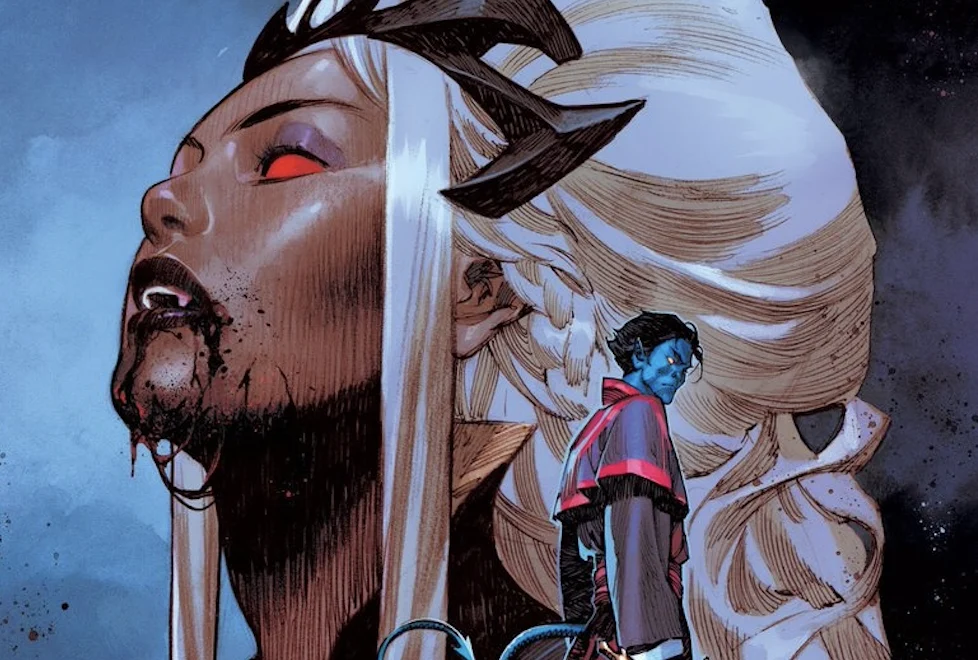
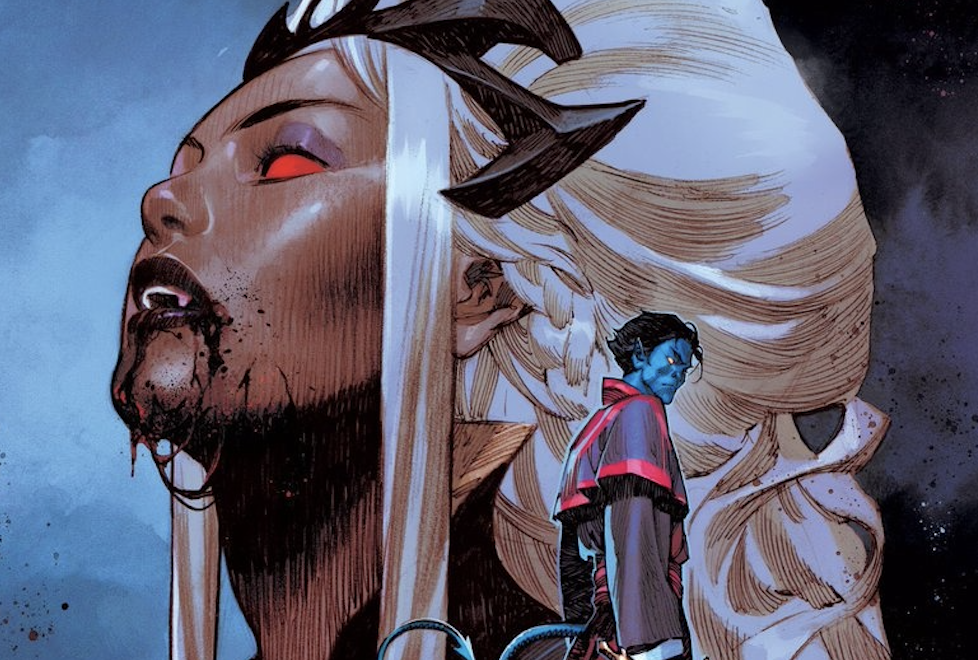
Midnight X-Men, penned by Jonathan Hickman and illustrated by Matteo Della Fonte. This series will plunge the mutant heroes into the grim and gothic underbelly of New York City, where they are pitted against ancient vampire covens and warring mutant factions. The narrative promises a brewing conflict that threatens to engulf the innocent and leave no one untouched by the ensuing bloodshed.
-
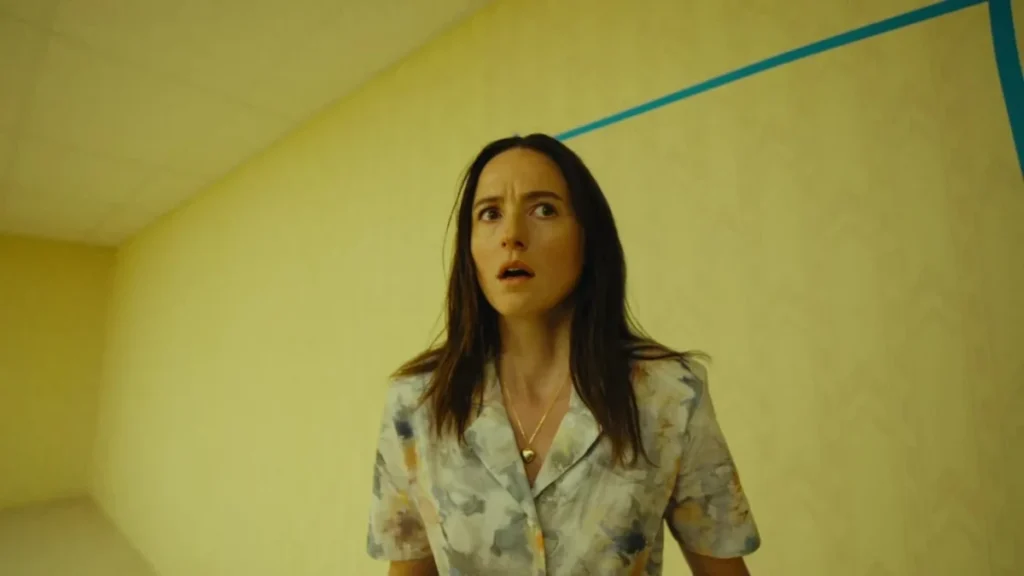
Midnight Fantastic Four, a collaboration between writer Benjamin Percy and artist Kev Walker. This iteration sees an obsessive scientist’s pursuit of cosmic secrets leading to a catastrophic transformation for himself and three companions. The team’s journey into newly discovered dimensions promises to unveil horrifying truths and potentially unleash existential threats upon humanity.
-
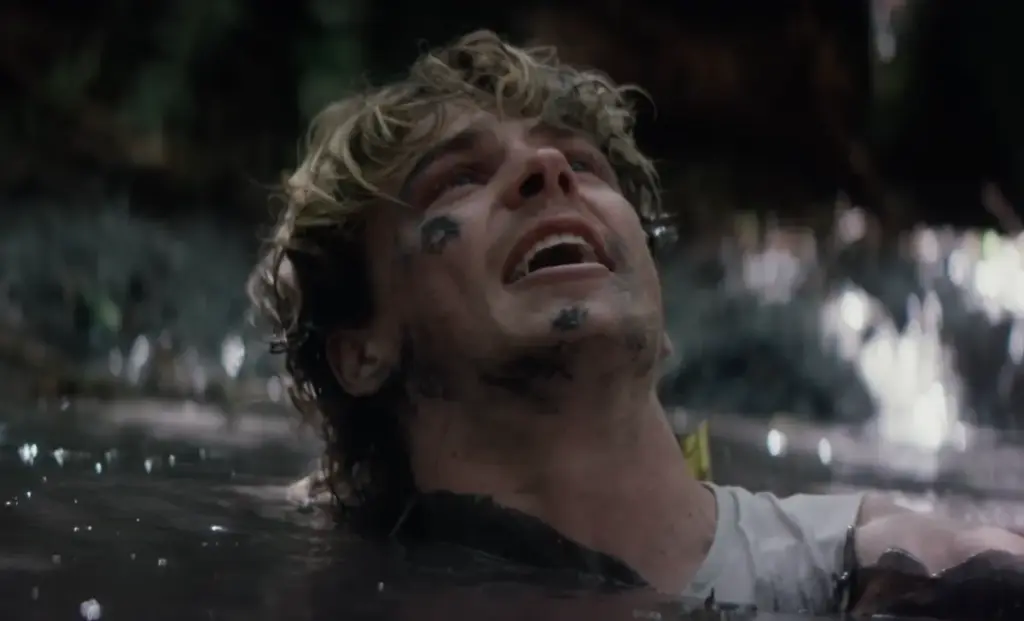
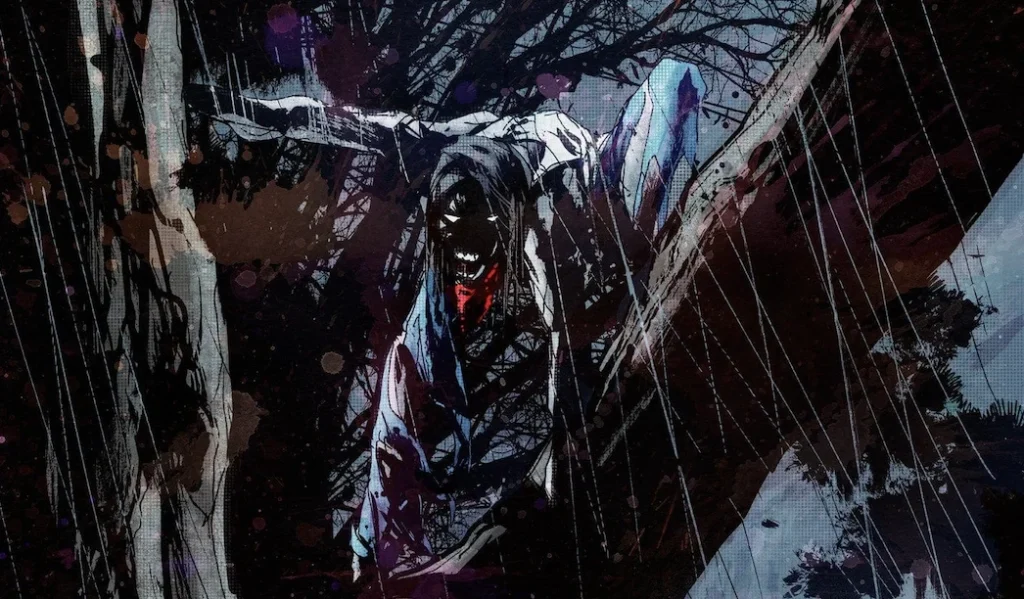
Midnight Spider-Man, brought to life by Phillip Kennedy Johnson and artist Scie Tronc. This series reimagines Peter Parker’s origin story, depicting him as a victim of the ruthless Oscorp Corporation. Transformed into a grotesque spider hybrid in their quest for eternal life, a young Peter must embrace his monstrous new form to dismantle Oscorp’s unethical experiments and prevent the creation of further human-animal abominations.
These initial offerings set a clear tone for the "Midnight" imprint, emphasizing a departure from the conventional heroic archetypes and delving into themes of body horror, cosmic dread, and societal collapse. The decision to reimagine these foundational Marvel characters through a horror lens suggests a deliberate effort to explore the inherent anxieties and darker aspects of their established lore.
Creative Freedom and Genre Reinvention
According to Marvel’s official statement, the "Midnight" imprint is designed to provide its "most celebrated modern creators" with the artistic liberty to "reinvent iconic heroes." This commitment to creative freedom is a crucial element in fostering unique and impactful storytelling. By allowing writers and artists to operate with fewer constraints, Marvel aims to cultivate a space where bold, experimental narratives can flourish.
The implications of this creative mandate are significant. In the Midnight X-Men series, for instance, the X-Men’s traditional struggle for acceptance is replaced by a primal hunger for blood, hinting at a profound shift in their mutant powers and societal role. The Fantastic Four, historically humanity’s first family and explorers of the unknown, are now depicted as venturing into the void not to save the world, but potentially to unleash terror, suggesting a corrupted sense of purpose. Similarly, Spider-Man’s iconic mantra, "With great power comes great responsibility," is twisted to imply that great power can also lead to something monstrous, directly addressing the physical and psychological toll of his transformation.
This approach to character reinvention draws parallels with successful horror franchises that have revitalized classic myths and characters by exploring their darker potentials. The success of such endeavors often hinges on the ability to maintain the core essence of the characters while presenting them in a context that evokes genuine fear and unease. Marvel’s selection of established creators like Jonathan Hickman, known for his intricate and often deconstructive approach to superhero narratives, and Benjamin Percy, who has a proven track record in darker genre storytelling, suggests a strategic choice to ensure the creative execution aligns with the ambitious goals of the "Midnight" line.
Historical Precedents and Industry Trends
The launch of "Midnight" is not Marvel’s first foray into darker storytelling, but it represents a more focused and dedicated imprint. Throughout its history, Marvel has explored darker themes, particularly in titles like Tomb of Dracula, Werewolf by Night, and various horror anthologies. More recently, titles like Venom and Doctor Strange have leaned into horror elements, demonstrating a consistent audience appetite for these narratives within the superhero genre.

The comic book industry has also seen a broader trend towards mature-themed storytelling and the exploration of horror elements across various publishers. Independent imprints and mainstream publishers alike have found success by catering to audiences seeking more complex, nuanced, and often darker narratives. The "Midnight" line can be seen as Marvel’s strategic response to this evolving market landscape, aiming to capture a segment of the readership that appreciates the blend of iconic characters with visceral horror.
Furthermore, the success of horror films and television series in recent years, from critically acclaimed original content to successful reboots of classic horror properties, indicates a strong cultural resonance with the genre. By aligning its comic book offerings with this prevailing trend, Marvel is likely seeking to capitalize on a broader cultural fascination with the macabre and the terrifying.
Strategic Implications and Future Potential
The "Midnight" imprint carries significant strategic implications for Marvel Comics. By dedicating an entire line to horror-themed reimagining, Marvel can carve out a distinct niche within its expansive publishing portfolio. This allows for a more focused marketing approach and the potential to attract a new demographic of readers who may not be traditionally drawn to superhero fare but are drawn to high-quality horror.
The success of "Midnight" could also influence future Marvel creative decisions, potentially leading to more genre-specific imprints or a greater integration of horror elements across its core titles. The focus on established creators also signals an intent to maintain a high standard of quality, which is crucial for the long-term viability of any new publishing initiative.
The current industry landscape is marked by intense competition and evolving reader preferences. Marvel’s investment in "Midnight" is a clear indication of its commitment to innovation and its willingness to experiment with established formulas. The success of this venture will likely be measured not only by sales figures but also by its ability to generate critical acclaim and foster a dedicated fanbase for these darker iterations of beloved characters. The "Midnight" line represents a bold step into uncharted territory for Marvel, one that promises to deliver a thrilling and terrifying new chapter in the Marvel Universe.