Narrative Overview and Character Dynamics
The film is set against the backdrop of a struggling Circassian diner in Newark, a focal point for the local community and the primary source of income for the central family. Temir, a promising young wrestler with aspirations that his father, Azik (Barry Keoghan), hopes will lead to the Olympics, finds his life divided between the discipline of the wrestling mat and the chaotic environment of the family business. Azik is depicted as a man driven by pride and a restless desire for financial success, often engaging in "hustling" schemes that teeter on the edge of legality and logic.
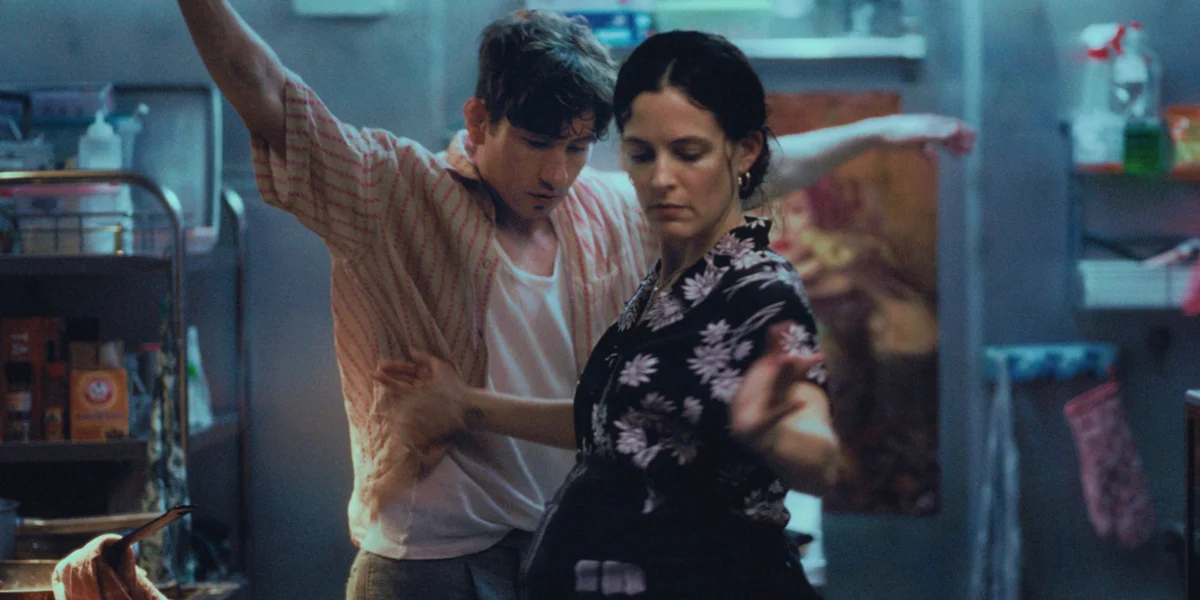
Azik’s sister, Zalya (Riley Keough), works alongside him at the diner. Pregnant and serving as the pragmatic anchor of the family, she often stands in opposition to her brother’s more erratic impulses. The family dynamic is further complicated by Marat (Harry Melling), a boisterous family friend whose aggressive energy and penchant for ill-conceived business ventures—such as the sudden acquisition of a cotton candy machine or a rare pelican—frequently disrupt the household’s equilibrium. The narrative tension culminates in a sudden violent act, an event foreshadowed in the film’s opening sequence, which irrevocably alters the trajectory of Temir’s life and forces a confrontation with the legacies of his father’s decisions.
Background Context: The Circassian Diaspora and New Jersey
A critical element of Butterfly Jam is its focus on the Circassian community, an ethnic group originating from the North Caucasus region. Following the 19th-century Caucasian War and the subsequent ethnic cleansing under the Russian Empire, a significant Circassian diaspora emerged, with notable populations settling in Turkey, Jordan, and the United States. New Jersey, particularly the areas of Paterson and Newark, serves as one of the primary hubs for Circassians in America.
The film meticulously integrates cultural markers of this community, most notably through the "delen," a traditional stuffed bread that Azik prepares at the diner. This culinary detail serves as more than just a setting element; it represents the characters’ connection to their heritage and the pride they take in their cultural identity while navigating the pressures of American assimilation. By choosing this specific community, Balagov and co-writer Marina Stepnova provide a lens into an underrepresented immigrant experience in American cinema, moving away from more common tropes to explore the nuances of North Caucasian identity in a contemporary urban setting.
Production Chronology and Development
The development of Butterfly Jam followed a period of transition for Kantemir Balagov. After the success of Beanpole, which won the Un Certain Regard Best Director Award and the FIPRESCI Prize at Cannes, Balagov was briefly attached to direct the pilot episode of HBO’s The Last of Us. However, he eventually departed the project due to creative differences, choosing instead to focus on his own original features.
Production for Butterfly Jam was announced as a collaboration between international producers, aiming to blend Balagov’s distinct visual style—characterized by saturated colors and intimate, often claustrophobic framing—with an American indie sensibility. The casting of Barry Keoghan and Riley Keough, both known for their work in elevated genre films and character-driven dramas, provided the project with significant industry weight. Filming took place on location in New Jersey, utilizing the authentic textures of Newark’s industrial and residential landscapes to ground the film’s more surreal or "absurdist" moments.
Technical Analysis and Directorial Style
Balagov, a protégé of the legendary Russian filmmaker Alexander Sokurov, brings a specific European arthouse aesthetic to the American landscape. In Butterfly Jam, he employs languid handheld camerawork that aims to capture the "aimless amble" of the characters’ lives. This stylistic choice is intended to immerse the viewer in the mundane reality of the diner and the wrestling gym before the narrative takes its more aggressive turns.
One of the most discussed technical elements of the film is its use of visual metaphors and non-traditional motifs. The presence of a live pelican, which Azik acquires as a misguided gift for his sister, serves as a recurring symbol. While animals are often used in cinema to evoke sympathy or charm, Balagov utilizes the bird as a jarring, almost alien presence within the Newark setting. This "borderline absurdity" is a hallmark of the director’s approach, seeking to disorient the audience and highlight the instability of the characters’ world.
Furthermore, the film utilizes auditory motifs, such as the repeated sound of loud, flashing car alarms. These sounds are strategically placed to mirror the internal turbulence of the characters, acting as a sonic representation of the "brittle dangers" of their environment. The 102-minute runtime is structured to move from a slow-burn character study in the first half to a more visceral, "aggressively nasty" exploration of consequences in the second, a structural gamble that has drawn varied reactions from critics and festival audiences.
Performance Evaluation and Casting Significance
The casting of Talha Akdogan in the lead role of Temir is a central pillar of the film. Making his acting debut, Akdogan has been noted for providing a grounded, sympathetic performance that contrasts with the more heightened portrayals of the veteran actors. His portrayal of a teenager forced into premature maturity serves as the emotional core of the film, providing a "wise beyond his years" perspective on the failings of the adults around him.
Barry Keoghan’s performance as Azik continues his trend of playing complex, often unpredictable characters. In Butterfly Jam, he balances the character’s playful, "endearing" qualities with the destructive pride that drives the plot. Harry Melling’s portrayal of Marat has been described as "over-the-top" and "bursting with aggression," drawing comparisons to the volatile characters found in classic American crime dramas, though within a much more localized and domestic context. Riley Keough’s role, while more restrained, provides the necessary counterpoint to the male-driven chaos, highlighting the gendered toll of the family’s instability.
Industry Implications and Critical Reception
The reception of Butterfly Jam at Cannes suggests a polarizing response to Balagov’s first English-language effort. While his ability to craft "memorable screen images" remains undisputed, the film’s shift in tone—from "wanderingly dull" to "purposeless unpleasantness"—has sparked debate among critics regarding the effectiveness of his narrative choices. The film’s exploration of "masculinity and pride" is a recurring theme in modern cinema, but Balagov’s specific cultural lens adds a layer of novelty to the discourse.
From an industry perspective, the film represents the ongoing trend of international "auteur" directors being recruited for English-language projects. This transition often involves a delicate balance between maintaining a unique directorial voice and adhering to the conventions of Western narrative structures. For Balagov, Butterfly Jam serves as a litmus test for his ability to translate his "fearless" and "uncompromising" style to a global stage.
Broader Impact on Cultural Representation
Beyond its merits as a piece of cinema, Butterfly Jam contributes to the visibility of the Circassian community in the United States. By depicting the specificities of their language, food, and social structures, the film moves beyond the "melting pot" narrative often found in immigrant stories. It highlights the persistence of specific ethnic identities within the American urban fabric and the ways in which historical trauma and cultural pride continue to shape the lives of the diaspora.
The film’s focus on the sport of wrestling also taps into a significant aspect of North Caucasian culture, where wrestling is often viewed not just as a sport but as a rite of passage and a primary expression of physical prowess and honor. By centering the protagonist’s journey on the wrestling mat, Balagov connects the character’s personal growth to a broader cultural tradition, even as the narrative explores the darker side of those same traditions when they manifest as toxic pride.
In conclusion, Butterfly Jam stands as a challenging and visually distinct entry in the filmography of Kantemir Balagov. While its "unwieldy" nature and "disagreeable" tone may alienate some viewers, its commitment to exploring a unique cultural niche and its introduction of Talha Akdogan as a significant new talent ensure its place in the conversation regarding contemporary international cinema. As the film moves from the festival circuit to wider distribution, it will likely continue to provoke discussion on the boundaries of directorial freedom and the complexities of the immigrant experience in 21st-century America.