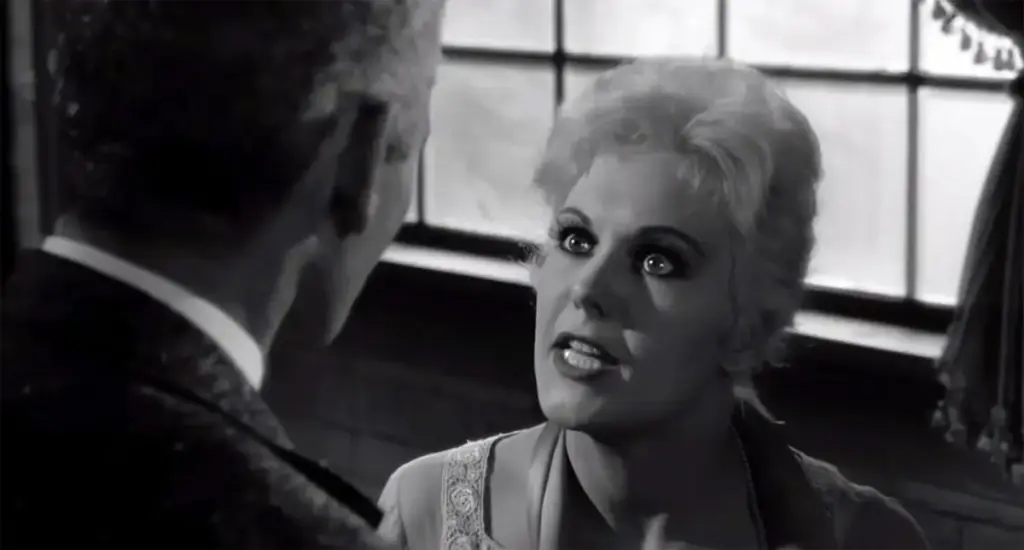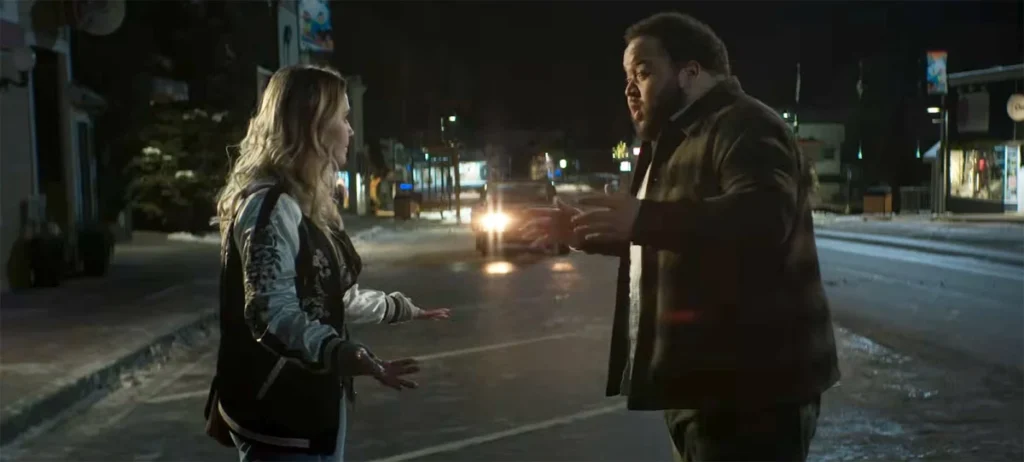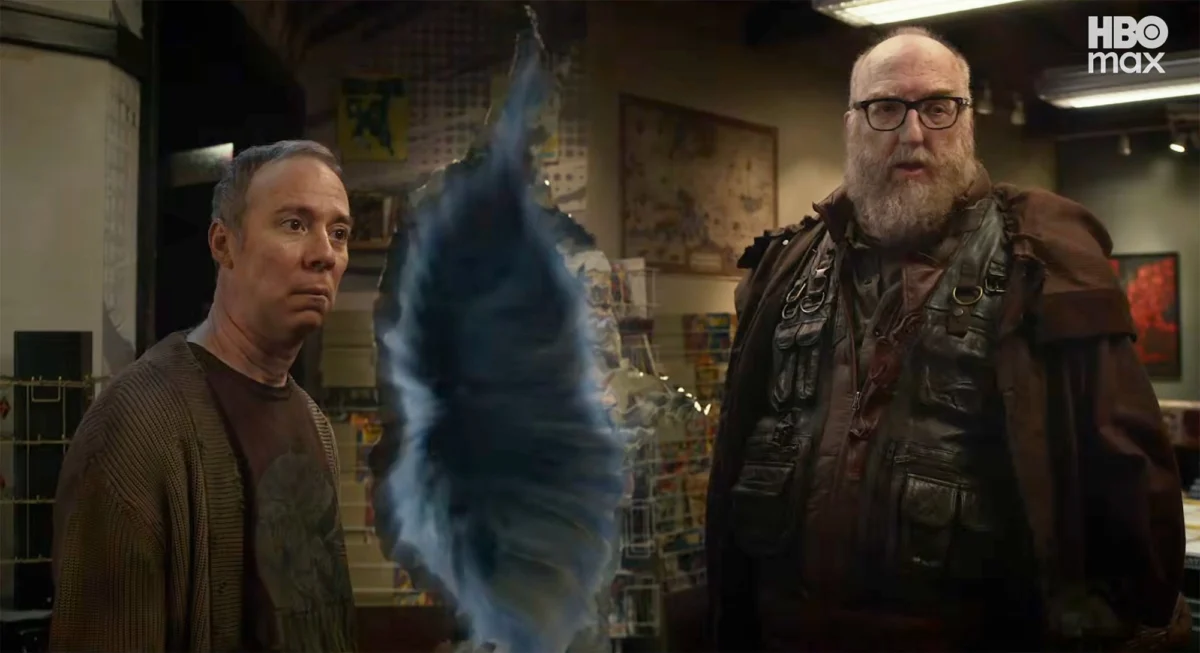
HBO Max has officially released the first teaser trailer for the upcoming science-fiction comedy series, marking a significant expansion of the multi-billion-dollar franchise that began with the long-running sitcom The Big Bang Theory. Created by the veteran production team of Chuck Lorre, Zak Penn, and Bill Prady, the series is scheduled to make its streaming debut on July 23, 2026. This production represents the fourth television entry in the franchise and the second direct spin-off of the original flagship series, following the successful run of Young Sheldon and the subsequent development of other character-focused narratives.
The series centers on Stuart Bloom, the socially awkward but resilient comic book store owner portrayed by Kevin Sussman. The narrative premise involves a catastrophic accident in which Bloom inadvertently damages a sophisticated device originally constructed by protagonists Sheldon Cooper and Leonard Hofstadter. This malfunction triggers a "multiverse Armageddon," destabilizing the fabric of reality and forcing Bloom into an uncharacteristic hero’s journey. To rectify the temporal and spatial anomalies, Bloom is joined by a supporting cast of established characters, including his partner Denise (Lauren Lapkus), the geologist Bert Kibbler (Brian Posehn), and the competitive quantum physicist Barry Kripke (John Ross Bowie).
Creative Development and Production Pedigree
The development of Stuart Fails to Save the Universe signals a departure from the traditional multi-camera sitcom format that defined the early years of the franchise. By integrating high-concept science fiction with character-driven comedy, the production aims to capture a broader demographic that includes both sitcom enthusiasts and fans of genre fiction. The involvement of Zak Penn is particularly noteworthy; Penn is a seasoned screenwriter known for his work on large-scale science fiction and superhero projects, including The Avengers, Ready Player One, and Free Guy. His expertise is expected to ground the show’s "multiverse" elements in a structured, albeit comedic, internal logic.
Directorial duties for several episodes have been handled by Kyle Newacheck, whose previous credits include the action-comedy Murder Mystery and the critically acclaimed series What We Do in the Shadows. Newacheck’s experience in blending heightened, supernatural, or high-stakes environments with grounded comedic timing is a central component of the show’s aesthetic. The series is produced by Chuck Lorre Productions in association with Warner Bros. Television, maintaining the creative continuity that has sustained the franchise since its inception in 2007.

Strategic Context Within the Franchise Timeline
The announcement of this series comes at a time when Warner Bros. Discovery is aggressively leveraging its most recognizable intellectual properties to bolster its streaming platform, Max (formerly HBO Max). The Big Bang Theory, which concluded its 12-season run in 2019, remains one of the most-watched programs in syndication and streaming history. Its first spin-off, Young Sheldon, demonstrated that the audience’s appetite for the "nerd-culture" universe extended beyond the original ensemble cast.
According to industry analysts, the decision to focus on Stuart Bloom is a strategic move to explore the "underdog" perspective of the franchise. While the original series focused on high-achieving academics, Stuart Bloom represented the economic and social struggles of the retail and fan-culture world. By placing him at the center of a cosmic crisis, the writers are utilizing a "fish-out-of-water" trope that allows for both slapstick humor and emotional growth. The inclusion of alternate-universe versions of legacy characters also provides a mechanism for cameo appearances by original cast members without necessitating long-term contract commitments, thereby maintaining the show’s link to its roots.
Cast and Character Dynamics
The return of Kevin Sussman as the lead performer provides a sense of continuity for long-term viewers. Sussman, who was promoted to a series regular during the original run of The Big Bang Theory, has frequently been cited as a fan favorite due to his deadpan delivery and self-deprecating humor. Joining him is Lauren Lapkus, who reprises her role as Denise. Lapkus’s character was introduced in the later seasons of the original show as a foil and romantic interest for Stuart, bringing a shared passion for comic book lore that serves as a foundation for their partnership in the new series.
The ensemble is rounded out by Brian Posehn and John Ross Bowie. Posehn’s character, Bert, provides a bridge to the scientific community, albeit through the lens of geology—a field often mocked by Sheldon Cooper in the original series. John Ross Bowie’s Barry Kripke remains a central antagonist-turned-ally, whose antagonistic relationship with the original core group adds a layer of friction to the new team. Additional cast members include Ryan Cartwright, Josh Brener, and Tommy Walker, though their specific roles within the "multiverse" framework have not yet been fully disclosed by the studio.
Narrative Structure and Visual Effects
Unlike the static sets of a traditional sitcom, Stuart Fails to Save the Universe utilizes significant visual effects (VFX) to depict the "multiverse Armageddon." Production notes indicate that the series features dystopian and post-apocalyptic settings, requiring a higher production budget than previous entries in the franchise. The teaser trailer showcases various alternate realities, including versions of Pasadena that have been radically altered by the breakdown of physics.

The "episodes out weekly" release strategy adopted by HBO Max for this summer rollout is designed to build sustained engagement and social media discourse. This deviates from the "binge-drop" model, suggesting that the studio views the series as an "event" comedy. The narrative is expected to follow a serialized arc, where each episode brings the team closer to—or further from—restoring the original timeline, culminating in a season finale that addresses the titular premise of Stuart’s potential failure.
Market Implications and Streaming Strategy
The launch of Stuart Fails to Save the Universe is a critical component of Warner Bros. Discovery’s 2026 content slate. As streaming platforms face increasing pressure to retain subscribers through high-value IP, the expansion of the "Lorre-verse" provides a reliable viewership base. Data from previous years indicates that The Big Bang Theory and its spin-offs consistently rank in the top percentile for "re-watchability," a metric that is highly prized by streaming executives.
Furthermore, the integration of Zak Penn and Kyle Newacheck suggests an attempt to modernize the franchise’s tone. By moving into the "multiverse" subgenre—a trend that has dominated the global box office through the Marvel Cinematic Universe and the DC Universe—the show seeks to remain relevant in a shifting media landscape. This genre-bending approach allows the franchise to evolve from a traditional domestic comedy into a high-concept adventure series, potentially attracting a younger audience that may not have been primary viewers during the original show’s 2007–2019 run.
Official Responses and Industry Reception
While official statements from the lead cast have been brief, Kevin Sussman noted in a brief social media update following the teaser’s release that the project allowed him to explore "new dimensions" of a character he has played for over a decade. Representatives for Chuck Lorre Productions have emphasized that the series is intended to be both a standalone sci-fi comedy and a "love letter" to the fans who have followed the intricacies of the franchise’s lore.
Initial industry reaction to the teaser has focused on the surprising shift in stakes. Critics have noted that while the original series occasionally delved into fantasy sequences or tabletop gaming narratives, Stuart Fails to Save the Universe represents the first time the franchise has treated science-fiction elements as a literal reality within the show’s canon. This transition from "science-themed comedy" to "science-fiction comedy" is being viewed as a bold pivot for a franchise known for its grounded, albeit heightened, reality.

Distribution and Schedule
Stuart Fails to Save the Universe is scheduled to begin streaming on HBO Max on July 23, 2026. The series will follow a weekly release cadence throughout the summer months, a slot typically reserved for high-profile "tentpole" television. Warner Bros. Television has confirmed that the series will be available globally in markets where HBO Max (or the local equivalent) operates. As the July premiere approaches, the studio is expected to release further character posters and a full-length trailer detailing the specific alternate-universe versions of the legacy characters that Stuart and his team will encounter.
With its blend of established comedic talent, high-concept narrative stakes, and a proven franchise pedigree, Stuart Fails to Save the Universe stands as one of the most anticipated television events of the 2026 summer season. Whether the series can successfully balance its apocalyptic scale with the intimate, character-driven humor that defined its predecessors remains to be seen, but the initial look suggests a project that is as ambitious as it is "geeky."