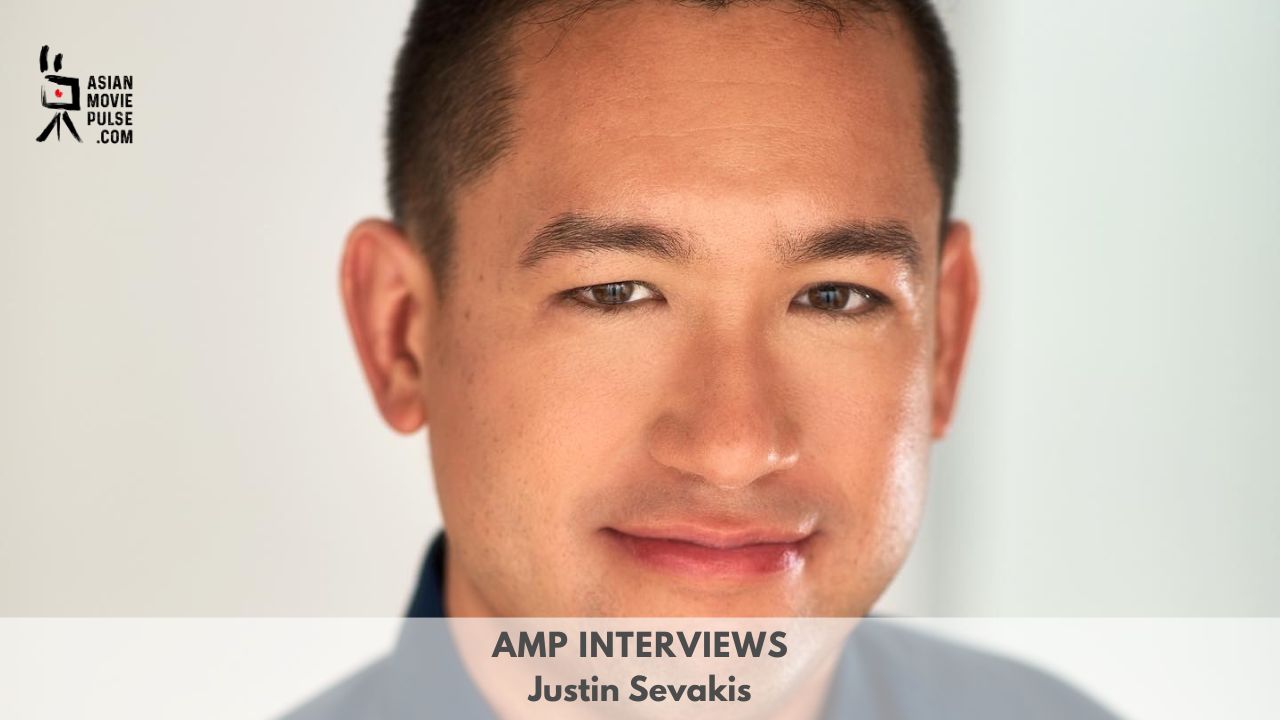
Justin Sevakis occupies a truly unique and influential position in the annals of anime and Asian cinema’s history in North America. His career trajectory is a testament to an unwavering passion, seamlessly bridging diverse roles that span journalism, fan advocacy, meticulous restoration, physical media production, distribution, and critical preservation. Through his indelible contributions to organizations such as Anime News Network, MediaOCD, Discotek Media, AnimEigo, and his latest venture, Whole Grain Pictures, Sevakis has consistently remained deeply interwoven with the very collector and enthusiast communities that ignited and sustained his journey from its nascent stages.
Early Fascination and the Genesis of a Career
Sevakis’s profound fascination with cinema did not begin with narratives or performances, but with the intrinsic mechanics of the medium itself. As a child, he recalls being captivated by the ethereal light emanating from the projection booth, even when a film failed to hold his attention. This early curiosity about the how of cinema laid the groundwork for a career dedicated to understanding and perfecting its presentation. His discovery of anime, a pivotal moment, occurred around the age of 13, when his local Blockbuster Video in Detroit began to stock a nascent selection of Japanese animated titles. At a time when much of Western animation felt overtly infantilizing to him, anime presented a refreshing contrast: vibrant, mature, and strikingly underappreciated. This initial exposure quickly broadened his cinematic horizons to include Hong Kong action cinema and, subsequently, the burgeoning Korean Wave, positioning him at the vanguard of what he accurately describes as a major boom in Asian content accessibility and popularity in the West.
The late 1980s and early 1990s represented a formative period for anime in North America. While titles like Akira, My Neighbor Totoro, and Dragon Ball Z were beginning to gain traction, access to information and legitimate releases remained a significant hurdle for enthusiasts. Fans often relied on grainy VHS tapes, obscure specialty stores, or nascent online forums for content. This fragmented landscape fostered a strong sense of community but also highlighted a desperate need for reliable, centralized information. The overall North American market for anime, though growing, was still in its infancy, estimated to be a fraction of what it would become. It was within this environment that Sevakis’s passion for the medium, coupled with a journalistic impulse, began to ferment.
Pioneering Digital Journalism: The Birth of Anime News Network
The inherent need for credible, accessible information directly led to the establishment of Anime News Network (ANN) in 1998. Sevakis recounts how, while crafting a newsletter for his high school anime club, he became acutely aware of the formidable difficulty in obtaining basic, verified details concerning new releases, licensing agreements, and broader industry developments. In an era predating ubiquitous high-speed internet, fans were largely dependent on disparate reports found in Usenet newsgroups and rudimentary online forums. Traditional print magazines, while valuable, suffered from slow publication cycles, limited scope, or often maintained close ties to specific publishers, thus lacking true independence and comprehensive coverage.
Anime News Network was conceived as a revolutionary central clearinghouse for news, comprehensive reviews, and answers to pressing industry questions. Sevakis emphatically states that ANN was envisioned as a legitimate business enterprise from its inception, even though the nascent field of internet journalism in 1998 offered virtually no clear or proven path to profitability. Its launch marked a significant paradigm shift, providing an unprecedented level of transparency and detail to the North American anime community. Over the decades, ANN grew to become the most comprehensive and authoritative English-language news site for anime and manga, a cornerstone resource relied upon by millions of fans and industry professionals alike. Its enduring success underscored the vast, untapped demand for specialized, reliable reporting in niche cultural sectors, which by 2023 would see the global anime market valued at over $25 billion.
The establishment of ANN also fundamentally reshaped Sevakis’s understanding of the intricate relationship between passionate fans and the professional side of the industry. While it didn’t immediately grant him direct access to the Japanese business ecosystem, it opened crucial lines of communication with American anime companies. Through these candid conversations, he gained invaluable insights into the operational realities of the business, particularly concerning licensing complexities, publishing strategies, and release schedules. This insider perspective allowed him to observe how fan speculation often filled informational voids and motivated him to proactively share the pragmatic realities of the industry with Anime News Network’s readership, fostering a more informed and realistic dialogue between content creators, distributors, and their audience. This transparency helped demystify a often opaque industry for its most dedicated consumers.
From Digital Ink to Physical Media: A Transition to Production
Sevakis’s transition from pure journalism to hands-on production was not a sharp, sudden break, but rather a natural evolution rooted in his prior involvement with VHS fansubbing. Long before founding Anime News Network, his fan group, Kodocha Anime, had already earned a reputation within enthusiast circles for striving to produce releases that were as polished and professional as possible, a stark contrast to many amateur efforts of the time. This early experience instilled in him a meticulous attention to detail and a commitment to quality that would define his later professional endeavors. The fansubbing scene of the late 80s and early 90s was crucial for introducing Japanese animation to Western audiences long before official distribution channels caught up, albeit in a legally ambiguous format.
After relocating to New York to pursue film school, fate intervened during a chance encounter on a plane. Sevakis met John O’Donnell, the founder of Central Park Media (CPM), a company that had released many of the very VHS tapes he had rented as a teenager. By the end of the flight, Sevakis had secured a job, marking his official entry into the commercial side of anime distribution. Central Park Media, founded in 1990, was one of the key players in the early North American anime boom, responsible for bringing a wide array of titles to market.

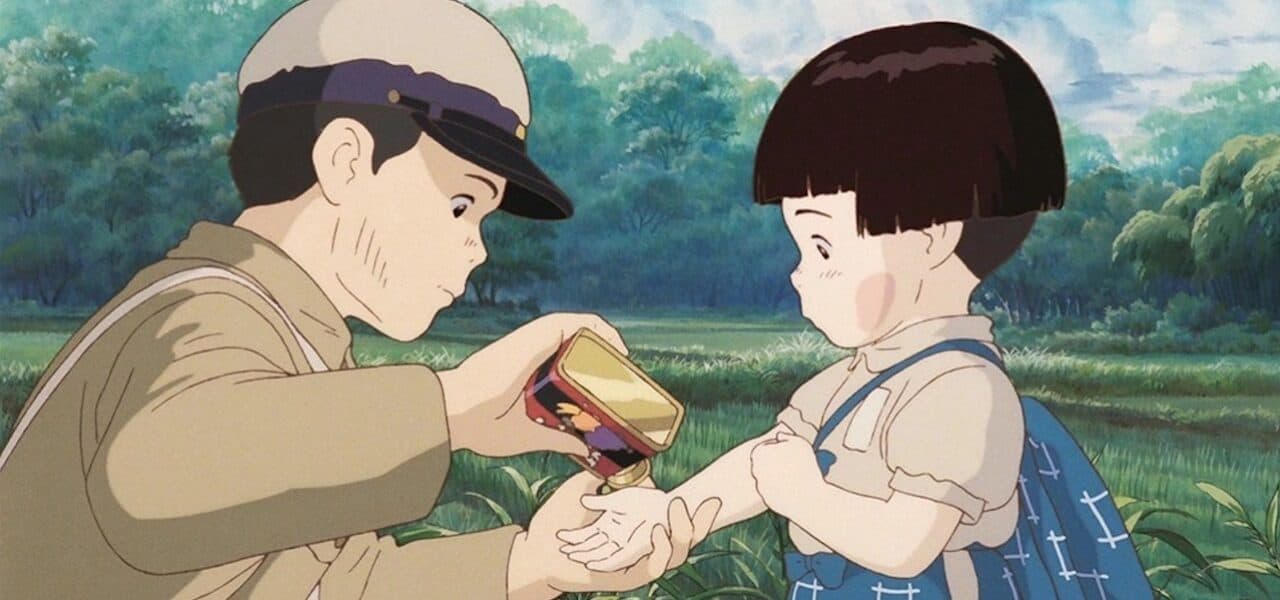
At Central Park Media, Sevakis immersed himself in a wildly diverse catalog of titles, ranging from critically acclaimed masterpieces like Isao Takahata’s "Grave of the Fireflies" and the cult classic "Project A-Ko" to significantly more extreme adult-oriented material. More critically, he emerged as one of the few openly fan-oriented voices within the company’s internal structure. He frequently represented CPM in burgeoning online spaces, acting as a crucial conduit for fan feedback to be incorporated directly into the production process. According to Sevakis, this direct line of communication was instrumental in elevating the overall quality of releases, enabling the company to promptly address technical criticisms, and ultimately fostering a healthier, more symbiotic connection between the audience and the professional aspects of the business. This role highlighted the growing power of fan communities in influencing product development and setting industry standards, laying groundwork for later "collector edition" trends.
Navigating the Evolving Media Landscape: Post-CPM Ventures
Following his tenure at Central Park Media, Sevakis embarked on a new challenge with ImaginAsian TV, an ambitious startup dedicated to Asian content. This experience proved invaluable, offering him firsthand exposure to the intricacies of content licensing and theatrical distribution. While providing significant learning opportunities, it also imparted crucial lessons about pitfalls and missteps to avoid in the competitive media landscape. This period underscored the financial and logistical complexities inherent in bringing diverse Asian content to a broader American audience, often requiring significant capital and strategic partnerships in a market still finding its footing for non-mainstream foreign films.
He later returned to Anime News Network, where he explored the nascent world of streaming media. However, Sevakis candidly notes that these efforts came prematurely; the required resources to effectively compete with larger, more established platforms were simply not available at the time. This venture served as an early indicator of the seismic shift that was about to transform media consumption, highlighting the immense investment and infrastructure necessary for successful digital distribution. From there, he transitioned into freelance Blu-ray production, a move perfectly timed to capitalize on an industry bottleneck. Many companies that had previously managed DVD production in-house were struggling to master the more technically demanding and intricate Blu-ray format, creating a niche for Sevakis’s specialized expertise. The early 2010s saw a significant transition in home video; while DVDs had become commonplace, Blu-ray offered superior audio-visual quality but required a different set of mastering skills and often more rigorous quality control, a technical challenge Sevakis was uniquely qualified to address.
The Pinnacle of Preservation: Discotek Media and Anime Business
This path ultimately led to his enduring and highly influential association with Discotek Media. Sevakis recalls that Discotek, then a relatively small anime publisher based in Florida, approached him as they sought to navigate the transition into Blu-ray production. What began as a modest collaboration swiftly blossomed into one of the most distinctive and highly regarded operations in the field, renowned for its meticulous restoration work and unwavering focus on collector-grade releases.
Sevakis describes Discotek as an environment where, once mutual trust was firmly established, he and his team were granted remarkable creative and technical autonomy. This freedom proved instrumental, enabling them to produce releases imbued with exceptional technical care, unparalleled archival attention, and the kind of fan-minded detail that had been a rarity on anime discs prior to their involvement. Discotek Media’s reputation for painstakingly restoring classic anime, often sourcing original film elements and including extensive bonus features, has cemented its status as a beloved institution among enthusiasts. Their work demonstrates a profound respect for the source material and an understanding of what collectors truly value, raising the bar for independent anime distribution and preservation, often saving titles from digital oblivion. The global film preservation community continually stresses the importance of such efforts, as an estimated 80% of silent films are lost forever, and even modern digital media faces obsolescence without active preservation.
Beyond physical media, another significant project to emerge from Sevakis’s dedication was "Anime Business," an ambitious endeavor to meticulously document the history of the North American anime and manga industries. His interest lay less in a general narrative of fandom and more in chronicling the stories of the individuals who spearheaded the arduous efforts to legally introduce anime into the marketplace, persuade retailers to stock it, and secure its broadcast on television. During the global pandemic, a stark realization struck him: many of the pioneers from the 1980s and 1990s were aging, and their invaluable firsthand accounts were at risk of being lost to history. This urgency spurred him to action, leading to the filming of over 30 interviews conducted across diverse locations including New York, London, and Los Angeles. While the larger documentary project proved challenging to finalize, these critical interviews found a new and fitting home online, integrated into the AnimEigo ecosystem, ensuring their preservation and accessibility for future generations.
A New Chapter: AnimEigo Acquisition and Whole Grain Pictures
The acquisition of AnimEigo entered Sevakis’s life in an entirely unexpected manner. While conducting an interview with its esteemed founder, Robert Woodhead, Sevakis was posed a surprising question: would he be interested in purchasing the company? Woodhead, approaching retirement, expressed his belief that Sevakis could be trusted to honor and continue the brand’s legacy. Sevakis accepted the offer, a testament to his reputation within the industry and the mutual respect between two generations of anime pioneers. AnimEigo, founded in 1989, holds a significant place as one of the earliest companies to license and distribute anime in North America, particularly notable for its high-quality releases and translations.
However, as the acquisition progressed, Sevakis also critically assessed the inherent limitations of vintage anime as a sole business focus. Recognizing the need for a broader and more diverse catalog, he strategically founded Whole Grain Pictures as a sister label. This new imprint was dedicated to the restoration and release of overlooked cinematic works, consciously expanding beyond anime to include live-action titles. This move signaled a significant evolution in his mission, moving from a niche focus to a broader mandate of cultural preservation across various cinematic genres and origins, reflecting a growing appreciation for global cinema among North American audiences.
Whole Grain Pictures’ initial acquisitions powerfully reflected this expansive philosophy. One such project was "Too Much Sleep," an American independent film directed by a Filipino American filmmaker. This acquisition quickly evolved into what Sevakis describes as a "dream project" after the fortuitous discovery of the original camera negatives, which subsequently enabled a stunning 4K restoration. Another significant early title was "Journey from the Fall," a poignant Vietnam War drama that Sevakis had encountered during his earlier distribution work. From these foundational choices, the label’s focus naturally broadened towards Asian and Asian American titles. This expansion wasn’t driven by a rigid agenda but rather by the organic alignment of Sevakis’s desire to rescue compelling, overlooked works that happened to reside within this culturally rich cinematic space. This strategy taps into the increasing demand for diverse narratives and representation in film consumption, with studies showing a growing audience for international and independent cinema.
Curating Cinematic Treasures: Whole Grain Pictures’ Vision
Looking ahead, Sevakis expresses particular excitement for several upcoming Whole Grain Pictures releases. These include Zhang Yimou’s seminal "Red Sorghum," the Korean Wave classic "Failan," and the quirky contemporary Korean film "Microhabitat." The acquisition of "Red Sorghum" is a story in itself: Sevakis secured the rights after visiting TIFFCOM (Tokyo International Film Festival Content Market) and discovering the celebrated classic was available through a catalog linked to CCTV (China Central Television). He describes the deal as "almost unbelievable" and asserts that the title unequivocally deserves the "royal treatment" in its restoration and presentation. "Red Sorghum," released in 1987, is widely considered a masterpiece of Fifth Generation Chinese cinema and launched Zhang Yimou’s international career, winning the Golden Bear at the Berlin Film Festival. This acquisition highlights the global reach and strategic networking required to secure rights for culturally significant films often held by complex international entities.
"Failan" and "Microhabitat," meanwhile, were acquired through Echelon, whose catalog featured festival favorites that immediately captured Sevakis’s discerning eye. He characterizes "Failan" (2001) as a "gorgeous and yearning work" emblematic of the Korean Wave era, a period that saw a dramatic surge in the international popularity and critical acclaim of South Korean cinema, laying the groundwork for phenomena like Parasite and Squid Game. "Microhabitat" (2017), on the other hand, struck him as a "quirky and immediately appealing contemporary Korean title," reflecting a modern sensibility and narrative style that has garnered critical praise. These selections demonstrate Whole Grain Pictures’ commitment to showcasing both established classics and deserving contemporary works, spanning different eras and subgenres within Asian cinema, catering to a sophisticated and globally-minded audience.
The Enduring Mission: Preservation, Education, and Access
Sevakis candidly acknowledges that anime remains the steadfast foundation of his business model. Anime fans, he observes, are remarkably organized, communicative, and often act as invaluable grassroots marketers for releases simply by engaging with each other within their dedicated communities. This inherent social network provides a robust and predictable audience for anime-centric products. The global anime market’s consistent growth underscores this dedicated fanbase. Live-action audiences, while equally passionate, present a more fragmented landscape, making them inherently more challenging to reach and galvanize, often requiring more diverse marketing strategies.
Despite these differing market dynamics, Sevakis harbors no intention of abandoning live-action cinema. As both a devoted collector and a profound cinema lover, he articulated a simple yet powerful motivation: there are certain discs he profoundly believes simply need to exist. Therefore, he feels an almost moral imperative to ensure their creation and availability.