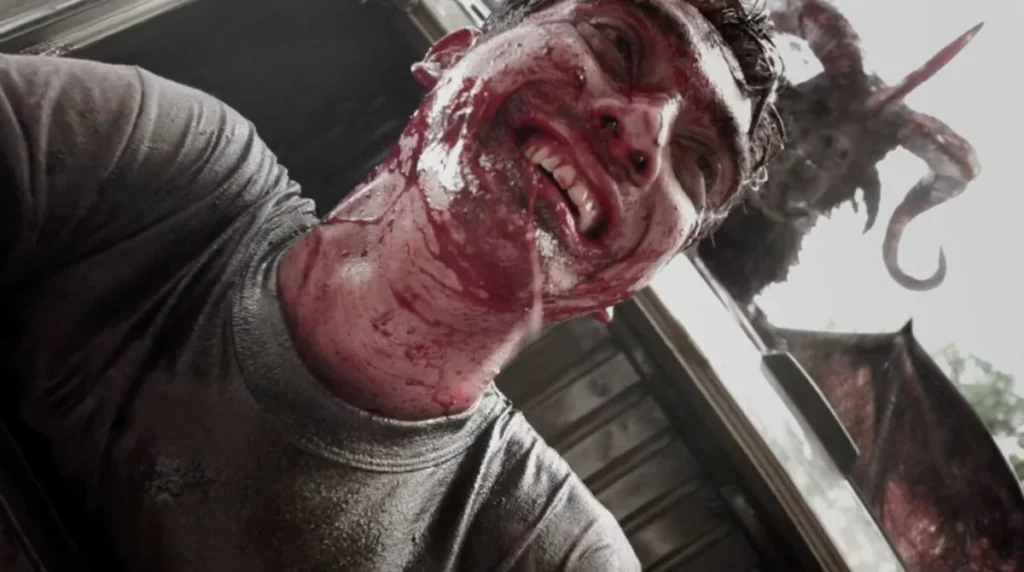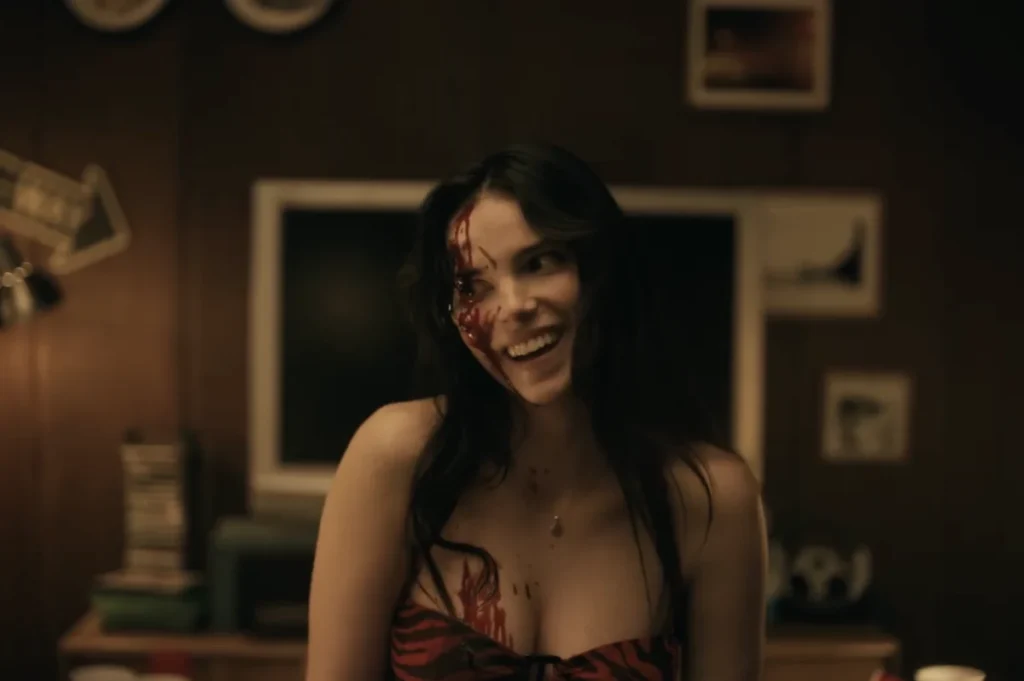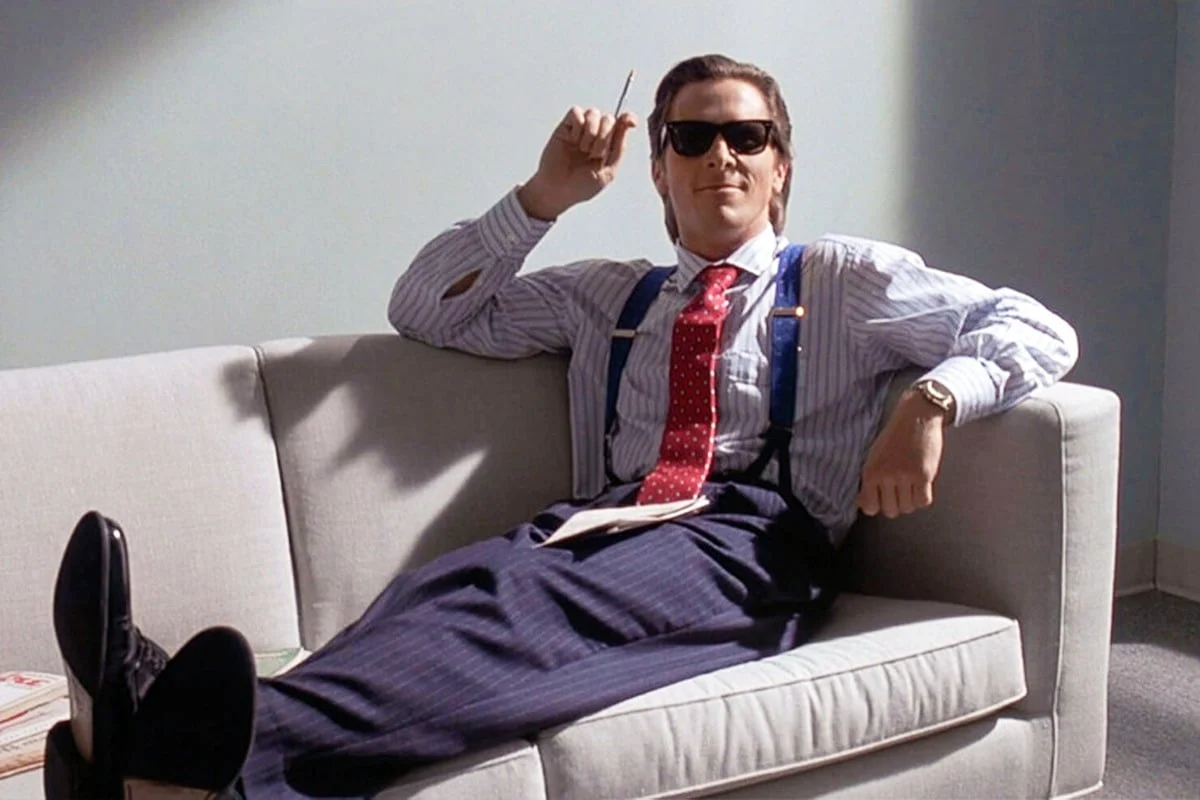
The film adaptation of Bret Easton Ellis’s 1991 novel, American Psycho, directed by Mary Harron, premiered 26 years ago on April 14th, and continues to spark debate and fascination. Despite initial controversy, phantom protests, and accusations of misogyny, the film achieved critical acclaim and has since cemented its status as a cult classic, influencing contemporary culture from internet memes to popular TikTok trends. The enduring power of American Psycho lies not only in its provocative themes but also in its sharp satire of 1980s consumerism, toxic masculinity, and the superficiality of the Wall Street elite.
Genesis of a Controversial Novel
Bret Easton Ellis’s American Psycho was met with immediate backlash even before its official publication. Simon & Schuster famously canceled the book’s release in 1990 due to its graphic depictions of violence and sexual assault. The novel’s controversial nature led to its eventual publication by Vintage Books, where it continued to polarize readers and critics alike. The narrative centers on Patrick Bateman, a wealthy investment banker in Manhattan, who leads a secret life as a serial killer. The novel’s explicit content, particularly its detailed descriptions of torture and dismemberment, made it a lightning rod for public criticism, with many deeming it gratuitously violent and misogynistic.
The Film Adaptation: A Critical Reimagining
Mary Harron’s 2000 film adaptation, starring Christian Bale as Patrick Bateman, managed to translate the novel’s disturbing themes into a cinematic experience that, while still graphic, offered a nuanced critique of its subject matter. Harron’s directorial approach shifted the focus from mere gore to a satirical exploration of male vanity and the emptiness of a materialistic culture. Noted film critic Roger Ebert, who was notoriously averse to the horror genre, lauded Harron’s achievement, stating she "transform[ed] a novel about blood lust into a movie about men’s vanity." This reinterpretation was crucial in shaping the film’s reception and its subsequent legacy.
However, the film’s release was not without its challenges. Harron herself addressed the prevailing anxieties surrounding violence in entertainment, particularly in the wake of the Columbine High School massacre. In a piece for The New York Times, she questioned the notion that a book or film alone could incite violence, arguing, "When did a book or a film alone turn someone into a murderer? And what about all the other movies, books, and television dramas about serial killers? Would they be to blame too?" This rhetorical defense highlighted the complex relationship between media consumption and societal violence, a discussion that remains pertinent today.
Christian Bale’s Pivotal Performance
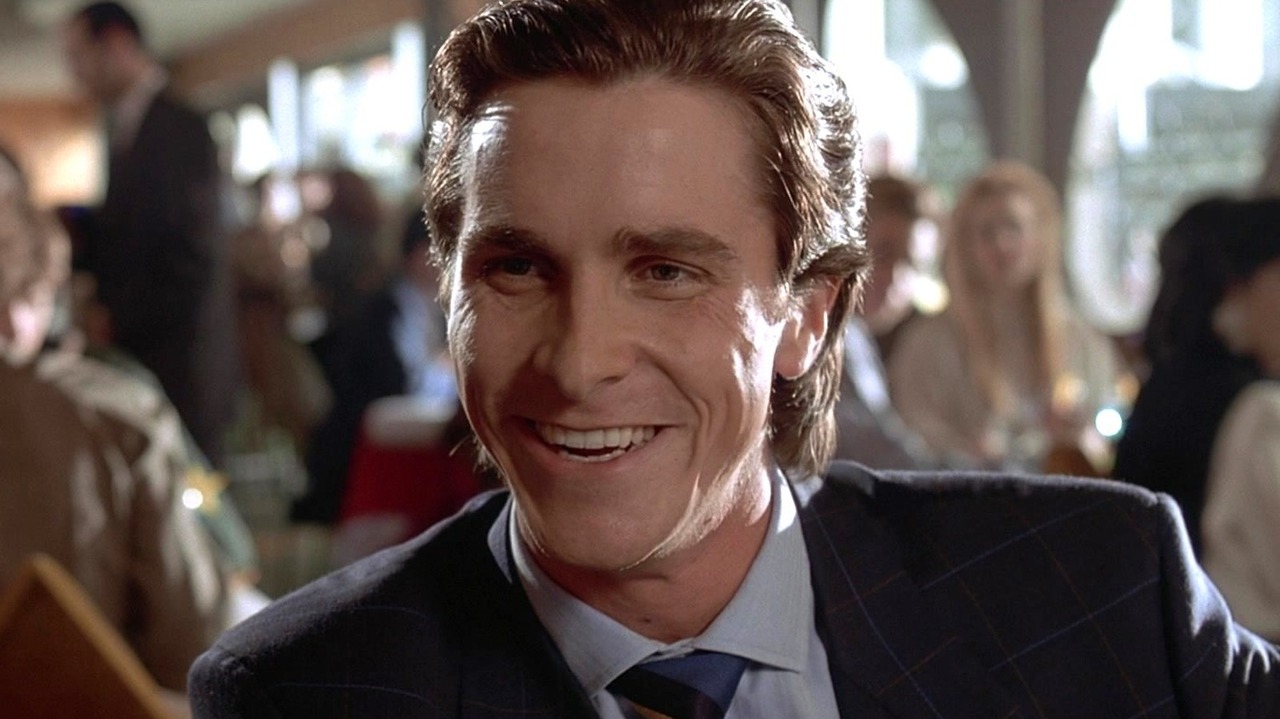
Central to American Psycho‘s success is Christian Bale’s transformative performance as Patrick Bateman. Bale’s portrayal masterfully captures the character’s chilling duality—his outward charm and meticulous obsession with superficial details, juxtaposed with his inner psychopathy. Rather than a straightforward depiction of a monster, Bale imbues Bateman with a pathetic, almost farcical quality. This approach, inspired in part by observing Tom Cruise on The Tonight Show, allowed Bale to present Bateman as an empty vessel, a product of his environment.
Bale’s interpretation of Bateman as an "abstraction" and an "entity. Something illusory. And though I can hide my cold gaze… I simply am not there" is crucial to understanding the film’s satirical intent. Bateman’s constant misidentification by others, his unremarkable actions despite his ostentatious lifestyle, and the unsettling lack of genuine connection he has with anyone underscore his fundamental emptiness. This makes him, paradoxically, the perfect embodiment of a culture that values appearance over substance.
Bale’s performance has been widely recognized as a masterclass, earning him accolades and contributing to the film’s enduring appeal. His ability to oscillate between Bateman’s superficial politeness and his brutal violence, often with a disarming smile, makes him both terrifying and darkly comedic. This fearlessness in embracing the character’s depravity, as Ebert noted, is a hallmark of a great actor. The iconic "business card scene," the "Hip to Be Square" monologue, and the gratuitous violence all showcase Bale’s commitment to exploring the psychological depths of a character who is, in essence, a void.
The Unanswered Question: Reality or Delusion?
One of the most compelling aspects of American Psycho is the ambiguity surrounding whether Patrick Bateman actually committed the murders he describes. The film deliberately leaves this question open to interpretation, allowing audiences to debate the nature of his confessions. However, the film’s ultimate message transcends this specific ambiguity. It argues that whether Bateman is a literal serial killer or merely delusional, the culture that produced him—one characterized by rampant materialism, a desperate pursuit of status, and a profound emotional detachment—is the true antagonist. The film suggests that such a culture fosters the conditions for extreme violence and a complete erosion of empathy.
Enduring Relevance in the Digital Age
Twenty-six years after its release, American Psycho remains remarkably relevant. The film’s critique of a society obsessed with image, wealth, and relentless self-optimization resonates even more strongly in the era of social media and the "lookmaxxing" phenomenon. The constant curation of online personas, the pursuit of external validation, and the commodification of self mirror the superficiality that Bateman embodies. The rise of influencers who meticulously craft their appearances and lifestyles further amplifies the film’s themes, suggesting that the culture that created Patrick Bateman has not only persisted but has arguably intensified.
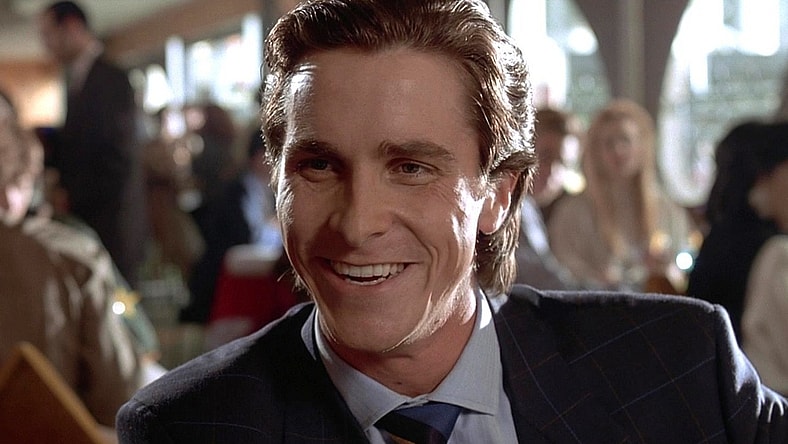
The possibility of a modern reimagining, as hinted at by discussions of a potential remake by director Luca Guadagnino, underscores the persistent allure and topicality of the American Psycho narrative. Such a remake would likely explore contemporary manifestations of consumerism, toxic masculinity, and the psychological impact of digital culture.
Broader Impact and Cultural Footprint
American Psycho‘s influence extends far beyond critical discourse. The film has permeated popular culture, spawning countless memes, parodies, and even inspiring musical acts. The character of Patrick Bateman has become an archetype, representing the epitome of superficiality and psychopathy within a capitalist framework. The film’s aesthetic, its soundtrack, and its iconic scenes have been widely referenced and reinterpreted across various media platforms, solidifying its place in cinematic history.
The initial controversy surrounding the novel and the film, while significant, ultimately contributed to its lasting impact. The discussions it ignited about media responsibility, the nature of violence, and the critique of societal values have continued to evolve. American Psycho serves as a potent reminder of the dangers of unchecked materialism and the psychological toll of a culture that prioritizes appearance over genuine human connection. Its exploration of the dark underbelly of ambition and success continues to provoke thought and discussion, ensuring its relevance for generations to come.