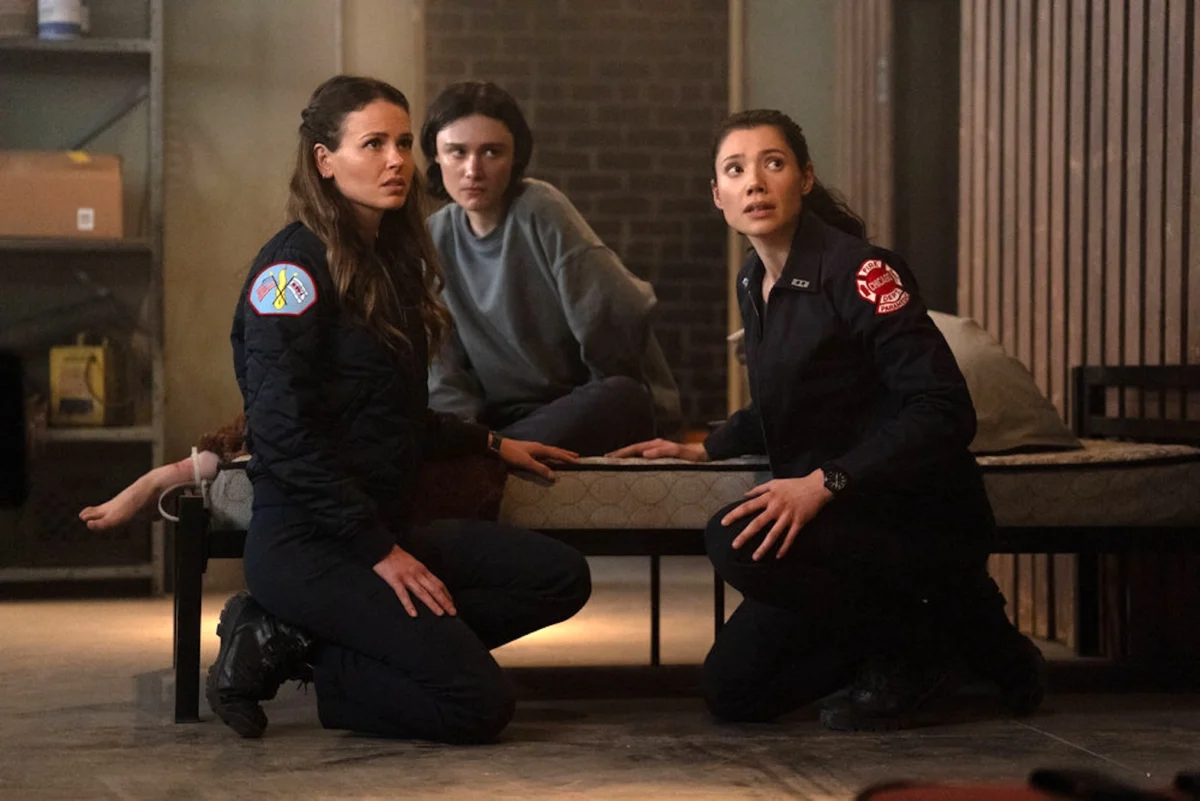
The latest installment of NBC’s long-running procedural drama, Chicago Fire, titled "Season 14 Episode 18," pushed its paramedic leads into an unprecedented crisis that tested both their professional acumen and their personal bond. The episode, which aired on Wednesday, April 22, centers on Violet Mikami (Hanako Greensmith) and Lyla Novak (Jocelyn Hudon) as they find themselves isolated from the safety of Firehouse 51. What begins as a routine return from a joint duty speaking engagement quickly devolves into a life-and-death hostage situation within a residential basement. This narrative choice continues the series’ tradition of "bottle episodes" or high-stakes external calls that strip the protagonists of their usual resources, forcing them to rely entirely on their training and each other.
The Catalyst of Conflict: Professional and Personal Friction
The episode opens with Violet and Novak returning from a presentation regarding the Chicago Fire Department’s joint duty program. This program, a recurring element in the series’ fourteenth season, aims to bridge the gap between firefighting and emergency medical services (EMS), emphasizing the need for integrated communication during large-scale disasters. However, the macro-level success of the program is contrasted by the micro-level tension between the two paramedics.
During a stop for snacks, Novak confronts Violet regarding a breach of trust involving a fellow firefighter, Vasquez (played by Brandon Larracuente). Novak reveals that while she trusts Violet implicitly in the field, she felt sidelined by Violet’s decision to withhold information regarding a previous incident with Vasquez. This interpersonal friction serves as a thematic foundation for the episode, posing the question of whether a professional partnership can remain effective when the underlying personal friendship is fractured. The dialogue highlights the "work bestie" dynamic common in high-stress professions, where the line between professional reliance and personal intimacy often blurs.
Chronology of the Crisis: The Basement Hostage Situation
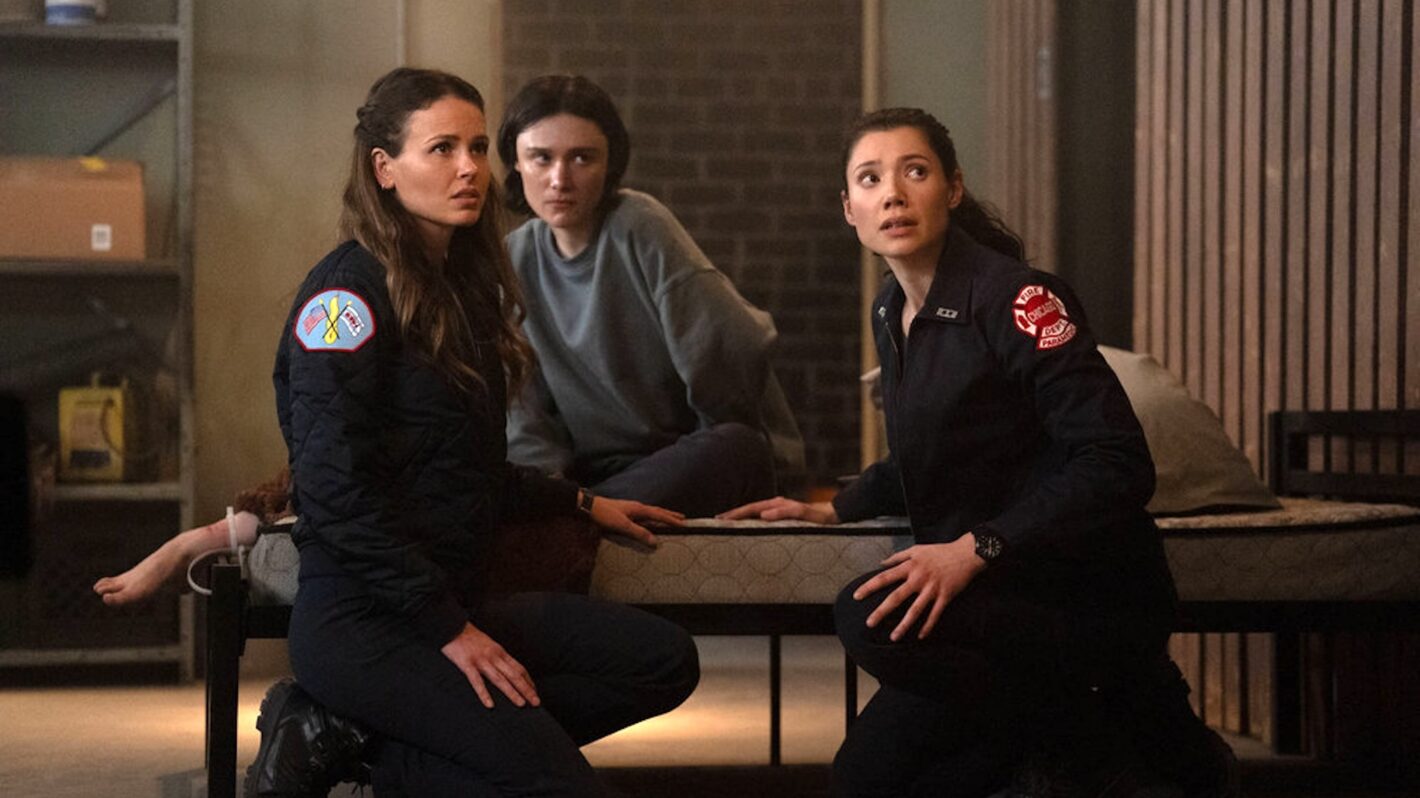
The transition from a domestic argument to a life-threatening emergency occurs when a civilian approaches the paramedics, pleading for help for his pregnant girlfriend. Violet and Novak, adhering to their duty to act, follow the man into the basement of a nearby apartment building. Upon arrival, the situation is revealed to be a ruse. The man is not a concerned partner but a kidnapper holding the woman against her will. The assailant, driven by a delusional belief that he knows what is best for the woman and the unborn child, effectively traps the paramedics in a subterranean bunker.
The chronology of the basement crisis is marked by three distinct medical and tactical challenges:
- The Delivery: The pregnant woman goes into active labor shortly after the paramedics are captured. Violet and Novak are forced to perform a high-stress delivery in a non-sterile, poorly lit environment with limited supplies.
- The Gunshot Wound: The situation escalates when a neighbor, hearing a disturbance, attempts to intervene. The kidnapper shoots the neighbor, adding a second critical patient to the scene. The paramedics must manage a trauma patient and a newborn simultaneously, all while under the threat of a firearm.
- The Subdual: Realizing that the Chicago Police Department (CPD) may not arrive in time, Violet and Novak collaborate on a tactical plan to neutralize the kidnapper. Their success in this endeavor is portrayed not as a lucky break, but as a result of their synchronized professional training.
The Parallel Investigation: Clues and Tactical Coordination
While Violet and Novak are fighting for survival, the team at Firehouse 51 and the CPD launch a search operation. The investigation is spearheaded by Vasquez, whose personal connection to the paramedics drives his intuition. The episode highlights the importance of forensic markers and behavioral habits in search-and-rescue operations.
Vasquez identifies two critical pieces of evidence that lead the authorities to the basement. First, he discovers a specific brand of chewing gum in a sink—a habit he associates specifically with Novak. Second, he recognizes a unique bandaging technique on the kidnapper’s arm, which he identifies as a "signature" of Violet’s medical work. These details underscore the deep familiarity required among first responders, where even the smallest personal habit can become a life-saving clue.
Concurrently, the episode addresses a subplot involving Lucy (Jeanine Mason) and the Internal Affairs (IA) department. Lucy is seen struggling with the ethical implications of filing a review form against Lieutenant Kelly Severide (Taylor Kinney). The pressure from Hopkins (Rob Morgan) to submit the form adds an additional layer of institutional tension to the episode, suggesting that while the paramedics face physical threats, the leadership of Firehouse 51 faces bureaucratic ones.
Professional Analysis: The Psychology of Paramedic Partnerships
The resolution of the hostage crisis leads to a significant emotional reconciliation between Violet and Novak. Violet admits that her secrecy regarding Vasquez was born out of a fear of losing her relationship with Novak, which she describes as the most important connection in her life. This admission shifts the dynamic from a mere "work partnership" to a foundational friendship.
From a sociological perspective, the episode explores the concept of "trauma bonding" within first responder units. Hanako Greensmith, in her reflection on the episode, noted that the storyline was essential to showcase the "undeniable and impenetrable" bond between the characters. The "yin and yang" dynamic—where Novak provides levity and Violet provides a stabilizing seriousness—is a common trope in procedural dramas, but it is rooted in the real-world necessity of personality balancing in high-stress EMS environments.
The filming of the episode also reflected the intensity of the narrative. The actors spent eight days filming in a confined "bunker" set, a physical experience that Jocelyn Hudon described as "shot knees" and "14-hour days." This immersion in the setting contributed to the claustrophobic and urgent tone of the episode, distinguishing it from the typical "call of the week" structure.
Supporting Data: The Impact of High-Stakes Storytelling on the One Chicago Franchise
The decision to focus on a hostage situation involving paramedics aligns with the broader strategy of the One Chicago franchise to maintain high viewership through "event" episodes. Procedural dramas often see a spike in ratings during episodes where main characters are in direct peril. Data from previous seasons suggests that episodes featuring the kidnapping or injury of core cast members consistently rank among the highest-rated of the season.
Furthermore, the introduction of Novak in Season 14 has been a pivotal move for the series following the departure of several long-term cast members. By placing the newcomer in a life-and-death scenario with a veteran character like Violet, the writers have effectively accelerated the "integration phase" of the character, ensuring fan investment in the new partnership.
Institutional Implications and Future Outlook
The aftermath of Episode 18 leaves several narrative threads dangling for the remainder of Season 14. The relationship between Violet, Novak, and Vasquez remains "inconclusive," as Greensmith noted, reflecting the messy reality of workplace romances and interpersonal dynamics. The unresolved nature of the Vasquez storyline suggests that while the physical threat has been neutralized, the emotional fallout will continue to impact the crew of Firehouse 51.
Additionally, the IA investigation into Severide remains a looming threat. The intersection of the CPD and the CFD in this episode serves as a reminder of the complex legal and administrative environment in which these characters operate. As the season progresses, the fallout from the IA review and the psychological recovery of Violet and Novak are expected to be central themes.
In conclusion, Chicago Fire Season 14 Episode 18 serves as a masterclass in tension-building and character development. By isolating its leads and forcing them to confront both a physical kidnapper and their own internal insecurities, the series reinforces the central tenet of the One Chicago universe: that the strength of the unit is entirely dependent on the trust between its members. As Violet and Novak return to the relative safety of the firehouse, they do so not just as colleagues, but as a battle-hardened duo whose partnership has been forged in the most literal of fires.