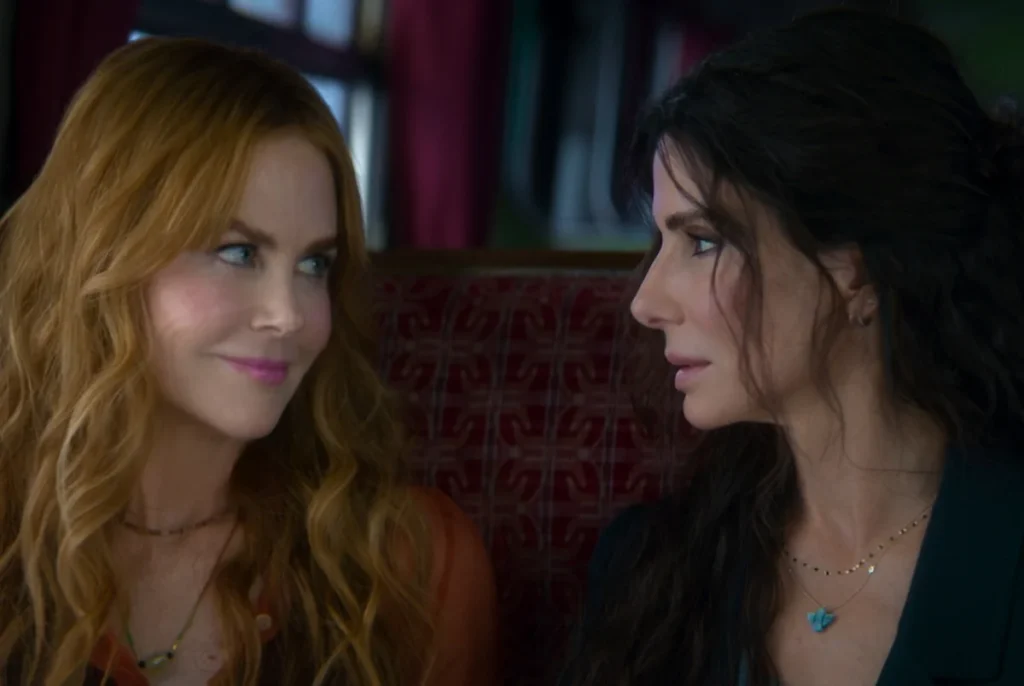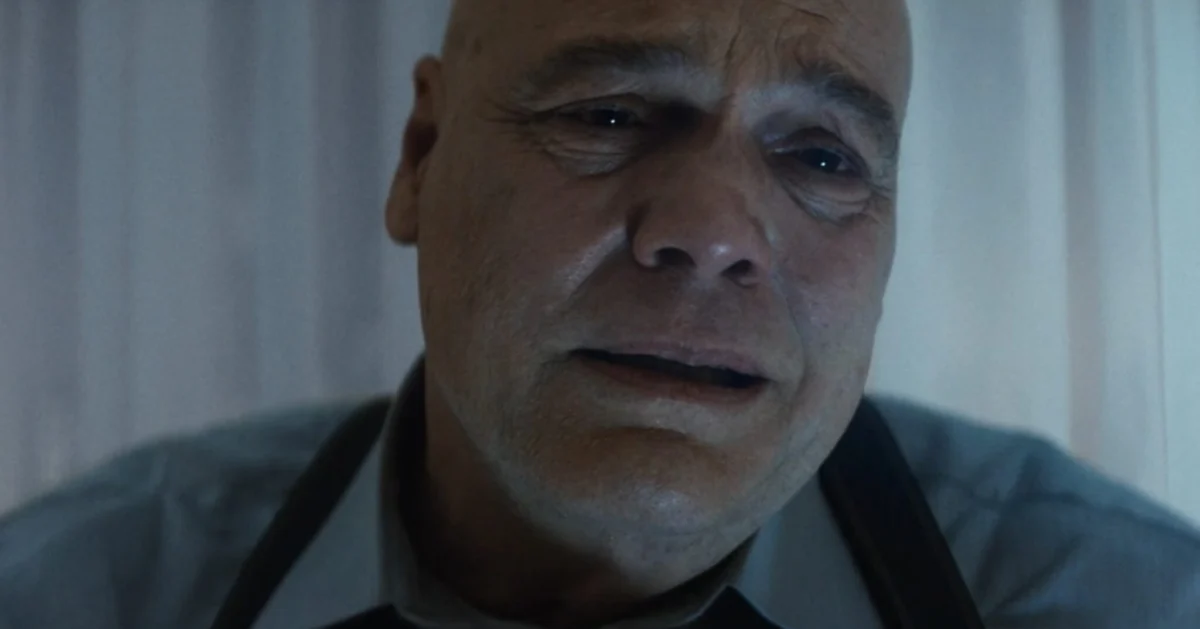
The dramatic seventh episode of Marvel’s Daredevil: Born Again, titled "The Hateful Darkness," delivered a gut-wrenching blow to fans with the unexpected demise of Daniel Blake, portrayed by Michael Gandolfini. His character met a violent end, shot by Buck (Arty Froushan) following a heated confrontation. The conflict stemmed from Daniel’s decision to allow BB (Genneya Walton) to escape, despite his discovery of incriminating evidence she possessed against Wilson Fisk, the formidable antagonist played by Vincent D’Onofrio. This pivotal moment, however, was not initially conceived as the conclusion to Daniel Blake’s narrative arc, revealing a significant shift in the show’s creative direction during post-production.
The Unforeseen Demise of Daniel Blake
The sequence of events leading to Daniel Blake’s death unfolded within episode seven, but the actor himself, Michael Gandolfini, had been filming scenes intended for episode eight. The decision to retool Daniel’s storyline and accelerate his exit was made by showrunner Dario Scardapane. Scardapane determined that Daniel’s character arc had reached a natural and impactful conclusion, and that his violent death at the hands of Buck, immediately following their confrontation, would serve as a potent narrative device to escalate the stakes within the season’s overarching plot.
Michael Gandolfini, speaking with TVInsider, shared his perspective on his character’s sudden departure. "It just felt so right," he stated, reflecting on the creative decision. "It felt so freeing, and I remember saying, ‘Hey, if I didn’t think it was right, I’d fight it.’ I love Daniel, but it’s so right. Where else is he gonna go? And he gets this little hero’s moment, and it just felt so great, I just felt so lucky." This sentiment underscores a sense of narrative completion and thematic resonance, suggesting that Daniel’s death, while shocking, served a deliberate purpose within the story’s design.
A Creative Pivot: CGI and Actor Surprise
The execution of Daniel Blake’s death scene was a testament to the evolving capabilities of visual effects and the seamless integration of post-production enhancements. Notably, the actors did not need to return to set for additional filming to capture the fatal moment. Instead, the creative team utilized CGI to construct Daniel’s demise. This involved digitally adding a gun flare to Buck’s weapon as it was aimed at Daniel and augmenting the on-screen bloodshed. Crucially, the original footage of Daniel placing the gun down was also edited out to ensure the finality of his death.
Arty Froushan, who plays Buck, expressed his surprise and emotional reaction to the narrative shift. In an interview with Variety, Froushan commented, "The fact that, as actors, we didn’t know that was going to happen makes the scene maybe even more compelling." He elaborated on the personal impact of Gandolfini’s character’s death, stating, "I love Michael Gandolfini like a brother. This season, the whole journey we have together is a movie. So I was gutted. I was really upset. But I think it raises the stakes of the story in a really exciting way that was maybe necessary for that storyline." Froushan’s reaction highlights the collaborative and often unpredictable nature of television production, where narrative decisions can profoundly affect the actors’ experience and the on-screen chemistry they develop.
Thematic Resonance and Narrative Implications
Daniel Blake’s death serves as a stark reminder of the brutal realities of the criminal underworld depicted in Daredevil: Born Again. His decision to show mercy to BB, a potentially fatal miscalculation in Fisk’s eyes, directly led to his own end. This underscores the unforgiving nature of Fisk’s regime, where any perceived betrayal or leniency is met with swift and severe retribution. The incident positions Buck as a direct instrument of Fisk’s will, further cementing the antagonist’s control and ruthlessness.
The narrative implications of Daniel’s death are multifaceted. It removes a character who, while seemingly a subordinate, demonstrated a capacity for moral complexity and independent action. His demise simplifies the immediate power dynamics, potentially streamlining the narrative focus on Daredevil’s escalating conflict with Fisk. Furthermore, it raises questions about the loyalty and motivations of other characters operating within Fisk’s sphere of influence. The emotional toll on Buck, as indicated by Froushan’s statements, could also become a significant plot point, suggesting internal friction or psychological strain within Fisk’s organization.
Background and Context: The World of Daredevil
Daredevil: Born Again is a continuation of the popular Marvel Cinematic Universe series that initially premiered on Netflix, exploring the gritty street-level heroics of Matt Murdock, also known as Daredevil. The character, blind but possessing heightened senses and exceptional combat skills, navigates the dark underbelly of Hell’s Kitchen, often confronting powerful criminal syndicates and corrupt officials. The series has consistently been lauded for its mature themes, realistic portrayals of violence, and complex character development.
Wilson Fisk, a recurring antagonist in the Daredevil saga, is a notorious crime lord whose influence extends throughout the city. His rise to power and his intricate web of control have been central to many of Daredevil’s most challenging conflicts. Fisk’s character is depicted not merely as a violent thug, but as a strategic and intelligent manipulator, capable of projecting an image of legitimacy while orchestrating criminal enterprises. His methods often involve exploiting vulnerabilities, instilling fear, and eliminating any opposition decisively.
Daniel Blake’s character, introduced in this iteration of the Daredevil story, appears to be a figure operating within Fisk’s orbit, perhaps as an enforcer or a lieutenant. His decision to release BB, who held evidence against Fisk, suggests a potential internal conflict or a moment of defiance against the established order. Such actions are inherently perilous in Fisk’s world, as demonstrated by the swift and lethal consequences. The context of Daredevil: Born Again often involves exploring the moral compromises made by those who operate in these shadowy environments, and Daniel’s fate serves as a grim illustration of those stakes.
Timeline of Events: Episode Seven and Beyond
The narrative of "The Hateful Darkness" likely unfolds over a compressed period, typical of serialized television storytelling. The critical sequence involves Daniel Blake discovering the incriminating evidence held by BB. This discovery precipitates a moral dilemma for Daniel, who must choose between his loyalty to Fisk and his own sense of justice or self-preservation. His decision to allow BB to escape marks the turning point.
The subsequent confrontation between Daniel and Buck is the climax of Daniel’s storyline within the episode. This scene, filmed with the intention of being a pivotal moment, was ultimately repurposed to serve as his death scene. Buck, acting under Fisk’s implicit or explicit command, confronts Daniel. The ensuing argument, likely fueled by anger and betrayal, escalates to violence, culminating in Buck firing his weapon. The use of CGI to depict the fatal shot and the immediate aftermath highlights the production’s ability to adapt and create impactful visuals even after principal photography.
The decision to shift Daniel’s death from episode eight to episode seven suggests a strategic reordering of plot points to maximize immediate narrative impact. By concluding Daniel’s arc early, the showrunners can dedicate more time to exploring the fallout of his death and its implications for the ongoing conflict between Daredevil and Fisk. This restructuring can also serve to keep the audience engaged by delivering major plot developments at unexpected junctures.
Broader Impact and Future Speculation
The death of Daniel Blake is more than just the elimination of a character; it’s a narrative catalyst with potentially far-reaching consequences for Daredevil: Born Again.
- Increased Stakes for Daredevil: With Fisk’s methods becoming even more brutal and his control seemingly absolute, the path for Daredevil becomes significantly more perilous. The incident reinforces the need for extreme caution and strategic planning in his fight against the crime lord.
- Internal Dynamics within Fisk’s Organization: The incident may expose cracks in Fisk’s seemingly impenetrable empire. Characters like Buck, who are forced to carry out such violent acts, may experience psychological strain, leading to potential disloyalty or errors in judgment. This could create opportunities for Daredevil to exploit internal divisions.
- Moral Ambiguity: Daniel Blake’s final moments, particularly if framed as a "hero’s moment" as Gandolfini suggested, could add layers of moral ambiguity to the narrative. His act of defiance, though ultimately fatal, might resonate with audiences and highlight the human cost of Fisk’s tyranny.
- Narrative Momentum: The early, shocking death of a significant supporting character can inject a sense of urgency and unpredictability into the remaining episodes of the season. It signals to the audience that no character is safe and that the stakes are genuinely high.
While the immediate focus is on the impact of Daniel Blake’s death, the future of Daredevil: Born Again will undoubtedly explore how this event shapes the remaining narrative. The show’s commitment to exploring the psychological toll of its characters’ actions, coupled with its signature gritty realism, suggests that the repercussions of Daniel’s fate will be a significant driving force in the episodes to come. The creative decision to weave this impactful conclusion into episode seven demonstrates a deliberate effort to heighten the dramatic tension and propel the story forward with a potent emotional punch.