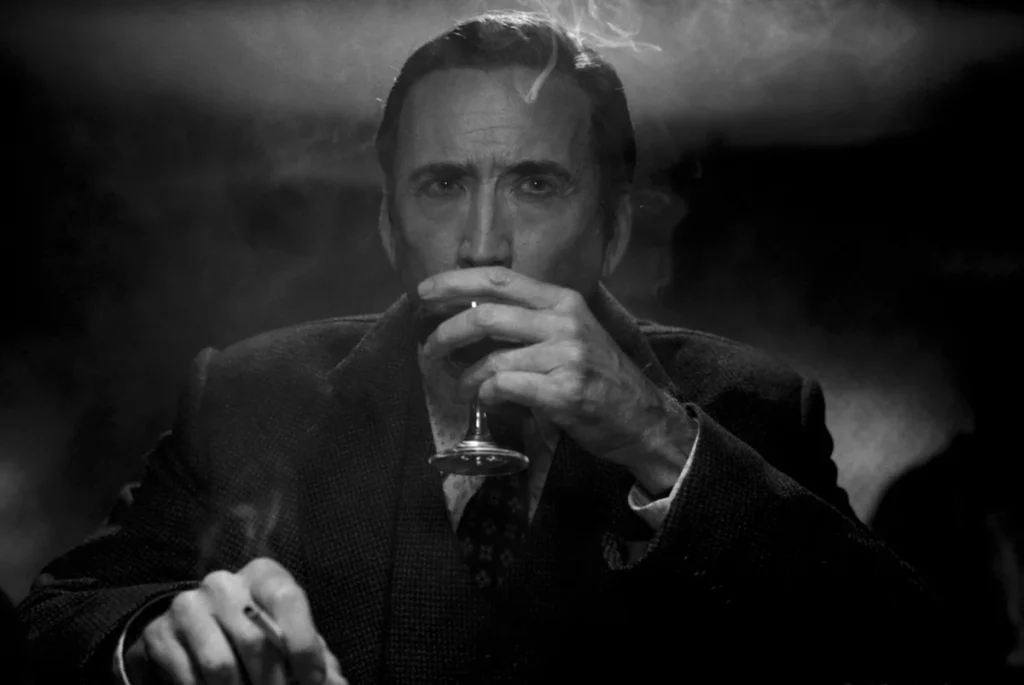
The latest installment of Daredevil: Born Again, titled "Requiem," delivered a narrative that, while featuring compelling performances and high stakes, has left critics and audiences questioning the strategic direction of its plotlines. Written by Devon Kliger and Jesse Wigutow, and directed by Angela Barnes, the episode grapples with loss, betrayal, and the escalating conflict between Wilson Fisk and the nascent resistance, all while introducing significant developments for key characters.
Fisk’s Grief and a Doctor’s Fatal Misstep
The episode opens with Wilson Fisk, portrayed with his characteristic intensity by Vincent D’Onofrio, at the bedside of his deceased wife, Vanessa Marianna. The scene immediately establishes the profound impact of her death on Fisk, setting a somber tone. A doctor, tasked with providing comfort and medical assessment, oversteps professional boundaries with a series of platitudes and a physical embrace of Fisk. This act, however well-intentioned within the narrative’s dramatic context, proves to be a critical error in judgment. In a swift and brutal display of his grief-fueled rage, Fisk incapacitates the doctor, a visceral reaction that underscores his volatile emotional state.

This violent outburst necessitates immediate damage control, with an impeccably prepared Buck Cashman (Arty Froushan) appearing to manage the situation. Cashman’s timely arrival, seemingly without issue from Albany to New York City, highlights his efficiency and deep integration into Fisk’s operations, raising questions about the logistical capabilities and perhaps the lack of traffic enforcement within this iteration of the Marvel universe.
A City in Turmoil: Intersecting Narratives
The episode then interweaves several critical plot threads:
- Vanessa’s Funeral: The solemnity of Vanessa’s funeral, marked by the Latin prayer "Requiem Aeternam" (Eternal Rest), is juxtaposed with the unfolding machinations across the city. The imagery of her blindingly white coffin serves as a stark visual anchor amidst the rising tensions.
- Bullseye’s Recovery and Surveillance: Matt Murdock (Charlie Cox) is depicted watching over a sleeping Bullseye (Wilson Bethel), hinting at the precariousness of the assassin’s situation and Murdock’s continued surveillance.
- Fisk’s Weaponry and the AVTF: Mr. Charles (Peter Shink), a political operative, discovers that Fisk has repossessed the smuggled weaponry intended for the Anti-Vigilante Task Force (AVTF). This betrayal escalates the conflict, as the AVTF celebrates their acquisition of the arms.
- The "Barium Meal Test" in Espionage: Within Fisk’s organization, Cashman tasks a shell-shocked Daniel (Michael Gandolfini) with identifying a potential leak. He introduces the concept of a "Barium Meal Test," a ruse in espionage to plant false information and observe its dissemination. Daniel’s initial misunderstanding of the term as a dietary plan provides a moment of dark humor, underscoring his naivete in the cutthroat world of organized crime.
Jessica Jones’s Return and a Diminished Power Set
A post-credits scene introduces Jessica Jones (Krysten Ritter), arriving in a striking pair of boots, a visual cue that immediately signals her presence. The scene depicts her suburban home being targeted by thugs, who hurl a grenade into the residence. Her young daughter, Danielle, is seen playing with the device, unaware of its danger. Jones intervenes, disarming the grenade and admonishing her daughter.

Jones then confronts Matt Murdock, expressing her frustration that the recent conflicts have "touched" her and her family, despite his assurances. She reveals that a "sketchy" individual has been recruiting individuals like them, and that while she refused, others did not. This cryptic statement, followed by Murdock’s dawning realization, suggests a new layer of conspiracy and recruitment within the city’s underground.
However, a significant point of contention arises when Jones reveals that her powers have been intermittently failing since the birth of Danielle. This development, coupled with her subsequent struggle against AVTF operative Powell (potentially enhanced), leading to Matt Murdock’s intervention to save her, has drawn considerable criticism. The implication that motherhood has diminished her super strength raises concerns about the narrative’s thematic implications for female characters and their powers.
Narrative Repetition and Thematic Exhaustion
The episode continues to explore recurring themes, sometimes to a fault. The persistent argument between Matt Murdock and Karen Page (Deborah Ann Woll) regarding the ethics of murder, particularly in the context of Bullseye’s confinement, feels repetitive. Murdock’s assertion that "Vengeance isn’t justice" and Page’s increasingly pragmatic, and at times ruthless, approach to dealing with adversaries have been central to their dynamic since the Netflix era. However, the show’s continued rehashing of this debate, without significant narrative evolution, has led to criticism of thematic stagnation.

Page’s confrontation with Bullseye, where she holds him at gunpoint and appears to grapple with her desire for retribution for their friend Foggy Nelson’s death, is a pivotal moment. Murdock’s timely arrival, preventing Page from taking lethal action, reinforces his moral code but also highlights the show’s tendency to resolve such conflicts through intervention rather than allowing characters to fully explore the consequences of their choices.
Character Arcs and Controversial Decisions
The narrative also delves into the personal lives of supporting characters:
- Heather Glenn’s Trauma and Buck Cashman’s Methods: Heather Glenn (Margarita Levieva), present at Vanessa’s wake, is shown stealing jewelry. Buck Cashman finds her distressed and, in a scene described as tonally disparate from the rest of the series, encourages her to engage in a form of aggressive catharsis by choking him. This unconventional therapeutic approach, while striking, has been noted for its abruptness and unusual execution.
- Daniel’s Crisis of Conscience: Daniel, visiting his mother on Staten Island for his birthday, is confronted by Bullseye, who seems to have found a temporary refuge. Bullseye’s presence and Daniel’s subsequent discovery of incriminating evidence on Bullseye’s person, which he was meant to report, create a moral quandary. Bullseye’s seemingly genuine affection for Daniel’s mother, contrasted with his violent nature, adds a complex layer to his character. Daniel’s ultimate decision to delete the damaging information he was poised to send to news editor Ellison is a significant step towards protecting Bullseye, suggesting a budding, albeit dangerous, alliance.
- The Resistance’s Public Appeal: The resistance movement, led by Mr. Charles, stages a protest at Gracie Mansion. The projection of video testimonials from AVTF victims onto the building, coupled with the words "Resist" and "Rebel," serves as a powerful public appeal. However, the subsequent escalation of violence by the AVTF, with Fisk seemingly unconcerned and retreating to his "murder catacombs," raises questions about the effectiveness and ultimate goals of this public demonstration. The death of Javi, Angela’s friend, during the clash leads to Karen Page’s wig falling off, revealing her undercover identity to Powell, resulting in her arrest.
Fisk’s Political Maneuvering and the AVTF’s Escalation
The episode depicts Fisk’s political maneuvering as he attempts to consolidate power. His double-cross of Mr. Charles by delivering the weapons shipment to his private AVTF army is met with a strategic countermove. Charles appeals to the Governor, advocating for the withdrawal of support for Fisk. This political fallout suggests a potential shift in the power dynamics, with Fisk facing increased opposition from established governmental bodies. The AVTF’s subsequent escalation in violence, purportedly authorized after Fisk’s betrayal, highlights the organization’s ruthless agenda and its willingness to employ extreme measures. The narrative also touches upon Powell identifying Saunders as a mole and his subsequent murder, with Powell blaming the protesters. This particular plot point has been criticized as logically flawed, given the visible presence of AVTF forces already engaged with the protesters, undermining any attempt at plausible deniability.

A Rehash of Past Conflicts and Unanswered Questions
The episode culminates in a confrontation between Matt Murdock and Wilson Fisk in Fisk’s "murder catacombs." The scene mirrors their epic battle from Season 3 of the Netflix series, leading to criticism for repeating a narrative arc that was already effectively resolved. While the fight choreography and performances are lauded, the lack of new thematic or narrative development in this repeated conflict has been a point of disappointment. Fisk’s declaration that Daredevil "cannot" arrest him and "will not" murder him underscores the stalemate. The episode ends with Karen kneeling, Matt and Fisk battered and gasping for air, leaving the outcome of their conflict, and indeed the episode, decidedly unresolved.
Analysis of Key Developments and Criticisms
Jessica Jones’s Power Diminution: The most contentious aspect of "Requiem" is the implication that Jessica Jones’s powers have been weakened by motherhood. Critics argue that this narrative choice risks undermining a powerful female character and perpetuating harmful tropes. The scene where she struggles against Powell and requires Matt’s assistance has been interpreted as a significant regression for the character. This development prompts questions about the thematic purpose: is it to explore the sacrifices of motherhood, or to serve a narrative convenience that diminishes a formidable hero?
Repetitive Plotlines: The continued rehashing of the Matt Murdock and Karen Page ethical debate, as well as the recurring confrontation between Murdock and Fisk, suggests a potential lack of new narrative directions. While these themes are foundational to the characters, their repetition without fresh insights or resolutions risks alienating viewers.

Character Motivations and Logic: Several character decisions have been questioned for their logical consistency. Bullseye’s presence in Frank Castle’s "Sadness Basement" raises questions about his containment. Karen Page’s decision to attend a protest when she is a key figure in the resistance, and thus needs to maintain a low profile, appears strategically unsound. Similarly, Bullseye retaining the SD card containing incriminating information after entering Daniel’s home demonstrates a significant lapse in operational security.
Thematic Underdevelopment: While the episode introduces compelling elements like an underground resistance and the AVTF’s increasing brutality, critics feel these storylines are not given adequate space to breathe. The show’s reliance on familiar character beats, such as the recurring arguments between Matt and Karen, overshadows the potential for deeper exploration of new thematic territory.
Conclusion

Daredevil: Born Again‘s "Requiem" presents a complex tapestry of interwoven narratives, marked by strong performances and moments of intense drama. However, the episode is not without its significant criticisms. The perceived narrative repetition, questionable character decisions, and particularly the controversial handling of Jessica Jones’s powers have led to a sense of narrative unease. As the season progresses, the show faces the challenge of delivering fresh, compelling storylines that honor its established characters while effectively exploring the escalating conflict and thematic depths promised by its premise. The potential for character development and plot resolution remains, but the execution in "Requiem" has left many questioning the show’s trajectory.