The third installment of Euphoria’s third season has signaled a decisive shift in the series’ narrative architecture, moving away from the internal psychological struggles of its protagonists toward an external, high-stakes conflict involving the criminal underworld. The latest episode, titled for its exploration of retribution and loyalty, centers on the deteriorating relationship between the burgeoning crime lord Alamo, played by Adewale Akinnuoye-Agbaje, and the stoic, chillingly detached drug supplier Laurie, portrayed by Martha Kelly. The episode culminates in a calculated act of biological warfare—the poisoning of Laurie’s beloved bird, Paladin—an event that serves as a catalyst for what appears to be an all-out gang war. As the tension reaches a breaking point, the involvement of Rue Bennett (Zendaya) adds a layer of legal and personal jeopardy that threatens to redefine the series’ trajectory.
The Chronology of Escalation: From the Silver Slipper to the Poisoned Perch
The conflict between Alamo and Laurie has been characterized by a series of increasingly grotesque "gifts" and retaliations, illustrating a lack of diplomatic recourse in their illicit business dealings. The friction began in earnest during the season’s second episode when Laurie, in a moment of dismissive contempt, referred to Alamo as a "pig" during a heated telephone exchange. Alamo’s response was literal and provocative: he delivered a live pig to Laurie’s doorstep.
In Episode 3, the audience witnesses Laurie’s counter-move. She returns the animal by having it dropped into the Silver Slipper, a high-end establishment owned by Alamo. The intrusion prompted the proprietor to dispatch the animal using a signature golden firearm, a moment that underscored the flamboyant yet lethal nature of Alamo’s operation. Recognizing that a direct assault on Laurie’s fortified compound would be costly, Alamo opted for a psychological strike. According to Rue’s narration, Alamo sought to "take something from her that would hurt," identifying her pet bird, Paladin, as her sole emotional vulnerability.
The execution of this plan required a covert entry. Rue and Bishop (Darrell Britt-Gibson), Alamo’s primary lieutenant, arrived at Laurie’s residence under the guise of a routine narcotics purchase. While the transaction served as the official reason for their presence, it provided the necessary distraction for Bishop to administer a lethal toxin to Paladin. The scene is noted for its oppressive atmosphere, utilizing silence and lingering shots to emphasize the predatory nature of the intrusion.
Character Analysis: The Enigmatic Role of Bishop
Darrell Britt-Gibson’s portrayal of Bishop has emerged as a focal point for Season 3. Unlike the impulsive antagonists of previous seasons, Bishop operates with a chilling, emotionless efficiency that suggests a deep-seated sociopathy or a highly disciplined military-like focus. In a recent interview regarding the character’s development, Britt-Gibson described Bishop as a "baked onion," suggesting that the audience is only beginning to see the outer layers of a complex and potentially devastating individual.
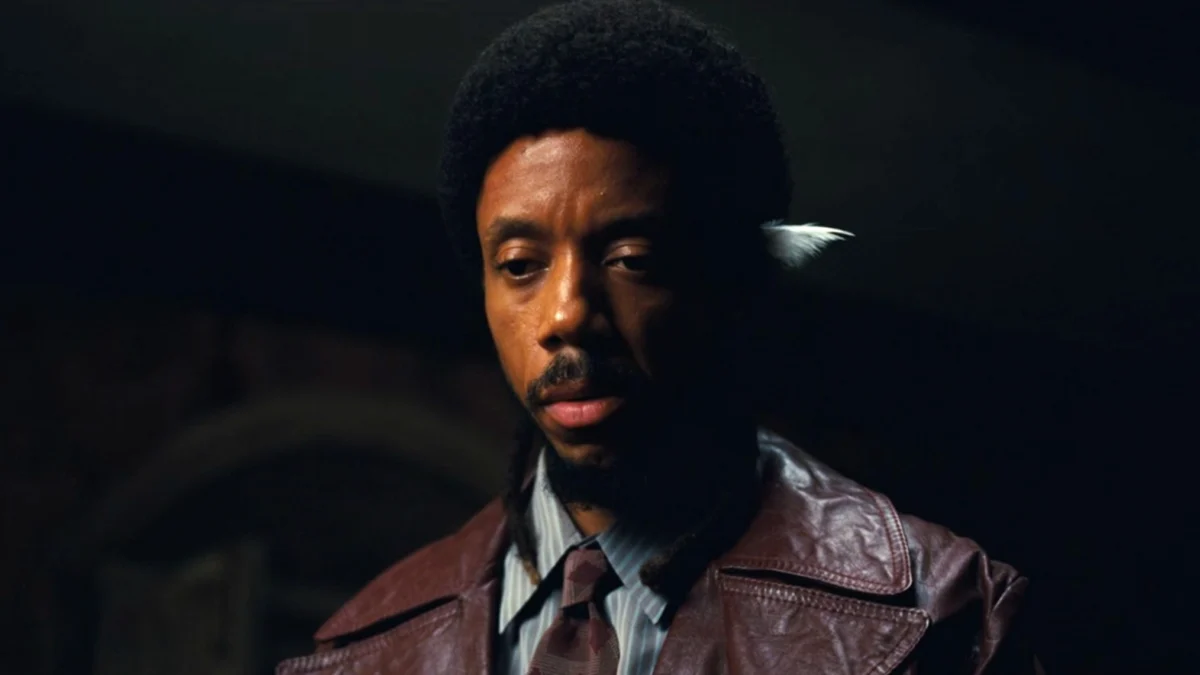
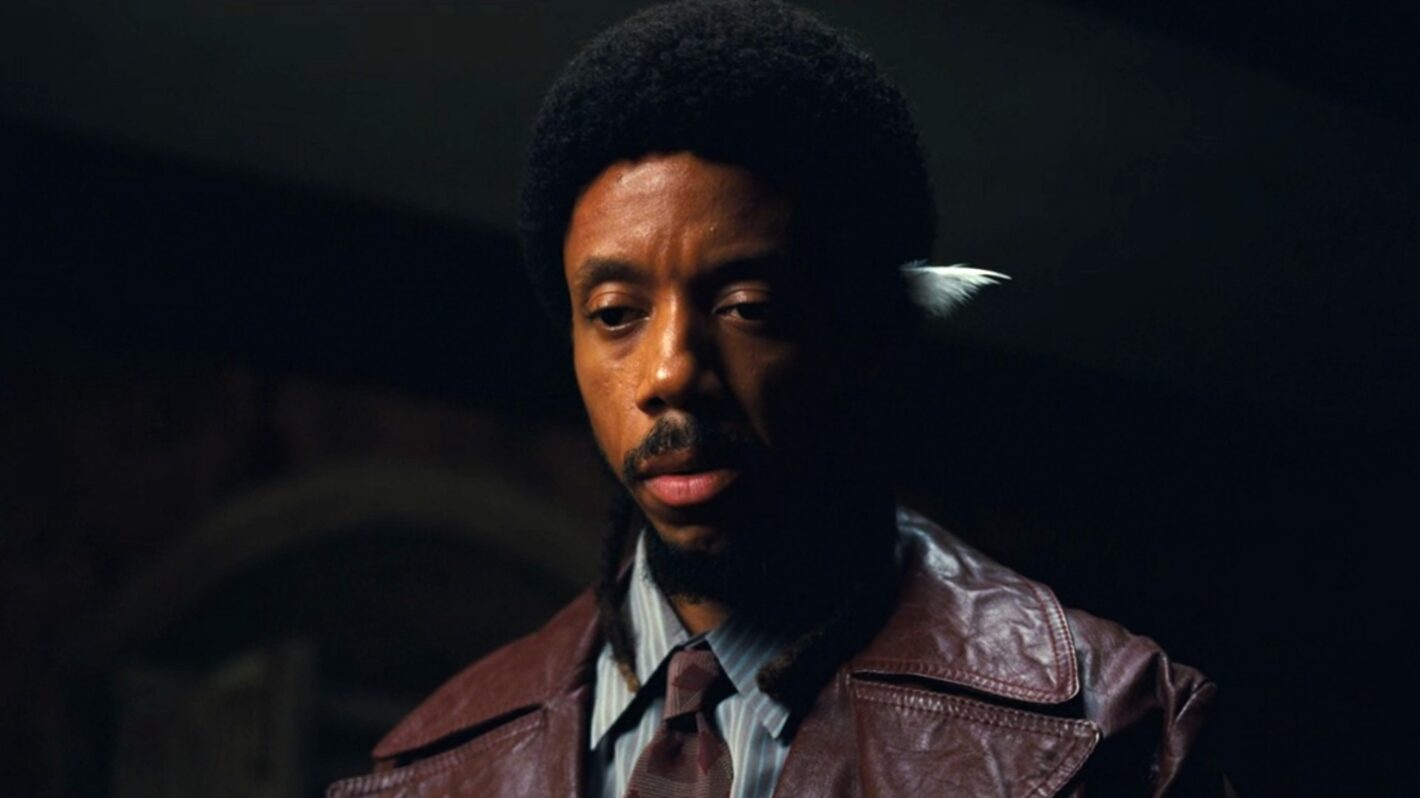
A pivotal moment in Episode 3 occurs when Bishop engages in a racially charged dialogue with Laurie’s cousins. When Bishop inquires if Paladin was named after the protagonist of the classic Western series Have Gun – Will Travel, Laurie expresses surprise that a Black man would be familiar with the genre. Bishop’s rebuttal—that appreciation for Westerns is not a matter of race—serves to establish his intellectual autonomy. His subsequent claim to identify with the "cowboy" rather than the "Indian" is punctuated by a symbolic gesture: tossing a stack of cash and "shooting" it with a finger gun. This moment, combined with his decision to pluck a feather from the dying bird to wear in his hair, marks him as a character who finds aesthetic satisfaction in cruelty.
Industry analysts suggest that Bishop’s introduction is intended to fill the vacuum left by previous antagonists, providing a more cerebral and organized threat to the established order. His "finger gun" gesture and the calm poisoning of the bird suggest a man who is entirely comfortable with the prospect of an escalating body count.
The Psychological Profile of Laurie and the Significance of Paladin
Martha Kelly’s Laurie has long been one of the most unsettling figures in Euphoria, defined by a low-register monotone and an utter lack of empathy. However, Episode 3 provides a rare glimpse into her internal world through her attachment to Paladin. Kelly has noted in production commentary that Paladin represented the only attachment Laurie was capable of sustaining. The actress suggested that humans are likely too complex for Laurie’s narcissistic or sociopathic tendencies, whereas a bird requires little and offers no betrayal.
The death of Paladin, which occurs just before the episode’s closing credits, is framed not merely as the loss of a pet but as the destruction of Laurie’s primary tether to her own humanity. Kelly indicated that the character is "devastated" by the loss and suggests that Laurie may never fully recover her composure. This psychological destabilization makes Laurie more dangerous; a drug lord with nothing left to love is a figure with no reason for restraint. The shift in her demeanor from cold calculation to quiet grief sets the stage for a retaliatory strike that will likely transcend the "eye-for-an-eye" logic seen thus far.
Technical Execution: The Use of Animatronics and Direction
The production of the bird’s death scene involved sophisticated practical effects. Despite the realistic appearance of Paladin’s demise, no animals were used in the filming of the sequence. Martha Kelly revealed that the bird was a fully animatronic robot operated by a specialized crew. The filming took place late at night, requiring multiple takes to ensure the robot’s "fall" conveyed the necessary emotional weight.
Director Sam Levinson’s choice to focus on the bird’s slow decline serves to heighten the tension of the scene. By juxtaposing the mundane drug deal in the foreground with the silent assassination of the bird in the background, the show emphasizes the banality of evil within this criminal ecosystem. The use of the animatronic allowed for a level of precision in the bird’s movements that a live animal could not provide, ensuring that the visual metaphor of "a light going out" was executed with cinematic clarity.
Rue Bennett and the Informant Narrative
While the war between Alamo and Laurie takes center stage, the episode’s conclusion places Rue Bennett in her most precarious position to date. After departing Laurie’s residence, Rue is apprehended by authorities. This development introduces a classic noir trope to the Euphoria narrative: the pressured informant.
Given Rue’s extensive knowledge of Laurie’s operation and her newfound proximity to Alamo’s inner circle via Bishop, she represents an invaluable asset for law enforcement. However, her history of addiction and her previous debts to Laurie make her a volatile witness. If Rue is recruited as an informant, the series will likely transition into a high-stakes legal thriller, where her survival depends on her ability to navigate the conflicting interests of the police, Alamo’s gang, and Laurie’s vengeful remnants.
Broader Implications and Industry Impact
The shift in Euphoria Season 3 toward organized crime and territorial warfare reflects a broader trend in prestige television to evolve teen-centric dramas into more mature, genre-bending narratives. By expanding the roles of characters like Alamo and Bishop, the show is moving beyond the confines of East Highland high school and into the systemic realities of the drug trade.
Data from television viewership tracking suggests that the introduction of these high-stakes criminal elements has maintained the show’s "water cooler" status, generating significant social media engagement regarding the "war" between the two factions. The episode’s focus on Bishop as a new "big bad" has particularly resonated with audiences, with many speculating on the eventual confrontation between him and the show’s established protagonists.
The implications of Episode 3 are clear: the "match" has been lit, as Darrell Britt-Gibson suggested, and the resulting fire is poised to consume both the guilty and the innocent. As Laurie reels from the loss of Paladin and Rue faces the reality of police interrogation, the series has successfully raised the stakes to a level where a "happy ending" for any of the involved parties seems increasingly improbable.
Conclusion and Future Outlook
As Euphoria continues its third season on HBO, the narrative focus is expected to remain on the fallout of the bird’s death and the legal jeopardy surrounding Rue. The "war" teased by the cast and crew is no longer a looming threat but an active reality. Viewers can expect the upcoming episodes to explore the tactical responses of Laurie’s organization and the further "peeling of the onion" regarding Bishop’s true motives. With the introduction of sophisticated animatronics, complex racial and psychological dialogues, and a shift toward informant-led storytelling, Euphoria is solidifying its position as a multifaceted drama that refuses to be pigeonholed by its initial premise. The tension established in the Silver Slipper and Laurie’s living room is merely the beginning of a season-long descent into the consequences of pride and retribution.