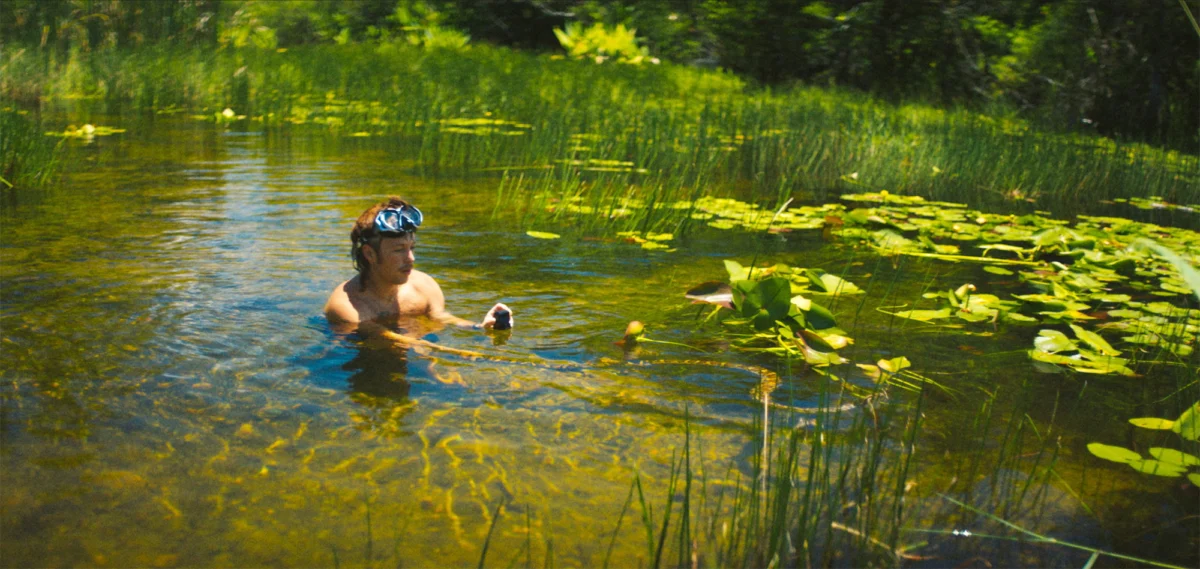
The documentary captures the intense ten-night window of the competition, a period when the Everglades are transformed into a crowded landscape of amateur hunters, seasoned "gladesmen," and environmental enthusiasts. Through Robin’s lens, the hunt is depicted as a chaotic intersection of environmental desperation and human obsession, often referred to by participants as the "Burning Man of snake hunting." The film moves beyond the biological crisis to examine the motivations of the people who enter the swamp, confronting not only the physical dangers of the nocturnal terrain but also the personal demons that drive them into the wild.
The Ecological Crisis: The Proliferation of the Burmese Python
To understand the stakes presented in The Python Hunt, it is necessary to examine the environmental catastrophe that necessitated the competition’s existence. The Burmese python (Python bivittatus), native to Southeast Asia, was first documented in the Florida Everglades in the late 1970s and early 1980s. The population exploded following the destruction of exotic pet facilities during Hurricane Andrew in 1992, combined with the intentional release of unwanted pets by owners who could no longer manage the apex predators.
In the decades since, the pythons have fundamentally altered the food web of the Everglades. According to data from the U.S. Geological Survey (USGS), the introduction of the python has led to a catastrophic decline in native mammal populations. Research indicates that since 1997, populations of raccoons have dropped by 99.3%, opossums by 98.9%, and bobcats by 87.5%. In some areas, marsh rabbits and foxes have effectively vanished. The pythons, which can reach lengths of over 20 feet and weigh upwards of 200 pounds, have no natural predators in the Florida ecosystem, though they occasionally engage in lethal territorial disputes with American alligators.
The Florida Fish and Wildlife Conservation Commission (FWC) established the Florida Python Challenge as a public outreach and management tool. While the competition incentivizes the removal of the snakes through cash prizes for the longest and most snakes caught, experts acknowledge that the hunt is as much about public awareness as it is about total eradication. The documentary highlights this tension, questioning whether the influx of thousands of amateur hunters is an effective solution or a performative gesture in the face of an unsolvable ecological crisis.

Chronology of Production and Festival Recognition
The journey of The Python Hunt from production to its 2026 release reflects a significant interest in "eco-horror" and immersive documentary filmmaking. Directed by Xander Robin—known for his previous work on the body-horror film Are We Not Cats and the surrealist series Chillin Island—the project was produced by a team including Lance Oppenheim, Lauren Cioffi, and Melissa Oppenheim.
The production involved embedded filming during the actual 10-night competition, requiring the crew to navigate the same treacherous conditions as the hunters. This included filming in near-total darkness, managing humidity and heat, and dealing with the unpredictable movements of both the snakes and the hunters.
The film’s timeline of success includes:
- March 2025: World Premiere at the SXSW Film Festival, where it received the Special Jury Prize for its "unflinching look at the human-nature conflict."
- Late 2025: Screenings at prestigious genre and regional festivals, including Beyond Fest, Sitges Film Festival in Spain, the Miami Film Festival, and the Philadelphia Film Festival.
- April 2026: Official trailer release and marketing campaign launch by Oscilloscope Laboratories.
- May 8, 2026: Scheduled theatrical premiere in major US markets, followed by a wider expansion and digital release.
The Human Element: Amateurs vs. Gladesmen
A central theme of the documentary is the sociological divide between the participants. Director Xander Robin focuses heavily on the "eclectic group of hunters," distinguishing between the "gladesmen"—those who have lived in or near the swamps for generations—and the influx of amateurs.
The gladesmen are portrayed as witnesses to the slow death of the Everglades. For them, the python is a symptom of a larger environmental collapse that began long before the snakes arrived, involving water mismanagement and urban encroachment. In contrast, the amateurs are often depicted as being driven by "python-mania," a fervor fueled by the desire for social media recognition, the thrill of the hunt, or a misplaced sense of heroism.

In a statement regarding the film’s subjects, Robin noted, "The Python Hunt is about the thousands of other people who showed up with the same idea, from amateurs convinced they could fix an unsolvable problem of our own making, to the gladesmen who watched wildlife disappear long before the pythons arrived. Out there, everyone has a theory about what’s really happening; about the snakes, about the state, even about the ecosystem itself." This narrative focus elevates the film from a standard nature documentary to a study of American subcultures and the human tendency to seek glory in the midst of disaster.
Industry and Critical Response
Early reviews of the film have drawn comparisons to classic cinema, with one critic suggesting the film "might do for the Burmese python what Jaws did 50 years ago for the Great White Shark." However, where Jaws created a fictionalized fear of a natural predator, The Python Hunt focuses on a real-world invasive threat and the often-absurd reality of the human response to it.
Industry analysts suggest that Oscilloscope Laboratories’ acquisition of the film is a strategic move. The distributor has a history of supporting documentaries that blend high-concept visuals with challenging subject matter. By positioning the release in May, Oscilloscope aims to capture the early summer audience looking for "elevated" non-fiction content that offers a visceral alternative to standard blockbuster fare.
The film’s technical merits have also been praised, particularly its use of nocturnal cinematography. Capturing the Everglades at night—the primary hunting time for the pythons—presents significant lighting challenges. The production utilized specialized infrared and low-light cameras to document the "snake spectacle" without disturbing the natural behavior of the wildlife or the hunters’ visibility.
Broader Implications for Wildlife Management and Media
The release of The Python Hunt comes at a time when invasive species management is becoming a critical global issue. From the spotted lanternfly in the Northeast to the lionfish in the Atlantic, government agencies are increasingly turning to public participation to manage environmental threats. The Python Hunt serves as a case study for the effectiveness and the optics of such programs.

From a policy perspective, the documentary raises questions about the "gamification" of environmental protection. While the Florida Python Challenge successfully removes hundreds of snakes annually, the total population of pythons in the Everglades is estimated to be in the tens of thousands, if not hundreds of thousands. Critics of the hunt argue that the event provides a "feel-good" narrative for the state government while the underlying causes of the Everglades’ decline remain unaddressed.
Furthermore, the film explores the ethics of "glory hunting." As the trailer suggests, the hunt brings "the wrong kind of attention" to the problem, potentially attracting individuals who are more interested in the spectacle than the science of conservation. This tension is at the heart of Robin’s work, as he balances the awe-inspiring presence of the pythons with the often-clumsy efforts of humans to control a wilderness that is increasingly beyond their grasp.
Conclusion and Theatrical Outlook
As The Python Hunt prepares for its May 8, 2026, release, it stands as a significant contribution to the documentary genre. It successfully bridges the gap between environmental reportage and cinematic storytelling, providing a window into a uniquely Floridian phenomenon that has global implications. The film does not offer easy answers regarding the future of the Everglades or the success of the python removal efforts; instead, it leaves the audience with a haunting portrait of a landscape in flux and the desperate, often misguided people trying to save it.
With its blend of "snake spectacle" and "human drama," the documentary is expected to perform well in urban markets and festival circuits alike. For audiences, it offers a stark reminder of the consequences of human interference in nature and a cautionary tale about the complexities of trying to undo the damage. As the Florida government continues its annual struggle against the Burmese python, The Python Hunt will likely remain a definitive document of this era of environmental crisis.