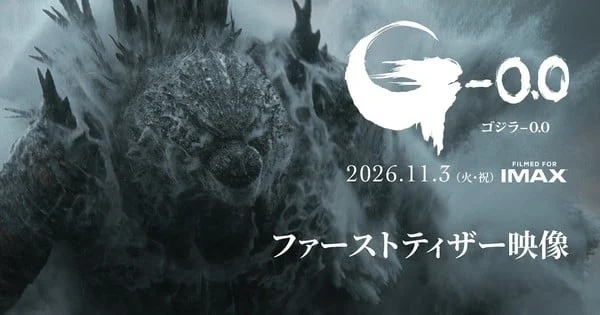
TOHO has officially unveiled the first teaser trailer for Godzilla Minus Zero, the highly anticipated sequel to the critically acclaimed Godzilla Minus One. The new film, helmed once again by the visionary Takashi Yamazaki, director, screenwriter, and VFX supervisor of its predecessor, is set to continue the epic saga of Japan’s most iconic monster. The teaser, released on Wednesday, confirms a pivotal detail: the narrative of Godzilla Minus Zero will unfold in 1949, a mere two years after the devastating events depicted in Godzilla Minus One. This temporal placement suggests a narrative deeply rooted in the immediate post-war era, a period of immense rebuilding and societal upheaval for Japan, now facing a renewed existential threat.
The strategic release of the teaser marks a significant moment for the Godzilla franchise and international film distribution. Godzilla Minus Zero is slated for a simultaneous release in Japan on November 3 and in North America on November 6. This marks an unprecedented event: the first time a Godzilla film produced in Japan will have its premiere in both its home country and North America within the same week. This synchronized global launch underscores the franchise’s growing international appeal and the collaborative efforts between TOHO and its North American distribution partner, GKIDS. The companies confirmed that additional international release dates will be announced at a later time, indicating a coordinated worldwide rollout strategy.
A Legacy of Destruction, A New Era of Fear
The original Godzilla Minus One captivated audiences and critics alike, achieving remarkable success both critically and commercially. Released in Japan on November 3, 2023, coinciding with "Godzilla Day" – the anniversary of the original 1954 film’s premiere – it quickly became a cultural phenomenon. The film’s narrative focused on a Japan grappling with the aftermath of World War II, only to be confronted by the sheer terror of Godzilla. Yamazaki’s masterful direction, coupled with groundbreaking visual effects, brought the King of the Monsters to life with a visceral, awe-inspiring, and terrifying presence that resonated deeply with audiences.
The sequel, Godzilla Minus Zero, picks up the narrative thread two years later, in 1949. This period was a critical juncture for Japan. The nation was in the throes of rebuilding, both physically and psychologically, under Allied occupation. The scars of war were still fresh, and the economic and social landscape was undergoing profound transformation. Introducing Godzilla into this fragile post-war environment suggests a narrative that explores how a nation already on its knees might cope with such an overwhelming, monstrous force. The "minus zero" in the title, following Godzilla Minus One, implies a return to an even more desperate state, perhaps suggesting that the nation’s recovery efforts will be severely jeopardized, or that the threat posed by Godzilla will be amplified.
Global Reach and Strategic Partnerships
The synchronized release strategy for Godzilla Minus Zero is a testament to the evolving global film market and the robust partnership between TOHO and GKIDS. TOHO, the venerable Japanese studio with a storied history in the entertainment industry, finalized its acquisition of North American animation distributor GKIDS in October 2024. This strategic move has strengthened their collaborative capabilities, enabling them to orchestrate a more unified and impactful release for their major projects. The decision to launch the film simultaneously in Japan and North America reflects a growing recognition of the international demand for Japanese cinema, particularly for flagship franchises like Godzilla.
The success of Godzilla Minus One provided a powerful precedent for this ambitious global strategy. The film garnered over US$116 million worldwide, a remarkable achievement for a foreign-language film. In the United States alone, it earned an estimated US$57,144,669, making it the third highest-grossing foreign-language film in the U.S. as of 2024. This commercial success, coupled with its critical acclaim, has paved the way for Godzilla Minus Zero to reach an even wider audience.
The Creative Force Behind the Monster
Takashi Yamazaki’s return to the helm of the Godzilla franchise is a significant factor contributing to the anticipation surrounding Godzilla Minus Zero. Yamazaki’s unique vision was instrumental in the success of Godzilla Minus One, earning the film an Academy Award for Best Visual Effects at the 96th Academy Awards in March 2024. This historic win marked the first time a Japanese film had received an Oscar in this category and the first time a Godzilla film had ever been nominated. His deep understanding of the character, combined with his technical expertise in visual effects, has redefined modern interpretations of the iconic monster.
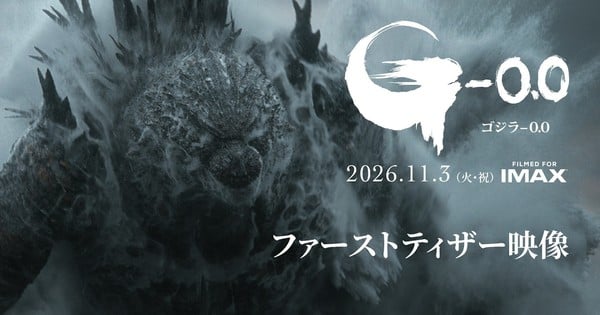
For Godzilla Minus Zero, Yamazaki is reprising his multifaceted role as director, screenwriter, and VFX supervisor. Production is currently underway at TOHO Studios, with ROBOT serving as the production company and Shirogumi Inc. once again handling the intricate visual effects. This continuity in the creative and technical teams ensures a consistent artistic vision and a high level of craftsmanship that audiences have come to expect.
Unveiling the Narrative and Its Context
While the teaser trailer provides a glimpse into the film’s setting and a hint of the impending threat, specific details regarding the plot, cast, and thematic elements are expected to be revealed at a later date. However, the choice of 1949 as the backdrop offers fertile ground for storytelling. This era was characterized by a sense of profound loss, resilience, and the arduous process of nation-building. The introduction of Godzilla into this already vulnerable society raises questions about the psychological impact on survivors, the potential for renewed societal collapse, and the very definition of survival in a world where even humanity’s greatest efforts can be undone by forces beyond its control.
The post-war period in Japan was also marked by significant cultural and social shifts. The nation was navigating a new democratic framework, grappling with economic reconstruction, and re-establishing its identity on the global stage. The presence of a colossal, destructive force like Godzilla could serve as a potent metaphor for the lingering anxieties and unresolved traumas of war, or perhaps represent a new, unforeseen challenge to Japan’s fragile peace and burgeoning recovery. The narrative could explore themes of hope versus despair, the indomitable spirit of humanity in the face of overwhelming odds, and the enduring legacy of destruction.
A Day for the King of the Monsters
The November 3 release date in Japan is more than just a convenient slot; it is a deliberate choice to honor the legacy of the franchise. November 3 is officially recognized as "Godzilla Day," commemorating the premiere of the original Godzilla film on November 3, 1954. This date has become a significant occasion for fans and TOHO alike, often marked by special events and announcements. The consistent choice of this date for major Godzilla releases underscores the franchise’s deep connection to its origins and its enduring cultural significance in Japan.
Streaming and Home Entertainment Success
The enduring popularity of Godzilla Minus One is further evidenced by its widespread availability across various streaming and digital platforms. The film, along with its striking black-and-white counterpart, Godzilla Minus One/Minus Color, is currently streaming worldwide on Netflix. In North America, both versions are also available for digital rental and purchase through major platforms including Amazon, Apple iTunes, Google Play, Microsoft, FandangoNOW/VUDU, inDemand, XBOX, and Vubiquity. In Japan, the film is exclusively streaming on Amazon Prime Video in both color and monochrome versions. This accessibility has undoubtedly contributed to its massive global reach and sustained audience engagement.
Future Endeavors and Franchise Expansion
Beyond Godzilla Minus Zero, Takashi Yamazaki is also venturing into his first English-language feature film, Grandgear. This project, slated for release on February 18, 2028, is expected to explore themes of kaiju and robots, further showcasing Yamazaki’s continued dedication to the genre. While details are still emerging, his involvement in Grandgear suggests a continued exploration of large-scale cinematic spectacle and the powerful visual storytelling that has become his hallmark.
The unveiling of the Godzilla Minus Zero teaser trailer marks the beginning of a new chapter for one of cinema’s most enduring icons. With a confirmed setting in the pivotal post-war year of 1949, a directorial vision honed by Oscar-winning success, and a strategic global release plan, the film is poised to build upon the monumental achievements of its predecessor and deliver another unforgettable cinematic experience for audiences worldwide. The world now eagerly awaits further revelations about the next iteration of humanity’s titanic struggle with the King of the Monsters.