In a significant reversal of the rapid expansion that characterized the height of the "streaming wars," Hudson Pacific Properties has announced a strategic retrenchment of its studio services division. The real estate investment trust is winding down the operations of its subsidiary, Quixote, in several key regional markets, including Georgia and New Mexico, while simultaneously implementing a workforce reduction of approximately 70 employees across its Atlanta and Los Angeles offices. This move signals a broader shift in the entertainment landscape, as major production hubs outside of California and New York begin to feel the impact of a cooling content market and a consolidated approach to studio spending.
The decision comes less than two months after Hudson Pacific CEO Victor Coleman publicly observed a cooling trend in secondary markets. During a March investor conference, Coleman noted that traditional production epicenters like Los Angeles and New York were seeing a relative rise in activity as previously surging markets—specifically Albuquerque, New Orleans, and Atlanta—experienced a noticeable downturn. This "production flight" in reverse marks a new chapter for an industry that spent the last decade chasing aggressive tax incentives and lower operational costs in the American South and Southwest.
Strategic Consolidation and Operational Footprint Reduction
Hudson Pacific’s restructuring efforts are focused on paring back a footprint that grew significantly during the pandemic-era content boom. In Georgia and New Mexico, Quixote—a major provider of production supplies and vehicle fleets—is effectively pulling the plug on its local operations. The company is also scaling back its presence in Los Angeles by winding down leases at multiple soundstage locations. Among these is Quixote West Hollywood, a frequent site for commercial and music video production, and the Van Nuys facility at Quixote Central Valley. The latter, formerly known as Chandler Valley Center Studios, holds a place in television history as the primary filming location for the NBC comedy The Office.
Despite these closures, Hudson Pacific intends to maintain its lease at Griffith Park Studios, which currently hosts an ongoing tenant. According to Sean Griffin, Senior Vice President of Sales for Quixote, the company is attempting to manage the exit through a "phased, collaborative approach" to ensure minimal disruption for existing clients. While the physical footprint is shrinking, the company maintains that its core fleet, equipment, and supply rental services remain operational, with plans to relocate "select" equipment from the shuttered regional hubs back to the primary markets of Los Angeles and New York.
The Rise and Fall of the Streaming Expansion
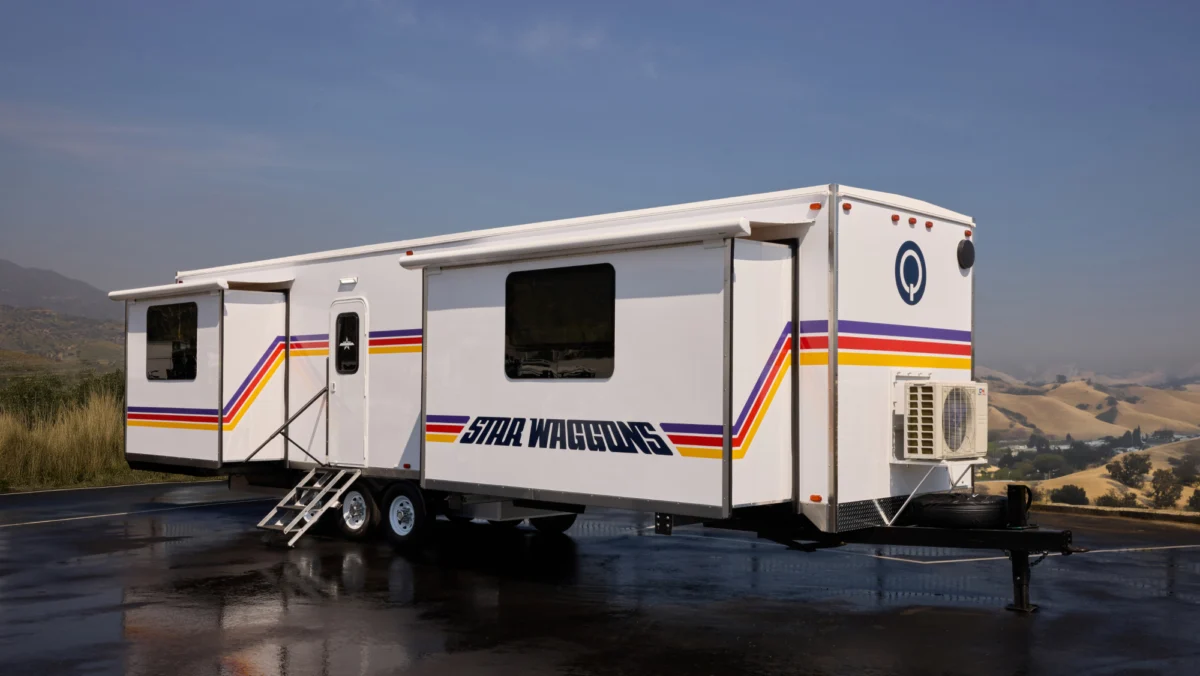
The current contraction must be viewed through the lens of the aggressive acquisitions Hudson Pacific made between 2021 and 2022. In 2021, the firm spent $222 million to acquire Star Waggons, the iconic provider of luxury talent trailers seen on almost every major film set. This was followed in 2022 by the $360 million acquisition of Quixote. At the time, these deals were heralded as strategic masterstrokes; with Netflix, Disney+, and HBO Max locked in a global race for subscribers, demand for soundstages and production services far outstripped supply.
However, the "Peak TV" era appears to have reached its zenith. Victor Coleman recently characterized the Quixote acquisition as "not the best deal we’ve ever done," reflecting a shift in corporate sentiment as the macroeconomic environment changed. The industry is now grappling with the aftermath of the 2023 writers’ and actors’ strikes, rising interest rates, and a fundamental shift in streamer strategy from subscriber growth at all costs to a focus on profitability.
Data from Luminate, a leading industry data provider, underscores this decline. The number of original series premieres across TV networks and streaming platforms has dropped for three consecutive years. Current forecasts for 2025 suggest an 11 percent decrease in premieres compared to 2024. This reduction in the "volume of content" has a direct correlation with the demand for the ancillary services—lighting, trailers, and catering trucks—that Quixote provides.
Regional Vulnerabilities: Georgia and New Mexico
For years, Georgia and New Mexico were considered the gold standards for regional production growth. Georgia, in particular, became a "Hollywood of the South," bolstered by a robust and uncapped tax credit system. However, the market has proven to be more volatile than many anticipated. According to the industry platform ProdPro, both Georgia and New Mexico saw significant dips in filming counts and total production spend at the start of 2024.
Several factors are contributing to this regional slump. One major blow to the Georgia market has been the relocation of Marvel Studios productions. Once a staple of Atlanta’s Pinewood (now Trilith) Studios, many Marvel projects have decamped to the United Kingdom, where the combination of world-class facilities and competitive international incentives has proven attractive. As the "structural cost advantages" of these regional hubs are challenged by inflation and changing studio priorities, the lure of traditional hubs with deep talent pools like Los Angeles and New York has seen a resurgence.
Mark Lammas, President of Hudson Pacific, highlighted this disparity during a February earnings call. He noted that while Hudson Pacific’s core Hollywood soundstages maintain a robust 96 percent lease rate, the Quixote-operated stages struggled with an occupancy rate of just 53.3 percent. This nearly 43-point gap in occupancy served as a clear indicator of the oversupply in certain segments of the market.
Financial Implications and Corporate Strategy
The decision to retreat from Georgia and New Mexico is expected to yield significant financial benefits for Hudson Pacific. The company forecasts annualized cost savings between $21 million and $27 million resulting from the wind-down. These savings are critical as the firm seeks to stabilize its balance sheet and refocus on its most profitable assets.
Lammas stated that moving away from markets characterized by "structural cost or demand disadvantages" would allow the company to focus its operational and financial resources on its high-performing office portfolio and the most resilient segments of its studio business. This includes the storied Sunset Studios in Hollywood.
At the Sunset Studios complex, which includes the ICON, EPIC, and CUE buildings, Netflix remains an anchor tenant with a lease extending through 2031. However, even this cornerstone relationship is facing a period of transition. Netflix is currently in final negotiations to purchase the historic Radford Studio Center in Studio City. Industry analysts speculate that the streaming giant may look to consolidate its Los Angeles operations at the Radford site, potentially making it their new headquarters. If Netflix were to vacate its space at Sunset Studios upon the expiration of its lease—or seek to sublease earlier—Hudson Pacific would face the challenge of filling a massive amount of premium soundstage space in an increasingly cautious market.
Timeline of Recent Developments
- 2021: Hudson Pacific acquires Star Waggons for $222 million to bolster its production service offerings.
- 2022: Hudson Pacific acquires Quixote for $360 million at the peak of the streaming content boom.
- 2023: Industry-wide strikes by the WGA and SAG-AFTRA halt production, leading to a massive backlog and a subsequent reassessment of production slates by major studios.
- February 2024: Hudson Pacific earnings call reveals a stark divide in occupancy rates, with Hollywood stages at 96% and Quixote stages at 53.3%.
- March 2024: CEO Victor Coleman publicly notes the "downfall" of secondary markets like Atlanta and Albuquerque at an investor conference.
- Late April 2024: Hudson Pacific confirms the wind-down of Quixote operations in Georgia and New Mexico and announces 70 layoffs.
- 2025 Forecast: Industry data suggests an 11% drop in original series premieres, signaling a continued cooling of the production market.
Broader Impact on the Entertainment Industry
The retrenchment of a major player like Hudson Pacific serves as a bellwether for the broader entertainment economy. The "below-the-line" workforce—the technicians, drivers, and equipment operators who form the backbone of physical production—is likely to feel the brunt of these shifts. As service providers consolidate, there is less competition for talent in regional hubs, which could lead to stagnating wages or the necessity for workers to relocate back to California or New York.
Furthermore, the move signals a period of consolidation for the "studio-as-a-service" model. The era of speculative soundstage construction and rapid acquisition of service brands appears to be giving way to a more disciplined, data-driven approach. Real estate investment trusts (REITs) are now prioritizing long-term stability and high-occupancy "trophy" assets over the high-growth, high-risk expansion into emerging markets.
As the industry moves toward 2025, the focus will likely remain on efficiency. With Marvel and other tentpole franchises reconsidering their geographic footprints and streamers prioritizing "fewer, bigger, better" projects, the production service industry must adapt to a leaner reality. For Hudson Pacific, the exit from Georgia and New Mexico represents a painful but necessary correction to align with a transformed media landscape where the "Streaming Wars" have ended, and the era of "Streaming Sustainability" has begun.