The independent film circuit has entered a new era of introspective storytelling with the release of Omaha, a 2025 American drama that has captured critical attention for its raw depiction of grief and the American landscape. Directed by Cole Webley and written by the acclaimed screenwriter Robert Machoian, the film serves as a significant vehicle for actor John Magaro, whose performance as a grieving father navigating a cross-country journey with his two children has been cited as a career-defining turn. Following its high-profile world premiere in the U.S. Dramatic Competition at the 2025 Sundance Film Festival, the film has transitioned to a theatrical release under the banner of Greenwich Entertainment, marking a pivotal moment for both the production team and its lead star.
The Narrative Foundation of Omaha
Omaha explores the delicate psychological terrain of a family in the immediate aftermath of a profound tragedy. The screenplay by Robert Machoian, known for his minimalist yet emotionally charged work on The Killing of Two Lovers (2020) and The Integrity of Joseph Chambers (2022), eschews traditional melodramatic tropes in favor of a quiet, observational style. The plot follows a father, portrayed by Magaro, who decides to uproot his two young children for a cross-country road trip. While the destination is ostensibly Omaha, the narrative focuses on the internal transitions of the characters as they traverse the geographical expanse of the United States.
The film’s selection for the Sundance U.S. Dramatic Competition placed it among the year’s most anticipated independent projects. Critics at the festival noted that Webley’s direction utilizes the vastness of the American West to mirror the isolation felt by the protagonists. This "road movie" framework allows the film to examine the burdens of paternal responsibility when the traditional family structure has been shattered.
John Magaro: A Career Defined by Versatility
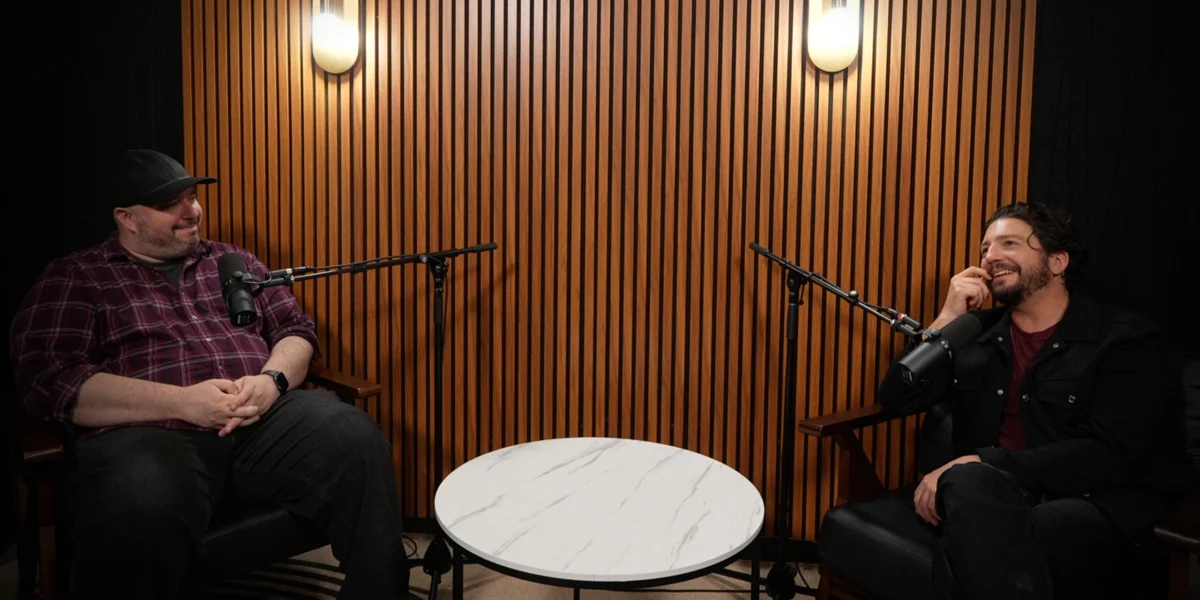
The release of Omaha provides an opportunity to reflect on John Magaro’s steady ascent within the film industry. Over the past two decades, Magaro has established himself as a mainstay of prestige independent cinema and character-driven studio projects. In a recent comprehensive career retrospective, Magaro detailed the trajectory that led him from early roles in genre films like Wes Craven’s My Soul to Take (2010) to becoming a preferred collaborator for some of the industry’s most distinct directorial voices.
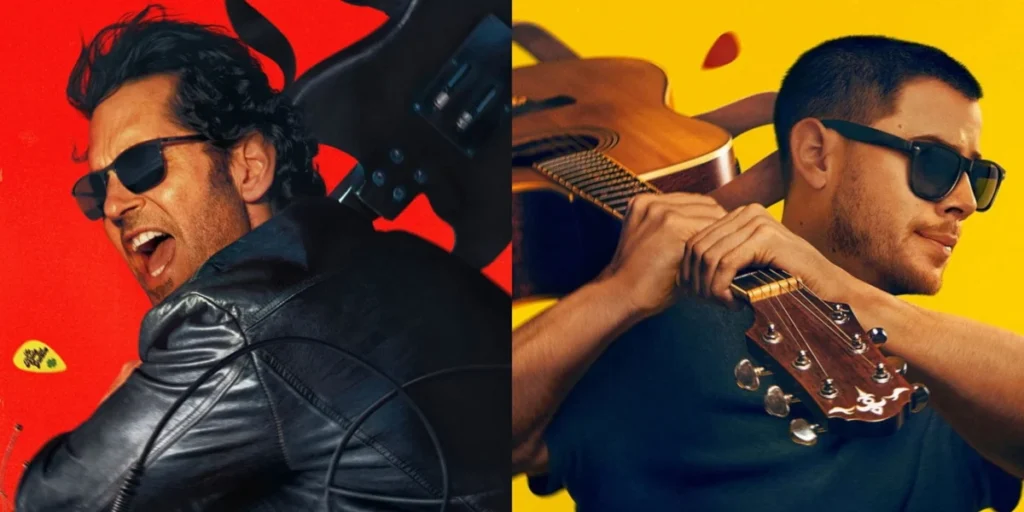
Magaro’s breakout is often traced back to David Chase’s Not Fade Away (2012), where he played a lead singer in a 1960s rock band. However, his standing in the industry reached new heights with the 2020 release of First Cow, directed by Kelly Reichardt. In that film, his portrayal of "Cookie" Figowitz earned him widespread acclaim for his ability to convey deep empathy through subtle gestures and silence—a skill set he has refined and brought to the forefront in Omaha.
The actor’s recent involvement in Past Lives (2023), directed by Celine Song, further solidified his reputation. Playing the role of Arthur, the husband of the film’s protagonist, Magaro was tasked with portraying a character who is neither a hero nor a villain, but a grounded, vulnerable human being. This performance was instrumental in the film’s journey to the Academy Awards, where it received a nomination for Best Picture. Magaro has noted that the success of Past Lives opened doors for more complex lead roles in films like September 5 and Omaha, where he is granted the space to carry the emotional weight of the entire production.
The Creative Collaboration: Webley and Machoian
The production of Omaha represents a synthesis of Cole Webley’s visual storytelling and Robert Machoian’s rigorous scriptwriting. Machoian has built a reputation for exploring the complexities of masculinity and the American family unit. His scripts often demand a high level of naturalism from actors, requiring them to exist in the "empty spaces" of a scene.
For Magaro, the process of making Omaha involved finding "truth in performance" within Machoian’s specific structural constraints. The film was shot with an emphasis on the practicalities of travel, using real locations to enhance the sense of displacement. This approach aligns with a broader trend in 2020s independent cinema toward "hyper-realism," where the artifice of Hollywood lighting and sound is stripped away to reveal the raw mechanics of human interaction.

Analysis of the Independent Film Market in 2025
The release of Omaha through Greenwich Entertainment occurs during what many industry analysts describe as a "confusing state" for the film industry. The mid-budget drama, once the staple of the theatrical market, now faces intense competition from streaming platforms and high-concept franchise cinema.
Greenwich Entertainment, a distributor known for its success with documentaries like Free Solo and high-quality indie dramas, has opted for a traditional theatrical rollout for Omaha. This strategy relies on the "Sundance bump"—the critical momentum generated at the festival—to drive audiences to theaters. Data suggests that while the overall box office for independent films has struggled to return to pre-2020 levels, there is a dedicated demographic for "prestige" dramas that offer a communal emotional experience.
Magaro has been vocal about the challenges facing his peers in the Screen Actors Guild (SAG). Reflecting on the industry’s current climate, he pointed to the increasing difficulty of securing funding for original stories that do not have built-in intellectual property. The success of Omaha is seen by many as a litmus test for whether character studies can still thrive in a landscape dominated by digital distribution.
Reaction to Recent Works and Industry Discourse
Beyond his work on Omaha, Magaro’s recent filmography has sparked significant discourse within the film community. His role in The Bride!, directed by Maggie Gyllenhaal, placed him at the center of a project that has elicited divisive reactions from critics and audiences alike. Magaro has defended the film’s bold creative choices, suggesting that the industry needs more "divisive" art to break the monotony of safe, algorithm-driven content.
Furthermore, Magaro’s perspective on the craft of acting has been influenced by his observations of his contemporaries. He has cited Timothée Chalamet’s recent SAG Award acceptance speech as a point of reflection for the acting community, particularly regarding the recognition of craft over celebrity. Magaro emphasizes that for independent film to survive, the focus must remain on the "truth" of the performance rather than the marketability of the performer.
Chronology of Production and Release
The timeline of Omaha highlights the typical journey of a modern independent masterpiece:
- Late 2023: Principal photography commences on location, utilizing various routes across the American Midwest to capture the authentic "road trip" aesthetic.
- Summer 2024: Post-production is completed, with a focus on a minimalist score and naturalistic sound design.
- January 2025: The film premieres at the Sundance Film Festival. It is immediately flagged as a standout in the U.S. Dramatic Competition.
- February 2025: Greenwich Entertainment acquires the distribution rights, citing the strength of Magaro’s performance as a primary draw.
- Spring 2025: The film begins its limited theatrical run in major metropolitan markets, followed by an expansion into regional theaters.
Broader Impact and Implications for the Genre
The critical success of Omaha suggests a renewed appetite for "slow cinema" that prioritizes character development over plot-driven spectacle. By focusing on the minutiae of a father-child relationship under duress, the film contributes to a growing body of work that examines the American psyche through the lens of domestic struggle.
For John Magaro, Omaha represents a graduation into the top tier of American dramatic actors. His ability to anchor a film that relies so heavily on internal monologue and subtle shifts in temperament has drawn comparisons to the great character actors of the 1970s New Hollywood era.
As the film industry continues to navigate the complexities of the post-pandemic era and the shifting preferences of audiences, Omaha stands as a testament to the enduring power of the independent voice. Its journey from a Sundance debut to a theatrical release serves as a blueprint for how thoughtful, low-budget dramas can still command a presence in the cultural conversation. The collaboration between Magaro, Webley, and Machoian has resulted in a work that not only explores the geography of the United States but also the internal map of a man trying to find his way back to his family after the unthinkable.