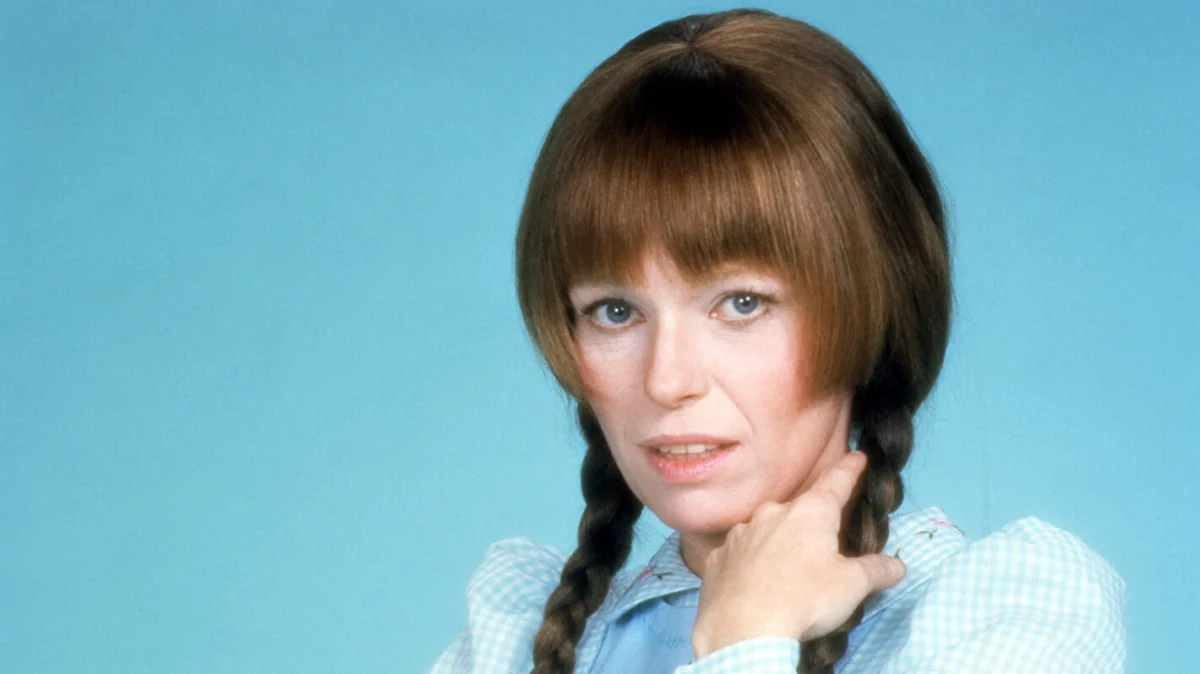
On April 11, 2026, Louise Lasser celebrates her 87th birthday, marking nearly seven decades of influence within the American performing arts. As a central figure in the experimental television landscape of the 1970s, Lasser’s contributions extend beyond mere performance; she was a foundational element in the development of meta-satire and the deconstruction of the traditional American sitcom. Best known for her titular role in the groundbreaking series Mary Hartman, Mary Hartman, Lasser’s career serves as a case study in the intersection of celebrity, psychological depth in acting, and the rigors of high-volume television production.
The Genesis of a Satirical Icon
Born in 1939 in New York City, Louise Marie Lasser was raised in an environment that valued intellectual and creative rigor. Her father, S. Jay Lasser, was a prominent tax expert and author, providing a stable, upper-middle-class backdrop that would later contrast sharply with the suburban anxieties she portrayed on screen. Lasser’s journey into the arts began at Brandeis University, though her professional trajectory was solidified in the vibrant New York theater and comedy scene of the 1960s.
Before becoming a household name, Lasser established herself as a formidable talent in both stage and film. Her early career is inextricably linked with that of filmmaker Woody Allen, to whom she was married from 1966 to 1970. During this period, she appeared in several of Allen’s most influential early works, including Take the Money and Run (1969), Bananas (1971), and Everything You Always Wanted to Know About Sex* But Were Afraid to Ask (1972). These roles allowed Lasser to hone a specific comedic persona: an intellectually sharp yet emotionally vulnerable woman navigating the absurdities of modern life. Her performance in Bananas, in particular, showcased her ability to handle rapid-fire dialogue and improvisational beats, skills that would prove essential for her later work in television.
The Mary Hartman Phenomenon: 1976–1977
The pinnacle of Lasser’s public visibility arrived in January 1976 with the premiere of Mary Hartman, Mary Hartman. Created by legendary producer Norman Lear, the show was a radical departure from the standard television fare of the era. Conceived as a parody of daytime soap operas, the series aired five nights a week in first-run syndication, a scheduling model that was virtually unprecedented for a scripted comedy-drama at the time.
Lasser portrayed Mary Hartman, a pigtailed Ohio housewife who found herself increasingly overwhelmed by the consumerist pressures of the 1970s and the surreal tragedies occurring in her town of Fernwood. The show tackled subjects that were considered taboo or too dark for traditional sitcoms, including mass murder, impotence, religious cults, and the pervasive influence of television advertising.
The production schedule was notoriously grueling. Lasser appeared in nearly every scene of the 325 episodes produced during her two-season tenure. This volume of work—equivalent to filming several feature-length movies every month—placed an enormous strain on the actress. Observers at the time noted that the line between Lasser and her character often seemed to blur, a testament to her immersive acting style and the relentless pace of the production. The "Mary Hartman" character became a cultural touchstone, appearing on the cover of Newsweek and becoming a subject of academic discussion regarding the "housewife syndrome" and the alienation of the American middle class.
Chronology of a Multi-Faceted Career
A review of Lasser’s professional timeline highlights a career characterized by both high-intensity bursts of fame and sustained periods of character-driven work:
- 1960s: Lasser builds a reputation on Broadway and in the New York cabaret scene. She receives a Tony Award nomination for her role in the musical Henry, Sweet Henry (1967).
- 1969–1972: Collaborations with Woody Allen establish her as a leading comedic actress in the burgeoning "New Hollywood" cinema.
- 1976–1977: Mary Hartman, Mary Hartman premieres. Lasser wins an Emmy nomination and becomes one of the most famous women in America. She famously hosts Saturday Night Live in 1976, an episode that remains a subject of debate among TV historians due to her erratic, in-character performance.
- 1977: Lasser departs Mary Hartman, Mary Hartman citing exhaustion. The show continues for one season without her as Forever Fernwood.
- 1980s–1990s: Lasser transitions into a respected character actress, appearing in films such as Stardust Memories (1980) and Crimson Tide (1995), and guest-starring on television series like It’s a Living and Taxi.
- 2000: Lasser delivers a critically acclaimed performance in Darren Aronofsky’s Requiem for a Dream, playing a friend to Ellen Burstyn’s character. This role introduced her to a new generation of cinephiles.
- 2014–2015: Lasser returns to the spotlight with a recurring role in Lena Dunham’s HBO series Girls, playing a character that many critics viewed as a spiritual successor to her earlier satirical work.
- Present: Lasser continues to focus on her acting studio in New York, passing on her techniques to a new generation of performers.
Supporting Data and Production Metrics
The impact of Mary Hartman, Mary Hartman can be quantified through its unique production and viewership data. At its peak, the show was cleared in over 100 markets through syndication, often beating network news or late-night talk shows in the ratings.
- Volume: In just 18 months, Lasser filmed 325 episodes. For comparison, a standard modern television season consists of 10 to 22 episodes.
- Market Reach: Despite being rejected by the three major networks (ABC, CBS, and NBC) for being "too weird," the show reached an estimated 80% of U.S. households through independent stations.
- Critical Reception: During its first year, the show received widespread critical acclaim, earning a Peabody Award for its "highly innovative" approach to the soap opera genre.
Lasser’s departure in 1977 led to a significant drop in viewership for the rebranded series, highlighting that her specific performance was the primary driver of the show’s success. Industry analysts at the time estimated that Lasser’s presence was worth a 30% premium in syndication ad rates.
Impact on Television and Performance Art
The legacy of Louise Lasser is found in the DNA of contemporary "cringe comedy" and surrealist television. Shows like Twin Peaks, Arrested Development, and Portlandia owe a debt to the tone established by Lasser in the mid-70s. Her portrayal of Mary Hartman broke the "fourth wall" of emotional realism; she played the character with a glazed, hypnotic intensity that suggested a woman perpetually on the verge of a nervous breakdown—a precursor to the modern "unreliable narrator."
Norman Lear, reflecting on Lasser’s contribution in later years, noted that no other actress could have navigated the tonal shifts required for the role. "Louise brought a sense of the ‘found object’ to acting," Lear remarked in an industry retrospective. "She wasn’t just delivering lines; she was manifesting a state of being."
Industry reactions to her 87th birthday have emphasized her role as a pioneer for women in television. By demanding a high level of creative control and refusing to adhere to the "happy housewife" tropes of the era, Lasser paved the way for future writer-performers. Her influence is particularly visible in the work of Lena Dunham and Natasha Lyonne, both of whom have cited Lasser’s ability to find humor in profound discomfort as a major inspiration.
Broader Implications and Recent Years
In her later years, Lasser has largely stepped away from the frenetic pace of Hollywood, focusing instead on the Louise Lasser Acting Studio in New York City. Her pedagogical approach emphasizes the "internal monologue" and the psychological truth behind the text, a method she refined during the high-pressure days of daily television production.
The continued relevance of her work is evidenced by the digital resurgence of Mary Hartman, Mary Hartman on streaming platforms and DVD box sets. Modern audiences find the show’s critique of consumer culture—symbolized by Mary’s obsession with "yellow waxy buildup" on her kitchen floor—to be remarkably prescient in the age of social media and influencer culture.
As Louise Lasser reaches the age of 87, she remains a singular figure in American entertainment. She represents a bridge between the classic comedic traditions of the mid-20th century and the avant-garde, self-aware media of the 21st. Her career serves as a reminder of the power of television to challenge social norms and the enduring value of a performance that dares to be both deeply strange and profoundly human. Her birthday serves as an opportunity for both the industry and the public to acknowledge a talent that fundamentally altered the trajectory of the American sitcom.