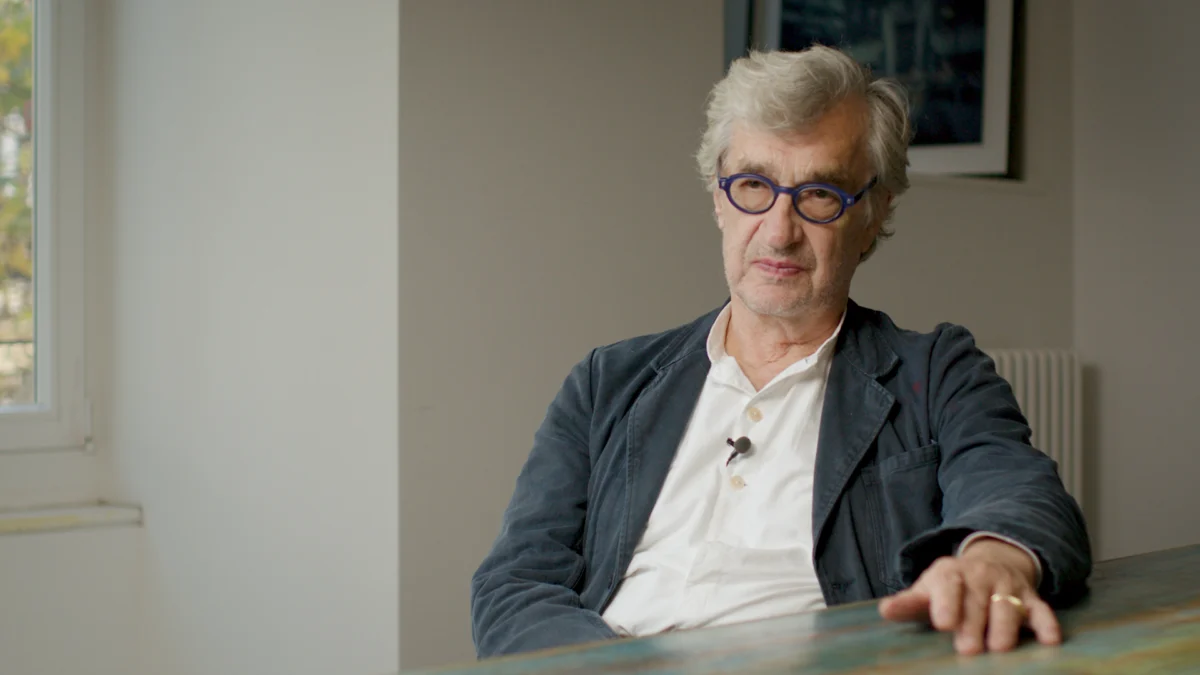
Filmmaker and acclaimed film scholar Lúcía Nagib’s passion project documentary, "Films to Die For," offers a profound contextualization of a period historically gripped by profound anxieties regarding the potential "Death of Cinema." This existential dread, once a prominent source of fear within the expansive landscapes of both Hollywood and the independent film scene, is meticulously explored in Nagib’s work. The documentary, an integral part of the MINT Chinese Film Festival’s esteemed Cinephilia Encounters strand, was screened alongside two seminal classics: Laura Mulvey and Peter Wollen’s collaborative avant-garde masterpiece "Riddles of the Sphinx" (1977) and "Tango Berlin" (1997). The Cinephilia Encounters strand itself is dedicated to championing the "transnational culture of cinephilia," underscoring the global interconnectedness of film appreciation and study.
Historical Echoes of Cinema’s Demise: A Recurring Anxiety
The notion of the "death of cinema" is not a novel concept; it is a recurring anxiety that has periodically haunted the film industry since its nascent stages. Each technological shift, from the advent of television in the mid-20th century to the rise of home video (VHS, Betamax, DVD) in the latter half, and more recently, the ubiquitous proliferation of digital streaming platforms, has been met with pronouncements of cinema’s impending obsolescence. In the 1950s, the widespread adoption of television sets in American households led to a dramatic decline in cinema attendance, prompting studios to innovate with widescreen formats (CinemaScope, Cinerama), 3D technologies, and more extravagant productions to lure audiences back into theaters. Similarly, the 1980s saw the home video market boom, leading to another wave of apprehension about the theatrical experience. Critics and industry insiders alike pondered whether the intimate, communal ritual of watching a film in a darkened theater could survive the convenience of in-home viewing.
Nagib’s documentary specifically zeroes in on a particular period when these fears were acutely felt, providing a critical lens through which to understand the socio-political undercurrents that shaped cinematic discourse. This era, characterized by rapid changes in production, distribution, and consumption, fueled a profound introspection within the film community about its very purpose and future. The film meticulously unpacks how these anxieties manifested, not just as economic concerns, but as deeper cultural worries about the loss of an art form central to identity and expression.
A Scholar’s Vision: Lúcía Nagib and "Films to Die For"
Lúcía Nagib, a distinguished film scholar who has transitioned into filmmaking, brings a unique academic rigor and passionate insight to "Films to Die For." Her background as a scholar, deeply immersed in film theory, history, and international cinema, allows the documentary to transcend mere historical recounting, instead offering a sophisticated theoretical framework. This scholarly foundation is evident in the film’s structure and its analytical depth, making it more than just a historical survey but a philosophical inquiry into the nature of cinema itself. Nagib’s transition from academia to active filmmaking underscores a commitment to translating complex theoretical concepts into accessible and engaging cinematic narratives, bridging the gap between critical analysis and creative expression. Her previous academic work often explores global cinema, film aesthetics, and the relationship between film and national identity, all themes that resonate strongly within "Films to Die For."
Cinephilia Encounters: A Global Dialogue
The MINT Chinese Film Festival’s Cinephilia Encounters strand, under which "Films to Die For" was screened, serves as a vital platform for fostering and celebrating the "transnational culture of cinephilia." This initiative highlights the universal language of cinema and the shared passion for film across diverse cultures and geographies. By pairing Nagib’s contemporary documentary with historical touchstones like Mulvey and Wollen’s "Riddles of the Sphinx" and "Tango Berlin," the strand creates a rich dialogue between past and present, theory and practice.
"Riddles of the Sphinx" (1977), co-directed by the seminal feminist film theorist Laura Mulvey and artist Peter Wollen, is a groundbreaking work of experimental cinema. It challenges conventional narrative structures and patriarchal gaze, aligning perfectly with the theoretical underpinnings explored in Nagib’s documentary. Its inclusion underscores the enduring relevance of critical theory in understanding cinematic history and its evolution. "Tango Berlin" (1997), while perhaps less universally known, likely offers another crucial perspective on independent or international cinema, further enriching the strand’s exploration of diverse cinematic traditions and their contributions to the global cinephile landscape. The juxtaposition of these films invites audiences to consider how anxieties about cinema’s future have been addressed through various artistic and critical responses over decades.
Voices of Resilience: Industry Titans Reflect
Central to "Films to Die For" are the compelling testimonies from an array of industry legends whose careers have spanned significant periods of cinematic evolution and disruption. Their insights provide firsthand accounts of the challenges and transformations faced by the industry, offering a multi-faceted perspective on cinema’s resilience.
Wim Wenders: Navigating Hollywood’s Labyrinth
German auteur Wim Wenders, renowned for films like "Paris, Texas" (1984) and more recently "Perfect Days" (2023), contributes significantly to the documentary. His "ambivalent" relationship with Hollywood is a recurring theme. Wenders, a key figure in the New German Cinema movement, often found himself grappling with the commercial pressures and artistic compromises inherent in the American studio system. His early career saw him mentored by Francis Ford Coppola, a period of both immense learning and creative tension. Coppola, himself a titan of American cinema who experienced the peaks and troughs of studio influence, provided Wenders with a unique vantage point into the complexities of filmmaking on a larger scale. This mentorship, while fostering growth, also highlighted the cultural and aesthetic differences between European auteur cinema and Hollywood’s more commercialized approach. Wenders’s reflections shed light on the constant struggle to maintain artistic integrity within an industry often driven by market forces, a struggle that becomes particularly acute when the very survival of cinema is questioned.
Paulo Branco & Walter Salles: Champions of Independent Vision
The documentary also features Portuguese producer Paulo Branco and Brazilian director Walter Salles. Branco, known for his prolific work on challenging, auteur-driven films like David Cronenberg’s "Cosmopolis" (2012) and Raúl Ruiz’s "The Captive" (2000), represents the unwavering commitment to independent cinema. His career is a testament to the viability and artistic necessity of producing films outside the mainstream studio system, often championing voices that might otherwise be unheard. His perspective likely emphasizes the enduring power of artistic freedom and the crucial role of independent producers in safeguarding diverse cinematic expression.
Walter Salles, whose filmography includes acclaimed works such as "The Motorcycle Diaries" (2004) and "I’m Still Here" (2010), offers a Latin American perspective on cinema’s global reach and thematic depth. Salles’s films often explore themes of journey, identity, and social commentary, demonstrating how cinema serves as a powerful medium for cross-cultural understanding and exploration. His testimony likely reinforces the idea that cinema’s vitality lies in its capacity for global storytelling and its ability to connect diverse audiences.
Laura Mulvey: Pioneering Critical Theory
Perhaps one of the most intellectually significant contributors is pioneering film critic and theorist Laura Mulvey. Best known for coining the term "male gaze" in her groundbreaking 1975 essay "Visual Pleasure and Narrative Cinema," Mulvey fundamentally reshaped film studies and feminist theory. Her work provided a critical framework for understanding how patriarchal structures are embedded within cinematic representation, influencing generations of scholars and filmmakers. Her insights in "Films to Die For" undoubtedly provide a crucial theoretical anchor, connecting the historical anxieties about cinema’s death to deeper questions about spectatorship, power dynamics, and the very function of moving images in society. Mulvey’s continued engagement with film theory and practice underscores the intellectual resilience of cinema as a subject of critical inquiry.
The Unforeseen Revival: Indie Cinema’s Modern Renaissance
Despite the historical investigations into cinema’s potential demise, Nagib’s documentary implicitly celebrates a contemporary reality: cinema is not only alive but, in many respects, thriving. The narrative shifts from past anxieties to the current landscape, particularly highlighting the remarkable renaissance of independent cinema in recent years. This resurgence is largely attributed to innovative production companies like A24, which have revolutionized the independent film market.
A24, founded in 2012, quickly established itself as a beacon for auteur-driven, creatively audacious projects, offering filmmakers almost total creative freedom. This model has led to a string of critical and commercial successes, including Oscar-winning films like "Moonlight," "Lady Bird," "Everything Everywhere All at Once," and "The Whale." A24’s strategy contrasts sharply with the traditional studio model, which often prioritizes marketability and franchise potential over artistic vision. By empowering filmmakers and fostering a distinctive brand identity synonymous with quality and originality, A24 has demonstrated that there is a significant audience for nuanced, challenging, and artistically ambitious cinema. This success story serves as compelling evidence that the "death of cinema" was, in fact, a misdiagnosis, and that adaptability and a renewed focus on creative integrity can ensure its longevity. The rise of companies like A24 also indicates a broader industry shift, where streaming platforms, while initially perceived as a threat, have also created new avenues for distribution and exhibition, allowing a wider array of films to reach global audiences. Data from industry reports consistently show that while blockbuster franchises dominate the multiplexes, independent and international films are finding increasingly diverse and engaged audiences through festivals, specialized distributors, and streaming services.
Theoretical Frameworks: Spectatorship, Authorship, and Meaning
Beyond historical recounting, the documentary provides a rich historical and theoretical lens on fundamental aspects of cinema: spectatorship, authorship, and the art of cinema as a whole. It delves into how the evolving landscape of film production and consumption impacts these concepts. How does the audience engage with film in an era of fragmented viewing experiences? What constitutes authorial voice when collaborative processes are increasingly complex? And how do these shifts redefine the very essence of cinema as an art form? The film invites viewers to critically examine these questions, drawing upon decades of film theory to illuminate contemporary challenges and opportunities. By exploring visual and auditory homages to international cinema and B-movies, Nagib’s work also celebrates the diverse tapestry of film history, emphasizing that all forms of cinematic expression contribute to its richness and resilience.
Cinema as a Cultural Imperative
The documentary powerfully articulates the profound cultural and human significance of cinema. As the film beautifully states, the death of cinema means "a death of country, a death of culture, a death of people." This evocative declaration underscores cinema’s role as more than mere entertainment; it is an essential outlet for artistic expression, a mirror reflecting collective identity, and a crucial vehicle for cultural exchange. Without the art of cinema, humanity loses a vital means to explore new worlds, understand different cultures, and discover unadulterated meaning in a complex existence. For countless individuals, cinema offers an unparalleled chance to transcend geographical boundaries, engage with diverse perspectives, and confront existential questions. It provides empathy, challenges preconceptions, and records history. The documentary posits that a world devoid of cinema would be a world impoverished, lacking a fundamental dimension of human experience and connection. This sentiment resonates deeply with cinephiles and cultural commentators worldwide, emphasizing cinema’s irreplaceable role in the global artistic and intellectual landscape.
The MINT Chinese Film Festival and Emerging Voices
This comprehensive review of "Films to Die For" was penned as part of the 2026 MINT Emerging Critics Scheme, an initiative presented by the MINT Chinese Film Festival in partnership with Asian Movie Pulse. The scheme is designed to nurture and elevate new voices in film criticism, providing aspiring critics with a platform to engage deeply with contemporary cinema and contribute to its discourse. Such programs are vital for the continued health of film culture, ensuring that critical engagement evolves alongside the art form itself. The MINT Chinese Film Festival, through its diverse programming and commitment to fostering critical talent, plays a crucial role in promoting global cinema and expanding its appreciation. Further reviews from this year’s festival program, offering a broad spectrum of critical perspectives, can be accessed at unicornscreening.com.
In conclusion, Lúcía Nagib’s "Films to Die For" is not merely a historical retrospective but a vibrant affirmation of cinema’s enduring power. It meticulously dissects the historical anxieties surrounding its potential demise, only to ultimately celebrate its miraculous survival and contemporary flourishing. By weaving together scholarly insight, industry testimonies, and profound cultural reflections, the documentary serves as a timely reminder of why cinema continues to captivate, challenge, and connect audiences across the globe, proving that the art of the moving image is far from dead—it is, in fact, continually reborn.