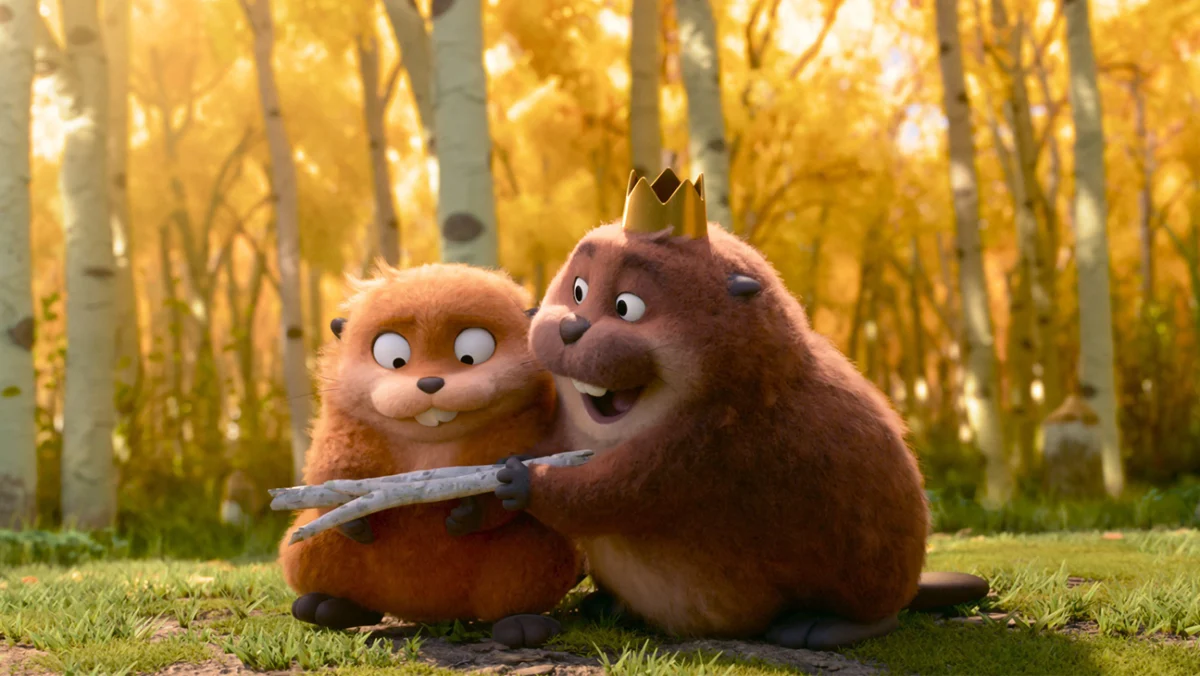
Despite the recent critical acclaim and pleasing box office performance of its original comedy Hoppers, offering a renewed sense of optimism for the Disney-owned animation studio, Pixar finds itself embroiled in a fresh debate concerning the revelation of a deeply developed feature film, Be Fri (styled as BeFri), that was ultimately scrapped in late 2023. This decision has sent ripples of concern through the animation community and among Pixar’s own ranks, prompting discussions about the studio’s creative autonomy, its response to perceived public sentiment, and Disney’s overarching corporate strategy in a challenging market.
The Unseen Epic: The Story of "Be Fri"
Be Fri was not a nascent concept but a project that had been actively in development for three years, involving a dedicated team of approximately 50 individuals. Its cancellation, first confirmed by The Wall Street Journal on the opening day of Hoppers last month, stunned many within Pixar. Historically, the studio has been renowned for its commitment to shepherding troubled productions through extensive reworks, famously exemplified by the transformation of the 2012 release Brave from a complex early vision into a successful Oscar-winning film. The abrupt halt of Be Fri thus represents a departure from this established pattern, potentially marking it as the longest-developed Pixar movie to meet such a fate.
At the heart of Be Fri was the vision of director Kristen Lester, an acclaimed talent recognized for helming Pixar’s 2019 short film Purl. Purl, a poignant and humorous exploration of workplace gender dynamics, showcased Lester’s ability to tackle complex social themes with warmth and wit. Be Fri was similarly rooted in personal experience, drawing inspiration from Lester’s own adolescent friendship that fractured over time. The narrative was designed to explore the intricate emotional landscape of two teenage girls, once inseparable "besties," who find their bond tested as they drift apart. The fantastical element of the plot introduced a "Sailor Moon"-style TV show that turns out to be real, thrusting the protagonists into a universe-spanning quest to save humanity. This premise promised a blend of relatable coming-of-age drama with exhilarating action and fantasy, a hallmark of many beloved animated features.
Joining Lester in the core creative team were writer Blaise Hemingway, whose credits include the live-action family film Clifford the Big Red Dog (2021), and editor Nicholas C. Smith, a veteran who retired from Pixar in 2024 after nearly two decades with the company. This team, comprising experienced storytellers and technical artists, had invested significant creative capital into bringing Be Fri to life, shaping its narrative, visual style, and emotional core through countless hours of conceptualization, storyboarding, and iteration.
A Tumultuous Development Journey
The journey of Be Fri through Pixar’s rigorous development pipeline was anything but smooth. According to a former Pixar employee who worked on the project and spoke anonymously to The Hollywood Reporter, the film underwent four distinct iterations, each one a response to various sets of notes from higher-ups at both Pixar and Disney. This iterative process is standard for Pixar, where films evolve through multiple "Braintrust" meetings—critique sessions involving the studio’s top creative minds. The Braintrust is a unique and often lauded aspect of Pixar’s creative culture, designed to push stories to their absolute potential through candid feedback and collaborative problem-solving. A typical Pixar film might go through six such Braintrust check-ins during its evolution.
Be Fri had reached a critical juncture, having progressed through its third Braintrust meeting (BT3) and reportedly nearing readiness for the animation stage when Disney decided to intervene. The studio brass, seemingly dissatisfied with the film’s direction, requested a major retooling. This demand came despite the team’s extensive efforts, pushing Lester, Hemingway, and editor Smith, along with a few board artists, into an intense six-week period of reformatting. The former staffer recounted, "Kristen and Blaise made the case to Disney: ‘We know you don’t like where the film is at right now. Give us six weeks, and we’ll redo the entire film.’" This compressed timeline saw them attempting to condense a year’s worth of typical animated feature pre-production storyboarding into an incredibly demanding six weeks, working "night and day, seven days a week" to craft a fourth version of the film.
Evidence of Be Fri‘s potential and its advanced state of development surfaced in rough versions of selected scenes that made rounds on social media. These snippets hinted at the evolving tension between the two protagonists, showcasing a sequence depicting them in a car, pursued by an angry demon—a glimpse into the adventurous, high-stakes world the team was building. The dedication and effort poured into this final, frantic re-envisioning were immense, leaving many to wonder why, after such an extraordinary push, the project was ultimately deemed unviable.
The Stated Rationale: "No Girl Power"?

The anonymous former staffer, though not present for Disney’s final feedback session, relayed accounts from colleagues, expressing astonishment at the quality of the footage produced by the Be Fri team’s Herculean effort. "It was on Hoppers‘ level," the individual claimed, suggesting the film had achieved a standard comparable to Pixar’s recently successful original. The bewildering reason for its ultimate rejection, as conveyed by Disney representatives, was allegedly a concern that "little boys could see themselves in the film enough." The former staffer concluded, "Basically, Disney reps were like, ‘We can’t have a girl power movie.’"
This alleged rationale stands in stark contrast to recent triumphs within Disney and Pixar’s own portfolio. The 2024 blockbuster Inside Out 2, a Pixar film centering on a teenage girl’s emotional journey, shattered box office records, becoming the highest-grossing animated movie of all time globally, with revenues exceeding $1.6 billion. Similarly, Turning Red, a 2022 Pixar film that debuted on Disney+ and explored themes of female puberty, intergenerational relationships, and cultural identity, garnered widespread critical acclaim and strong viewership numbers. These successes demonstrate a clear appetite for female-led stories that resonate with diverse audiences, including, by extension, young male viewers who engage with well-crafted narratives regardless of protagonist gender. The purported hesitancy to embrace a "girl power movie" raises questions about internal biases and a potentially misjudged perception of the market for such content within Disney’s executive circles.
Broader Context: A Shifting Landscape at Disney and Pixar
The cancellation of Be Fri did not occur in a vacuum; it is part of a series of internal decisions and public statements that paint a picture of a studio grappling with evolving corporate directives and external pressures. The decision to halt Be Fri came in late 2023, just months after the Toy Story prequel Lightyear suffered a significant box office misfire, grossing only $226 million worldwide against a production budget of $200 million. This underperformance was widely attributed, in part, to a controversy ignited by right-wing pundits over a brief same-gender kiss featured in the film. The backlash, amplified across social media and conservative media outlets, was seen by some as a contributing factor to the film’s commercial struggles, particularly in certain international markets.
Around the same period, another Pixar original, the sci-fi feature Elio, underwent a significant reconfiguration. Originally conceived with "queer-coded characterization" for its titular lonely boy protagonist who longs to visit space, these elements were reportedly stripped away from the narrative. While specific details of the changes remain internal, the timing of this creative shift, following the Lightyear controversy, suggested a cautious approach by the studio towards potentially sensitive themes.
Adding to the public discourse, Pixar boss Pete Docter made headlines in a 2024 interview where he stated the studio should aim to make the "most relatable films" possible. While Docter’s comments could be interpreted as a call to return to universal human themes that have historically defined Pixar’s success, many social media users and industry observers perceived it as a subtle directive to move away from stories centered on underrepresented characters and voices. This perception has fueled concerns that Pixar, once celebrated for its boundary-pushing narratives and diverse storytelling, might be retreating into a more conservative creative space, prioritizing broad appeal over specific representation.
These events collectively suggest a broader strategic realignment within Disney, particularly under the renewed leadership of CEO Bob Iger. Facing significant financial pressures, including ongoing challenges in its streaming division and a fluctuating box office landscape, Disney has increasingly emphasized profitability, cost-cutting, and a focus on proven intellectual properties. This corporate environment may be fostering a more risk-averse approach to original content, particularly for projects that might be perceived as having niche appeal or attracting cultural controversies. The balancing act between artistic integrity and commercial viability has always been a tension in Hollywood, but current pressures seem to be tipping the scales heavily towards the latter.
Employee Morale and Industry Reaction
The cancellation of Be Fri had a profound emotional impact on the dedicated team who poured their creative energy into the project. The former staffer described the devastation, recalling how employees came together for what amounted to a "funeral" for Be Fri at the studio. This memorial featured a designated space for notes and cherished items, adorned with art that honored the film. "There was this outpouring of love for a project that everybody really wanted to see come to life," the staffer lamented, illustrating the deep personal investment and collective grief within the team.
Such incidents inevitably take a toll on employee morale and can raise questions about talent retention. Another former Pixar staffer, also speaking anonymously, voiced a broader disappointment among employees that the studio appears to allow concerns about public perception to dictate creative decisions on films like Elio and Be Fri. This individual stated, "the joke around Pixar" is that leadership "has no spine at all," a scathing critique of what is perceived as a lack of conviction in defending creative visions against external pressures. A representative for Pixar declined to comment on the story, maintaining the studio’s official silence on internal matters.
Industry analysts are likely observing these developments closely. While Disney’s cautious approach might be seen as a pragmatic response to market volatility and "culture war" challenges, it risks alienating creative talent and stifling the innovation that has historically defined Pixar. The animation industry thrives on bold ideas and diverse narratives, and a perception of creative timidity could ultimately harm the studio’s long-term reputation and its ability to attract the best storytellers and artists.

The Road Ahead: Originals vs. Franchises
Despite the internal turmoil, Pixar does have reasons for optimism regarding the state of its original projects. The success of Hoppers provides a much-needed morale boost and a strong signal that original, non-franchise films can still thrive. Hoppers, a poignant and humorous story about a family of grasshoppers on a perilous migration, earned sterling reviews, with critics praising its innovative animation, emotional depth, and timely themes. Its global box office haul, surpassing $330 million, represents a significant win, especially after the initially slow start of 2023’s Elemental (though Elemental eventually achieved a small profit after strong word-of-mouth). This success offers hope for future originals, such as next year’s Gatto, a project whose reception will be closely scrutinized for further indications of Pixar’s creative direction and market viability for new stories.
Concurrently, the studio continues to lean heavily on its established, Oscar-winning franchises. Director Andrew Stanton’s Toy Story 5 is slated to hit theaters this June, and it is widely anticipated to be another colossal smash for the beloved series. Films like Toy Story 5 offer Disney a near-guarantee of massive box office returns, providing financial stability amidst the risks associated with launching new intellectual properties. This dual strategy—tentatively supporting originals while heavily relying on proven franchises—underscores the complex commercial realities facing major animation studios today.
The "KPop Demon Hunters" Parallel
Perhaps the most stinging irony for those mourning Be Fri comes in the form of KPop Demon Hunters. Over the past 12 months, this animated feature, which originated at Sony Pictures Animation but debuted directly on Netflix via a first-look deal, generated unprecedented buzz. KPop Demon Hunters became Netflix’s most-watched title ever and, notably, beat out Pixar’s Elio to win this year’s animated feature Academy Award.
The former Pixar staffer who worked on Be Fri found the comparisons between the canceled project and KPop Demon Hunters "pretty undeniable." The Netflix film, featuring a diverse cast of young women who battle demons using K-Pop inspired powers, resonated deeply with audiences for its vibrant animation, engaging characters, and themes of female empowerment, friendship, and overcoming adversity—themes remarkably similar to those envisioned for Be Fri, including musical aspects. "I can imagine that whoever at Disney denied Be Fri to exist looks at KPop and is kicking themselves like, ‘Shit, I can’t believe Netflix is doing exactly what we wanted to do,’" the individual speculated.
This parallel highlights a stark difference in risk appetite and strategic vision between traditional studios and streaming platforms. While Disney, under pressure, might be shying away from perceived "girl power" narratives or stories with potential for cultural backlash, platforms like Netflix are actively investing in and succeeding with precisely such content. KPop Demon Hunters‘ monumental success serves as a powerful testament to the commercial and critical viability of diverse, female-led, fantastical stories that resonate globally. It underscores a potential missed opportunity for Pixar and Disney, raising critical questions about their responsiveness to evolving audience demands and the competitive landscape of modern animation.
Implications for Pixar’s Creative Future
The cancellation of Be Fri and the surrounding context present significant long-term implications for Pixar’s creative future. Will the studio continue to prioritize a narrow definition of "relatability" over the rich tapestry of diverse storytelling it once championed? How will these strategic decisions affect its ability to attract and retain the top creative talent that has historically defined its success? The perception of a "spineless" leadership, combined with a willingness to scrap deeply developed original projects based on potentially conservative market assessments, could deter innovative storytellers seeking a platform for bold ideas.
In an increasingly competitive animation landscape, where streaming services and other studios are actively embracing diverse narratives and pushing creative boundaries, a retreat into formulaic or overly cautious storytelling could ultimately diminish Pixar’s unique brand identity. The tension between artistic vision and commercial imperative is a constant in Hollywood, but the case of Be Fri brings into sharp focus the profound consequences when commercial pressures are perceived to overshadow the creative spirit, potentially altering the very essence of what makes Pixar a beloved and groundbreaking animation powerhouse. The success of Hoppers offers a glimmer of hope, but the shadow of Be Fri‘s untimely demise continues to loom, prompting an urgent introspection into the creative soul of the studio.