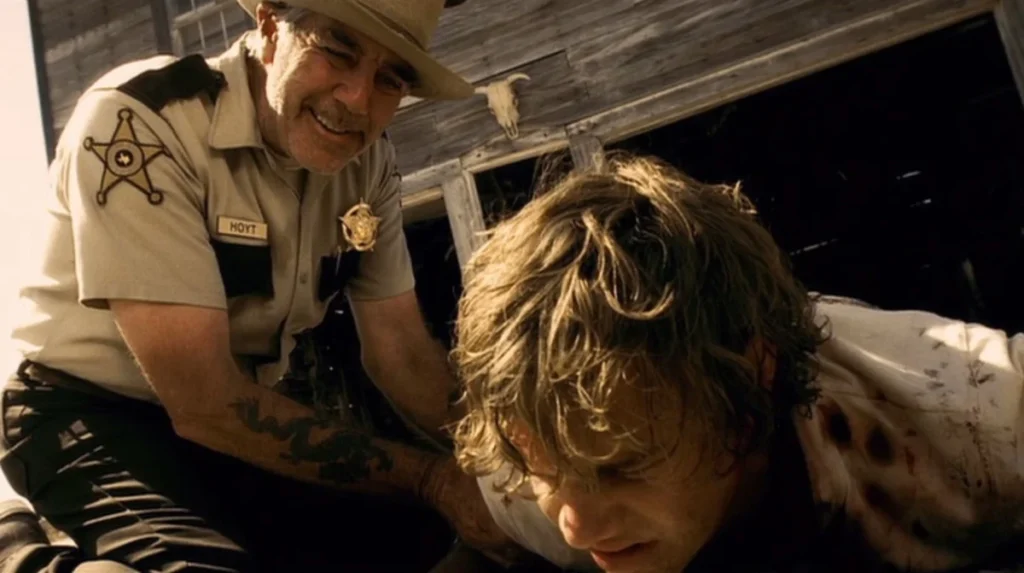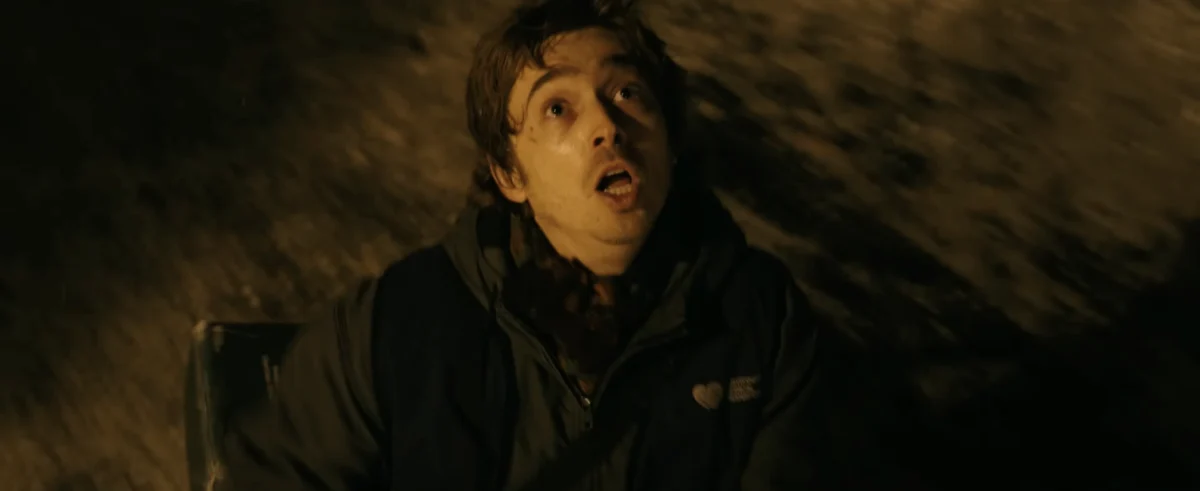
The highly anticipated trailer for director Zach Cregger’s upcoming Resident Evil film dropped earlier this morning, offering a visceral glimpse into a project that appears poised to fulfill long-held desires of franchise fans: a return to the survival horror roots that defined the original video games. Early reactions suggest the film embraces the core tenets of the series, including intense action, copious gore, and the introduction of genuinely terrifying creatures. For years, audiences have yearned for a cinematic adaptation that not only pays homage to the beloved game franchise but also delivers a compelling and satisfying horror experience. Cregger, in a recent interview with IGN, has articulated a clear vision for the film, indicating a deep commitment to honoring the source material and prioritizing fan expectations.
A Director’s Vision: Honoring the Game’s Essence
Cregger’s commitment to authenticity is underscored by his own words, as quoted in the IGN interview. He stated, "What’s important to me, that I’m honouring from the games, is the narrative structure and following one character from point A to point B, and the concern with resource management, ammunition conservation. We start with a pistol, we graduate to a shotgun, we graduate to an MP5, and things are just getting progressively more intense, and we’re encountering weirder and weirder monsters." This statement directly addresses a critical element that many previous Resident Evil film adaptations have struggled to capture: the palpable sense of vulnerability and strategic gameplay that characterized the early installments of the video game series.
The emphasis on a linear progression of narrative and the gradual escalation of both threat and weaponry is a hallmark of the Resident Evil experience. Players typically begin with minimal resources, facing immediate, unsettling threats that demand careful consideration of every bullet. This careful calibration of risk and reward, where every encounter carries significant weight due to limited ammunition, is a foundational pillar of the game’s enduring appeal. Cregger’s intention to translate this gameplay loop into cinematic language suggests a deliberate effort to evoke the same feelings of dread, tension, and strategic engagement that have captivated millions of players worldwide.
Visualizing the Terror: Trailer Breakdown and Creature Design
The trailer itself provides a visual roadmap of Cregger’s approach. Audiences witness Austin Abrams’ character, Bryan, initially confronting familiar zombie threats. This slow burn of escalating horror then introduces more grotesque and unsettling entities, including what appears to be a formidable, Baron Harkonnen-esque creature lurking in subterranean environments, and a nightmarish abomination emerging from a secluded cabin. This visual progression mirrors the classic Resident Evil formula, where the initial scares give way to increasingly formidable and bizarre biological horrors.
The mention of resource management and the progression of weaponry—from a basic pistol to a shotgun and then an MP5—is not merely a nod to the games; it’s a promise of a narrative arc that mirrors the player’s journey. For fans, the hope is that Bryan’s arsenal will eventually include the iconic rocket launcher, a staple of the Resident Evil universe that signifies overcoming the most insurmountable odds. Cregger’s comments and the trailer’s content suggest a deep understanding of what makes the franchise resonate, hinting that this iteration might finally deliver the "Resident Evil film we deserve."
Background Context: A Troubled Cinematic Legacy
The Resident Evil film franchise, which began in 2002 with Paul W.S. Anderson’s directorial debut, has a complex and often divisive history. While the initial films, starring Milla Jovovich as Alice, achieved considerable box office success, they gradually diverged from the established lore and tone of the video games. The series evolved into a more action-oriented spectacle, often prioritizing elaborate fight sequences and a distinct narrative that deviated significantly from the survival horror origins.
The original games, particularly Resident Evil (1996) and Resident Evil 2 (1998), are lauded for their atmospheric tension, intricate puzzles, and the psychological impact of their creature design. They established the Raccoon City disaster as a backdrop for a narrative steeped in corporate conspiracy, bio-weaponry, and the desperate struggle for survival against infected populations and mutated horrors. Subsequent game installments, such as Resident Evil 4 (2005), Resident Evil 5 (2009), and Resident Evil 7: Biohazard (2017), have seen the series evolve, with Resident Evil 7 and Resident Evil Village (2021) marking a significant return to its horror roots.
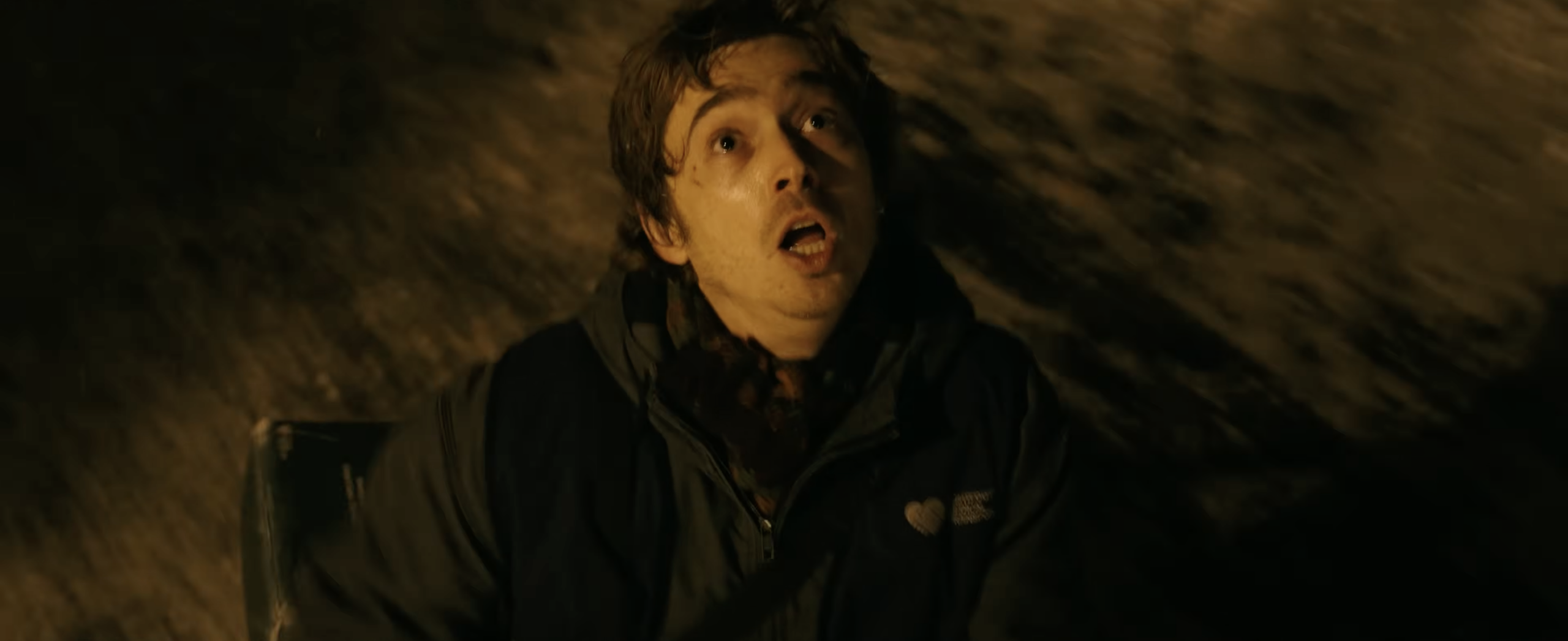
Cregger’s approach, as evidenced by his statements and the trailer’s presentation, appears to be a conscious effort to course-correct and re-align the cinematic universe with the foundational elements that made the games a global phenomenon. This strategic pivot is a response to years of fan feedback and a growing demand for a more faithful adaptation.
Thematic Depth: Survival and Resource Management
The explicit mention of "concern with resource management, ammunition conservation" by Cregger is a critical detail for long-time fans. This aspect of the games is not merely about scarcity; it’s a fundamental gameplay mechanic that dictates player behavior and heightens tension. Every decision—whether to fight or flee, to use a precious bullet or conserve it, to explore a dangerous area for potential supplies—is imbued with consequence. This level of strategic depth is what differentiates Resident Evil from more conventional action-horror fare.
The trailer’s depiction of Abrams’ character facing escalating threats suggests that this principle will be woven into the fabric of the film’s narrative. The initial encounters with zombies, followed by more formidable monsters, imply a progression that forces Bryan to adapt and make difficult choices regarding his limited ammunition. The eventual acquisition of more powerful weaponry, such as the shotgun and MP5, signifies not just an increase in firepower but a narrative progression that reflects a character’s growth and adaptation in the face of overwhelming adversity. This careful pacing and the emphasis on the struggle for survival are crucial for recapturing the essence of the original games.
Casting and Character Focus
Austin Abrams, known for his roles in Euphoria and Chemical Hearts, takes on the central role of Bryan, a medical courier thrust into a catastrophic scenario. The film’s narrative structure, as described by Cregger, will focus on Bryan’s journey from point A to point B, emphasizing his individual struggle for survival. This character-centric approach is a departure from some of the ensemble-driven narratives of past films and aligns more closely with the early Resident Evil games, which often followed specific protagonists like Chris Redfield, Jill Valentine, and Leon S. Kennedy through harrowing ordeals.
The supporting cast includes notable actors such as Paul Walter Hauser, Kali Reis, Zach Cherry, and Johnno Wilson, suggesting a well-rounded ensemble designed to complement Abrams’ central performance and populate the perilous world of Resident Evil. The inclusion of actors with diverse acting backgrounds hints at a commitment to strong character performances that can carry the weight of the narrative and the emotional stakes of the survival horror genre.
Release and Anticipation
Resident Evil is slated for a theatrical release exclusively on September 18, 2026. This release date places it within a competitive landscape of highly anticipated films, but the Resident Evil brand carries significant recognition and a dedicated fanbase eager for a fresh cinematic take. The trailer’s positive reception thus far suggests that Cregger’s vision has resonated with the core audience, fueling anticipation for what is being hailed as a potential redemption for the franchise’s cinematic legacy. The expectation is that this film will not only satisfy existing fans but also attract new audiences drawn to its promise of a genuine survival horror experience.
Broader Impact and Implications
The success of this new Resident Evil film could have significant implications for the future of video game adaptations in Hollywood. A faithful and well-executed adaptation that prioritizes the source material’s core themes and mechanics could pave the way for more respectful and artistically driven film projects based on other beloved video game franchises. Conversely, a misstep could reinforce the perception that video game properties are inherently difficult to translate effectively to the big screen, potentially leading to more cautious approaches from studios.
Furthermore, the emphasis on survival horror and resource management could signal a resurgence of interest in this subgenre within mainstream cinema. As audiences continue to seek out diverse and engaging cinematic experiences, a well-crafted horror film that taps into primal fears and strategic gameplay could find a substantial audience. Cregger’s commitment to honoring the original Resident Evil games suggests a thoughtful and deliberate approach that could set a new standard for how video game universes are brought to life on screen, balancing spectacle with the narrative integrity that made them so compelling in the first place. The coming months will undoubtedly see further details emerge as the release date approaches, but the initial impression is one of cautious optimism and genuine excitement for a Resident Evil film that finally feels like it understands what fans have been waiting for.