The Indian Film Festival of Los Angeles (IFFLA) 2026 is set to host the premiere of "Tenfa," a short film that has already garnered significant critical acclaim for its poignant exploration of a disappearing culture, environmental degradation, and the enduring power of ancestral wisdom. Clocking in at just under 30 minutes, this masterful cinematic work, written and directed by Nihaarika Negi, offers a hauntingly beautiful yet melancholic reflection on the delicate balance between tradition and modernity, set against the breathtaking, yet increasingly vulnerable, landscapes of the Kinnaur district in Himachal Pradesh. The film’s selection for IFFLA underscores its universal appeal and timely message, positioning it as a significant contribution to contemporary independent cinema addressing global challenges.
The Narrative Core: A Quest for Survival and Memory
"Tenfa" unfolds through the compelling story of Delma, a wet nurse nearing retirement after a lifetime dedicated to bringing new life into the world. Her journey begins as she prepares to deliver the first baby born in her isolated valley in a decade, a stark indicator of the community’s dwindling population and the creeping threat of cultural extinction. This central event immediately establishes the film’s core tension: the struggle for continuity in the face of overwhelming odds. However, the narrative takes a dramatic turn when the young mother faces a life-threatening complication, compelling Delma to embark on a desperate quest.
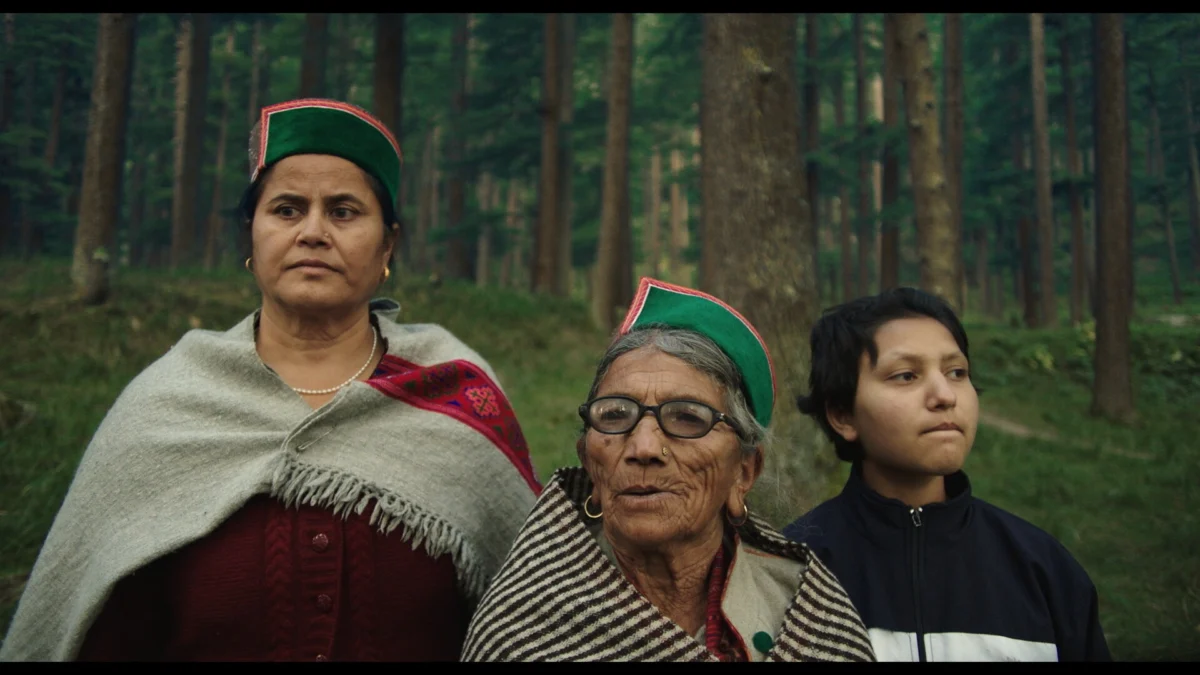
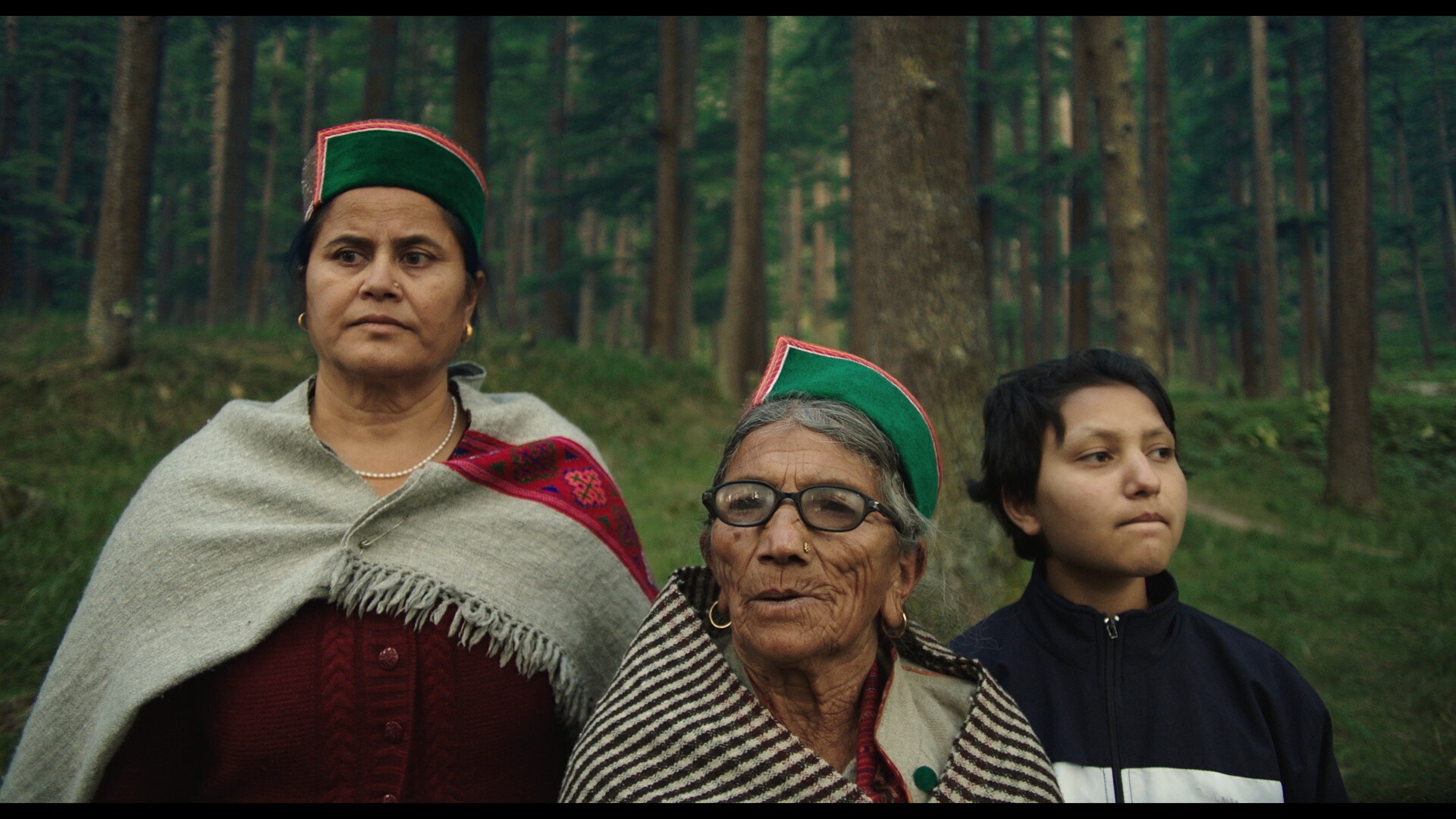
With modern medical aid inaccessible due to the valley’s isolation – a consequence of devastating landslides exacerbated by large-scale hydroelectric projects – Delma must rely on an ancient, almost forgotten form of ancestral knowledge: herbal medicine. Her mission is to locate a specific, elusive plant high up the valley slopes, believed to hold the key to the young mother’s survival. This perilous journey is not undertaken alone. She is accompanied by two other women, representing different generations and their fraught connections to the past. An elderly grandmother, a repository of traditional wisdom, knows a folksong that can guide them to the plant, but tragically, she has forgotten its language. Completing this intergenerational trio is the granddaughter, a figure of modernity, who never learned the ancient language or the song and whose understanding of traditional ways is largely mediated through digital information gleaned online.
This convergence of three women, each burdened by a unique relationship with tradition and modernity, forms the emotional and thematic heart of "Tenfa." Their shared objective—to save a life—becomes a symbolic quest to reclaim lost knowledge and re-establish a severed connection with their natural environment. The film masterfully portrays their trek through a forest scarred by recent fires, implicitly linked to the broader issue of climate change, which tragically claimed the lives of the granddaughter’s parents. This journey is not merely physical; it is a profound spiritual and cultural pilgrimage, questioning whether not only the young mother, but the entire valley, its rich traditions, and its deep-seated connection to nature, can be saved.
The Kinnaur Valley: A Microcosm of Global Challenges
The setting of "Tenfa" in the Kinnaur district of Himachal Pradesh, nestled at the far reaches of the Indo-Tibetan border, is not merely a scenic backdrop but a crucial character in itself. Kinnaur is renowned for its breathtaking Himalayan landscapes, unique ethnolinguistic groups, and vibrant cultural heritage, distinct from many other parts of India. The region’s indigenous communities have historically maintained a close relationship with their environment, with traditional practices and knowledge deeply interwoven with the natural ecosystem.
However, as highlighted in "Tenfa," this delicate balance has been severely disrupted by the relentless march of "progress." The film implicitly points to the significant impact of large-scale hydroelectric projects, a common feature of development in India’s Himalayan states. While these projects are touted as vital for energy security and economic growth, their construction often entails extensive deforestation, blasting, and changes to natural river flows, leading to increased geological instability. Data from environmental studies and local reports frequently link such activities to a rise in devastating landslides and flash floods, which have indeed cut off remote communities like the one depicted in the film. For instance, the Geological Survey of India and various environmental agencies have documented a worrying increase in landslide incidents in the Western Himalayas over the past two decades, with a direct correlation often drawn to infrastructure development.
Furthermore, the impact of global climate change is acutely felt in these high-altitude regions. Himalayan glaciers are receding at an alarming rate, altering water cycles and increasing the frequency of extreme weather events, including intense rainfall leading to landslides, and prolonged droughts or unseasonal heavy snowfall. The forest fires referenced in the film serve as a powerful metaphor for this escalating environmental crisis, underscoring how human activities, both local and global, contribute to the rapid degradation of once-pristine ecosystems. "Tenfa" thus transforms the specific plight of a Kinnauri village into a universal parable about the fragility of both nature and culture in the Anthropocene era.
A Visual and Auditory Masterpiece: Evoking the Spiritual and Otherworldly
Beyond its compelling narrative, "Tenfa" distinguishes itself through its exceptional cinematic artistry. Nihaarika Negi and her team employ the camera and soundtrack not merely as tools for storytelling, but as conduits for atmosphere, emotion, and a profound sense of the spiritual. The film’s aesthetic eschews a purely academic or didactic approach, instead immersing the viewer in a visceral experience of the valley’s magic and peril.
Anshul Uniyal’s masterful cinematography is central to this achievement. "Tenfa" is replete with breathtaking extreme wide shots that capture the immense scale and raw majesty of the Himalayan valley, dwarfing human figures and emphasizing their place within a grander natural order. These panoramic views are contrasted with striking low-angle shots of the sun or moon filtering through the dense forest canopy, creating a sense of wonder and reverence. A particularly memorable final worm’s-eye view shot encapsulates the humility of being human in the face of such natural magnificence, where the ethereal light and mist hovering among the ancient trees seem to embody the very spirits of ancestors. Uniyal’s work transforms the landscape into a character, one imbued with memory, wisdom, and a silent, spiritual presence.
Complementing the visual tapestry is Peter Lam’s dreamy and evocative soundtrack. The music works hand-in-hand with the imagery to express the film’s core theme of connection – especially to "the ghost of memories" that haunt the forest and often elude the three women. The soundtrack subtly weaves traditional motifs with contemporary soundscapes, creating an otherworldly aura that underscores the film’s fable-like quality. Like the ancient trees themselves, the folksong at the heart of the story acts as an encoder of memory, a vital cultural artifact whose language and meaning are on the verge of disappearing. The synergy between Uniyal’s visuals and Lam’s score creates an immersive experience that transcends mere observation, drawing the audience into the spiritual quest of the characters and making them feel the urgency of their mission.
Thematic Depth: Progress, Tradition, and the Rootless Tree
"Tenfa" is not merely a narrative; it is a profound philosophical meditation on the nature of progress, the value of tradition, and the intrinsic human need for connection to roots. Through its gentle yet tragic exposition, Nihaarika Negi’s thoughtful and soulful short exposes the sheer cost of unbridled "progress" and how modernity has, in the film’s poignant words, "bound the people in a gathering of absence."
The film’s voiceover, rich with meditative reflections, serves as a lyrical commentary on these themes. Phrases such as "to return is not always the opposite of progress" challenge the linear, often destructive, Western-centric notion of advancement. It suggests that true progress might sometimes involve looking backward, reclaiming lost wisdom, and re-establishing harmony with foundational principles. Another powerful metaphor, "there is never any healing for a rootless tree," encapsulates the film’s central message about cultural identity and ecological belonging. A community, much like a tree, cannot thrive or heal if it is severed from its roots – its traditions, its ancestral knowledge, and its natural environment.
This moralistic undertone, however, is never sanctimonious. "Tenfa" deftly adopts the style of a fable or folktale, conveying its many lessons through the medium of metaphor and the metaphysical. It employs symbolic reconciliation, particularly through the use of the digital camera itself, to encode its ideas. The camera, a tool of modernity, becomes an instrument for capturing and preserving tradition, creating a bridge between the ancient and the contemporary. This nuanced approach allows the film to explore complex ideas without resorting to didacticism, instead inviting the audience to reflect on their own relationship with progress, tradition, and the natural world. The film subtly posits that perhaps, through such reconciliations and acknowledgements of our roots, we, as humanity, can collectively endure.
IFFLA 2026: A Platform for Impactful Indian Cinema
The selection of "Tenfa" for the 2026 Indian Film Festival of Los Angeles is a testament to its artistic merit and thematic relevance. IFFLA, established in 2003, has grown to become a premier showcase for Indian and diasporic South Asian cinema in North America. Its mission extends beyond mere entertainment; it aims to build a greater understanding of India and its diverse culture, foster dialogue, and provide a vital platform for independent filmmakers whose voices might otherwise struggle to be heard.
IFFLA’s programming is known for its commitment to showcasing films that are not only aesthetically rich but also socially conscious and thought-provoking. "Tenfa," with its profound narrative on cultural erosion, environmental urgency, and intergenerational wisdom, aligns perfectly with the festival’s ethos. For independent filmmakers like Nihaarika Negi, a platform like IFFLA offers invaluable exposure to a global audience, critics, and industry professionals, facilitating distribution and further recognition. The festival serves as a crucial bridge between Indian cinematic talent and the international film community, allowing stories from specific regional contexts, like Kinnaur, to resonate with universal themes. The festival’s inclusion of a film like "Tenfa" signals its ongoing dedication to diverse storytelling that tackles contemporary issues with artistic integrity.
Director’s Vision and Artistic Intent
While Nihaarika Negi has not released official statements regarding her film’s selection at IFFLA 2026, her artistic intent can be inferred from the profound depth of "Tenfa." It is clear that Negi is driven by a desire to bring marginalized stories and pressing global issues to the forefront through the power of cinema. The ambitious scope of telling such a complex narrative – encompassing cultural loss, environmental destruction, and spiritual reconnection – within a mere half-hour runtime speaks volumes about her skill and vision. The effortless flow of the film, despite its weighty themes, suggests meticulous planning and a deep understanding of visual storytelling.
One can surmise that Negi’s inspiration likely stems from a keen observation of the rapid changes occurring in traditional communities across India and the world. Her work is a call to acknowledge the irreversible damage caused by unchecked development and a plea for the preservation of indigenous knowledge systems, which often hold sustainable solutions for contemporary crises. She likely aimed to create a film that not only entertains but also educates and provokes introspection, using the universal language of human emotion and stunning visuals to transcend cultural barriers. Her choice to symbolically reconcile modernity (the digital camera) with tradition suggests an optimism that technology, when wielded thoughtfully, can be a tool for preservation and enlightenment, rather than just an instrument of disruption.
Broader Implications: A Call for Reconnection in a Disconnected World
"Tenfa"’s premiere at IFFLA 2026 comes at a critical juncture for global environmental and cultural discourse. The film’s themes resonate deeply with ongoing international efforts related to climate action, sustainable development, and the preservation of intangible cultural heritage, as championed by organizations like the United Nations and UNESCO. The rapid loss of indigenous languages, traditional ecological knowledge, and unique cultural practices is a global phenomenon, often overlooked in the relentless pursuit of economic growth. "Tenfa" serves as a powerful reminder that this loss represents an irreplaceable erosion of human diversity and wisdom.
The film’s emphasis on intergenerational dialogue – the elderly grandmother, Delma, and the granddaughter – highlights the urgent need to bridge the gap between those who remember the "old ways" and those who are growing up in a digitally saturated world, often disconnected from their ancestral roots and the natural environment. In an era marked by increasing urbanization and the pervasive influence of digital media, "Tenfa" acts as a vital cinematic intervention, urging audiences to pause and consider the profound value of community, tradition, and our intrinsic connection to the Earth. It implicitly calls for a re-evaluation of societal priorities, suggesting that true progress must be holistic, embracing both economic advancement and ecological and cultural sustainability. The fate of the Kinnaur valley, as depicted in "Tenfa," is thus a poignant allegory for the fate of humanity, reminding us that our collective future hinges on our ability to listen to the wisdom of the past, protect our environment, and nurture the roots that sustain us all.
In conclusion, "Tenfa" stands as a remarkable achievement, a short film that packs the emotional and intellectual punch of a feature-length epic. Its journey to IFFLA 2026 marks it as a significant voice in contemporary cinema, offering a timely, urgent, and exquisitely crafted meditation on what it means to be human in an era of rapid change, and the enduring hope that lies in remembering, reconnecting, and healing.